Elektron Expands Hardware Ecosystem With the Release of Outbox 8, an Eight-Channel Audio and CV Breakout Box

Swedish electronic music instrument manufacturer Elektron has officially launched the Outbox 8, a versatile eight-channel audio and control voltage (CV) breakout box engineered to expand the connectivity and routing capabilities of hardware grooveboxes and modular synthesizer setups. First previewed earlier this year at the Superbooth trade show in Berlin, the hardware unit arrives as a targeted solution for electronic musicians seeking to overcome the physical input and output limitations traditionally associated with compact production hardware. Priced at €299, £259, and $349 USD, the Outbox 8 is now available globally through Elektron’s official distribution channels.
Bridging the Gap in Modern Hardware Workflows
The contemporary landscape of electronic music production is heavily characterized by the "DAWless" movement—a workflow wherein creators bypass computers and digital audio workstations (DAWs) in favor of standalone hardware sequencers, drum machines, and synthesizers. Elektron has long been a dominant force in this sector, offering a robust lineup of instruments including the Digitakt II, Digitone II, Syntakt, and Analog Rytm.
While these modern generation grooveboxes frequently feature up to 16 distinct tracks, voices, or sample slots capable of complex internal sequencing and synthesis, they are typically bottlenecked by physical hardware constraints. Most notably, units like the Digitakt II and Digitone II are limited to a single stereo pair of physical analog outputs. Although users have historically been able to route individual tracks out of these devices via USB using Elektron’s proprietary Overbridge software, doing so requires a persistent connection to a computer running a DAW or a dedicated host environment.
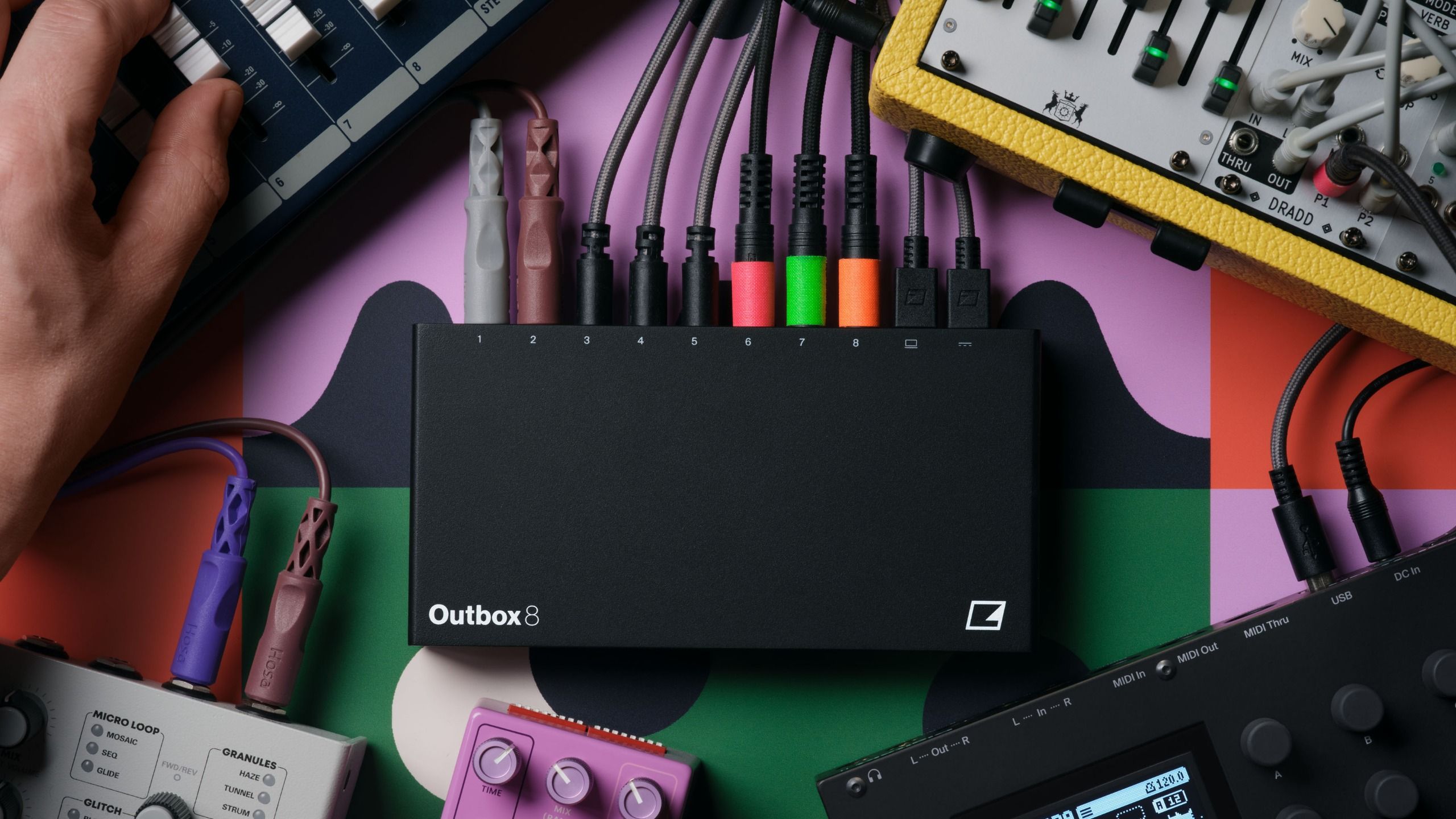
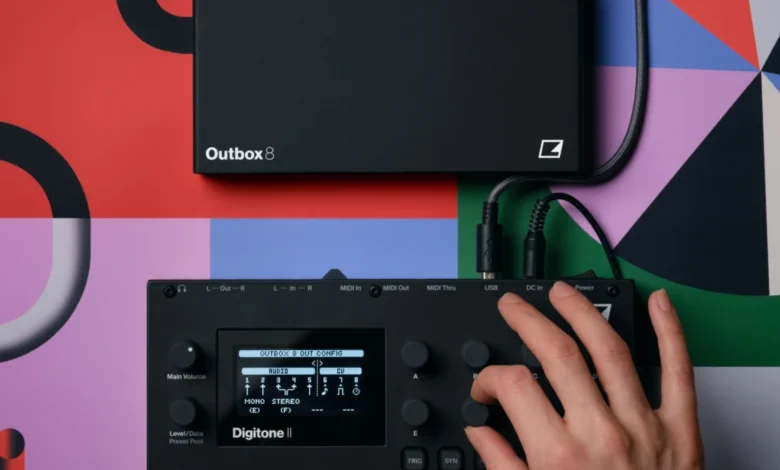
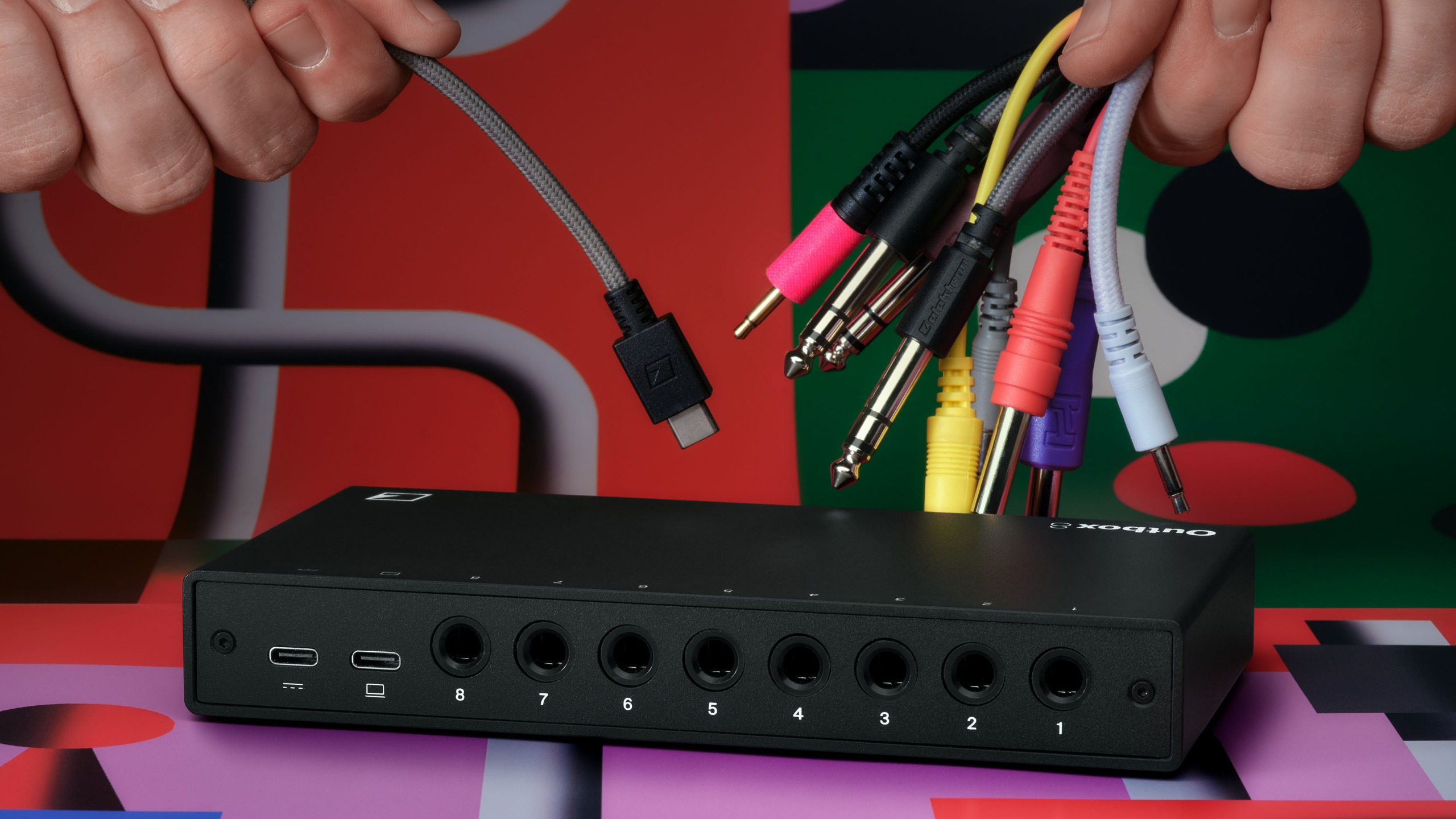
The Outbox 8 eliminates this computational intermediary. By interfacing directly with Elektron hardware, the breakout box provides eight fully assignable, balanced outputs that can transmit discrete audio stems, submixes, or analog control voltages. This allows performers to route individual internal tracks to external hardware effects processors, multi-track mixing consoles, or modular synthesizers without relying on a laptop during live performances or studio sessions.
Development Chronology and Industry Debut
The journey of the Outbox 8 from concept to commercial release reflects Elektron’s measured approach to hardware expansion. The device first caught the attention of the electronic music community in May during Superbooth, Europe’s premier synthesizer exhibition held annually in Berlin. At the time, Elektron showcased the unit as a prototype, gathering early feedback from artists, sound designers, and gear enthusiasts regarding its form factor, routing flexibility, and integration potential.
Throughout the months following its initial unveiling, Elektron refined the firmware and software integration of the unit. The development focused heavily on ensuring seamless integration not only with the company’s flagship current-generation devices but also with third-party gear via flexible configuration protocols. By positioning the device as both a multi-output expander and a MIDI-to-CV converter, Elektron broadened its appeal to the burgeoning Eurorack and modular synthesizer communities.
Core Technical Features and Functional Versatility
At its technical core, the Outbox 8 functions as a multi-faceted hub designed to translate digital sequencing and audio data into tangible analog signals. The device’s primary configurations can be categorized into three main operational modes:
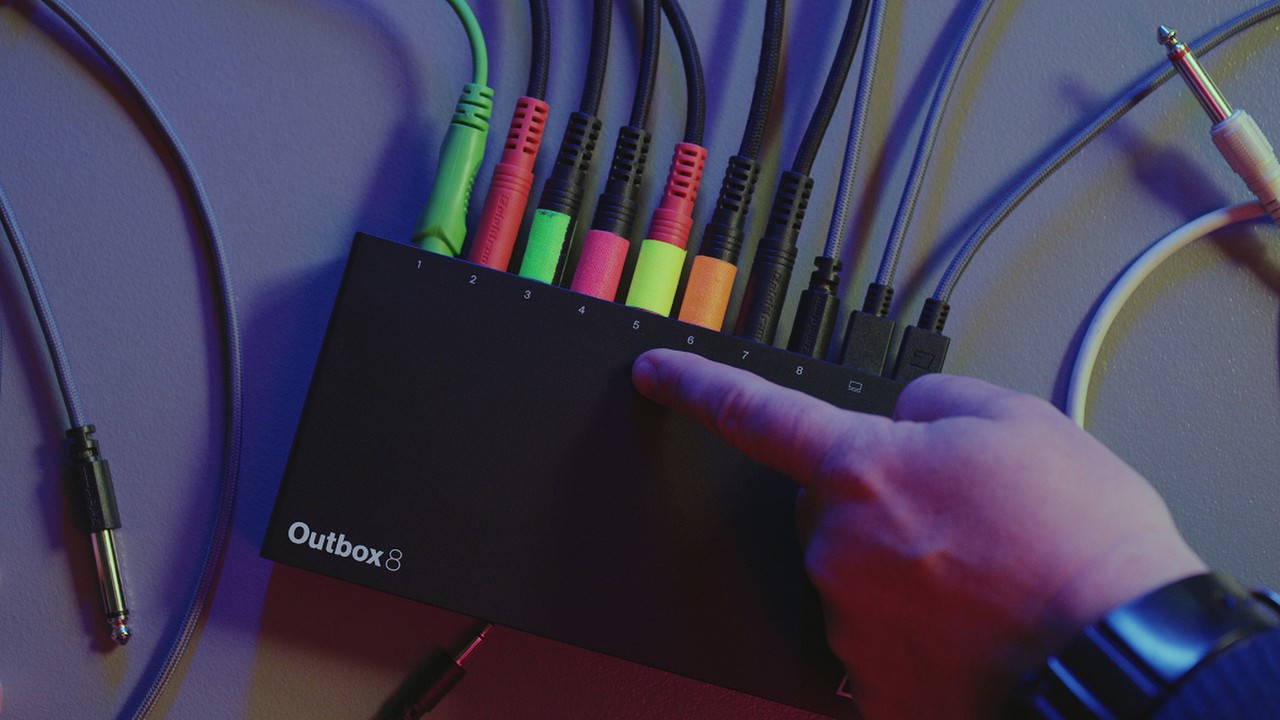
- Dedicated Audio Stem Routing: Users of Elektron grooveboxes can configure track routing directly from the onboard menus of their connected instruments. This allows individual drum tracks, synth lines, or external audio inputs to be sent to separate physical outputs on the Outbox 8 for external analog processing, compression, or spatial effects routing.
- MIDI-to-CV Conversion: Beyond handling audio, the unit operates as a high-resolution MIDI-to-CV converter. Digital control outputs originating from a hardware sequencer, a DAW, or an external controller can be translated into analog control voltages. These signals can then be patched directly into the inputs of analog synthesizers, semi-modular gear, or Eurorack systems, allowing digital sequencing environments to seamlessly control voltage-controlled oscillators (VCOs), filters, and modulation sources.
- Portable Multi-Output Audio Interface: When disconnected from standalone grooveboxes, the Outbox 8 can function as a portable class-compliant audio interface. By pairing the unit with a laptop, tablet, or smartphone, mobile producers gain access to a compact multi-output setup suitable for live performance or on-the-go production.
For Elektron users, configuration is handled natively through the connected groovebox’s internal system menus. For those integrating the Outbox 8 into third-party hardware environments, Elektron has developed a dedicated browser-based configuration application, ensuring broad compatibility across various hardware and software setups.
Market Implications and Impact on Electronic Musicians
The release of the Outbox 8 arrives at a time when the demand for hybrid workflows—combining the speed of digital sequencing with the sonic character of analog outboard gear—is at an all-time high. Industry analysts and equipment reviewers note that hardware manufacturers are increasingly focusing on utility devices that enhance existing ecosystems rather than forcing consumers to purchase entirely new flagship instruments.
For live electronic performers, the implications of the Outbox 8 are substantial. Relying on a single stereo mix from a groovebox often limits a front-of-house sound engineer’s ability to properly EQ, compress, or balance individual elements during a live concert. By granting performers the ability to send discrete kicks, snares, basslines, and melodies to separate channels on a mixing console, the Outbox 8 bridges the gap between bedroom production standards and professional live sound reinforcement.
Furthermore, the inclusion of robust CV routing capabilities places the Outbox 8 in direct competition with specialized MIDI-to-CV interfaces, while offering the added value of audio breakout functionality. This dual-purpose design is expected to attract modular synthesizer enthusiasts who utilize Elektron sequencers like the Octatrack or Digitakt II as the master brain for complex, multi-brand live rigs.
Availability and Pricing
Elektron has confirmed that the Outbox 8 is shipping immediately to authorized retailers and is available directly through the company’s online store. Positioned at a competitive price point of €299, £259, and $349 USD, the unit strikes an accessible balance for musicians looking to maximize the potential of their existing studio infrastructure without undergoing a costly hardware overhaul.
As the boundaries between hardware grooveboxes, modular synthesizers, and computer-based production continue to blur, releases like the Outbox 8 underscore the industry’s ongoing shift toward modularity, interoperability, and streamlined workflow solutions.
Related posts: