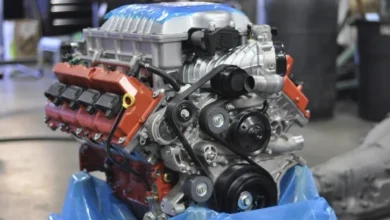
How Long Does A Power Steering Pump Last & Are Replacements Still Available?

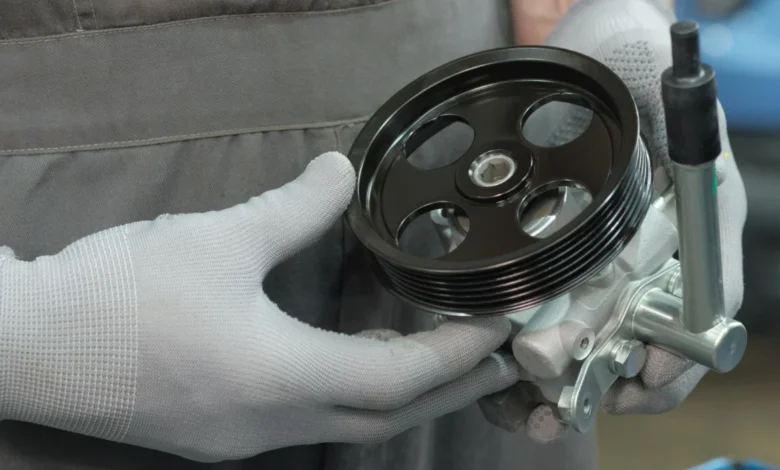
When a driver sits behind the wheel of an automobile, the mechanical sequence required to change direction often goes unnoticed. While modern vehicle engineering has evolved to introduce complex driver-assistance systems, automated parking, and advanced lane-keeping technologies, the fundamental relationship between a driver’s hands and the front tires remains a cornerstone of vehicular control. To successfully pilot a car, a vehicle must accelerate, brake, and turn. While engines govern propulsion and braking systems manage deceleration, steering systems dictate trajectory. In older vehicles and a declining number of modern performance and utility cars, this connection relies heavily on hydraulic assistance, with the power steering pump serving as the beating heart of the mechanism.
As vehicles grew heavier and tire footprints widened over the decades, the physical effort required to turn stationary wheels became too great for manual steering systems alone. This engineering hurdle led to the widespread adoption of hydraulic power steering during the mid-20th century. Today, even as the automotive industry shifts toward electric power steering (EPS) architectures, millions of vehicles on the road still depend on hydraulic pumps, fluid, and belts to ensure smooth, manageable handling. Understanding the lifespan of these components, recognizing the symptoms of impending failure, and knowing whether replacement parts remain accessible are vital responsibilities for vehicle maintenance and safety.
The Evolution of Steering Systems: From Manual Effort to Hydraulics
To fully appreciate the role of the power steering pump, one must first examine how steering systems have transformed over the history of the automobile. Early motor vehicles utilized entirely manual steering setups. In these systems, the steering wheel connected directly through a steering column to a steering box or rack, translating rotational input into lateral movement via pure mechanical leverage. Because cars were lightweight and utilized narrow bias-ply tires with minimal contact patch area, steering effort was manageable at speed, though turning while stationary required considerable upper-body strength.
As consumer demands shifted toward larger, heavier passenger vehicles, and as tire technology advanced to incorporate wider radial tires designed for superior grip, manual steering became increasingly arduous. Parking lots and tight urban maneuvers demanded significant physical exertion from drivers. This challenge prompted automotive engineers to develop power-assisted steering systems.
Chrysler introduced the first commercially successful passenger car power steering system, marketed as "Hydra-Guide," in the 1951 Imperial. This pioneering system utilized hydraulic pressure generated by an engine-driven pump to assist the driver in turning the front wheels. Throughout the following decades, hydraulic power steering became an industry standard, filtering down from luxury vehicles to family sedans, trucks, and sports cars. The system relied on a harmonious trio of components: a belt-driven hydraulic pump, specialized power steering fluid, and a network of high-pressure hoses connected to a steering gear or rack-and-pinion assembly.
How Hydraulic Power Steering Operates
At its core, a hydraulic power steering system operates on fundamental principles of fluid dynamics and Pascal’s law. The system’s primary objective is to multiply the force applied by the driver, reducing the steering effort required regardless of whether the vehicle is crawling in traffic or cruising on a highway.
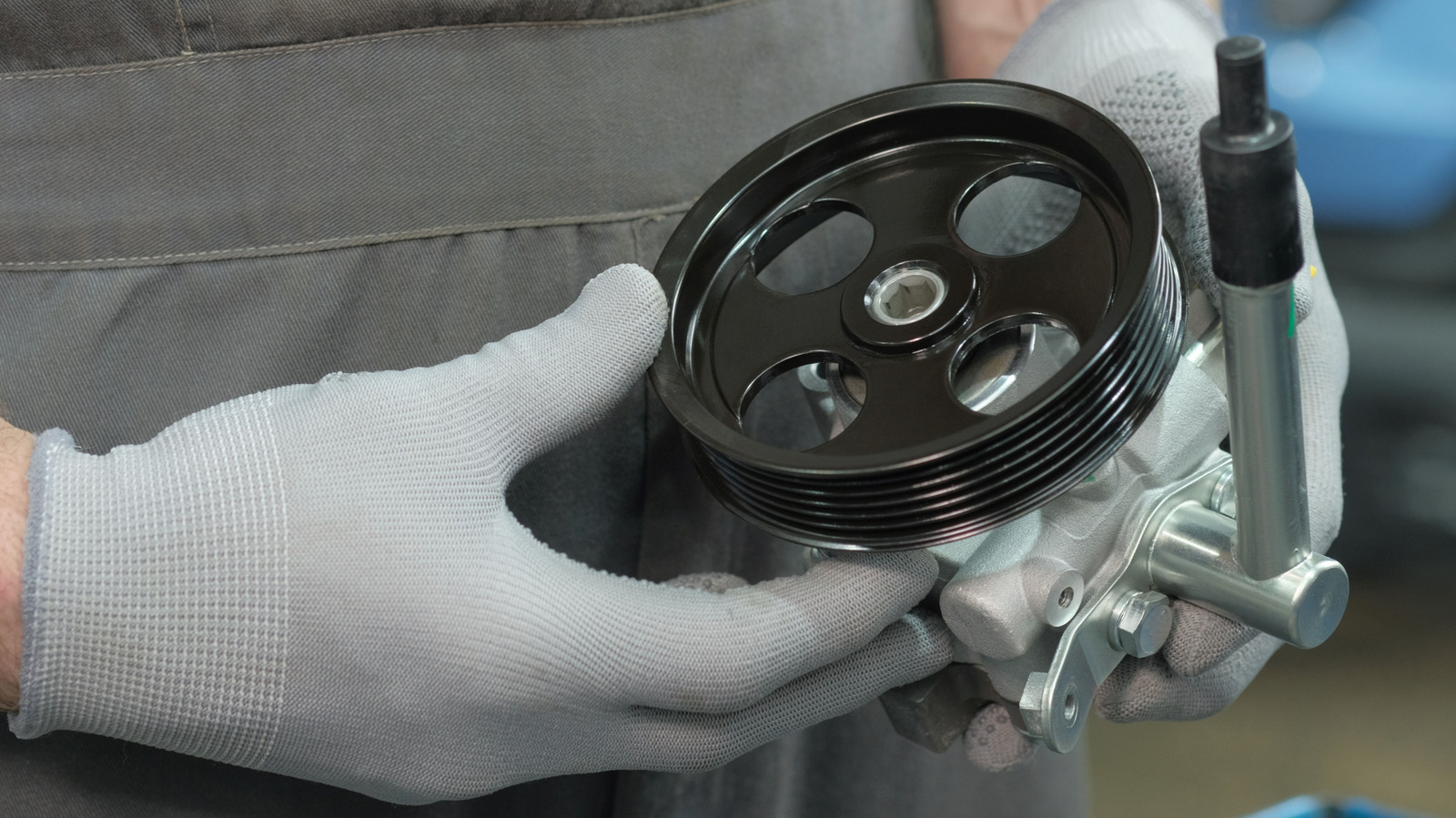
The process begins with the engine. A drive accessory belt—either a dedicated power steering belt or an integrated serpentine belt—rotates the pulley of the power steering pump. Inside the pump, a rotor equipped with vanes spins rapidly, drawing hydraulic fluid from a reservoir and pressurizing it. This high-pressure fluid is then directed through reinforced lines toward the steering gear housing or rack.
When the driver turns the steering wheel, a spool valve inside the steering gear directs the pressurized fluid to one side of a piston. This hydraulic pressure pushes against the piston, which in turn helps move the steering linkage and turns the front tires with minimal manual effort. Once the turn is completed and the steering wheel returns to center, the fluid flows back to the reservoir to be recirculated and cooled.
Because the resistance encountered by tires is highest when the vehicle is stationary—due to the friction between the rubber and the pavement—the demand for hydraulic pressure spikes during low-speed maneuvers. This explains why a sudden failure of the power steering system makes turning the wheel feel overwhelmingly heavy, a phenomenon frequently experienced if an engine stalls while the vehicle is at a standstill.
Lifespan Expectations and Maintenance Intervals
Like all mechanical systems subject to continuous friction, heat, and high pressures, power steering components possess finite service lives. Maintenance schedules vary depending on the vehicle’s make, model, and operating environment, but industry guidelines provide a reliable framework for preventative care.
The power steering pump itself is a robust mechanical unit designed to endure years of service. Under normal driving conditions and with proper maintenance, a quality power steering pump can last anywhere from 100,000 to 150,000 miles—often matching the operational lifespan of the vehicle. However, the supporting elements of the system demand much more frequent attention:
- Power Steering Fluid: Hydraulic fluid breaks down over time due to thermal stress and contamination. Industry experts generally recommend inspecting and flushing the power steering fluid every 40,000 to 50,000 miles, or approximately every four years, depending on driving habits.
- Drive Belts: Accessory belts and serpentine belts are subject to rubber degradation, cracking, and tension loss. These components typically require inspection at every oil change and replacement every 60,000 to 90,000 miles.
Ignoring these scheduled intervals can lead to premature pump failure. When power steering fluid degrades, it loses its lubricating properties and accumulates microscopic metal shavings from internal component wear. These abrasive particles circulate through the pump and valves, scoring internal surfaces and ultimately destroying the unit.
Recognizing the Symptoms of a Failing Power Steering Pump
Identifying a failing power steering pump early can prevent catastrophic steering loss and save vehicle owners hundreds of dollars in secondary repairs. Because hydraulic systems exhibit distinct warning signs before total failure, drivers should remain vigilant for specific operational changes.
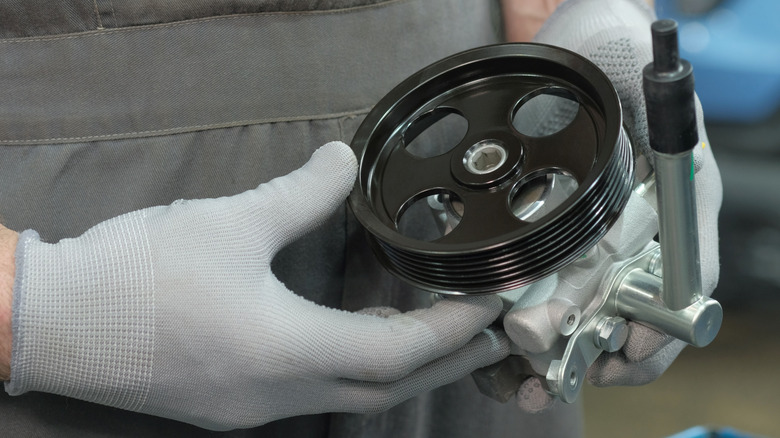
The most common indicator of a failing pump is a noticeable increase in steering effort. If turning the wheel suddenly requires significantly more muscle, particularly at low speeds or while idling, the pump may be failing to generate adequate hydraulic pressure.
Another frequent symptom is auditory feedback from the engine bay. A failing or low-fluid pump often emits a distinct whining, groaning, or squealing noise when the steering wheel is turned, especially when reaching full lock (turning the wheel completely to the left or right). This sound is typically caused by air trapped in the system or cavitation within the pump due to insufficient fluid levels.
Additionally, drivers may experience steering wheel vibration or pulsation when initiating a turn. This pulsation occurs when internal pump components bind or when pressure delivery fluctuates unevenly. Finally, visual inspections can reveal leaks. Power steering fluid is typically red, pink, or amber (though some modern fluids are clear or brownish). Puddles beneath the front of the vehicle, damp hoses, or a fluid reservoir that consistently empties despite being refilled point directly to compromised seals, cracked hoses, or a failing pump housing.
Are Replacement Parts Still Available?
With the automotive industry aggressively pivoting toward electric power steering (EPS)—which eliminates hydraulic pumps, lines, and fluid in favor of an electric motor mounted directly to the steering column or rack—some consumers worry about the long-term viability of maintaining older hydraulic systems.
Industry analysts and automotive aftermarket suppliers confirm that replacement power steering pumps, hoses, and rebuild kits remain widely available for the vast majority of legacy vehicles. Because millions of internal combustion engine vehicles equipped with hydraulic steering remain on global roadways, major auto parts distributors and aftermarket manufacturers maintain robust production pipelines for these components.
Even into the 2020s, select high-performance and utility vehicles continued to utilize hydraulic setups. For example, performance-oriented models like the Subaru Impreza WRX featured hydraulic power steering systems as late as the 2021 model year. Consequently, automotive parts stores, specialized online distributors, and dealership networks continue to stock both OEM (Original Equipment Manufacturer) and aftermarket power steering pumps.
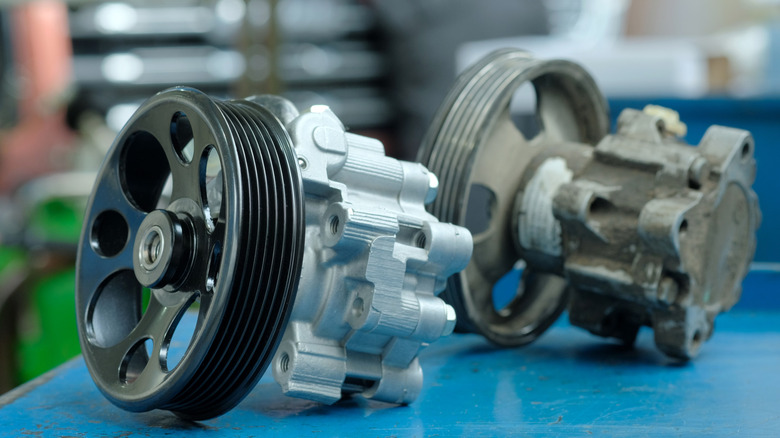
Furthermore, rebuilding services remain a viable option for rare or classic vehicles where brand-new replacement pumps are no longer manufactured. Specialty automotive shops can disassemble original pumps, machine worn internal components, replace rubber seals and bearings, and return the unit to factory specifications.
Best Practices for Extending Component Life
While normal wear and tear cannot be halted indefinitely, vehicle owners can take proactive measures to maximize the operational lifespan of their power steering systems and avoid premature failures.
- Maintain Correct Fluid Levels: Regularly check the power steering fluid reservoir using the dipstick attached to the cap. Crucially, vehicle owners must check fluid levels when the engine is at normal operating temperature, as fluid expands when heated. Overfilling the reservoir can cause excessive internal pressure and subsequent seal blowouts.
- Avoid Holding Full Lock: Forcing the steering wheel against its maximum travel limit (full lock) places maximum strain on the power steering pump and pressure relief valves. Drivers should avoid holding the steering wheel at full lock for extended periods during parking maneuvers.
- Address Fluid Leaks Immediately: Operating a hydraulic system with low fluid forces the pump to draw in air, leading to cavitation, overheating, and rapid internal destruction. Repairing a minor hose leak promptly protects the much more expensive pump downstream.
- Perform Periodic Flushes: Flushing old, contaminated fluid removes microscopic metallic debris and moisture, preserving the internal tolerances of the pump and steering gear.
Broader Implications and Industry Trends
The transition from hydraulic power steering to electric power steering represents one of the most significant engineering shifts in modern vehicle design. EPS systems offer distinct advantages over their hydraulic predecessors: they consume engine power only when the steering wheel is actively turned, thereby improving fuel economy; they eliminate the risk of environmentally hazardous hydraulic fluid leaks; and they integrate seamlessly with advanced driver-assistance systems (ADAS) such as lane-keep assist and automated parking.
However, the enduring presence of hydraulic systems in millions of existing passenger cars, light trucks, and heavy-duty commercial vehicles ensures that maintenance infrastructure must adapt. For independent repair shops and DIY mechanics, the availability of aftermarket power steering pumps and components remains essential for keeping older fleets operational and road-safe.
Ultimately, while the automotive landscape marches toward full electrification and computerized chassis control, the foundational mechanics of the power steering pump remain a testament to durability and clever fluid engineering. By adhering to recommended service intervals, monitoring fluid health, and responding swiftly to early symptoms of wear, vehicle owners can ensure their steering systems remain reliable for hundreds of thousands of miles.