The Toyota Highlander: A Comprehensive Look at Common Issues and Potential Dealbreakers


The Toyota Highlander, a nameplate synonymous with family-friendly utility and robust practicality, has carved out a significant niche in the midsize crossover segment. Known as the Toyota Kluger in Australia, this vehicle has been a staple on roads for over two decades, often serving as the benchmark for what consumers expect from a capable, everyday SUV. Its enduring popularity can be attributed to a consistent offering of functionality and reliability, principles that have guided its design since its debut in the 2001 model year. Sharing underpinnings with the ubiquitous Camry sedan, early Highlanders essentially represented larger, more versatile iterations, catering to a broad spectrum of needs, from basic front-wheel-drive configurations for urban errands to sophisticated hybrid variants. The sheer ubiquity of the Highlander is underscored by its presence in high-mileage service, such as the countless yellow-cab versions navigating the bustling streets of New York City.
However, even a vehicle as prevalent and generally well-regarded as the Highlander is not immune to its share of mechanical and systemic challenges. This report delves into some of the most common and potentially significant issues reported by owners of Toyota Highlanders, focusing on models approximately five years or older. For the non-mechanically inclined owner, understanding these prevalent "dealbreakers" can be crucial in making informed decisions about vehicle ownership, maintenance, and potential future repairs. This analysis excludes issues stemming from user error, such as inadequate maintenance or poor driving habits, focusing instead on fundamental defects inherent to the vehicles themselves. As of 2026, most models outside of the earliest iterations are not considered classic cars, meaning these are contemporary concerns for everyday drivers.
Severe Engine Compromise: Bursting Oil Lines
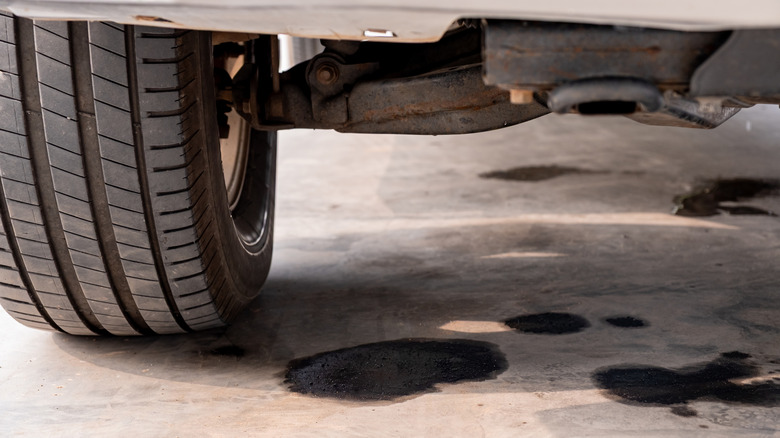
One of the most critical and potentially devastating problems to affect the Toyota Highlander involves the bursting of oil cooler lines. A compromised oil system is a direct threat to the integrity of an engine, as oil serves as the lifeblood that lubricates moving parts, dissipates heat, and prevents catastrophic metal-on-metal friction. When oil pressure is lost, vital components like pistons and the valvetrain are starved of lubrication, leading to accelerated wear and the potential for immediate and severe engine damage.

Owners have reported instances where oil cooler lines on Highlanders equipped with the 3.5-liter V6 engine have ruptured, leading to a rapid and significant loss of engine oil pressure. Toyota has acknowledged this issue and issued a recall affecting approximately 533,500 vehicles across various Toyota models, including affected Highlanders. This recall includes provisions for extended warranty coverage for any engine damage directly resulting from the oil leaks. The recall specifically targeted certain model years, including standard Highlanders from 2008 to 2011 and hybrid models from 2011. However, anecdotal evidence suggests that concerns with oil line integrity may extend to Highlanders manufactured between 2005 and 2013. The imperative for drivers to heed any low oil pressure warning light cannot be overstated; ignoring such a signal, regardless of the vehicle’s age or model, is a direct path to rendering the engine inoperable.
The analogy of shaving without lubrication helps illustrate the severity of oil starvation. Without the protective film of oil, engine components experience extreme friction, akin to a razor blade scraping dry skin. This friction generates immense heat and can cause microscopic damage to cylinder walls and other critical internal surfaces. Prolonged operation under such conditions can irrevocably damage the engine, transforming it into a costly paperweight.
Fuel System Vulnerability: Malfunctioning Fuel Pumps
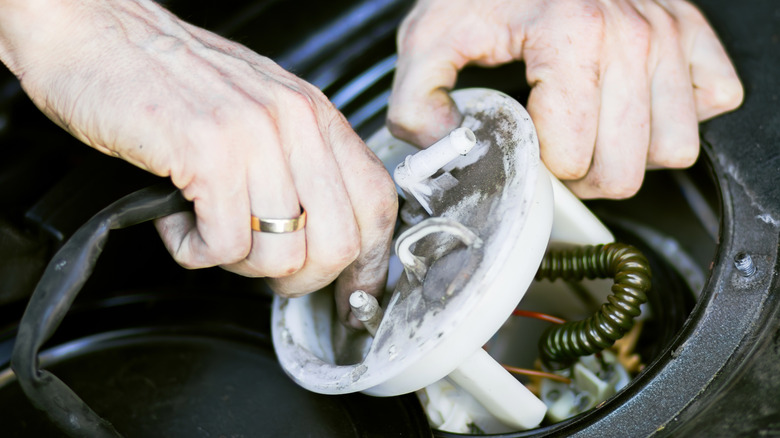
The fuel pump, a seemingly simple component, plays a critical role in the intricate ballet of an internal combustion engine. Its primary function is to draw fuel from the tank, pressurize it, and deliver it through the fuel lines to the engine for combustion. The entire fuel system operates under pressure, a necessity because the fuel tank is typically positioned lower than the engine, necessitating a mechanism to actively transport the volatile liquid upwards. Without adequate pressure, the engine will inevitably falter and cease to function.
When a fuel pump malfunctions, the fuel system’s ability to maintain the required pressure is compromised. This often manifests as the vehicle sputtering and hesitating, mimicking the symptoms of an empty fuel tank, even when there is fuel present. Ultimately, a failed fuel pump will prevent the engine from cranking over altogether due to fuel starvation.
The Highlander shares components with a wide array of Toyota and Lexus models, and a specific fuel pump issue has led to significant recalls. The faulty fuel pump, found in 2017-2019 model year Highlanders and the Lexus GS 350, was the subject of a recall initially announced and amended throughout 2020. This recall encompassed a substantial 1,830,752 vehicles across multiple Toyota and Lexus lines. A subsequent, related recall addressed the potential failure of the entire fuel pump assembly, affecting over 1.5 million vehicles and overlapping with many of the same models. The implications of a sudden fuel pump failure can be severe, potentially leading to an engine stall even at highway speeds, underscoring the urgency of addressing this issue promptly.
Safety System Deficiencies: Airbags Failing to Deploy
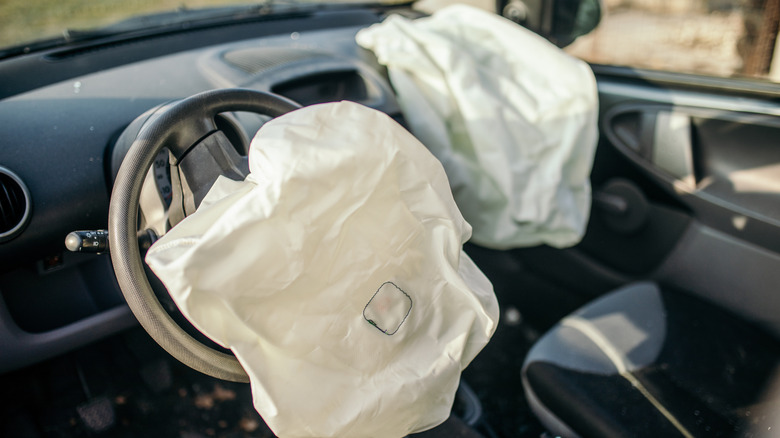
In the unfortunate event of a collision, airbags are a critical secondary safety system designed to mitigate injuries by cushioning occupants during sudden deceleration. Modern vehicles are engineered with crumple zones that absorb a significant portion of impact energy, but airbags provide an additional layer of protection, preventing occupants from making direct contact with hard surfaces like the steering wheel or dashboard.
The failure of an airbag to deploy during an accident can have dire consequences, exposing occupants to severe blunt-force trauma. The reasons for such failures can be multifaceted, ranging from issues with the impact sensors that trigger deployment to defects in the airbag inflator mechanisms themselves, as famously highlighted by the extensive Takata airbag scandal.
For the Toyota Highlander, specific concerns have arisen regarding the failure of both driver and passenger airbags to deploy. A notable recall involved nearly a million vehicles, including 2020 and 2021 Highlander models, where a short circuit in the Occupant Classification System meant the passenger airbag would not arm. In a separate recall affecting 2023 models, a faulty cable connecting the driver’s side airbag to the vehicle’s electrical system could prevent the airbag from receiving the deployment signal. These issues highlight a critical lapse in the vehicle’s primary safety systems, posing a significant risk to occupants.
Powertrain Fragility: Transmission Failure
Transmission failure represents another significant and costly concern for Toyota Highlander owners, particularly those with models equipped with the Aisin eight-speed automatic transmission. Unlike issues with active recalls, transmission failures often fall outside of manufacturer-initiated remedies, potentially leading to substantial repair bills, with costs sometimes reaching upwards of $8,000.
The audible manifestation of this problem is often described as the "Transmission Whine of Death," a grating noise indicative of internal metal-on-metal contact within the gearbox. This sound signals that the transmission is operating under duress and is on the verge of catastrophic failure.
The prevalence of this issue in Highlanders with the Aisin eight-speed automatic transmission has led to a class-action lawsuit. Filed in 2025, the lawsuit alleges that the Aisin UA80 automatic transmission is inherently defective. Plaintiffs report symptoms including gear slippage, erratic shifting patterns, loss of power, and ultimately, the aforementioned "Whine of Death" followed by complete transmission failure. While Toyota maintains that these transmissions are safe, owner complaints consistently point to transmission issues as a major concern for Highlanders within this specific model year range. The lawsuit’s allegations suggest that the fundamental design of this gearbox may be at fault, with poorly suited gear ratios and the resulting strain on components contributing to their premature failure.
Emissions System Weakness: Failing Oxygen Sensors
While less severe than engine or safety system failures, the premature failure of oxygen sensors (O2 sensors) is a widespread issue that can significantly impact a Highlander’s performance and fuel efficiency. The O2 sensor is an integral part of the vehicle’s exhaust system, measuring the oxygen content in the exhaust gases. This data is relayed to the engine control unit (ECU), which uses it to precisely regulate the air-fuel mixture for optimal combustion, efficiency, and emissions control.
When an O2 sensor malfunctions, it can prevent the engine from transitioning from "open-loop" to "closed-loop" operation. In open-loop mode, the ECU defaults to a richer fuel mixture, assuming maximum fuel is needed, often during cold starts. Once the engine and exhaust system warm up, a properly functioning O2 sensor signals the ECU to switch to closed-loop operation, where the air-fuel ratio is precisely managed for better fuel economy and lower emissions. If the O2 sensor fails to provide accurate readings, the engine can remain stuck in open-loop, leading to a consistently rich fuel mixture, reduced fuel efficiency, and potentially rough running.
Unlike some of the more critical issues, there are no active recalls for failing O2 sensors on Toyota Highlanders. However, a considerable number of owners have reported premature failures of these components. A failing O2 sensor will typically illuminate the "check engine" light, indicating that the engine can no longer accurately monitor the air-fuel ratio. While this issue can lead to various performance problems, it is generally a less expensive repair than addressing transmission or engine failures. In some cases, depending on the nature of the failure, a simple cleaning of the O2 sensor might be a viable temporary solution, though replacement is often necessary for a permanent fix.
In conclusion, while the Toyota Highlander has built a strong reputation for reliability and family utility, prospective and current owners should be aware of these documented issues. Understanding these potential pitfalls, especially concerning critical systems like the engine, fuel delivery, safety features, and powertrain, can empower owners to make informed decisions regarding maintenance, repair, and the long-term viability of their vehicle. Proactive inspection and addressing warning signs promptly are key to mitigating the risks associated with these common Highlander problems.