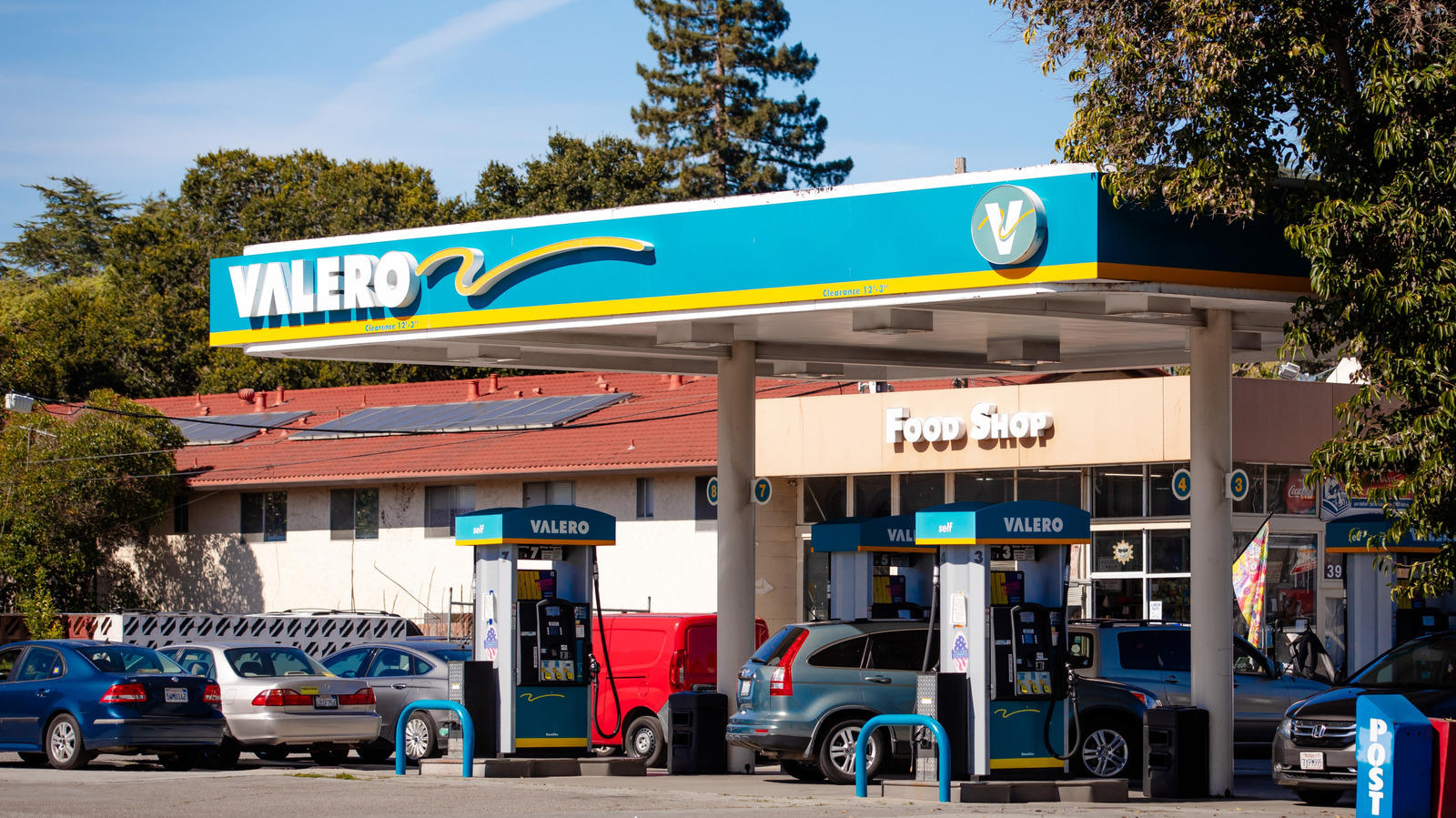
Valero Energy Corporation, a name synonymous with fuel for millions of drivers across North America and Europe, is far more than just a purveyor of gasoline and diesel at the pump. While its recognizable brand adorns a vast network of retail locations, particularly concentrated in Texas, a region pivotal to the United States’ oil production, the company’s operational scope extends significantly beyond its forecourt presence. Valero stands as the world’s largest independent petroleum refiner, a colossus in the energy sector with a formidable infrastructure of 15 refineries strategically positioned across North America and Europe. The company’s origins trace back to 1980, emerging as the successor to a Houston-based natural gas pipeline enterprise. Its foundational step into refining occurred in 1984 with the establishment of its first oil refinery in Texas, a move that presaged a sustained period of strategic acquisitions, steadily expanding its footprint by absorbing rival operations throughout the United States and internationally.
The genesis of Valero Energy Corporation as a distinct public entity occurred in the late 1990s. At this juncture, the company underwent a significant corporate restructuring, a strategic maneuver that saw the separation of its oil refining operations from its established gas pipeline business. This divestiture culminated in the public offering of the refining division, christened Valero Energy. Today, Valero Energy Corporation remains a publicly traded entity, its ownership structure characterized by a broad base of shareholders. The majority of the company’s equity is held by a diverse array of institutional investors, including exchange-traded funds (ETFs) and mutual funds, reflecting its substantial presence in the financial markets.
Within this complex web of ownership, The Vanguard Group emerges as the largest single institutional shareholder, commanding a significant stake of 12.59% in Valero. Complementing Vanguard’s substantial holding are other prominent financial institutions, each possessing considerable minority stakes. These include BlackRock, State Street Global Advisors, and Charles Schwab Investment Management, all major players in asset management and investment. While no single mutual fund or ETF holds an aggregate number of shares comparable to these large institutional investors, a collection of Vanguard ETFs collectively owns smaller portions of the company’s stock. Among these, Vanguard’s Total Stock Market ETF represents the most substantial holding within this category.
Beyond the realm of private investment firms, an intriguing and substantial shareholder is the government of Norway. Through its Government Pension Fund Global, established in 1990 to prudently manage the vast profits generated from the nation’s extensive oil reserves, Norway holds a minority stake in Valero. This investment underscores Norway’s strategy of diversifying its sovereign wealth and participating in global energy markets. Collectively, approximately 12.5% of Valero’s shares are held by a mosaic of other public companies and individual retail investors, further illustrating the widely dispersed nature of its ownership.
Valero’s Expansive Operational Footprint: Beyond the Gas Station
Valero’s influence in the energy sector extends far beyond its branded retail outlets, encompassing a multifaceted portfolio that includes significant operations in biofuel production and the manufacturing of sustainable aviation fuel (SAF). While the Valero gas station network is primarily recognized within the United States, the company’s reach extends globally through various branding strategies. In Canada, for instance, a number of Valero’s retail locations operate under the Ultramar banner. Similarly, in the United Kingdom, Valero manages over 1,000 Texaco-branded gas stations, a testament to its extensive operational and branding agreements.
A crucial component of Valero’s business model is its substantial investment in renewable fuels. Alongside its core petroleum refining activities, the company operates a dozen ethanol plants strategically located within the United States. Ethanol, a biofuel derived primarily from corn, plays a pivotal role in modern gasoline formulations. The ubiquitous E10 fuel, commonly found at U.S. gas pumps, contains approximately 10% ethanol, with higher blends like E15 and E85 also available at select retailers. While historical concerns have been raised regarding the compatibility of ethanol with older engine designs, virtually all contemporary automotive engines are engineered to seamlessly integrate with ethanol-infused gasoline blends. Valero’s commitment to biofuel production is further solidified by its position as the world’s second-largest producer of corn ethanol.
The company’s diversification into renewable energy sources does not stop with ethanol. Valero is also recognized as the second-largest producer of renewable diesel biofuel. This advanced biofuel offers a more environmentally conscious alternative to conventional diesel fuel, contributing to reduced greenhouse gas emissions in transportation.
Furthermore, Valero has strategically ventured into the production of Sustainable Aviation Fuel (SAF). SAF is increasingly viewed as a critical pathway toward decarbonizing the aviation industry, a sector notoriously difficult to electrify. As a greener alternative to traditional jet fuel, SAF is gaining traction among global airlines seeking to curtail their carbon footprint. Major carriers such as Virgin Atlantic have already begun integrating SAF into their operations, signaling a significant shift in the aviation fuel market and highlighting Valero’s role in enabling this transition.
Historical Trajectory and Corporate Evolution: A Timeline of Growth
The evolution of Valero Energy Corporation is a narrative of strategic growth, corporate restructuring, and adaptation to changing market dynamics. Understanding this trajectory provides crucial context for its current stature in the global energy landscape.
- 1980: The foundation of Valero is laid. The company is formed as the successor to a Houston-based natural gas pipeline company, marking its initial entry into the energy sector.
- 1984: Valero takes a significant step into the refining business with the construction of its first oil refinery in Texas. This move signals a diversification beyond pipeline operations and an ambition to engage more directly in the fuel production value chain.
- Late 1990s: A pivotal period of corporate restructuring. Valero strategically separates its oil refining division from its gas pipeline business. This separation is designed to allow each segment to pursue its own growth strategies and to enhance shareholder value by creating a distinct publicly traded entity focused on refining.
- Public Offering of Valero Energy: Following the separation, the refining division is launched as a public company, formally named Valero Energy. This event opens the door for broader investment and capital infusion, fueling further expansion.
- Post-2000s Acquisitions: Valero embarks on a sustained period of aggressive acquisition, integrating numerous rival refineries and fuel distribution networks across the United States and internationally. These strategic moves solidify its position as a dominant force in the refining industry.
- Expansion into Biofuels: Recognizing the growing global demand for cleaner energy alternatives, Valero strategically invests in and acquires ethanol production facilities. This expansion into biofuels, particularly corn ethanol, positions the company as a major player in the renewable fuels market.
- Development of Renewable Diesel and SAF: In more recent years, Valero has continued its diversification by investing in the production of renewable diesel and sustainable aviation fuel (SAF). This forward-looking strategy aligns with global efforts to reduce carbon emissions and meet evolving regulatory and consumer demands for sustainable energy solutions.
This chronological progression illustrates Valero’s transformation from a regional pipeline company to a global energy powerhouse with a diversified portfolio encompassing traditional refining, biofuels, and advanced sustainable fuels.
Ownership Structure: A Deep Dive into Shareholding
The ownership structure of Valero Energy Corporation is a complex interplay of institutional investors, exchange-traded funds (ETFs), mutual funds, and individual retail investors. This broad distribution of shares ensures that no single entity holds a controlling interest, reflecting a typical structure for large, publicly traded corporations.
Key Institutional Holders:
- The Vanguard Group: As previously noted, Vanguard is the largest single institutional shareholder, holding a substantial 12.59% stake. This significant ownership reflects Vanguard’s strategy of investing in major companies across various sectors through its broad-market index funds and ETFs.
- BlackRock: A global leader in investment management, BlackRock also holds a significant minority stake in Valero. Its investment is likely distributed across various client portfolios and index funds.
- State Street Global Advisors: Another major player in the asset management industry, State Street Global Advisors is a notable shareholder, managing assets for institutional and retail clients worldwide.
- Charles Schwab Investment Management: This firm, known for its brokerage and financial services, also participates in Valero’s ownership through its investment management arms.
Exchange-Traded Funds (ETFs) and Mutual Funds:
While large institutions dominate individual shareholdings, a significant portion of Valero’s stock is held indirectly through various ETFs and mutual funds. These funds pool investor capital to invest in diversified portfolios of securities. Vanguard’s Total Stock Market ETF is identified as the largest among these, indicating broad investor exposure to Valero through this popular index fund. Numerous other ETFs and mutual funds, managed by various financial institutions, also hold smaller stakes, contributing to the widespread ownership of Valero shares.
Other Significant Shareholders:
- Government of Norway (via Government Pension Fund Global): This sovereign wealth fund’s investment in Valero is a strategic decision to diversify its holdings and generate returns from its national oil wealth. Its minority stake underscores a long-term investment horizon.
- Public Companies and Retail Investors: Approximately 12.5% of Valero’s shares are held by other public companies and individual retail investors. This segment represents a diverse group of stakeholders, from corporate investors to individual shareholders participating in the stock market.
This diversified ownership model ensures that Valero’s strategic decisions are influenced by a broad base of stakeholders, reflecting the principles of corporate governance in publicly traded companies.
Broader Impact and Implications: Valero’s Role in the Energy Transition
Valero Energy Corporation’s multifaceted operations and strategic direction have significant implications for the broader energy landscape, particularly in the context of the global transition towards more sustainable energy sources.
1. Energy Security and Supply: As the world’s largest independent refiner and a major producer of fuels, Valero plays a critical role in ensuring energy security. Its extensive refinery network and robust supply chains are essential for meeting the daily energy demands of millions of consumers and businesses. Disruptions to Valero’s operations, whether due to geopolitical events, natural disasters, or operational issues, could have ripple effects on fuel prices and availability across its operating regions.
2. The Biofuel Revolution: Valero’s substantial investments in ethanol and renewable diesel production place it at the forefront of the burgeoning biofuel industry. By producing significant volumes of these lower-carbon alternatives, Valero contributes to efforts to reduce the carbon intensity of the transportation sector. This is particularly important as governments worldwide implement policies to encourage the use of renewable fuels and reduce reliance on fossil fuels. The company’s position as a leading producer of corn ethanol also highlights the complex interplay between energy production, agriculture, and land use.
3. Aviation Decarbonization: Valero’s foray into Sustainable Aviation Fuel (SAF) is a strategic move with profound implications for the aviation industry’s decarbonization efforts. As airlines face increasing pressure to reduce their environmental impact, the availability of SAF is crucial. Valero’s production capacity for SAF positions it as a key supplier to airlines seeking to meet their sustainability targets and regulatory obligations. The growth of the SAF market, driven by companies like Valero, is a critical component of achieving net-zero emissions in aviation.
4. Economic Contributions and Job Creation: Valero’s extensive operations, from its refineries to its retail stations and biofuel plants, generate significant economic activity. The company is a major employer, creating jobs directly and indirectly through its supply chains and partnerships. Its investments in infrastructure and technology also contribute to regional economic development.
5. Navigating the Energy Transition: Valero’s diversified strategy, encompassing traditional refining, biofuels, and SAF, demonstrates its proactive approach to navigating the complex energy transition. While fossil fuels remain a significant part of its business, the company’s substantial investments in renewable and sustainable fuels signal an adaptation to evolving market demands and regulatory landscapes. This dual approach allows Valero to continue meeting current energy needs while simultaneously positioning itself for a future with a higher proportion of cleaner energy sources. The success of this strategy will be closely watched as the global energy system undergoes profound transformation.