The Flesh Dress (La Robe peau) A Macabre Exploration of Aging and Control in Stop-Motion Animation

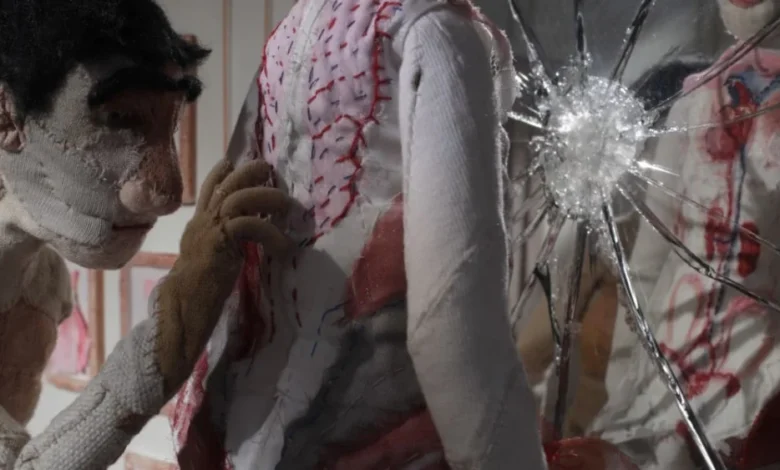
The Flesh Dress (La Robe peau), a haunting stop-motion short film directed by Joachim Hérissé, has emerged as a formidable contender in the race for the 2027 Academy Awards. Following its prestigious win for Best Animation at the 2026 LA Shorts International Film Festival, the film has secured official qualification for Oscar consideration. Produced by Stéphanie Launay at the French studio Komavé, the short serves as a visceral examination of human insecurity, the obsession with physical permanence, and the toxic dynamics of power and creation.
The narrative centers on an aging tailor whose internal crisis manifests as a disturbing, surreal obsession. As he grapples with the inevitable decline of his body and the haunting echoes of his past, a singular, macabre event propels him to craft a creation that blurs the lines between haute couture and biological anatomy. By utilizing the tactile properties of fabric and the unsettling malleability of "flesh-like" materials, Hérissé constructs a visual language that communicates psychological anguish in ways that traditional dialogue often fails to capture.
The Evolution of the Project and Production Context
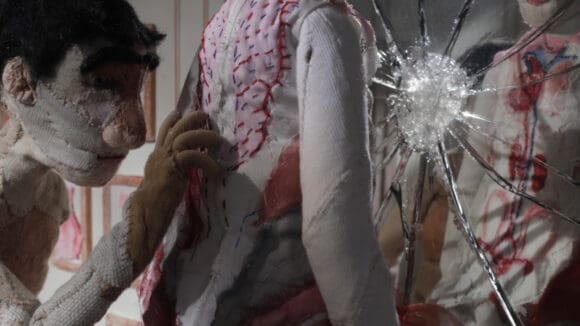
The development of The Flesh Dress began with a collaborative effort between director Joachim Hérissé and co-writer Emma Degoutte. Their goal was to move beyond conventional storytelling and into the realm of allegorical horror. The film’s distinct visual identity is largely attributed to the work of textile artist Aline Bordereau, whose intricate puppet designs provide the necessary texture to bridge the gap between inanimate cloth and living skin.
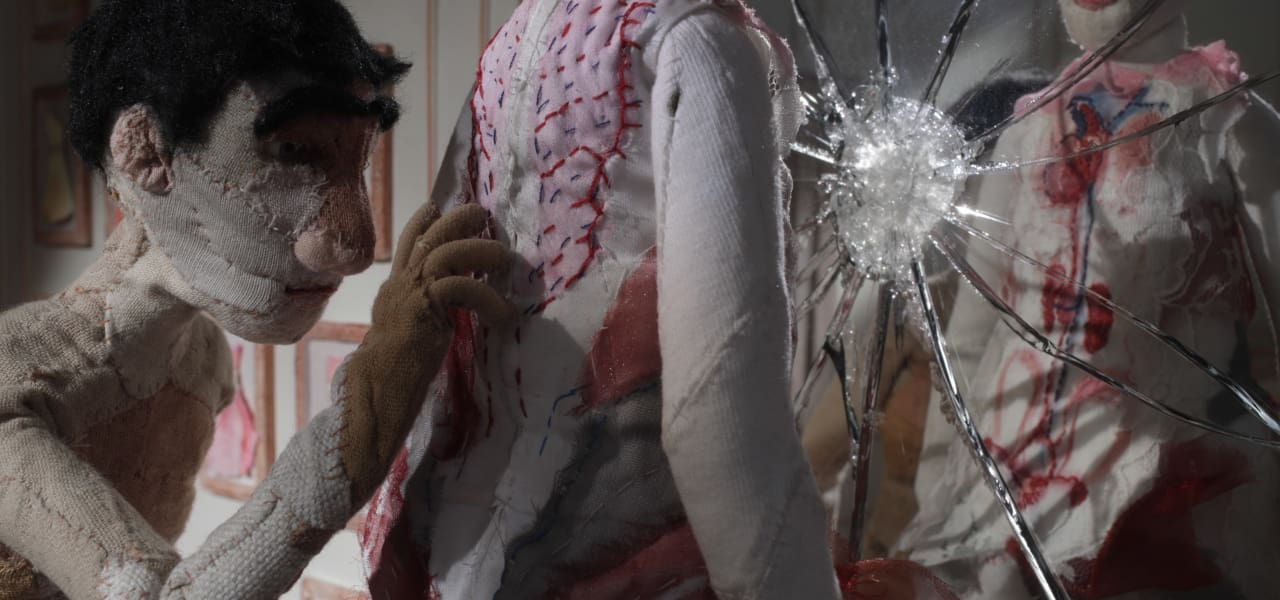
Production of the short required a meticulous approach to stop-motion, a medium chosen specifically for its physical weight and presence. Hérissé notes that the choice of stop-motion was not merely aesthetic but essential to the film’s thematic integrity. In the world of animation, where the director exercises absolute control over every frame, the medium itself mirrors the film’s central theme: the desperate, often destructive desire for control over one’s surroundings and legacy.
Chronology of Recognition
The trajectory of The Flesh Dress has been marked by a series of critical milestones that solidified its standing in the international festival circuit:
- Mid-2026: Completion of final post-production and initial festival submissions.
- August 2026: World premiere and critical reception at European genre film festivals, establishing a reputation for technical precision.
- September 2026: Official selection at various qualifying festivals, building momentum for the awards season.
- October 2026: Winning Best Animation at the LA Shorts International Film Festival, which formally qualified the film for the 99th Academy Awards (2027).
- November 2026: Wide exposure through industry spotlights, including widespread critical analysis of its contribution to contemporary French stop-motion.
Technical Innovations in Stop-Motion
The visual impact of The Flesh Dress relies heavily on advanced pre-visualization techniques. Hérissé implemented a workflow that utilized real-time 3D environments to construct animatics before a single frame was captured on the physical set. This allowed the production team to choreograph elaborate camera movements and define precise editing rhythms that are notoriously difficult to achieve in traditional frame-by-frame animation.
The challenge of making fabric behave like skin—a process that requires constant manipulation of physical materials—was managed by a dedicated team of animators and technical designers. The "flesh" seen on screen is a synthesis of textile artistry and digital lighting, creating a hybrid aesthetic that forces the audience to question where the garment ends and the body begins. This technical feat is being cited by industry peers as a high-water mark for puppet-based animation, comparable to the standards set by masters of the craft such as the Brothers Quay or Jan Švankmajer.

Theoretical Foundations and Thematic Implications
At the heart of the film lies a critique of the "creator complex"—the tendency for artists, particularly men, to project their insecurities onto their work, often at the expense of others. Hérissé has been vocal about his intent to use the film as a vehicle for catharsis. By externalizing the fear of aging, he seeks to dissect the roots of dominance and control that he perceives in creative industries.
"The fear of aging is one of the driving forces behind many behaviors of domination," Hérissé explained in recent interviews. By dramatizing the tailor’s descent into obsession, the film interrogates whether the act of creation is a way to preserve one’s humanity or a way to replace it. This analysis of bodily anxiety is not merely metaphorical; it is presented with a grounded, physical intensity that makes the viewer uncomfortable, forcing them to engage with the reality of mortality.
Industry Response and Broader Impact
The reception of The Flesh Dress signals a broader trend in the animation industry: the increasing viability of mature, horror-adjacent, and psychological storytelling in the short film format. While the animation sector has long been associated with family-friendly content, festivals and award bodies are increasingly recognizing the capacity of stop-motion to address complex, adult-oriented themes.
Industry analysts suggest that The Flesh Dress represents a significant contribution to the current French animation renaissance. The collaboration between Komavé and visionary artists like Bordereau highlights the importance of institutional support for independent, auteur-driven projects. By providing the resources for unconventional visual storytelling, French production houses are fostering a niche that is gaining traction among global audiences who are looking for animation that challenges established norms.
Implications for the 2027 Oscars
With its qualification for the 2027 Academy Awards, The Flesh Dress enters a highly competitive field. The category for Best Animated Short Film is historically one of the most volatile, often favoring films that balance technical innovation with deep emotional resonance.
The film’s success at LA Shorts is a key indicator of its appeal to voting bodies, which typically value clear directorial vision and unique technical execution. If the film continues its current momentum, it could serve as a case study for how small-scale, deeply personal projects can navigate the path to international recognition. The film’s ability to spark "deep discussions" during screenings suggests that it has the potential to leave a lasting impact on voters, even if its subject matter is far removed from the mainstream.
Conclusion
The Flesh Dress stands as a testament to the power of stop-motion as a medium for psychological exploration. By refusing to shy away from the grotesque, Joachim Hérissé has created a piece of art that demands attention and reflection. As the 2027 awards season approaches, the film’s blend of textile innovation, rigorous technical discipline, and philosophical depth positions it as a significant work in the landscape of contemporary independent cinema. Whether or not it secures a final nomination, the film has already achieved its primary goal: to give form to the invisible anxieties of the human condition and to contribute to a necessary conversation about the cost of creation.