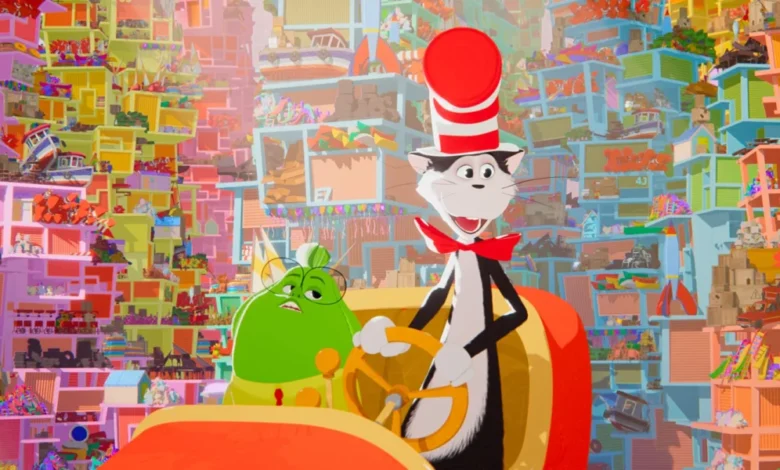
The new animated iteration, featuring Bill Hader as the voice of the titular feline, represents a departure from previous attempts to capture Seuss’s chaotic energy. By utilizing the technical expertise of DNEG Animation, the production team—led by co-directors Erica Rivinoja and Alessandro Carloni—has sought to bridge the gap between traditional 2D aesthetic sensibilities and contemporary 3D rendering. This strategic pivot aims to satisfy a modern audience raised on rapid-fire digital content while maintaining the visual integrity of Geisel’s original ink-and-watercolor illustrations.
A Chronology of the Production
The journey to bring this specific adaptation to fruition has been deliberate and methodical. After securing the rights in 2018, Warner Animation Group spent several years in the development phase, seeking a narrative structure that could expand upon the book’s singular, contained setting. The appointment of Rivinoja and Carloni marked a turning point, as both brought extensive experience in world-building through successful franchises like Cloudy with a Chance of Meatballs and Kung Fu Panda.
By 2024, the production shifted into high gear as DNEG Animation joined the team. The collaboration focused on a "fresh interpretation," intentionally moving away from the live-action pitfalls of the past. The timeline of production saw the team move from script development—focused on expanding the lore of the Cat as a professional entertainer—to a rigorous period of visual experimentation. This culminated in the final product scheduled for wide release, which seeks to reconcile the static, flat nature of the 1957 book with the dynamic requirements of a modern, feature-length narrative.
Narrative Expansion and Modernization
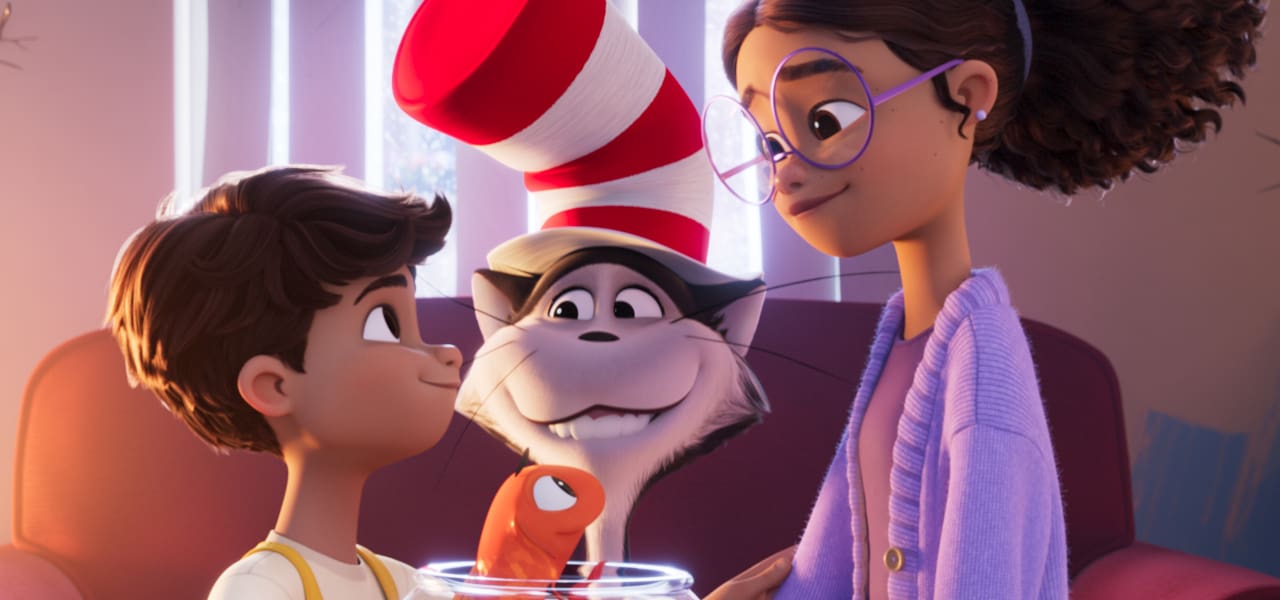
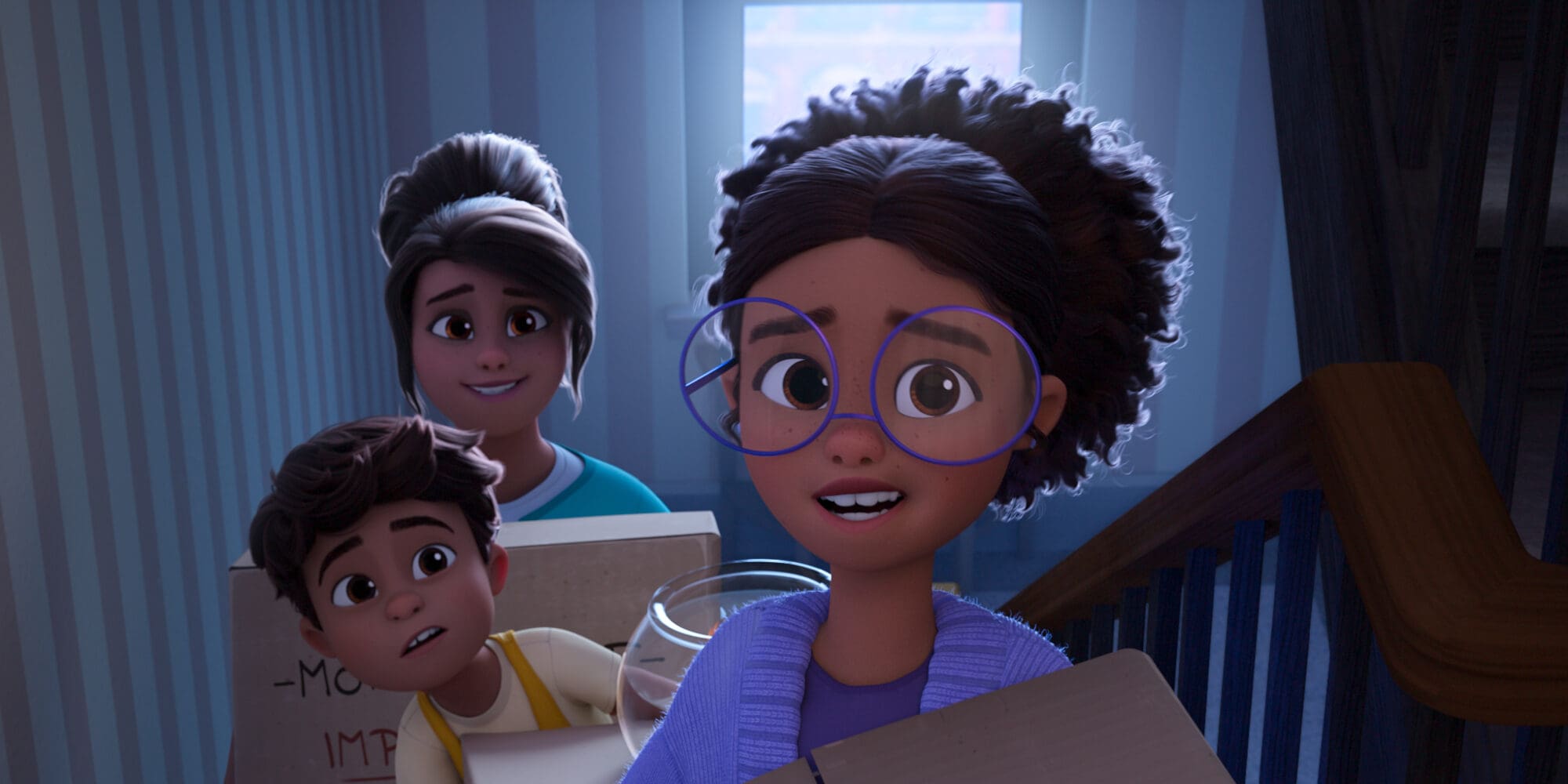
One of the primary challenges identified by the production team was the inherent brevity of the source material. The original book spans only a few rooms and a single afternoon, focusing on the interaction between two children, Sally and her brother (now named Sebastian), and the disruptive Cat. To translate this into a 90-minute feature, the directors opted to introduce the "Something"—a predatory, antagonistic force—and a wider, more diverse community of "Things."
This expansion serves a thematic purpose. According to the directors, the film aims to address the modern phenomenon of digital overstimulation. While the children in the 1957 book were bored due to a lack of activity, the children in this adaptation are portrayed as being overwhelmed by screens and social media. The Cat, in this context, serves as a catalyst for "reconnection," acting as a force of nature that disrupts the digital numbness of the modern household. This narrative shift effectively updates the subtext of the story for a 2026 audience without losing the core Seussian spirit of controlled chaos.
Technical Innovations in Animation
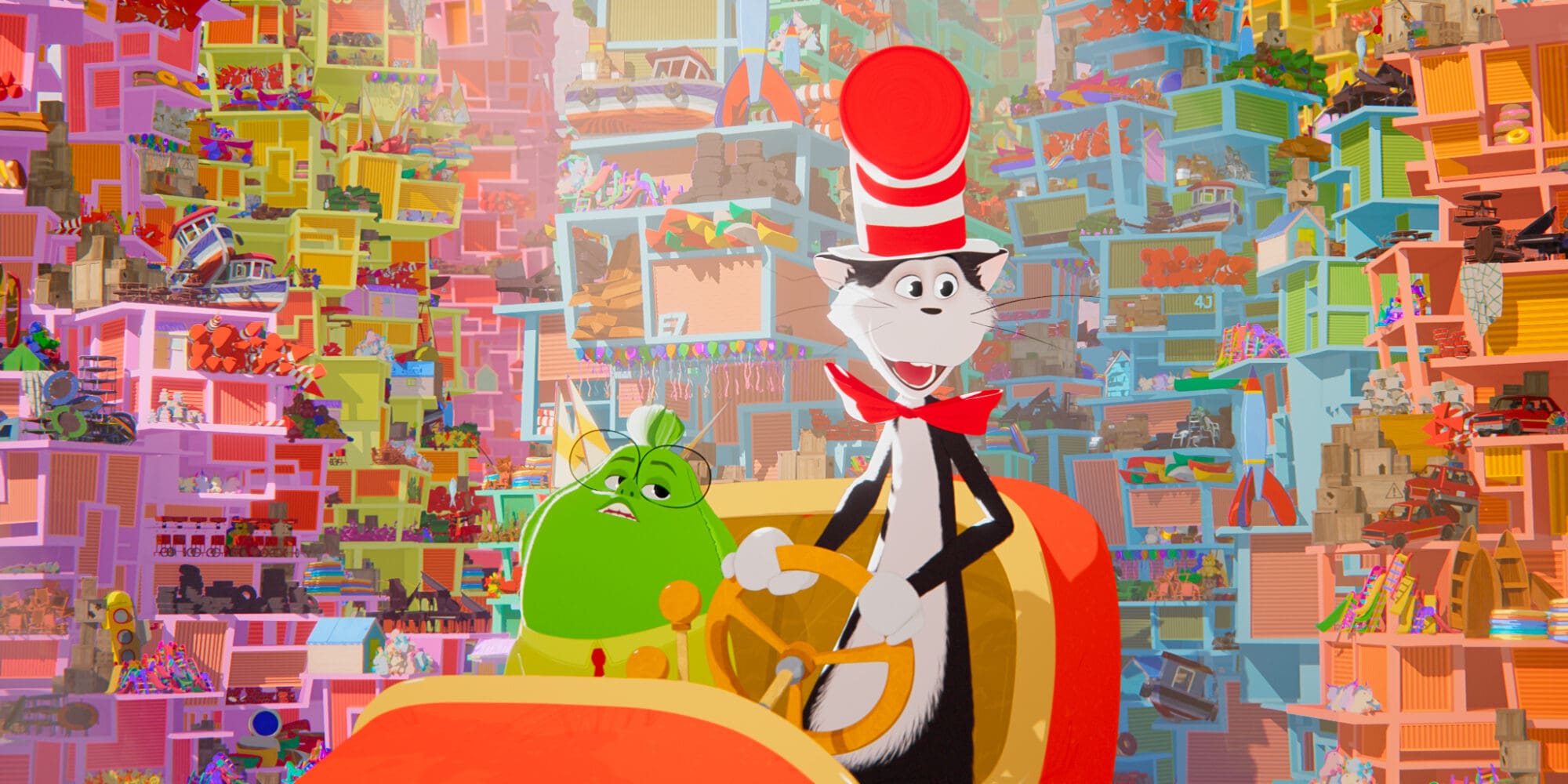
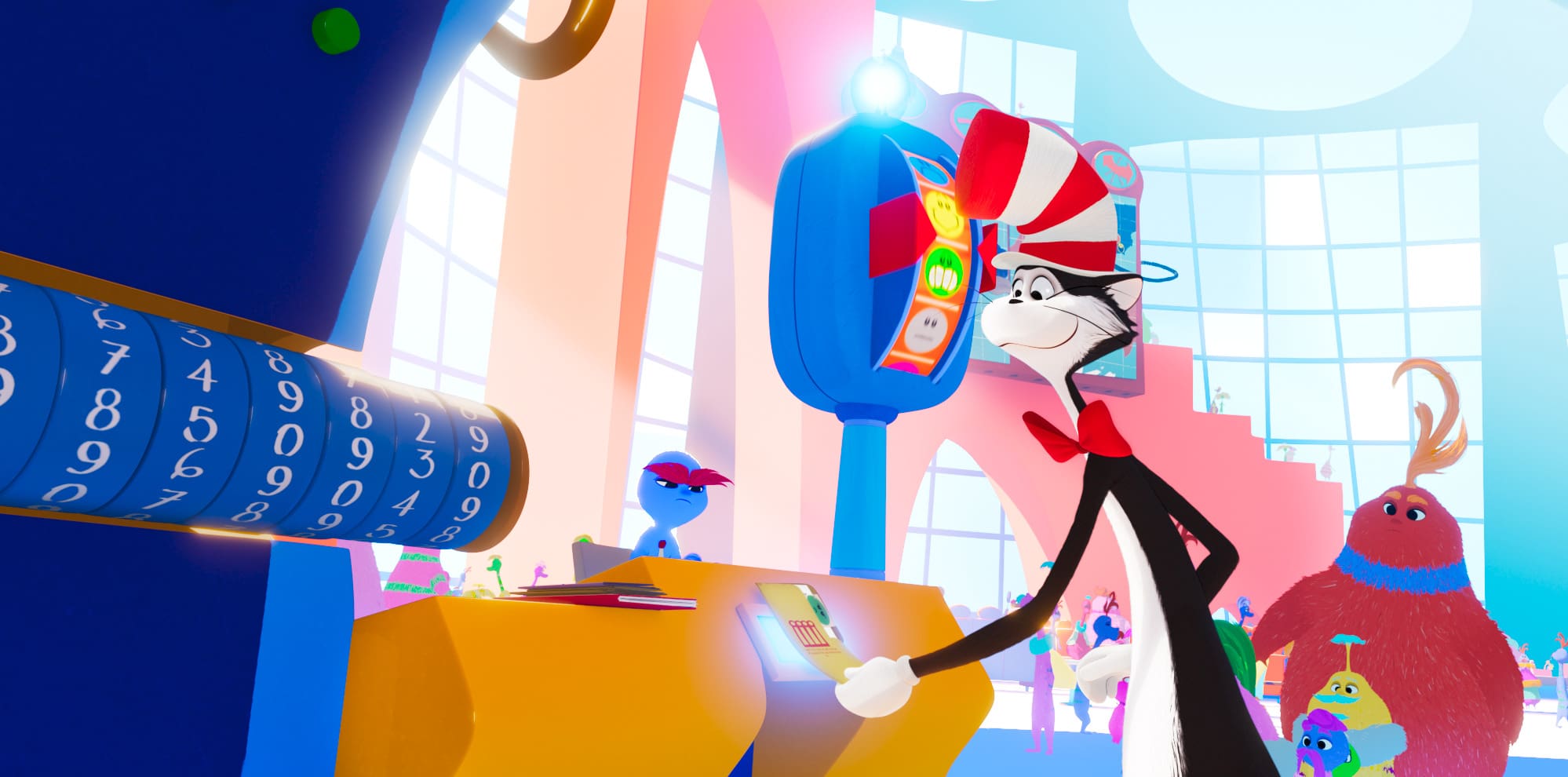
The visual language of the film represents a departure from standard computer-generated (CG) house styles. The production team, including visual effects supervisor Matt Waters and production designer Aidan Sugano, prioritized a "tactile" feel. By incorporating elements such as print offset marks and subtle paper textures, the film leans into the look of a printed page coming to life.
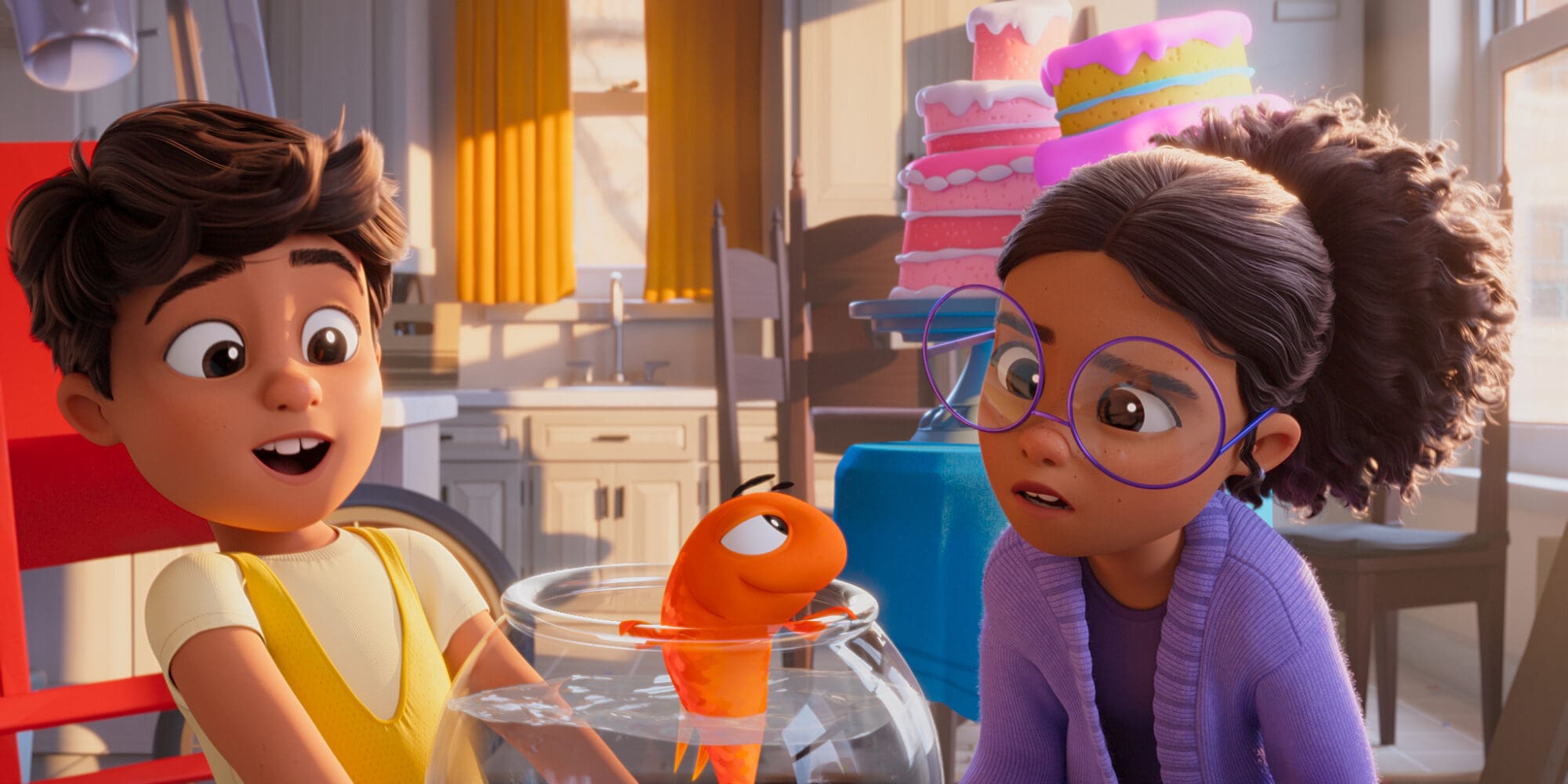
A significant technical hurdle was the handling of light and occlusion. To avoid the appearance of traditional "toon shading"—which can sometimes flatten characters too much—the team developed a hybrid approach. They stripped away global occlusion to achieve a clean, simplified look, then carefully reintroduced light sources to provide depth. This technique is particularly evident in scenes featuring the antagonist Mr. Hoogeboom, where the bounce of light off surfaces provides a 3D quality that defies easy categorization as either traditional or digital animation. This deliberate ambiguity is a point of pride for the directors, who intended to create a visual style that feels both nostalgic and cutting-edge.
The Evolution of the "Things"
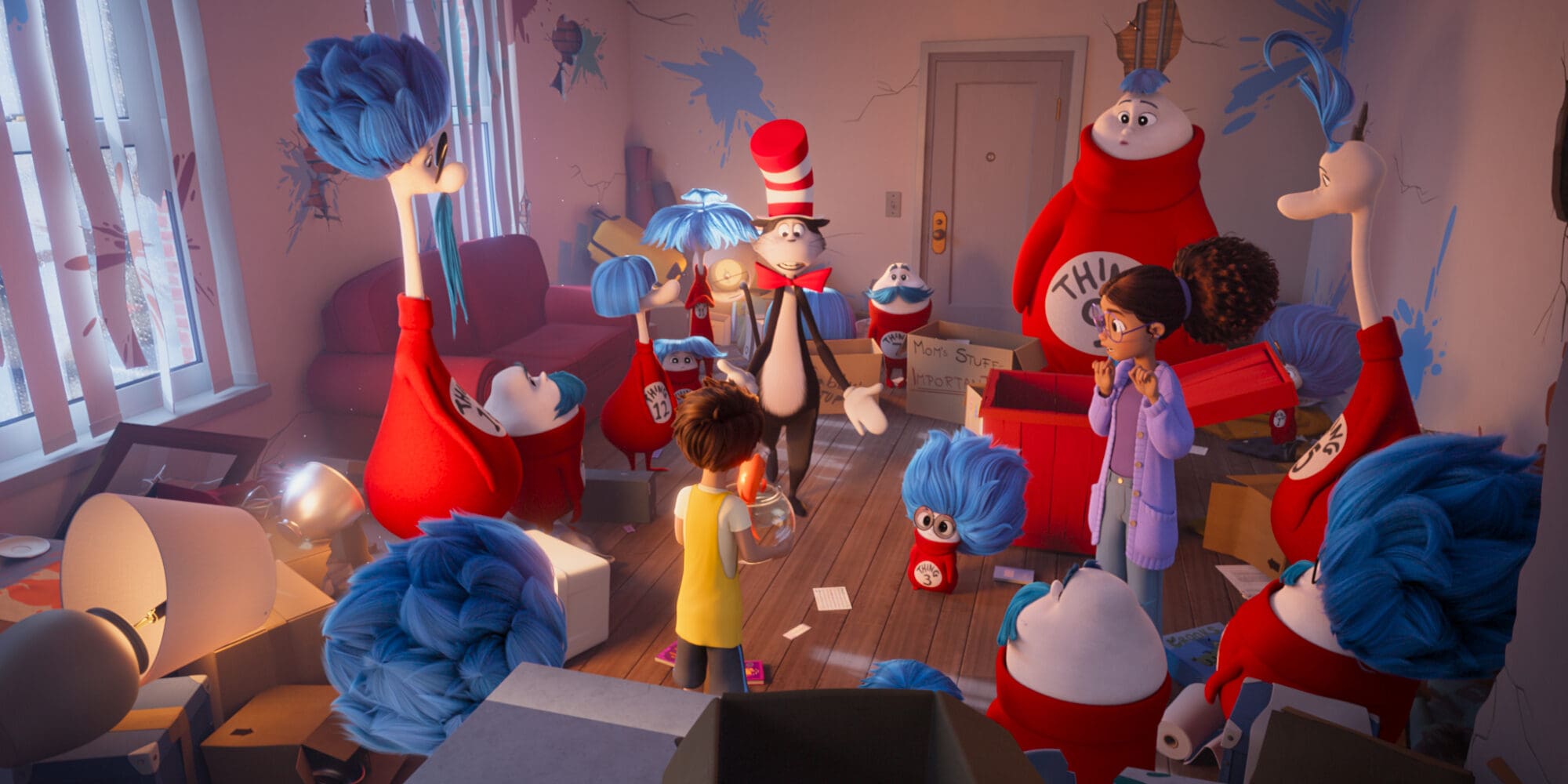
The decision to expand the population of "Things" was initially met with caution, given the iconic status of Thing 1 and Thing 2. However, with the backing of Dr. Seuss Enterprises, the directors implemented a diverse array of numbered creatures, each with distinct designs. The primary hurdle was defining their role in the narrative, as they could not simply be agents of random, nonsensical chaos.
The breakthrough occurred when the team developed a "percussive, nonverbal language" for the creatures. By hiring choreographer Christopher Scott and working with performers from diverse movement backgrounds—including b-boys, krumpers, and ASL-fluent dancers—the team created a rhythmic, physical communication style. This decision turned the "Things" from background props into active participants in the plot, particularly during their interaction with the family goldfish, voiced by Matt Berry. The success of these sequences led the studio to increase the presence of these characters in the film’s final act, demonstrating the value of iterative creative development.
Market Implications and Cultural Impact
The release of this film occurs in a complex media landscape where established intellectual property (IP) is the primary driver of box office success. However, the legacy of Dr. Seuss is often a double-edged sword; while the brand is globally recognized, it is also subject to intense scrutiny regarding the fidelity of adaptations. By focusing on a "painterly" aesthetic that acknowledges the physical medium of the book, Warner Animation Group is attempting to insulate the film from the "uncanny valley" criticisms that often plague live-action or hyper-realistic CGI adaptations of classic literature.
Industry analysts note that this film acts as a barometer for how legacy animation properties can be revitalized for a generation accustomed to non-linear storytelling and high-velocity digital media. The strategic inclusion of high-profile voice talent such as Bill Hader and Giancarlo Esposito suggests a dual-appeal strategy, targeting the children who are the primary audience of the source material and the parents who grew up with the books.
Looking Ahead
The collaborative effort between DNEG Animation and the directing duo of Rivinoja and Carloni underscores a shifting trend in the animation industry: the move away from uniform, "shiny" 3D towards stylized, artisanal aesthetics. Whether this stylistic choice will resonate with the mass market remains to be seen, but the commitment to "shape language" and the intentional avoidance of traditional CG tropes indicate a high level of creative risk-taking.
As the film prepares to enter the marketplace, the focus remains on the emotional arc of the characters. The directors have emphasized that, despite the technical wizardry and the massive expansion of the Seuss universe, the film’s success will ultimately be measured by its ability to create a lasting connection between the audience and the characters. In the words of Carloni, the transition from writing a character to "meeting" them is the ultimate goal of the filmmaker. If this adaptation succeeds in making audiences feel that they have truly encountered the Cat in a way that respects the 1957 original while feeling vital for 2026, it will likely be viewed as a milestone in the long history of Seussian adaptations.