The Legend of Zelda: Ocarina of Time Remake Brings a Gaming Masterpiece to the Modern Era

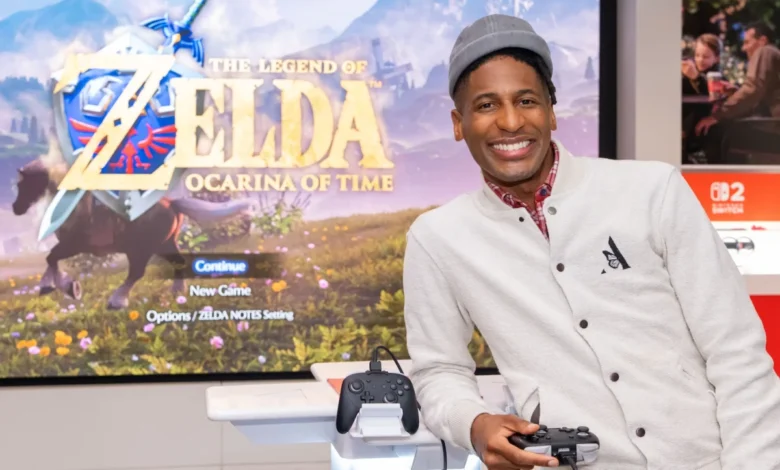
The gaming industry is witnessing a significant milestone as Nintendo officially releases the highly anticipated remake of The Legend of Zelda: Ocarina of Time. Designed exclusively for the Nintendo Switch 2 hardware, this reimagined title seeks to bridge the gap between the nostalgic roots of the 1998 Nintendo 64 classic and the advanced technical capabilities of contemporary gaming consoles. Initial critical reception has been overwhelmingly positive, suggesting that the studio has successfully navigated the precarious balance of modernizing a legacy title without stripping away the core elements that solidified its status as one of the greatest video games ever made.
The Historical Significance of Ocarina of Time
To understand the gravity of this release, one must contextualize the original 1998 launch. When The Legend of Zelda: Ocarina of Time first debuted on the Nintendo 64, it was more than just a software update; it was a paradigm shift for 3D game design. By introducing innovative mechanics such as Z-targeting (the ability to lock onto an enemy in a 3D space) and a sophisticated context-sensitive button system, the game provided a blueprint for the action-adventure genre that remains in use today.
The game follows the journey of Link, a young boy from the Kokiri Forest who discovers his destiny as the Hero of Time. Tasked with protecting the kingdom of Hyrule from the machinations of the Gerudo king, Ganondorf, the player navigates a sprawling world filled with dungeons, environmental puzzles, and a narrative that spans several years of in-game time. For many, the original title served as an introduction to high-fantasy storytelling, characterized by a hauntingly beautiful score composed by Koji Kondo.
A New Chapter for the Nintendo Switch 2
The transition of such a seminal title to the Nintendo Switch 2 platform represents a major strategic move for Nintendo. By leveraging the increased processing power, graphical fidelity, and advanced haptic feedback of the new console, developers have been able to overhaul the game’s aesthetic while maintaining the original geometry and layout that fans recognize.
During an exclusive launch event held at the Nintendo store in New York, musician and dedicated Nintendo fan Jon Batiste shared his early impressions of the remake. Batiste, who has been vocal about the profound influence the original soundtrack had on his own musical career, noted that the remake manages to retain the "essence" of the 1998 experience while integrating subtle, welcome surprises.
"I’ve gotten to play the new one, and I haven’t finished it, but you can sense that there may be some twists, some surprises that are welcome, but it’s not gonna be completely different," Batiste stated. "That’s to its credit. That’s the way a melody or a musical movement, it inspires that generation and you pass it on to the next generation and they take the essence of what resonates for them, but then it’s also got some other things that make it really of the now."
Chronology of the Zelda Franchise
The trajectory of the Zelda series is marked by consistent innovation, yet few entries have reached the cultural ubiquity of Ocarina of Time.
- 1986: The original The Legend of Zelda is released for the Nintendo Entertainment System, introducing non-linear exploration.
- 1991: A Link to the Past refines the top-down formula on the Super Nintendo.
- 1998: Ocarina of Time debuts, successfully transitioning the franchise into full 3D.
- 2011: Nintendo releases an enhanced version for the 3DS, marking the first time the game received a significant visual update.
- 2024: The Nintendo Switch 2 remake launches, featuring a complete graphical overhaul and modern quality-of-life adjustments.
This latest release serves as a bridge, connecting a generation of gamers who grew up with CRT televisions and cartridge-based media to a modern audience accustomed to 4K resolutions and seamless, high-frame-rate performance.
Musical Influence and the Koji Kondo Legacy
For professional musicians like Batiste, the auditory experience of the Zelda series is as vital as the gameplay. The score of Ocarina of Time, largely defined by the recurring motif of the Ocarina instruments, created a sense of atmosphere that was previously impossible in early gaming.
"One of the things that I loved about many of the games that we played was the scores," Batiste remarked. "I started to even play those scores on instruments when I was getting to the age of us really getting into music. So this was the game that opened my mind to the possibility of what peak gameplay could be… it’s like, oh yeah, I’m trying to find that feeling again. That’s the vibe, and now it’s coming back."
The preservation of Koji Kondo’s original compositions—reimagined with modern orchestration—is a centerpiece of this remake. Experts note that the game’s sound design played a critical role in pacing, signaling to players when they were entering a dangerous area or when a puzzle solution was near, a technique that remains a standard in current game design.
Industry Implications and Market Impact
The decision to remake Ocarina of Time for the Switch 2 carries significant weight within the gaming industry. As remakes become an increasingly popular way for publishers to mitigate the high costs of modern game development, the success of this title will likely dictate future efforts.
Data from the past decade indicates that nostalgia-driven releases perform exceptionally well. Remakes of titles like Resident Evil 2 and Final Fantasy VII have proven that there is a massive appetite for modernized classics. However, these projects are fraught with risk; changing too much can alienate the original fanbase, while changing too little can make the product feel dated. Nintendo’s approach appears to be a "fidelity-first" model, where the underlying logic and design of the game remain untouched, while the visual and auditory presentation are brought to current industry standards.
Furthermore, the integration of the title into the Switch 2 library acts as a powerful anchor for the console’s launch lineup. By pairing a piece of high-value intellectual property with new hardware, Nintendo is ensuring that both long-term loyalists and newcomers to the brand have an immediate reason to invest in the system.
The Evolution of Open-World Design
While Ocarina of Time is often retrospectively described as an "open-world" game, it is technically an action-adventure title with interconnected, large-scale zones. Batiste highlighted this distinction during his reflections, noting that the game taught players how to blend different types of experiences.
"It feels like you’re in a universe all its own, and there’s this sort of open world that it blends things that I loved about games that I played before," Batiste observed. "There’s this sort of open-world RPG, but not, but action-adventure that Ocarina of Time introduces to the canon and it makes you realize that you can blend this sort of gameplay and more."
This hybrid design philosophy paved the way for future Zelda titles, such as Breath of the Wild and Tears of the Kingdom, which fully realized the open-world potential that Ocarina of Time first hinted at decades ago. By re-releasing the foundation of this design language, Nintendo is providing a history lesson in game development that serves both as a retrospective and a celebration of the mechanics that define the medium.
Conclusion: A Legacy Reclaimed
As the initial wave of reviews continues to roll in, the consensus remains that this remake is a triumph of preservation. It does not attempt to reinvent the wheel, but rather to polish the spokes so that the wheel turns more smoothly than ever before. For a generation that remembers the specific tactile feel of the Nintendo 64 controller and the excitement of exploring Hyrule for the first time, this release offers a unique opportunity to revisit a seminal moment in their own personal history.
Whether the title will achieve the same longevity as the 1998 original remains to be seen, but the early signs suggest that Nintendo has once again succeeded in ensuring that the Legend of Zelda remains a living, breathing part of the cultural zeitgeist. By honoring the past while embracing the technical advancements of the future, the Ocarina of Time remake stands as a testament to the idea that truly great game design is, in fact, timeless.