Jonathan Garson To Succeed Jim Morris As Pixar President; Jonas Rivera Takes Expanded Creative Role

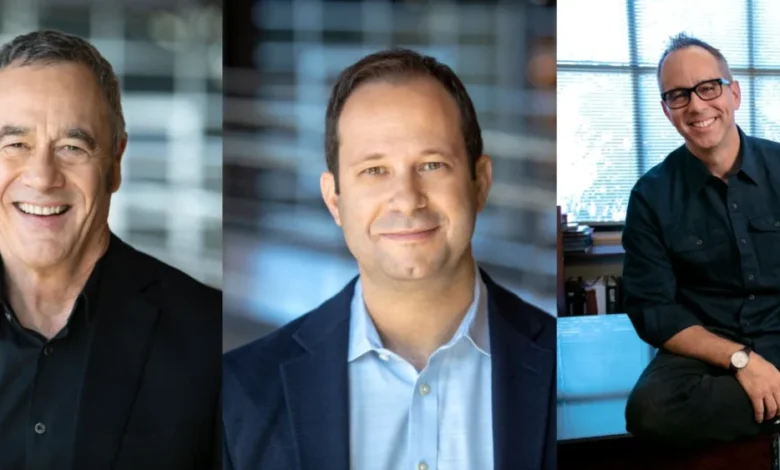
Pixar Animation Studios is set to undergo a significant executive restructuring effective January 4, 2027, signaling a new chapter for the legendary animation house. The leadership shift sees General Manager Jonathan Garson appointed as the studio’s new President, succeeding the long-serving Jim Morris. Simultaneously, veteran producer Jonas Rivera will transition into an expanded, high-level role as Executive Vice President of Creative, cementing a new creative partnership with Chief Creative Officer Pete Docter. This transition, described by Disney executives as a long-planned succession strategy, occurs as the studio navigates a complex period of post-pandemic recovery, evolving distribution models, and a recalibrated production philosophy.
Jim Morris, who has steered Pixar through some of its most transformative years since 2014, will transition to the role of President Emeritus. While he is stepping away from the daily rigors of studio operations, he will remain a vital presence at the company, focusing on talent mentorship, technology initiatives, and serving as an executive producer on the highly anticipated Incredibles 3.
A New Guard for a Legacy Studio
The appointment of Jonathan Garson marks a strategic move to blend institutional knowledge with operational efficiency. A veteran of the Walt Disney Company for over three decades, Garson joined Pixar in 2010. His tenure as general manager, preceded by a successful run leading the studio’s marketing and franchise strategy, provided him with an intimate understanding of the intersection between creative output and commercial viability. In his new capacity, Garson will report directly to Alan Bergman, Chairman of Disney Entertainment, Studios. His mandate is clear: oversee the complex machinery of production and operations, ensuring that the studio’s output remains aligned with Disney’s broader fiscal and strategic goals.
For Jonas Rivera, the promotion to Executive Vice President of Creative represents a homecoming to his roots. Having started his career in 1994 as Pixar’s first-ever production intern, Rivera has ascended to the pinnacle of the organization. His new role focuses exclusively on the creative engine of the studio. Working in tandem with Pete Docter, Rivera will now oversee the directors, creative VPs, development teams, and casting departments. By serving as an executive producer on every upcoming Pixar feature, Rivera is positioned to act as a primary creative steward, ensuring that the "Pixar DNA"—a hallmark of narrative and technical excellence—remains consistent across an increasingly competitive landscape.
Chronology of a Leadership Evolution
The transition follows a period of intense scrutiny and operational pivots for the Emeryville-based studio. To understand the gravity of these appointments, one must look at the timeline of the last decade:
- 2014: Jim Morris is appointed President of Pixar, inheriting a studio with a massive cultural footprint but facing new pressures from a rapidly changing theatrical market.
- 2010–2020: Under the combined leadership of Morris and creative directors, Pixar maintains its box office dominance while expanding its technical capabilities.
- 2022: Jonas Rivera is promoted to Executive VP of Film Production, signaling his growing influence over the studio’s operational flow.
- May 2024: Faced with the challenges of the streaming era and the fallout from the Covid-19 pandemic, Pixar implements the largest workforce reduction in its history, cutting approximately 175 jobs (14% of staff).
- 2025–2026: Disney enacts wide-ranging cost-cutting measures, pushing Pixar to adopt a "long and lean" production model.
- November 2026: The official announcement of the 2027 leadership succession is made, framing the future of the studio under Garson and Rivera.
- January 4, 2027: The new leadership team officially assumes their respective duties.
Supporting Data and Operational Shifts
The "long and lean" strategy mentioned by industry insiders marks a departure from the bloated production cycles of the late 2010s. Historically, a major Pixar production could require between 18,500 and 20,000 person-weeks of labor. Under the new operational guidelines established during the lead-up to this transition, future productions are capped at approximately 16,500 person-weeks.
This tightening of resources is not merely a cost-cutting measure; it is an attempt to foster a more sustainable, focused, and iterative creative environment. The studio’s recent success with Inside Out 2—which became the highest-grossing film in the studio’s history—demonstrated that the public appetite for Pixar’s core storytelling remains high. However, the pressure to replicate that success while maintaining profitability under the "long and lean" mandate will be the defining challenge for the Garson-Rivera-Docter trio.
Official Responses and Internal Sentiment
In a formal statement, Jim Morris expressed gratitude for his long tenure, acknowledging the profound shifts he oversaw. "Leading Pixar has been the privilege of a lifetime," Morris stated. "I’m honored to have been a steward of its legacy alongside extraordinary artists, storytellers, and technologists who keep redefining what animation can do." His move to President Emeritus is framed as a deliberate handoff, ensuring that the institutional memory remains intact while the studio pivots to its next phase.
Jonathan Garson, reflecting on his own trajectory, noted, "I still remember seeing Toy Story for the first time—never imagining I’d one day work at Pixar, let alone step into a leadership role such as this." His emphasis on "safeguarding this culture of quality" suggests that while operational efficiency is the priority, the studio’s core creative values are intended to remain shielded from the cold logic of purely spreadsheet-driven management.

Jonas Rivera echoed these sentiments, emphasizing the continuity of the studio’s history. "Ever since I walked through these doors as Pixar’s first production intern, this place, its people, and its stories have been my life’s work," he said. By pairing his deep institutional loyalty with a new, expansive creative brief, Rivera aims to bridge the gap between Pixar’s storied past and the technological demands of the future.
Broader Implications for the Animation Industry
The appointment of a general manager-turned-president like Garson reflects a broader trend in Hollywood: the shift of animation studios toward leaders who possess strong operational and logistical backgrounds. As animation production becomes increasingly complex, requiring integration with high-end technology and global distribution strategies, the "creative-only" leadership model of the past is being supplemented by executives who understand the intricacies of production pipelines.
Furthermore, the structure of the new leadership team—with Garson overseeing the "how" and Docter and Rivera overseeing the "what"—suggests a clear division of labor designed to prevent the internal bottlenecks that have plagued some animation studios in the recent past. By separating production operations from creative oversight, Pixar is attempting to create a more resilient structure that can withstand the volatility of the global box office.
As Pixar looks toward its upcoming slate, which includes Gatto (2027), Ghost Market (2028), and the highly anticipated Incredibles 3 (2028), the industry will be watching closely. These films will serve as the first real test of the new leadership’s ability to maintain high-quality output while adhering to the leaner production constraints that have been mandated by the studio’s parent company.
Ultimately, this transition represents more than just a change in personnel; it is a recalibration of Pixar’s identity. The studio is moving away from the era of massive, multi-year, resource-heavy projects and toward a more agile, focused approach. Whether this new leadership structure can balance the demands of fiscal discipline with the creative risks that made Pixar a household name remains the central question of this new era. With a blend of veteran creative talent and seasoned operations leadership, the studio appears to be positioning itself to survive—and potentially thrive—in a vastly different animation landscape than the one it helped create decades ago.