Roy From Space: The Unlikely Resurrection of Mexico’s Lost Animated Sci-Fi Odyssey

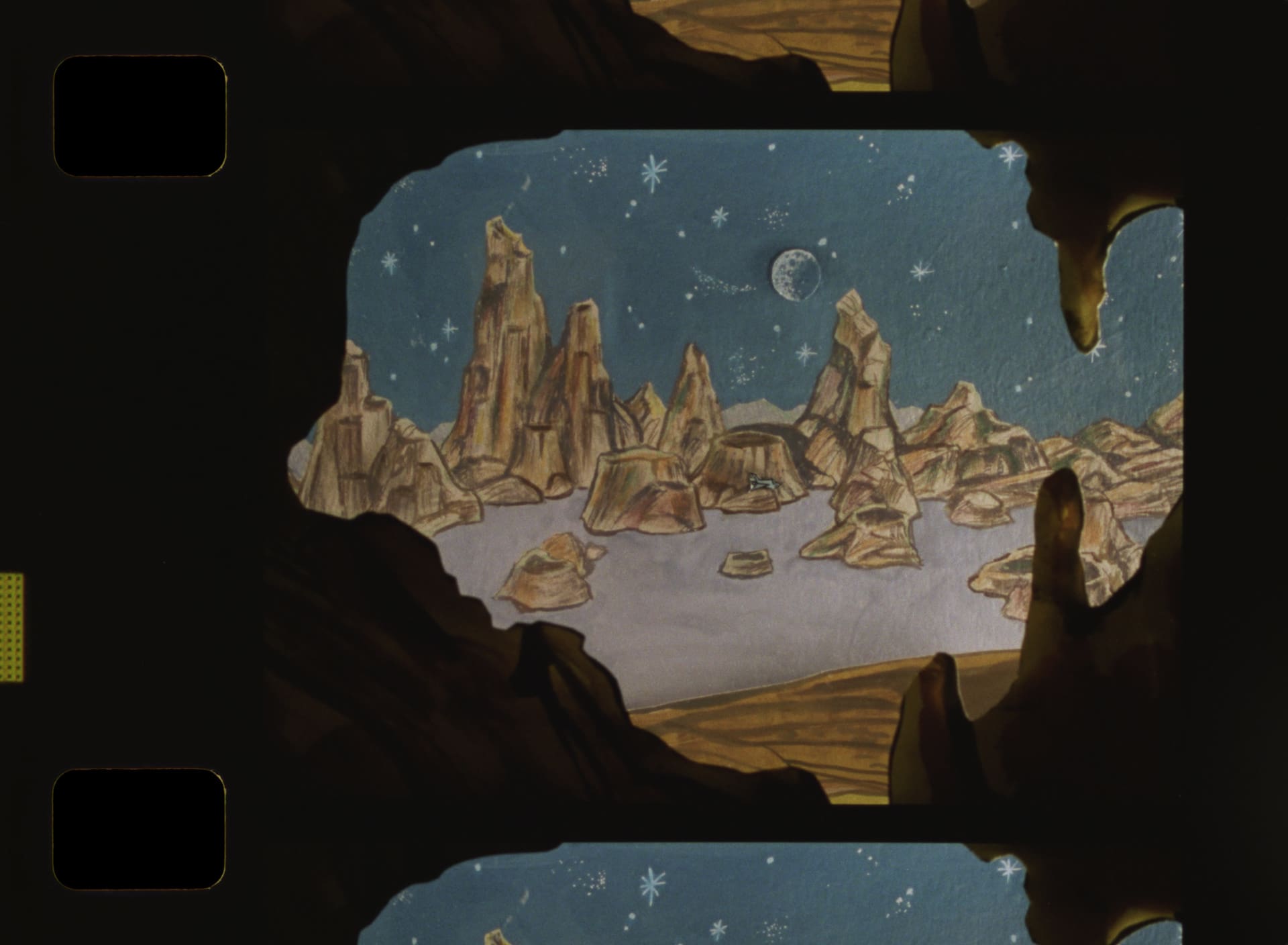
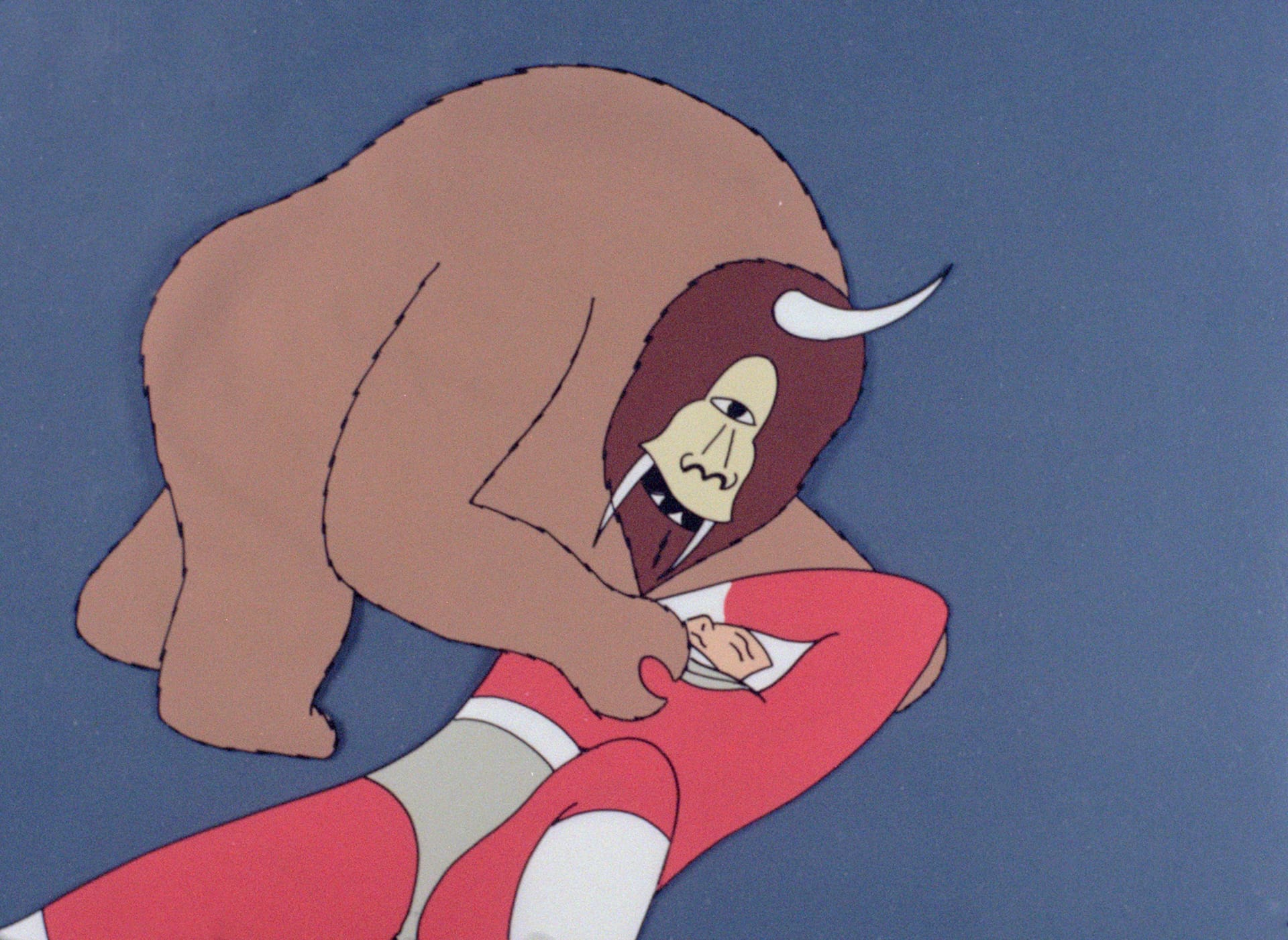
For more than four decades, the 1983 Mexican animated feature Roy del Espacio existed primarily as a phantom in the annals of cinema history—a project whispered about by collectors but rarely seen by the public. Following a brief and disastrous theatrical run in Mexico City in March 1983, the 64-minute science fiction adventure vanished from circulation, seemingly destined to be remembered only through a few grainy promotional stills and harsh critical retrospectives. However, a comprehensive restoration effort by the boutique label Deaf Crocodile has finally brought the film back into the light, revealing a fascinating, if technically flawed, piece of outsider art. By scanning the original 35mm negatives preserved at the Cineteca Nacional, archivists have not only saved the film but, in a highly unconventional move, commissioned new animation to replace unauthorized, infringing footage, effectively completing a work that had been in a state of suspended animation for over forty years.
A Timeline of Obscurity and Discovery
The production history of Roy del Espacio began in 1979, during a period when the Mexican animation industry was largely focused on commercials and short-form content rather than ambitious feature-length narratives. The film was spearheaded by director and cinematographer Héctor López Carmona, with executive production led by Ulises Pérez Aguirre and Rafael Ángel Gil. The premise—a classic pulp space opera featuring United Nations astronauts battling cosmic radiation from Mars—was intended to capitalize on the global science fiction boom of the late 1970s.
Despite the grand scope of the project, the production was plagued by a lack of resources and professional expertise. The crew consisted largely of teenagers and novices hired through a high-school job-placement program. According to archival records and interviews conducted by Colombian researcher Alejandro Vidal Charris, the team often relied on improvised techniques, including tracing frames from the 1936 Flash Gordon serial. The film’s theatrical premiere on March 3, 1983, served as its swan song; after debuting in twelve Mexico City theaters, the film was pulled from ten of those venues within forty-eight hours, with the remaining two dropping it by the following Wednesday. For the next thirty years, the film was considered lost media, until the discovery of the original negative in the possession of the producer’s family allowed for the current restoration project.
The Legal and Creative Challenge of Restoration
When Deaf Crocodile acquired the rights to the film, the initial scan of the 35mm negative revealed a significant legal and creative complication: the original filmmakers had lifted several minutes of live-action footage from Kinji Fukasaku’s 1978 Japanese film Message from Space without permission. Because the rights to this footage could not be secured for a new home video release, the restoration team faced a binary choice: excise the scenes and insert explanatory text cards, or find a way to maintain the narrative flow through new material.
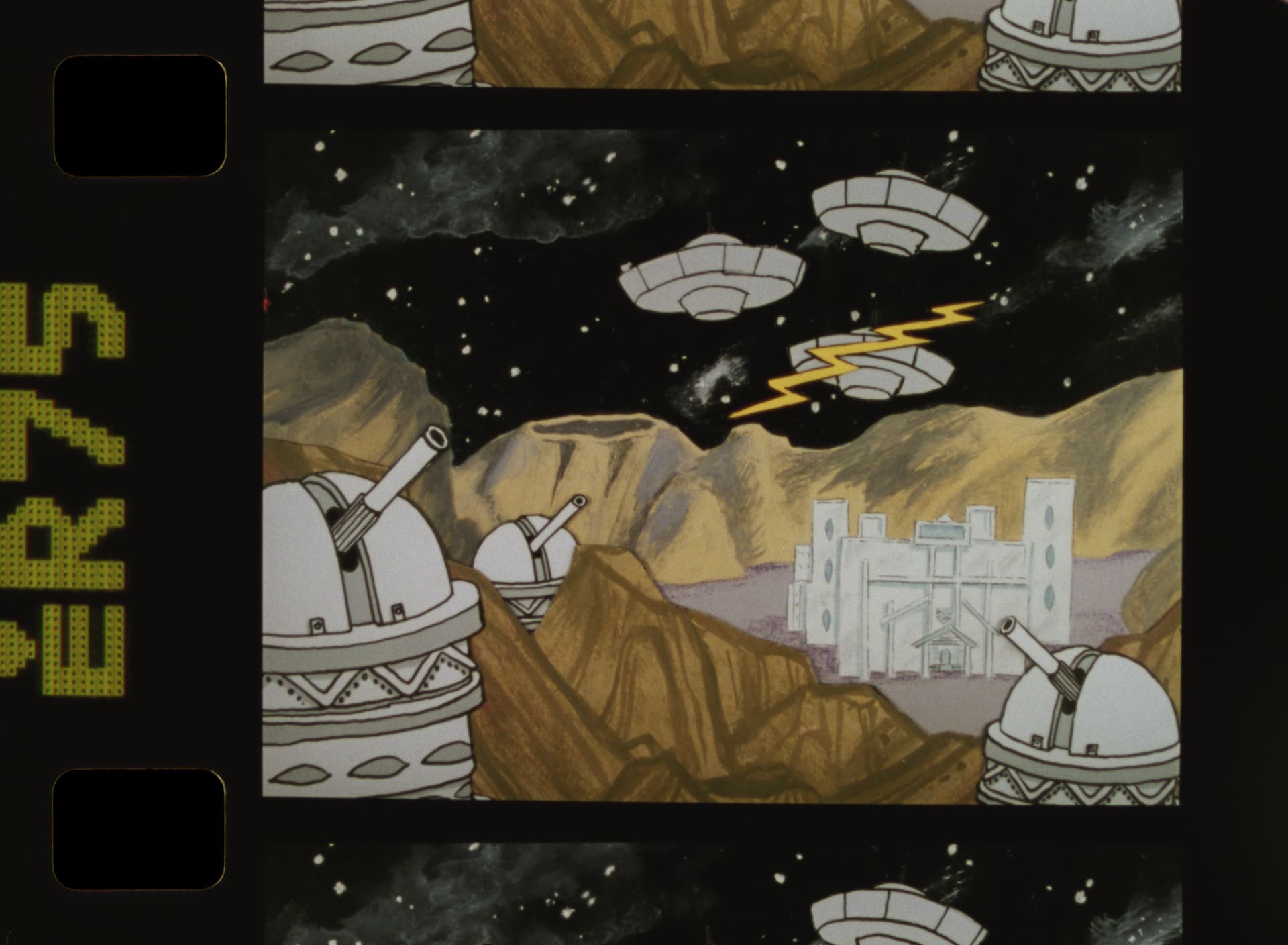
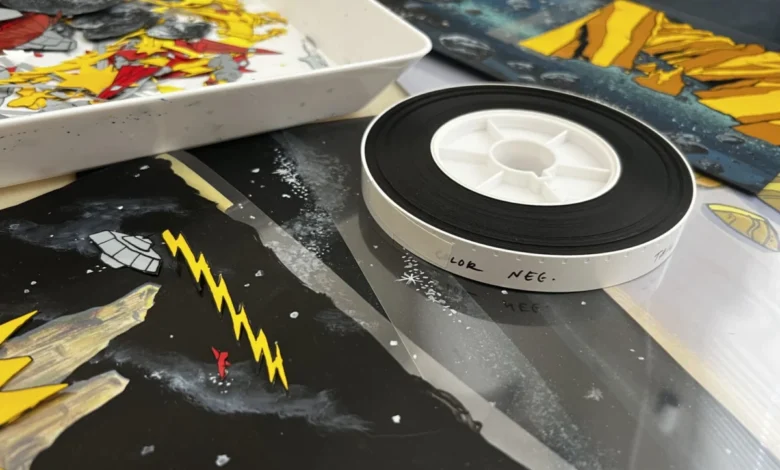
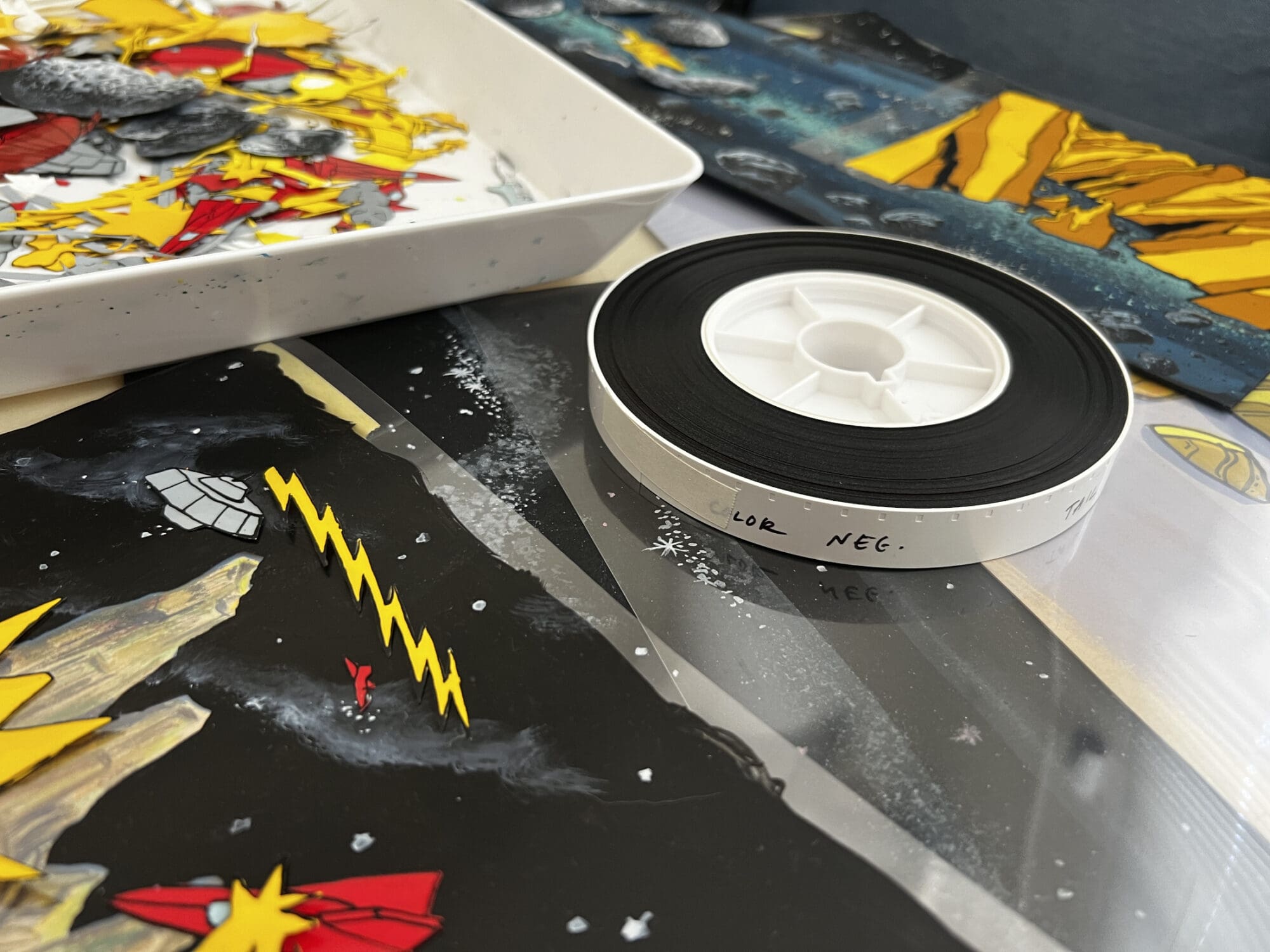
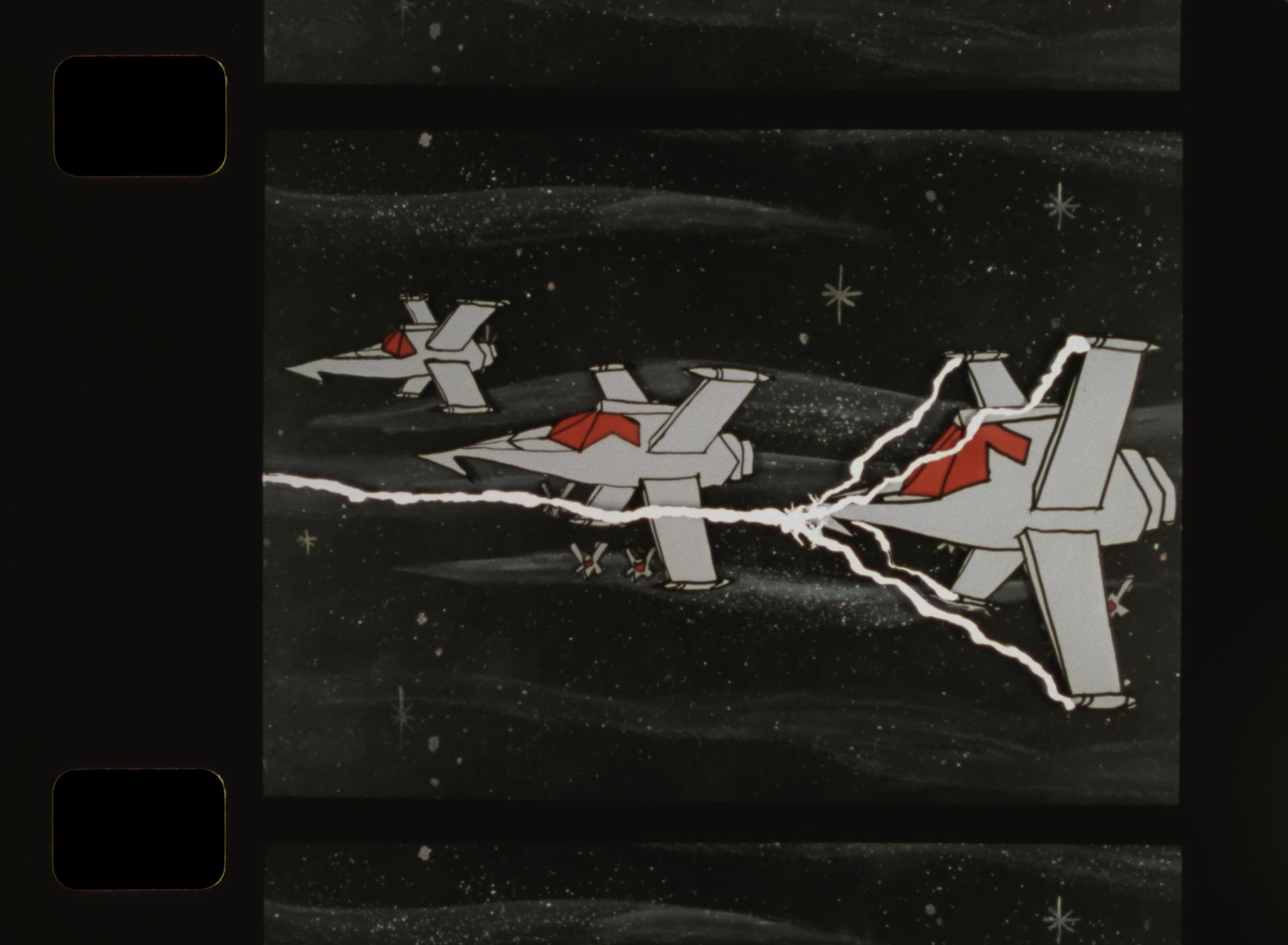
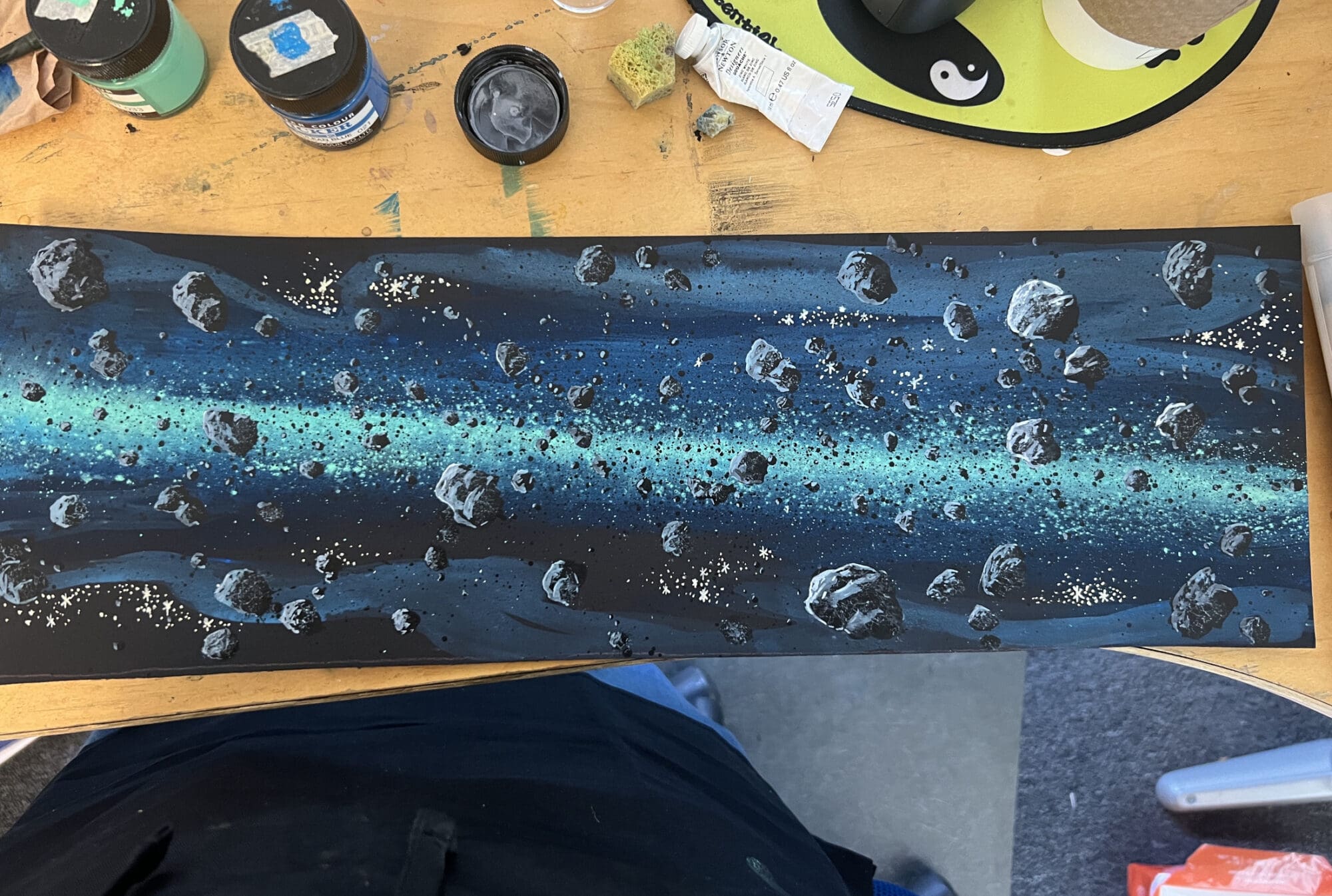
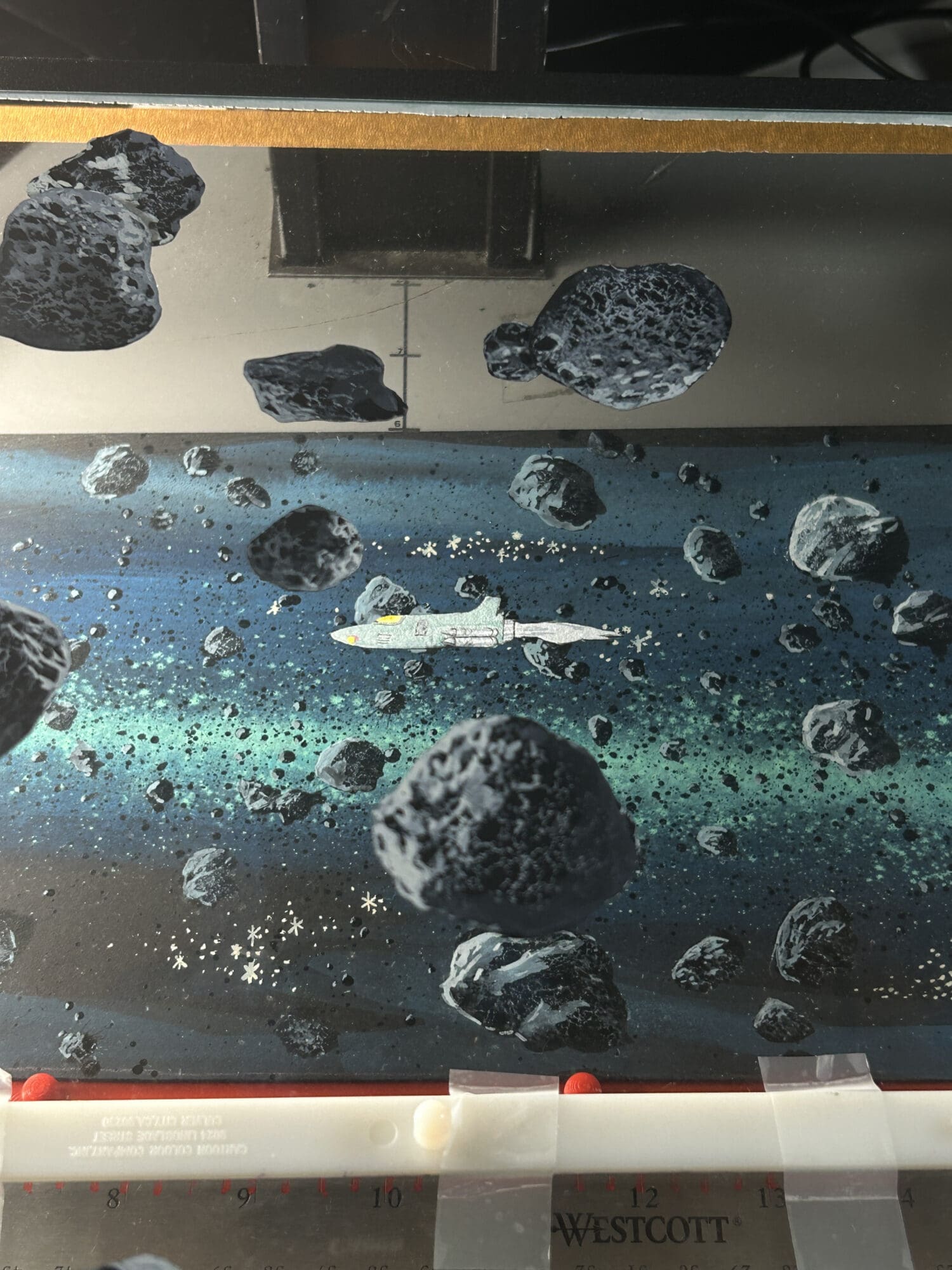
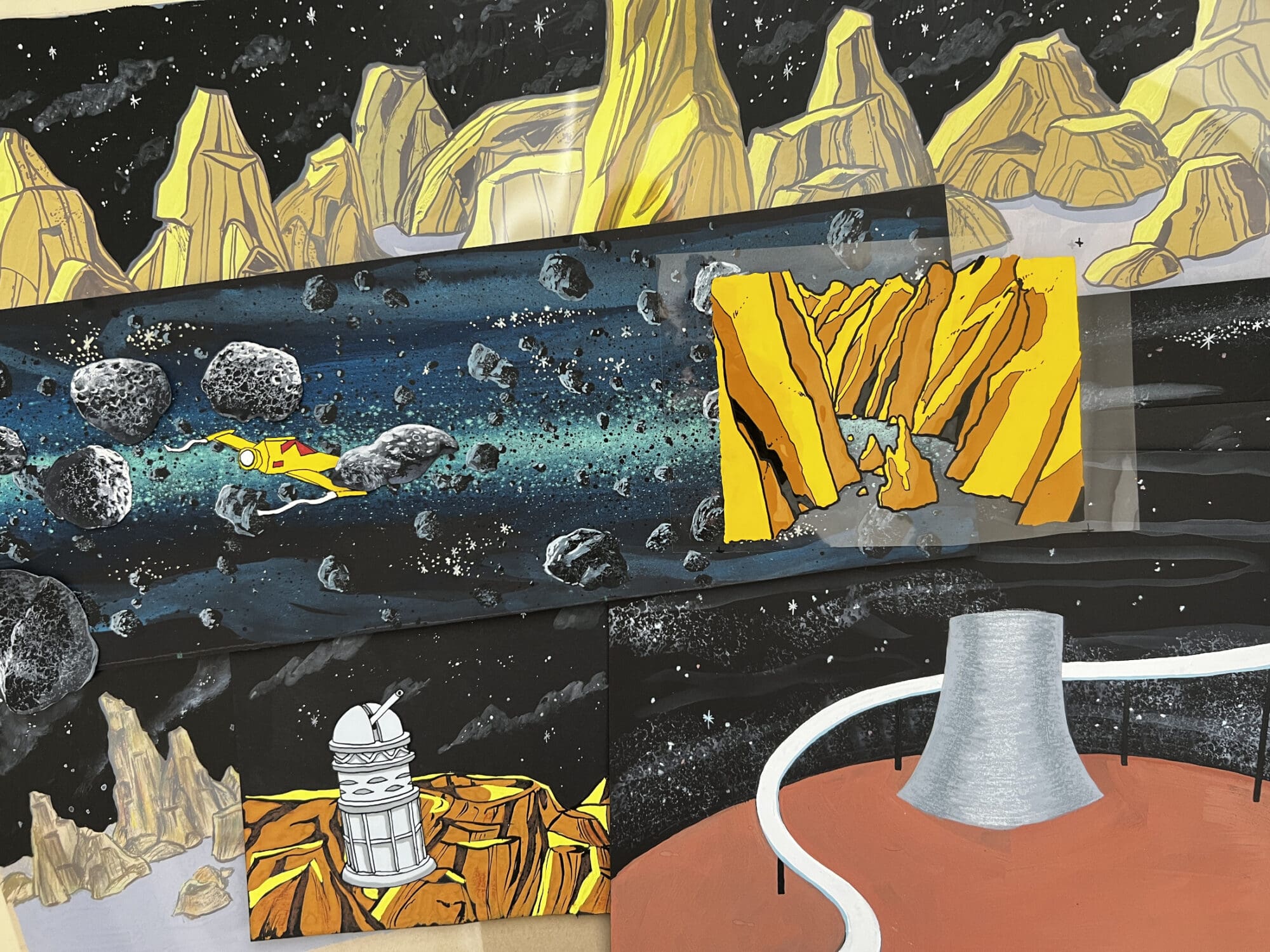
The label chose the latter, commissioning independent animators Isabelle Aspin and Brian Smee to produce roughly four and a half minutes of replacement footage. The challenge was not to modernize or "fix" the film, but to replicate the specific, tactile aesthetic of the original production. Aspin and Smee, known for their work on music videos and independent shorts, spent nearly a year studying the source material to create sequences that felt as though they had been part of the 1983 production.
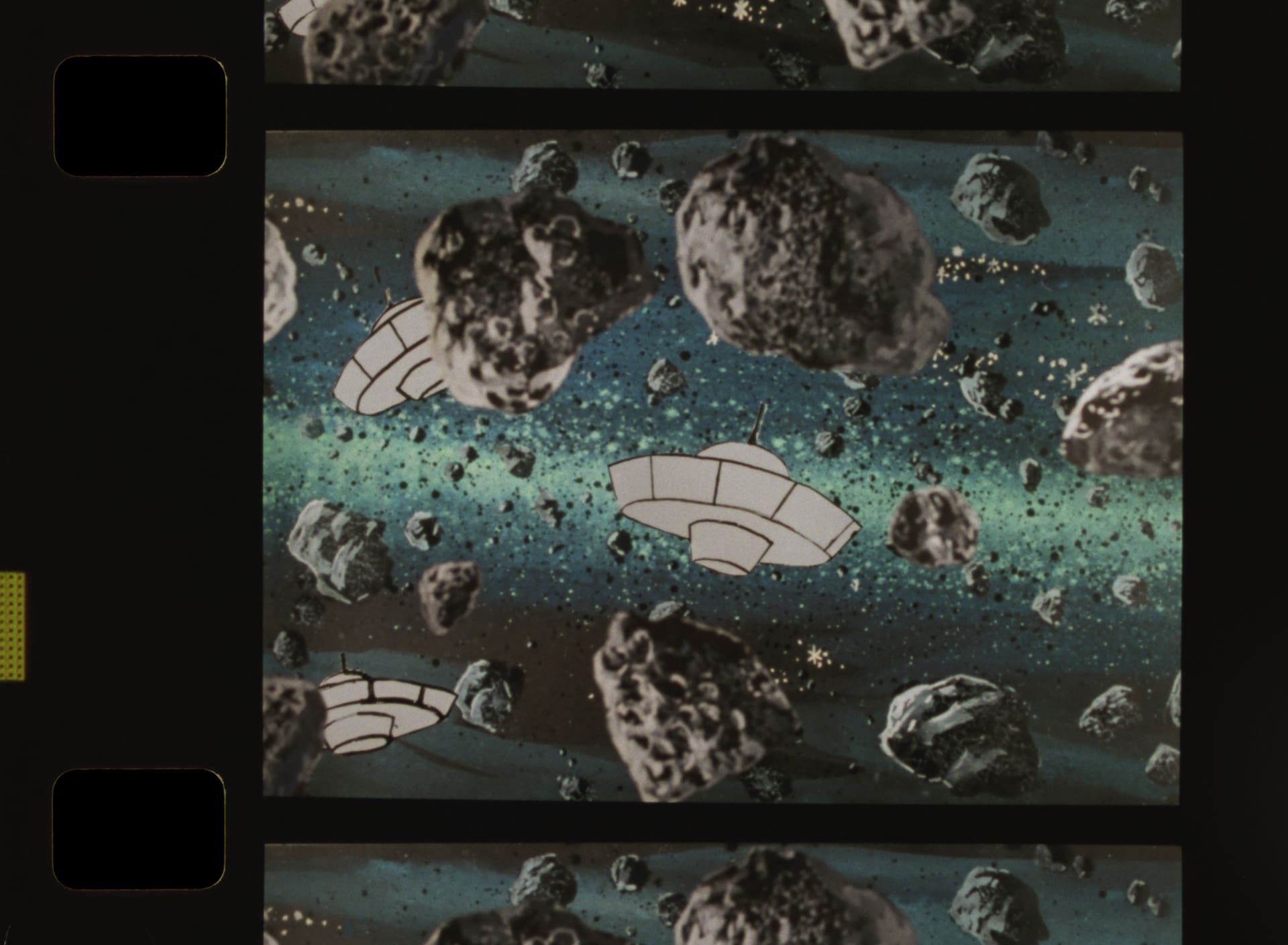
"The goal really was that this should be as seamless as possible and we should be invisible," Smee explained. To achieve this, the duo established a strict set of technical constraints. They forbade modern digital camera movements like zooming or panning, forcing themselves to mimic the limitations of the original crew’s stationary down-shooters. They utilized hand-painted backgrounds, traditional ink-and-cel techniques, and even a dwindling supply of vintage cel paint inherited from a previous project. When they lacked specific colors, they turned to miniature-model paints—specifically Vallejo acrylics—to ensure the opacity and finish matched the original 1980s aesthetic.
Technical Analysis: The Ethics of Aesthetic Preservation
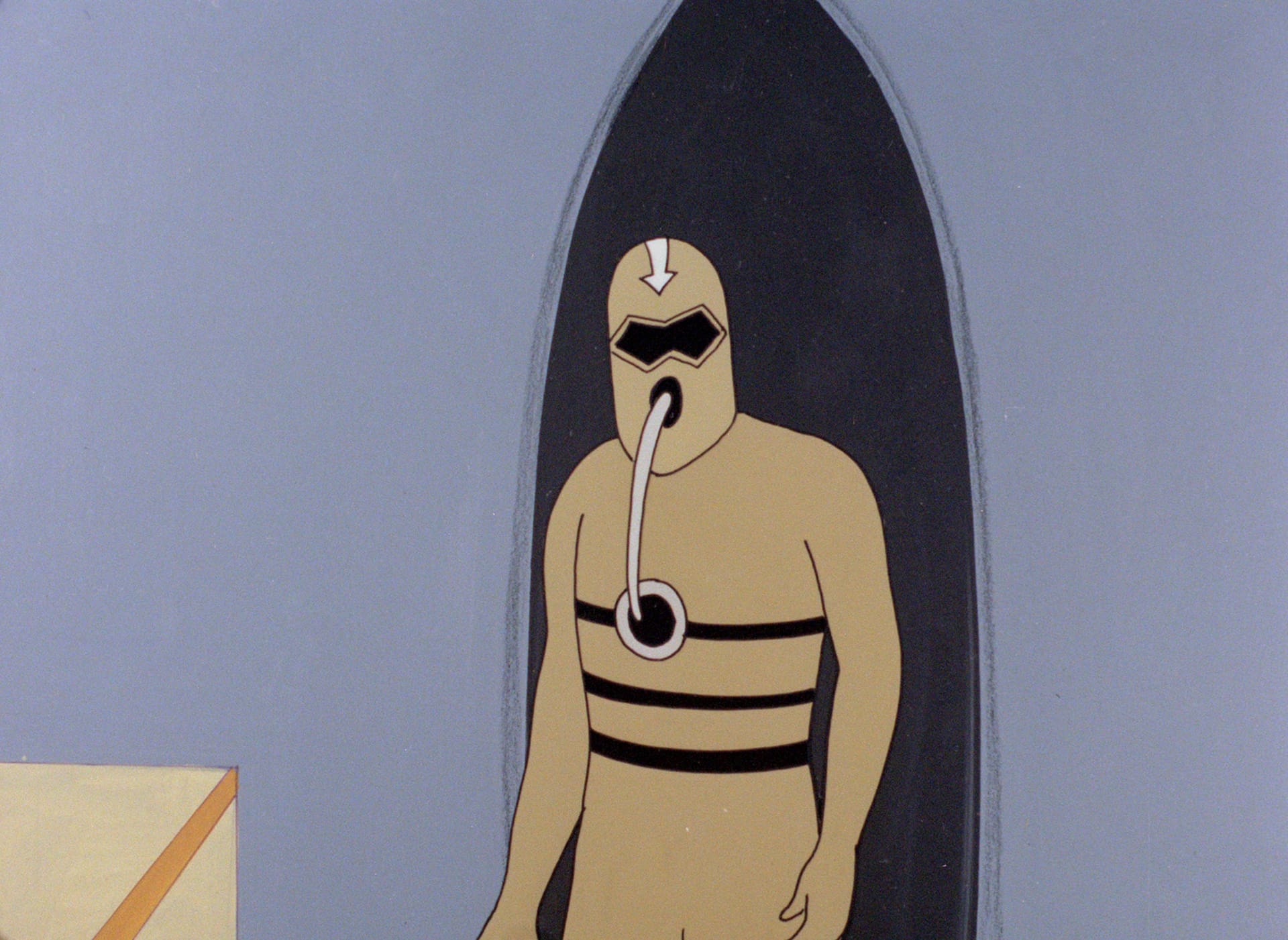
The decision to replace unauthorized footage with new animation rather than deleting it represents a rare intersection of archival preservation and creative re-interpretation. In the realm of film restoration, the "purity" of the source material is typically paramount. However, because Roy del Espacio was an inherently "patchwork" production—featuring inconsistent art styles, varying line weights, and different character designs depending on which teenager was working on the sequence—Aspin and Smee argued that there was no singular "house style" to violate.
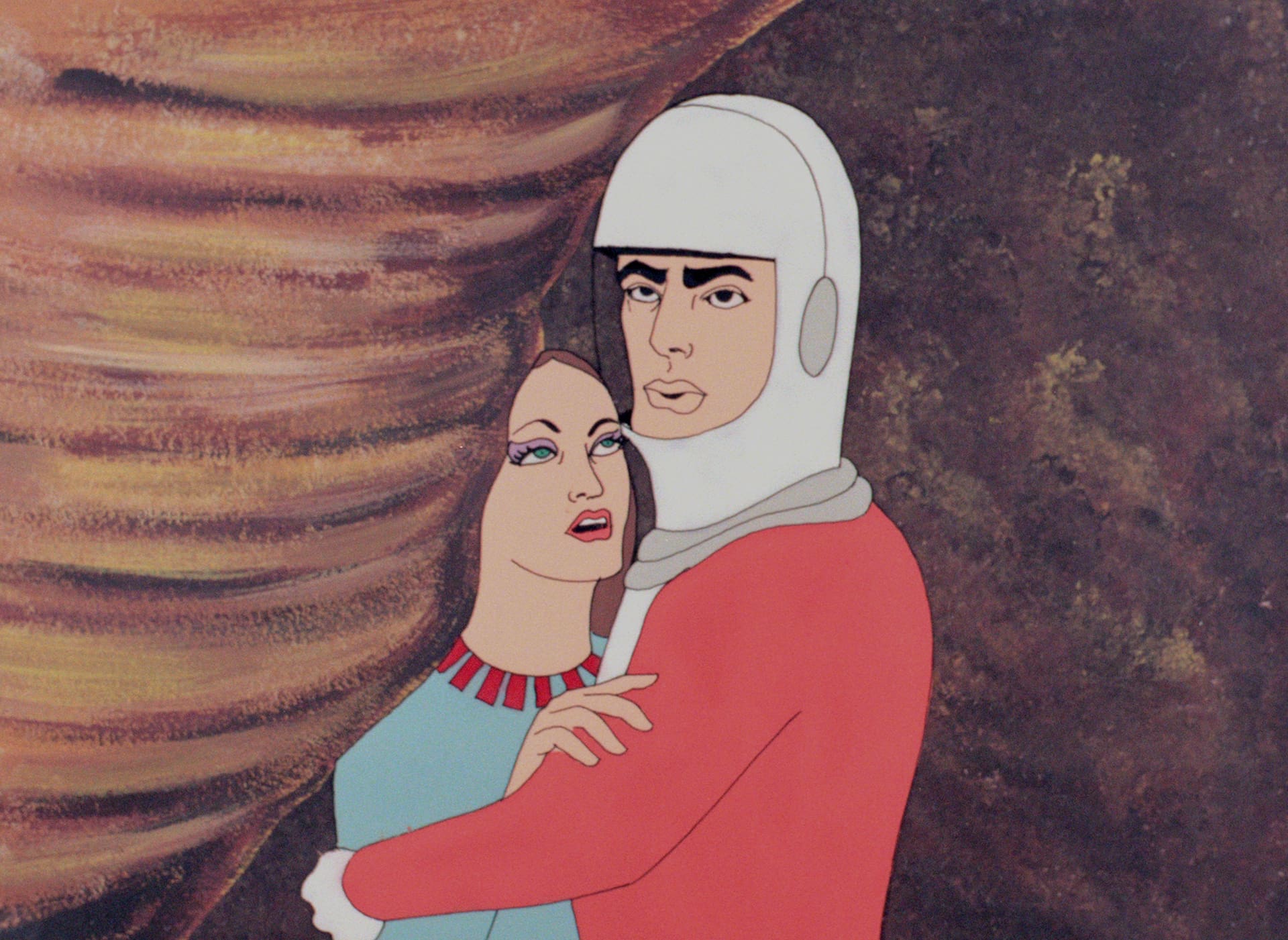
By studying the existing footage, they identified two primary visual approaches: an early, more polished style and a later, simplified version. Their new sequences were designed to bridge these two styles, effectively acting as a "missing link" within the film’s disjointed narrative. This process of forensic animation required them to treat the original film’s aesthetic as a set of rules, including the acceptance of visible construction lines, occasional errors, and repetitive background elements. For modern audiences, the result is a rare look at what happens when contemporary artists are tasked with "becoming" the original, inexperienced creators of a past generation.
Broader Implications for Lost Media
The restoration of Roy del Espacio highlights a growing trend in the film industry: the active, and sometimes interventionist, recovery of "lost" or "failed" independent works. While major studios often focus on restoring high-profile classics, boutique labels are increasingly turning their attention to the fringes of global cinema. This practice provides a significant service to film history, ensuring that the development of animation in regions like Mexico—where feature-length production was not supported by large-scale studio systems—is not erased from the collective memory.
The implications for the industry are twofold. First, it demonstrates that technical limitations are not insurmountable obstacles to high-quality archival work. Aspin’s assertion that "on the scale of two people, it’s very much possible and doable" challenges the notion that traditional 2D animation is a dying art form due to cost or complexity. Second, it shifts the discourse around "bad" films. By documenting the sincere, if flawed, passion of the original crew, the restoration elevates Roy del Espacio from a target of ridicule to a legitimate case study in creative persistence.
Looking Ahead
Deaf Crocodile’s Blu-ray release is designed to serve as both a viewing experience and an educational document. In addition to the restored film, the release includes interviews with family members of the original producers and animators, providing necessary context for the socio-economic conditions that allowed such an unusual project to exist. The inclusion of these testimonials underscores the human cost and the personal stakes involved in the original production.
For those involved in the restoration, the project was a singular experience. "The whole time, we were just like: This is literally a one-of-one project, and we will never get to do this ever again," Aspin noted. While the film may not be a masterpiece in the traditional sense, its return to circulation serves as a testament to the power of animation as a medium of expression, even when removed from the infrastructure of a major studio.
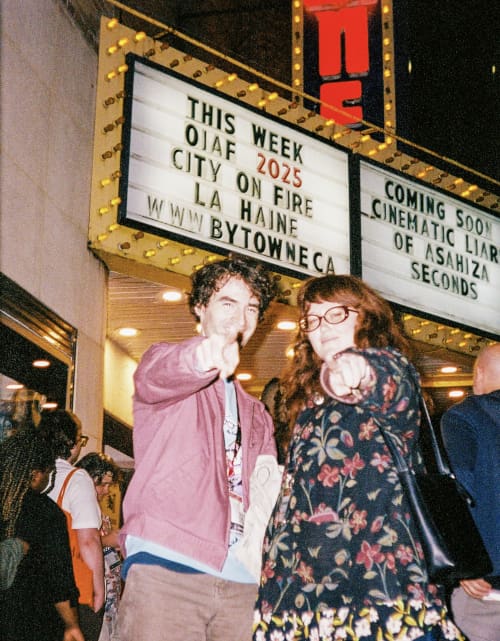
As the industry continues to digitize and preserve works that were once consigned to the "lost" pile, Roy del Espacio stands as a reminder that every film—regardless of its initial reception—holds a place in the history of the medium. The film is now available for pre-order, and efforts are currently underway to organize public and festival screenings, providing a new generation of viewers the opportunity to finally see what has been hidden in the vaults for forty-three years. In an era dominated by polished, digitally perfect animation, the arrival of this raw, homemade, and lovingly restored space opera serves as a grounding counter-narrative, proving that sometimes, the most interesting stories are the ones that were never meant to survive.