The Ultimate Guide to Strategic Wedding Photography Planning and Client Relations

Success in the competitive landscape of professional wedding photography is increasingly defined by a photographer’s ability to master soft skills rather than relying solely on technical proficiency. While high-resolution imagery and sophisticated lighting techniques are industry prerequisites, the long-term viability of a studio often hinges on the client experience. Research indicates that client satisfaction in the wedding industry is highly correlated with proactive communication and structured organizational planning. By implementing a standardized pre-wedding planning protocol, photographers can mitigate logistical risks and ensure a consistent, high-quality output that meets the high expectations of modern couples.
The Foundation of Client Trust and Professional Rapport
The professional relationship between a photographer and a client begins long before the first shutter is clicked. During the initial consultation, whether conducted via video conference or in person, the primary objective is the establishment of trust. According to industry experts at Lin and Jirsa Photography, a firm with over a decade of experience and a portfolio spanning more than 2,000 events, the initial meeting serves as the foundation for the entire wedding day workflow.

Professional photographers are advised to adopt a consultative approach. This involves active listening to determine the specific aesthetic preferences, familial dynamics, and potential pain points of the couple. By demonstrating a deep understanding of the wedding day’s logistical flow during the first contact, the photographer positions themselves as a partner in the event’s success rather than a mere service provider. Data suggests that couples who feel heard during initial planning stages are significantly more likely to report higher satisfaction scores in post-event surveys.
Synchronizing Visual Expectations Through Moodboards
A recurring challenge in wedding photography is the misalignment of creative vision between the photographer and the client. The implementation of a moodboard—a curated collection of images reflecting the desired color palette, posing style, and atmospheric tone—serves as a critical communication tool.
By requesting that clients compile a moodboard approximately 60 days before the wedding, the photographer can conduct a visual audit. This process allows the photographer to identify which elements of the client’s vision are achievable given the specific venue, lighting conditions, and time constraints. A fact-based analysis of these images prevents "expectation gaps," where a client might anticipate a style of photography that is physically impossible to execute in their chosen environment. This step is not merely an aesthetic exercise; it is a technical assessment that enables the photographer to adjust their gear and post-production strategy accordingly.

The Strategic Value of Engagement Photography
While often viewed as an optional add-on, the engagement shoot is a vital component of the pre-wedding planning cycle. From an operational perspective, the engagement session serves as a "dress rehearsal" for the main event. It provides a controlled environment to assess how a couple interacts with the camera, allowing the photographer to refine their posing cues and build a comfortable rapport.
When a photographer understands a couple’s natural chemistry, they can optimize their shooting schedule on the wedding day. This reduces the time spent on formal portraits, allowing for more fluid, candid coverage during the reception. For the client, this session demystifies the photographic process, reducing anxiety and leading to more authentic expressions on the wedding day.
Navigating the Complexity of Wedding Day Timelines
The logistics of a modern wedding are often complex, involving dozens of vendors and hundreds of guests. Consequently, the wedding day timeline is the most common point of failure for inexperienced photographers. The industry standard is to request a formal timeline as early as possible, typically 45 to 60 days prior to the event.

A well-structured timeline should account for "buffer zones"—additional time allocated for unforeseen delays, such as travel logistics or hair and makeup overruns. Photographers should analyze these schedules to ensure that primary portrait sessions are aligned with the "golden hour" or optimal lighting conditions at the venue. If the timeline is too aggressive, the professional is responsible for communicating these constraints to the wedding planner or the couple, suggesting adjustments that prioritize the quality of the photography without disrupting the event’s overall flow.
Identifying Key Stakeholders and VIPs
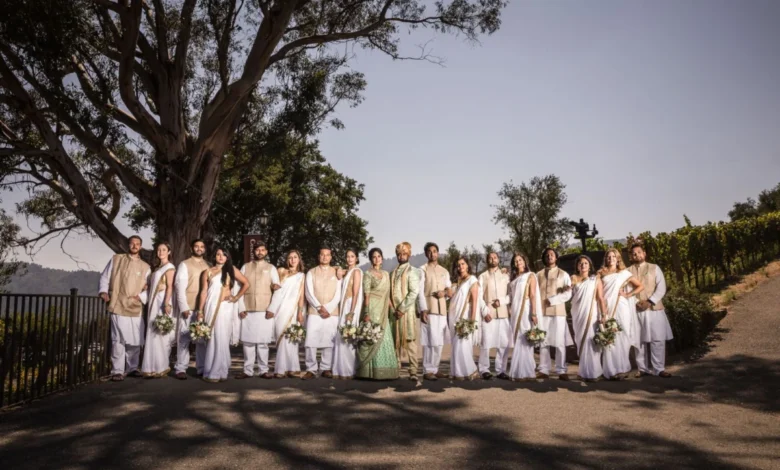
One of the most common oversights in wedding photography is failing to capture essential family members or VIP guests. To rectify this, professional studios now mandate the creation of a "VIP list." This document, which includes names and descriptions of important family members and key wedding party participants, ensures that the photography team is prepared to capture crucial interactions.
This list is particularly vital during the "family formal" portion of the day. By identifying these individuals early, the photographer can streamline the process, ensuring that no essential photos are missed while simultaneously respecting the time of the wedding guests. The implication of having a prepared VIP list is a reduction in the "chaos factor" that often occurs during the transition between the ceremony and the reception.

Final Coordination and The One-Week Protocol
Approximately seven days before the wedding, a final "talk-through" is essential to confirm that all parties remain aligned. This conversation should cover the final schedule, the distribution of responsibilities among the photography team, and any last-minute changes to the guest list or venue layout.
During this final briefing, the photographer should verify that all technical equipment has been serviced and that backup gear is prepped. This is the moment to confirm that the team is fully briefed on the specific cultural or religious requirements of the ceremony. By finalizing these details a week out, the photographer effectively lowers their own stress levels, allowing them to focus entirely on creative execution when the wedding day arrives.
Operational Preparedness on the Wedding Day
On the day of the wedding, the transition from planning to execution must be seamless. The photography team should arrive at the venue with a clear understanding of the site map and the "shot list" derived from the pre-wedding consultations.

Preparation includes a pre-shoot briefing with the entire photography team, including secondary shooters and assistants. During this time, roles are clarified, and the team is reminded of the specific, unique requirements of the couple. By adhering to a rigorous, documented plan, the team ensures that even in the high-pressure environment of a wedding, their performance remains consistent.
Implications for Long-Term Professional Growth
The integration of these planning steps has broad implications for the sustainability of a photography business. Photographers who prioritize comprehensive planning report higher referral rates, as satisfied clients are more likely to recommend services to their social circles. Furthermore, by professionalizing the planning process, photographers can justify premium pricing, as the value provided extends beyond the final digital files to include the reduction of stress and the management of the event’s most critical memories.
Ultimately, the technical act of capturing an image is only a fraction of the wedding photographer’s professional responsibility. The industry is moving toward a model where the photographer acts as a high-level event consultant. By mastering the soft skills of communication, the strategic utility of moodboards and timelines, and the operational necessity of thorough pre-wedding planning, professionals can ensure that their creative output is matched by a seamless, premium client experience. As the market continues to evolve, those who treat the planning process with the same rigor as their artistic craft will undoubtedly secure a competitive advantage in the global wedding photography market.