Mastering the Art of Bridal Portraits: Essential Tips and Inspiration for Wedding Photographers

For wedding photographers, the journey from dawn’s early light to the final dance is a marathon of capturing fleeting moments. Their lens sweeps across the entire spectrum of a wedding day, from the intimate preparations of the bridal suite to the grand pronouncements of the ceremony, the tender embrace of couple’s portraits, and the joyous exuberance of the reception. Amidst this multifaceted narrative, bridal portraits stand out as a cornerstone, demanding a photographer’s utmost skill and attention. These images are not merely photographs; they are enduring testaments to a bride’s radiant presence on one of the most significant days of her life, moments she will cherish for a lifetime. To equip photographers with the tools to excel in this crucial aspect of their craft, a comprehensive guide to bridal portraiture, replete with actionable tips, creative ideas, and inspiring examples, is invaluable.

The Indispensable Portfolio: Must-Have Bridal Portraits
While a rigid checklist can sometimes stifle artistic expression, wedding photography necessitates a foundational framework to ensure client satisfaction. The following categories represent the essential bridal portraits that form the bedrock of any successful wedding photography package.
Capturing the Intricate Details
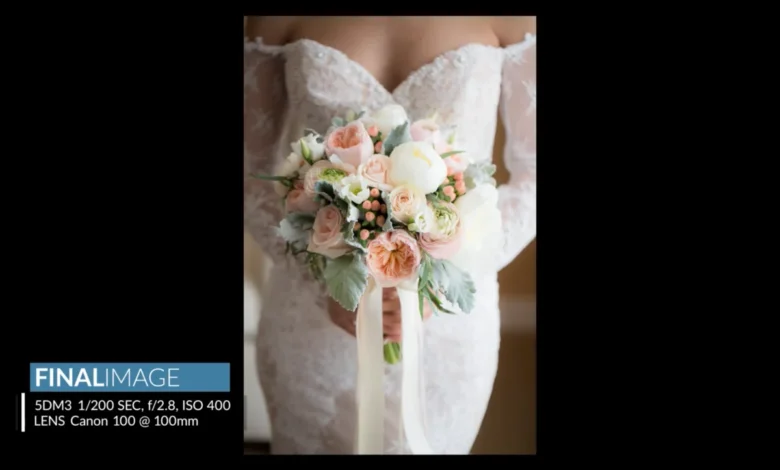
The initial hours of a wedding day are often dedicated to the intricate details that foreshadow the elegance of the ceremony to come. Wedding photographers are tasked with meticulously documenting these elements, which typically include the wedding dress, the bridal shoes, the symbolic rings, and the meticulously crafted bouquet. While a product-photography approach, arranging each item with precision, can yield striking results, the most impactful detail shots often incorporate the bride herself. Placing these items within the context of her presence imbues them with greater narrative depth and provides an additional opportunity for the bride to shine, even before the main event.

The sheer volume and quality of detail shots directly correlate with their potential inclusion in album layouts. Beyond the commonly photographed items, photographers should be attuned to capturing the nuances that make each wedding unique. This includes delicate earrings and other cherished jewelry, the intricate beadwork or embellishments adorning the bridal gown, and subtle shots that accentuate the bride’s features, such as an "eyelash shot" where she looks downward. The bouquet, a vital component of bridal attire, warrants close attention, as do any elements that hold personal significance for the bride. If a particular dress was the result of an extensive search, or if the floral arrangements are particularly artistic, these details deserve photographic preservation. Any element that has been thoughtfully curated for the wedding day is a candidate for a compelling photograph.
The Timeless 3/4 Standard Bridal Portrait
A staple in the bridal portrait repertoire is the 3/4 standard pose. This framing typically captures the bride from the waist down to just below her knees. A critical technical consideration in executing this shot is to avoid cropping at the natural bending points of the body, such as the knees, ankles, or wrists. Such a practice can lead to an unnatural or awkward appearance in the final image.

Maximizing Variety from a Single Pose:
Photographers often fall into the trap of quickly transitioning between poses without fully exploring the potential of a single, well-executed stance. By making subtle variations in the bride’s posture, hand placement, or gaze, a photographer can generate a diverse array of compelling images from what might appear to be a singular pose. This approach not only maximizes shooting efficiency but also enriches the photographic narrative.
Guiding Expressions for Captivating Portraits:
Beyond static posing, eliciting a range of emotions from the bride is paramount to achieving dynamic and engaging portraits. A photographer’s role extends beyond merely framing the subject; it involves becoming a director, offering gentle cues that inspire natural and flattering expressions. This "assisted photojournalism" approach, where guidance is provided to facilitate candid reactions, allows for authentic moments to unfold while ensuring the capture of crucial visual elements. The objective is to create an environment where the bride feels comfortable and empowered to express herself, resulting in images that are both technically sound and emotionally resonant.

Showcasing the Full Ensemble: Full-Length Bridal Portraits
Every bride desires a comprehensive visual record of her wedding attire, encompassing both full-length shots of the gown on its own and portraits of her wearing it. The photographer’s objective is to pose the bride from head to toe, accentuating her features and highlighting the design and craftsmanship of the dress.
Refining the Silhouette and Attending to Details:
Achieving a flattering silhouette often requires subtle adjustments to the bride’s posture and the drape of her dress. Photographers should engage directly with the bride, demonstrating poses rather than relying solely on instructions given through the camera’s viewfinder. This interactive and visual approach ensures the bride can effectively mirror the desired pose, leading to more natural and aesthetically pleasing results. Clear, concise, and visual instructions are key to capturing the bride in her most advantageous light.

For a compelling full-length bridal portrait, consider incorporating these directorial cues:
- "Stand tall, shoulders back, and imagine a string gently pulling you upwards from the crown of your head." This encourages an elongated and graceful posture.
- "Place your weight slightly on one foot, and gently bend the other knee. This creates a subtle S-curve in your body, which is very flattering." This technique adds dynamism and avoids a rigid stance.
- "Let your arms rest naturally. You can place one hand on your hip, or let your hands gently touch the fabric of your dress." Natural arm placement avoids awkwardness and enhances the overall flow of the image.
- "Gaze slightly away from the camera, perhaps towards a point in the distance. This can create a more thoughtful or romantic expression." Direct eye contact isn’t always necessary; a softer, contemplative gaze can be equally powerful.
- "Turn your torso slightly towards the camera, while keeping your head turned slightly away. This accentuates the waist and creates a more sculpted appearance." This subtle twist can dramatically improve the visual appeal of the figure.
The Elegance of Seated Bridal Portraits
When a bride is seated, the photographer must be acutely aware of how her form is presented. Maintaining excellent posture is paramount to achieving flattering seated portraits. A tendency to hunch can diminish the perceived length of the spine and neck, compromising the overall elegance of the image. Diligent attention to this detail can transform an ordinary seated shot into a captivating portrait.

When composing seated shots, photographers should prioritize angles that enhance the bride’s natural lines. Shooting slightly from above, aligning the camera with the bride’s spine, can help prevent the body from appearing disproportionately larger. This mindful composition ensures a more balanced and aesthetically pleasing representation.
Embracing Creativity: Veil Portraits
The bride’s veil, if part of her ensemble, offers a remarkable opportunity for creative photographic exploration. The "shoot-through" technique, where the veil is held in front of the lens, introduces a captivating textural element to the image. While this technique can artfully obscure certain parts of the frame, it is crucial to ensure the bride’s face remains in sharp focus and clearly visible. Careful attention to focus is essential, as the close proximity of the veil’s fabric to the lens can cause focus shifts.
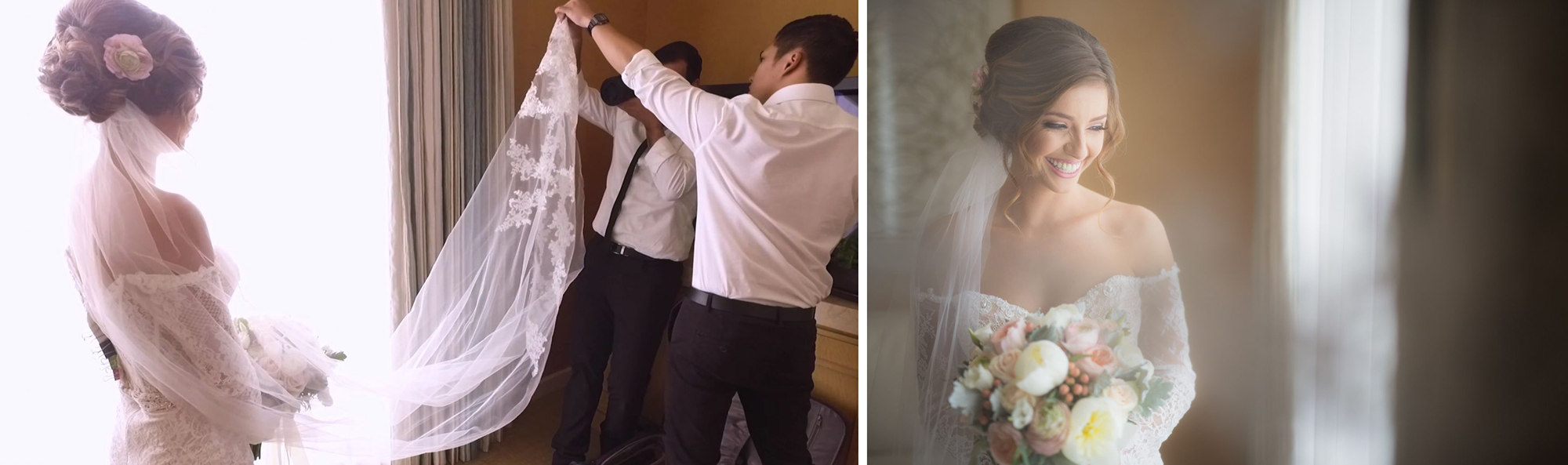
Beyond the veil, other accessories can elevate bridal portraits. From flowing scarves to strategically placed flowers, these elements can add depth, color, and a unique narrative to the images, often serving dual purposes by concealing distracting backgrounds or adding a bespoke touch to the composition.
Expanding the Gallery: Additional Bridal Portrait Considerations
Beyond the foundational shots, several other categories of bridal portraits offer significant value and artistic potential.

The Intimate Robe Portraits: Pre-Ceremony Glow
While not a mandatory element of every bridal portrait session, images of the bride in her robe are frequently requested and provide an excellent opportunity to showcase the artistry of hair and makeup professionals. These portraits capture a relaxed and intimate moment, often highlighting the bride’s natural radiance before she dons her wedding gown. As the focus shifts to full-length and close-up shots of the dress, these earlier moments offer a distinct and cherished perspective.
Journalistic and Environmental Portraits
Stepping back from posed shots, photographers can explore the surrounding environment to capture more journalistic and environmental portraits. This involves identifying unique reflections, shooting through architectural elements, or utilizing the inherent beauty of the location. These creative compositions are instrumental in differentiating a photographer’s portfolio, showcasing a broader range of skills and artistic vision.

Employing wider lenses, such as a 35mm or 24mm prime, allows for the capture of expansive, story-telling images that place the bride within her environment. The narrative can be built by starting with close-up details, gradually widening the perspective with a mid-range lens, and culminating with the widest lens to encompass the entire scene.
The Enchantment of Golden Hour Outdoor Portraits
The late afternoon sun, often referred to as the "golden hour," provides a magical quality of light that is ideal for outdoor bridal portraits. This period allows for the capture of both individual portraits of the bride and intimate shots with her bridesmaids. A variety of compositions, from wide shots that emphasize the scale of the dresses and the setting, to tighter shots that focus on expressions and interpersonal connections, should be explored.

Illuminating the Subject: Essential Lighting Techniques
While a comprehensive exploration of lighting techniques is extensive, understanding fundamental approaches to natural and artificial light is crucial for exceptional bridal portraits.
Essential Lighting Gear
Lead photographers often employ specific lighting equipment to enhance their bridal portrait sessions, either to creatively shape the light or to supplement inadequate ambient conditions. While not every piece of gear is necessary for every shoot, a typical kit might include:
- Speedlights/Flashes: For controlled bursts of light, fill, or creative effects.
- Light Modifiers: Softboxes, umbrellas, and diffusers to soften and shape the flash.
- Reflectors: A 5-in-1 reflector (silver, gold, white, black, diffuser) is incredibly versatile for bouncing light, adding warmth, or negating harsh shadows.
- Stands and Mounts: To position lights and modifiers effectively.
Creative Lighting Approaches for Bridal Portraits
Often, the most effective light source is readily available natural light, such as that found near windows indoors or in open shade outdoors. However, there are instances where artificial light can elevate the imagery or correct challenging lighting scenarios.
The Backlit Hairspray Shot:
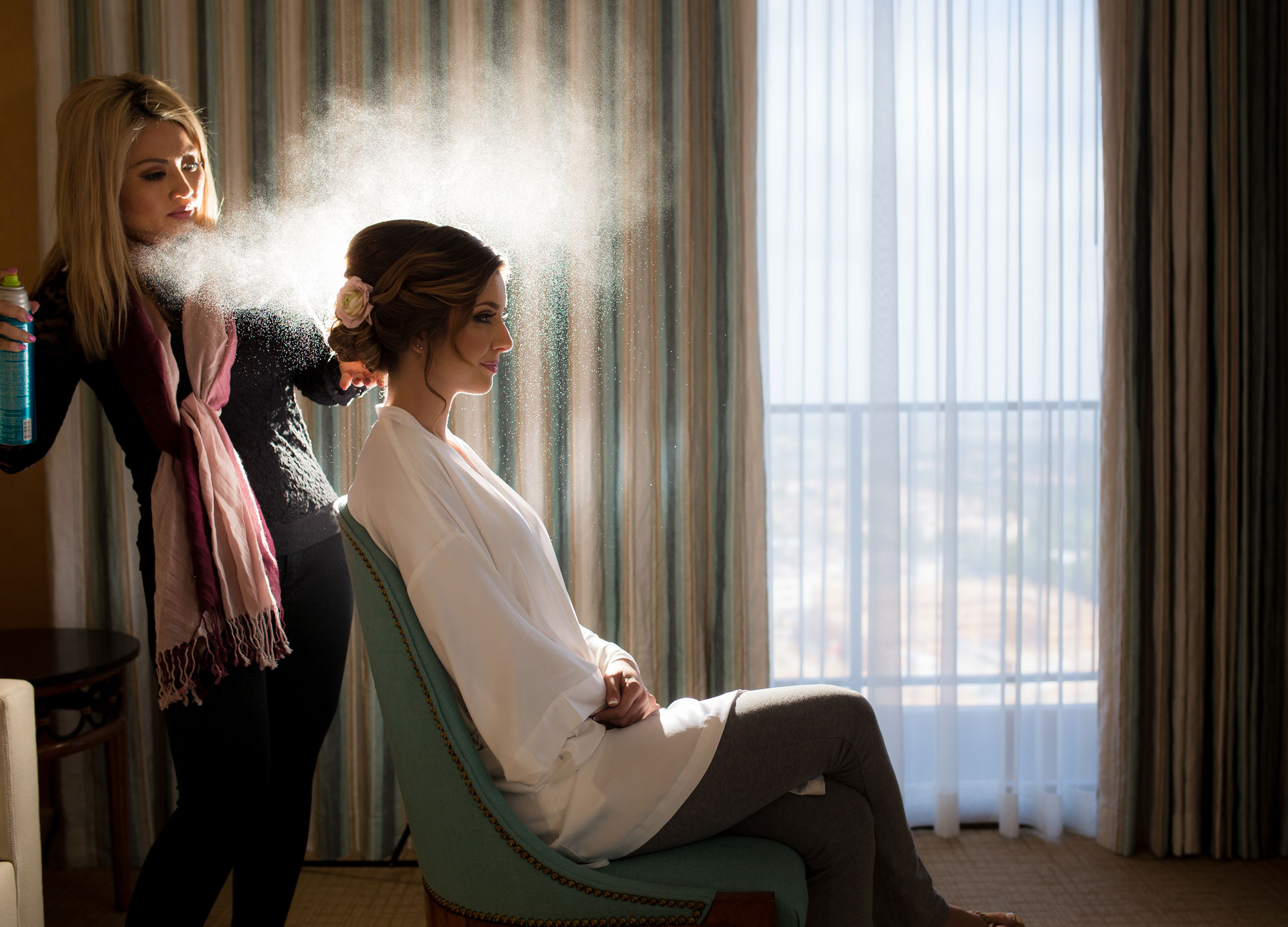
A popular and often requested shot, particularly by brides and their hair and makeup teams, is the backlit hairspray portrait. This technique involves positioning a light source behind the bride, often a flash, to create a halo effect around her hair. This can be achieved by having an assistant spray hairspray into the air as the flash fires, creating a shimmering mist.
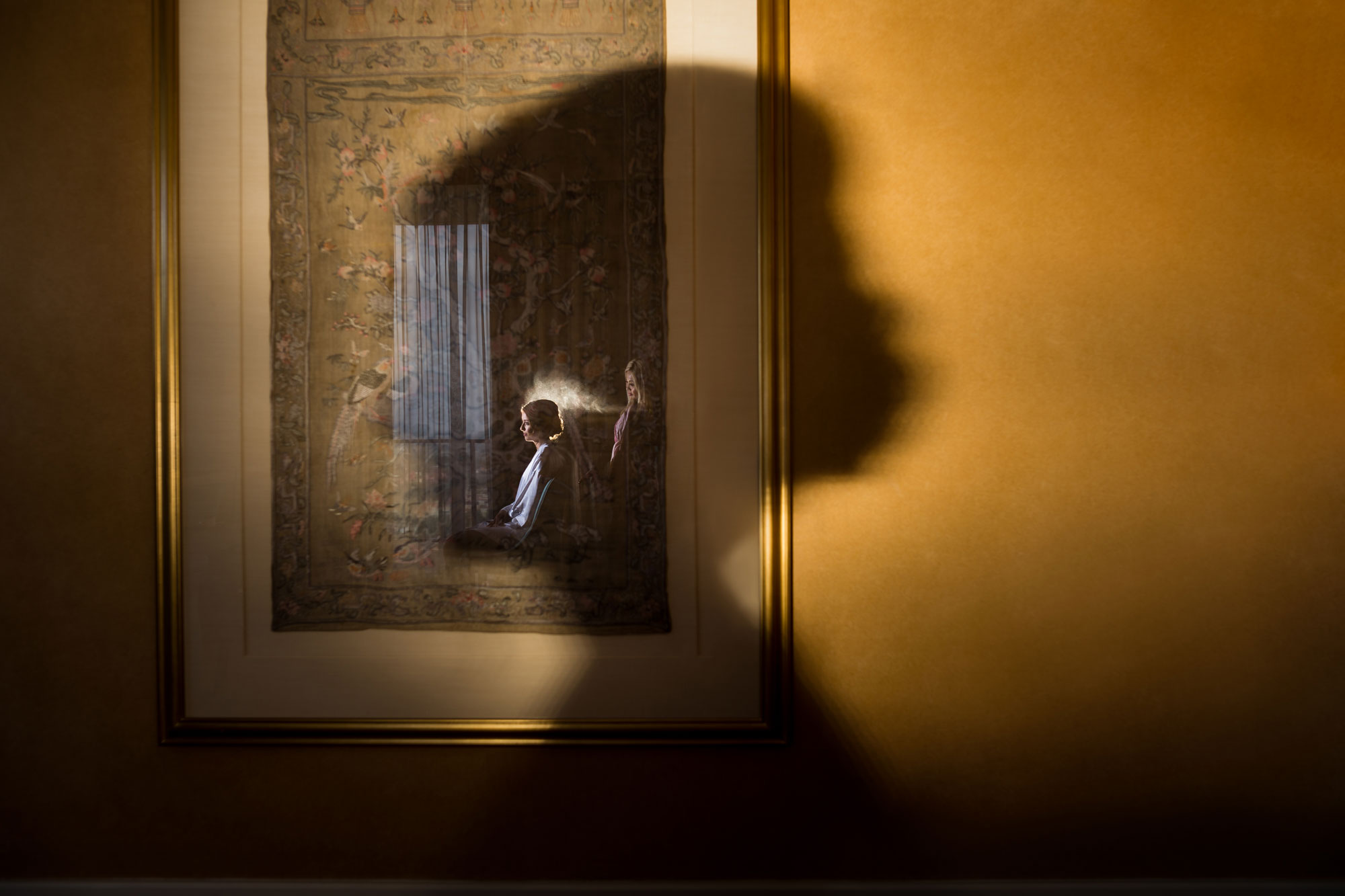
Shadow Play with Backlighting:
This backlit concept can be extended into more artistic shadow photography. By utilizing a reflective surface, such as a framed picture, to bounce light and create a distinct shadow on an opposing wall, a unique portrait can be formed. While some post-processing may be required to refine the image, the artistic outcome can be exceptionally striking.
Window Light and Reflector Synergy:
Diffused window light offers a soft, flattering light source that can be further enhanced with a reflector. By strategically positioning the bride in front of a large window, with her back to the light source, and using a modified collapsible reflector (with a central cutout), photographers can create high-key images. This technique allows the window light to sculpt the subject’s features beautifully. A telephoto lens, such as an 85mm or longer, is often recommended for this style of portraiture to achieve pleasing compression and background blur.

Harnessing Side Lighting:
For added dimension and shape, side lighting can be highly effective. By adjusting the bride’s orientation relative to the light source, such as a window, the interplay of light and shadow becomes more pronounced. This technique is particularly beneficial for accentuating details in the bouquet and other intricate elements of the bridal attire.
Strategic Vision: Shooting for the Edit
The time constraints inherent in wedding photography necessitate a pre-visualized approach. Scouting the venue beforehand to assess available light and identifying potential creative opportunities is crucial. Planning the desired shots in advance allows for efficient execution and the creation of impactful imagery.

Furthermore, maintaining a cohesive visual style across all captured images is essential for cohesive album design. While individual photos may vary in composition and lighting, they should collectively contribute to a harmonious narrative. Grouping images based on similar lighting, contrast, and color palettes ensures a smooth flow and a unified aesthetic in the final presentation.
Conclusion: The Rewarding Realm of Bridal Portraiture
Of all the photographic genres, wedding photography presents a unique blend of challenge and profound reward. Wedding photographers bear the considerable responsibility of immortalizing pivotal moments, often under demanding conditions. Bridal portraits, in particular, represent a significant aspect of this responsibility. By approaching bridal portraiture with preparedness, armed with a strong understanding of posing, lighting, and creative techniques, photographers can navigate the pressures of the wedding day and deliver images that not only meet but exceed their clients’ expectations, capturing the bride’s essence on a day that will forever be etched in her memory.