OnePlus Exits North America and Europe, Marking a Significant Shift in the Smartphone Landscape

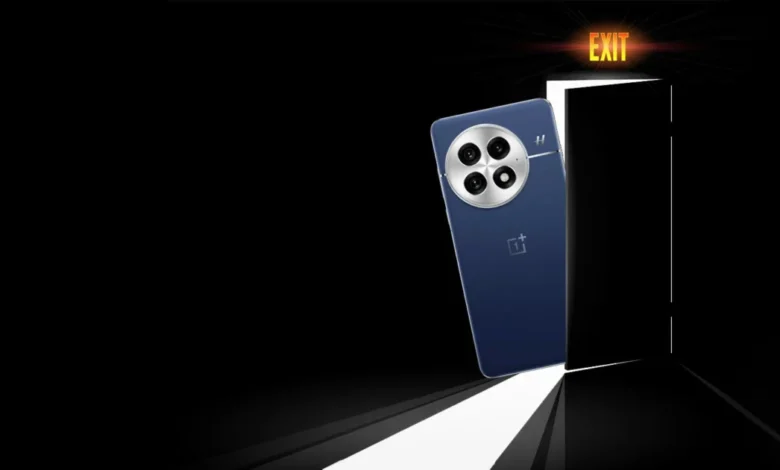
The smartphone market has witnessed a seismic shift with the official announcement of OnePlus’s departure from North America and Europe. This move, confirmed by the company, signals a strategic realignment for the brand, which rose to prominence by challenging established players with its "Never Settle" ethos. While the OnePlus brand itself will continue to exist and operate in other regions, its withdrawal from two of the world’s largest and most influential markets represents a substantial loss for consumers and a telling commentary on the increasingly competitive and complex global smartphone industry.
The Genesis of a Disruptor and Its Evolving Strategy
Founded in December 2013, OnePlus burst onto the scene with a clear mission: to offer high-performance smartphones at aggressive price points. Its inaugural device, the OnePlus One, was a testament to this philosophy. Launched with an invitation-only system, this strategy not only managed demand but also cultivated an aura of exclusivity and desirability. At a time when the market was populated by giants like HTC, Nokia, LG, BlackBerry, and Microsoft, OnePlus carved out a niche by delivering premium specifications and thoughtful design that often outshone competitors costing significantly more. This early success was built on a foundation of community engagement and a commitment to delivering value.
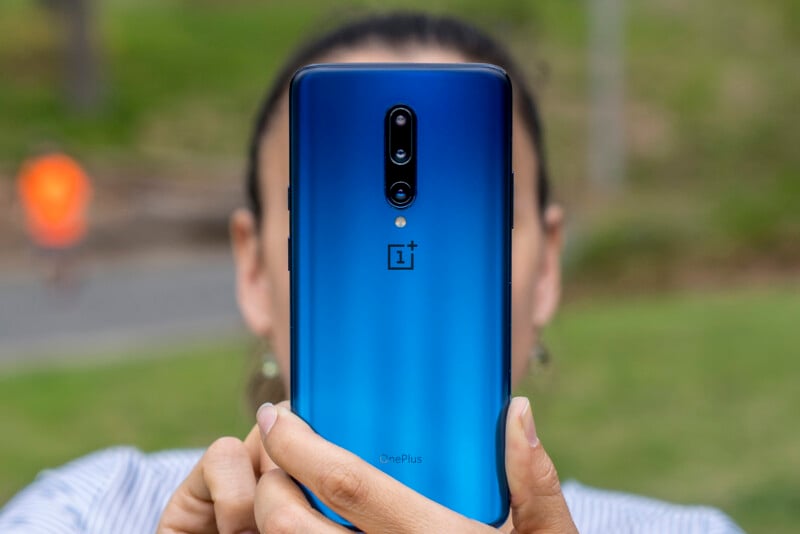
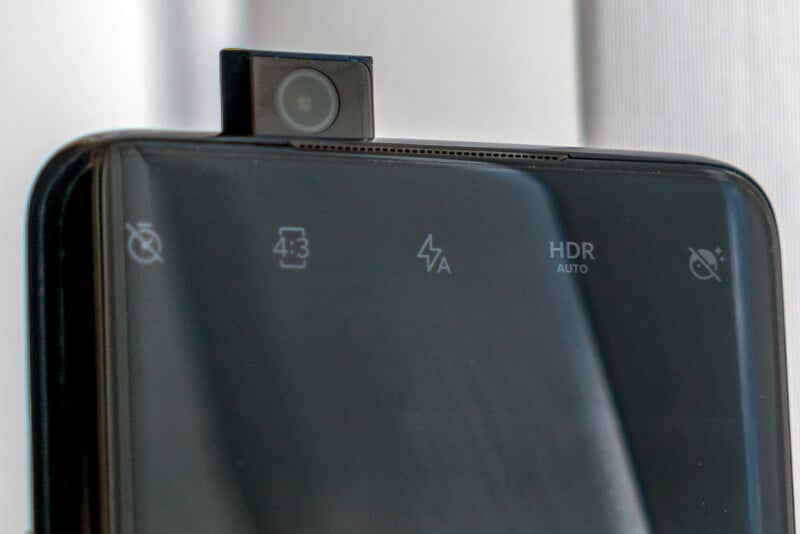
The smartphone landscape, however, is in constant flux. As newer brands like Oppo, Xiaomi, Vivo, and Huawei gained traction, and companies like Nothing emerged, the competitive pressures intensified. OnePlus, in response, began to broaden its product portfolio. While initially focusing on affordable and mid-range devices, the company made a significant pivot towards the premium flagship segment, a move solidified with the launch of the OnePlus 7 Pro in 2019. This device, lauded for its innovative pop-up selfie camera and impressive performance, demonstrated OnePlus’s ambition to compete at the highest tier.

A key development in OnePlus’s trajectory was its strategic integration with Oppo. While both brands continued to operate under their respective identities, the merger led to a convergence of resources and, in some markets, a unified software experience. This synergy, particularly evident in the sharing of technology and R&D, allowed OnePlus to enhance its offerings. The collaboration with Hasselblad, a renowned name in imaging, starting in 2021, further underscored OnePlus’s commitment to camera innovation. This partnership, initially a byproduct of Oppo’s deal with the Swedish optics brand, aimed to elevate OnePlus’s mobile photography capabilities through advanced software processing and color science, even if Hasselblad did not manufacture the lenses themselves.
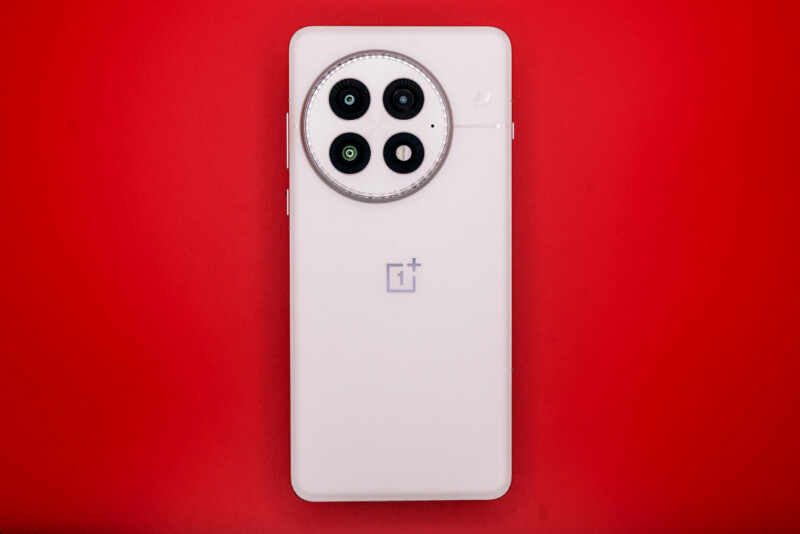
The launch of the OnePlus 13 in late 2025 was heralded as a significant moment, with substantial marketing efforts in North America suggesting a deep commitment to establishing a permanent presence. The device was praised for its robust camera system, which integrated hardware and software advancements, and for pioneering MagSafe-like technology in the Android ecosystem through compatible cases. Furthermore, OnePlus, alongside other Chinese manufacturers, played a crucial role in normalizing higher RAM and storage configurations, a trend that Samsung and Google were slower to adopt at the time.
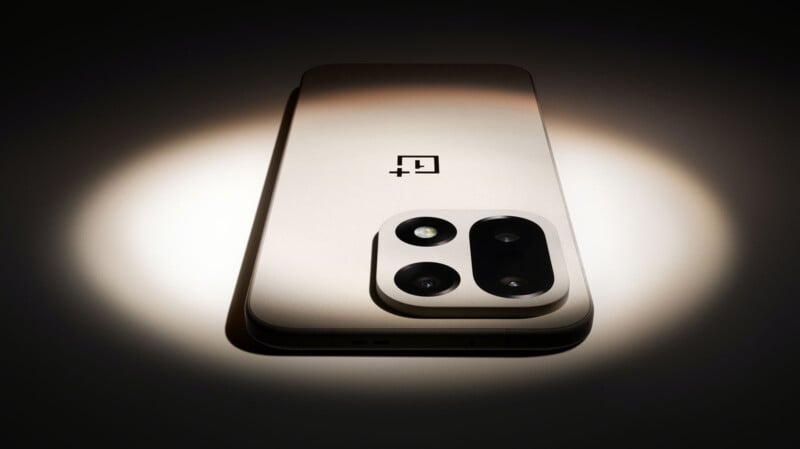
However, the subsequent launch of the OnePlus 15 in late 2026, notably without the Hasselblad branding, raised questions about the longevity of that partnership and hinted at internal strategic shifts. While the OnePlus 15 still delivered capable photography, the absence of the Hasselblad association suggested a potential move to differentiate the brands more distinctly or perhaps a reallocation of resources. This development, coupled with emerging rumors, painted a picture of an internal reassessment of OnePlus’s market strategy, culminating in the recent decision to exit key Western markets.
Navigating the Treacherous Currents of Carrier Support
One of the most significant hurdles for OnePlus in North America has been the persistent lack of substantial carrier support. Unlike in Asia and Europe, where direct-to-consumer sales and unlocked devices are more prevalent, North American consumers historically rely heavily on carrier subsidies and installment plans for smartphone purchases. For budget or mid-range devices, the upfront cost of an unlocked phone might be manageable, but for premium flagships, this presents a considerable financial barrier.
OnePlus experienced sporadic partnerships with carriers like T-Mobile and Verizon in the U.S., but these were never sustained enough to establish a strong foothold. In Canada, the situation was even more stark, with no major carrier ever stocking OnePlus devices. This left consumers in both countries with limited options: purchasing directly from OnePlus’s website, or through retailers like Best Buy and Amazon. From a business perspective, this model is difficult to sustain long-term in a market dominated by carriers.
The entrenched position of Apple, Samsung, and Google in the North American carrier ecosystem is a testament to their deep-seated relationships and market influence. These dominant players benefit from a carrier landscape that, for various reasons, has been less inclined to embrace a wider array of manufacturers. The author’s anecdotal observations of carrier retail stores reveal a general lack of product knowledge beyond the "big three," with sales staff often defaulting to pushing the most familiar brands, inadvertently creating a barrier for less established players like OnePlus. This "wall of ignorance," as it can be termed, is a unique challenge absent in many other global markets, contributing to a stagnant and less competitive environment within the U.S. and Canadian smartphone retail space.

A Legacy of Innovation and Disruption
Despite its market exit from North America and Europe, OnePlus leaves behind a significant legacy of innovation and disruption that has undoubtedly influenced the broader smartphone industry.
- OxygenOS: The company’s proprietary Android overlay, OxygenOS, has long been lauded for its clean, user-friendly interface, offering a near-stock Android experience with thoughtful additions. This focus on usability over unnecessary bloatware cultivated a dedicated enthusiast base.
- Display Technology: OnePlus was among the first manufacturers to popularize 90Hz refresh rates on smartphone displays, a feature that has since become a standard expectation for premium devices. This pushed competitors to adopt smoother scrolling and more fluid visual experiences.
- Fast Charging: The brand was a pioneer in ultra-fast charging technology, introducing solutions that drastically reduced charging times when competitors were still offering comparatively slower wired and wireless charging options. The consistent inclusion of a charger in the box was a welcome practice for consumers.
- Camera Innovation: The partnership with Hasselblad, though eventually scaled back, spurred advancements in mobile photography. OnePlus focused on enhancing color science, offering deeper manual controls, and exploring technologies like 12-bit RAW capture. This emphasis arguably compelled rivals like Samsung and Google to improve their own camera software and features, such as the introduction of Samsung’s Expert RAW and manual controls in Google’s Pixel lineup.
- Unique Design Elements: The OnePlus 7 Pro’s motorized pop-up selfie camera was a bold engineering feat that eliminated the need for notches or hole-punch cutouts, demonstrating a willingness to explore unconventional design solutions, even if this specific feature did not persist in subsequent models.
- Foldable Technology: The OnePlus Open, the company’s foray into the foldable smartphone market, has been recognized for its compelling design and robust camera capabilities, holding its own against established foldable offerings.
- Value Proposition: Throughout its history, OnePlus consistently challenged the status quo by offering high-end specifications and premium features at more accessible price points than its main competitors. This strategy pressured brands like Samsung, LG, and HTC to justify their higher price tags and re-evaluate their own product offerings.
Future Support and Global Operations
OnePlus has assured existing customers in North America and Europe that their devices will continue to receive software updates, security patches, and applicable support. Warranties are stated to remain valid, and the company’s support website will continue to operate for repairs. However, the logistical details of handling repairs in North America without a direct Oppo presence remain somewhat unclear. Current retail stock will be available until depleted, indicating a phased withdrawal rather than an abrupt cessation of sales.
Eligible devices may offer the option to switch to Oppo’s ColorOS or revert to OxygenOS, though the long-term implications for devices that do not transition are yet to be fully detailed. Older models ineligible for these software transitions will continue to receive maintenance updates, adhering to the originally promised multi-year update cycles.
In Europe, the transition is expected to be smoother, with Oppo planning to expand its presence to fill the void left by OnePlus. Oppo is reportedly set to strengthen its position in Central Europe and the Nordic countries, indicating a strategic focus on regions where it already has established distribution networks.

Operations in China remain unaffected, and the brand continues to thrive in its home market. Recent launches, such as the OnePlus N6 in India, suggest that the company’s product strategy may evolve to cater to different regional demands, potentially with a greater emphasis on affordable and mid-range alternatives globally.
An Unfortunate Departure from a Competitive Arena
The exit of OnePlus from North America and Europe marks the end of an era for a brand that consistently pushed boundaries and challenged industry norms. By aligning innovation with aggressive pricing and a commitment to user experience, OnePlus played a pivotal role in shaping consumer expectations for Android smartphones. Its contributions to faster charging, smoother displays, and improved camera technology have become industry standards, demonstrating the power of a disruptive force in a market that can sometimes become complacent.
The company’s journey from a "flagship killer" to a brand facing strategic withdrawal from major markets underscores the intense competition and evolving dynamics of the global smartphone industry. While the brand will persist elsewhere, its absence in North America and Europe leaves a noticeable gap, particularly for consumers who valued its unique blend of performance, design, and value. The legacy of disruption that OnePlus championed will undoubtedly continue to resonate, serving as a reminder of how a determined challenger can force established players to innovate and ultimately benefit the end consumer.