International Co-Production Is Emerging as the New Frontier for the Global Anime Industry

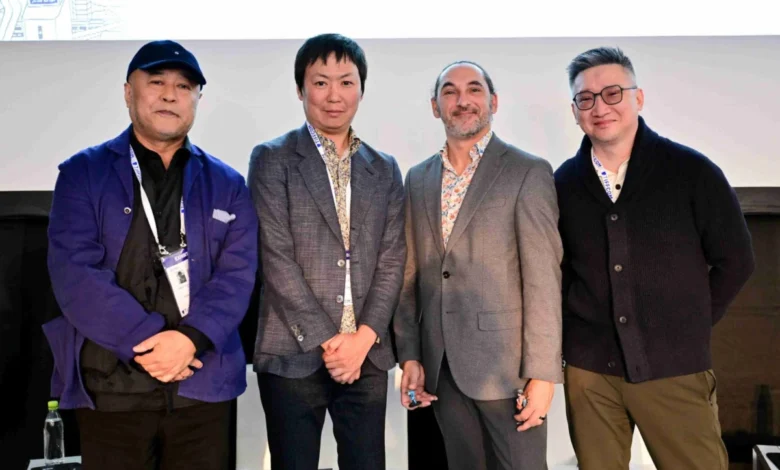
The landscape of global animation is undergoing a seismic shift as Japanese creators and international studios increasingly look toward collaborative ventures to navigate the complexities of film production. During a pivotal session at TIFFCOM held on October 29, 2026, industry leaders gathered in Tokyo to address the burgeoning necessity for cross-border cooperation. As the demand for high-quality, culturally resonant animation surges, the traditional insular model of Japanese production is being challenged by a requirement for diversified funding, creative exchange, and global market penetration.
The Context of TIFFCOM and the Evolution of Anime
TIFFCOM, the market arm of the Tokyo International Film Festival, has historically served as a bridge between Japanese content creators and the international marketplace. In recent years, the event has transformed from a simple licensing bazaar into a laboratory for co-production strategy. The October 29 panel, moderated by Masao Kawano of Into Global, underscored a consensus among industry veterans: the future of anime, particularly in the feature film sector, lies in the ability to harmonize Asian creative sensibilities with the robust fiscal infrastructures of Western markets.
The panel featured a diverse range of perspectives, including Ervin Han, CEO of Singapore-based Robot Playground Media; Ilan Urroz, CEO of the French animation studio Foliascope; and Taiki Sakurai, CEO of Salamander Inc. and a veteran producer of seminal works like Ghost in the Shell: Stand Alone Complex. The discourse was framed by a recognition that while anime possesses immense global brand equity, the financial burden of high-end production often exceeds the capacity of domestic Japanese funding models.
Divergent Financial Realities: Asia vs. Europe
A central point of the discussion was the stark disparity between the financing ecosystems of Europe and Asia. Ervin Han noted that European producers benefit from a highly structured, state-sponsored system. In many European nations, particularly France, the government acts as a cornerstone of the production budget through direct grants, innovation funds, and significant tax incentives.
Ilan Urroz emphasized the "enviable" nature of the French system, which provides support at every stage of the production pipeline—from development and lighting to international tax rebates. Crucially, these systems are not closed to foreign entities; a Japanese production that secures a French co-producer can leverage these public funds to close significant budget gaps. Furthermore, the European Union’s MEDIA program, under the Creative Europe initiative, offers a framework for multi-country collaboration that is currently unmatched in Asia. Up to 60,000 euros in development funding can be accessed per co-producer, with systems in place to provide additional marketing and distribution support.
In contrast, the Asian market relies heavily on private capital. Han noted that government subsidies in the region typically cover less than 20% of a production’s budget, necessitating an aggressive pursuit of private equity, family offices, and high-net-worth investors. This structural difference creates a significant learning curve for Japanese studios attempting to penetrate Western co-production circles, as they must transition from a model of domestic private financing to one that integrates international public-sector grants and complex deal structures.
The Case Study of Cultural Synthesis
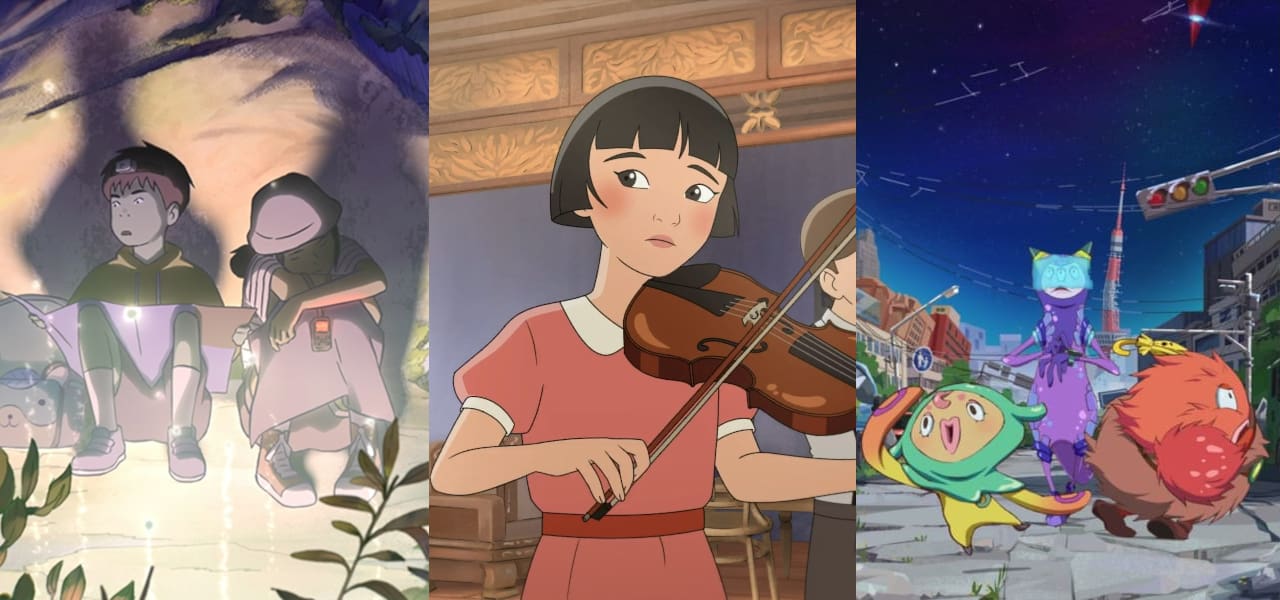
The panel also highlighted concrete examples of how these partnerships function in practice. Ervin Han introduced Robot Playground’s upcoming project, The Banquet for Hungry Ghosts. This anthology film represents a "majority Asian co-production with minority European components." By keeping the core creative and production hubs within Southeast Asia—specifically Singapore, Malaysia, and Taiwan—while outsourcing music and audio post-production to Irish partners, the team successfully utilized a hybrid model that maximizes regional talent while tapping into European technical expertise.

Similarly, Ilan Urroz showcased Foliascope’s Back to Tomioka, a project currently being pitched at the Tokyo Gap Financing Market. The film serves as a blueprint for the modern co-production, involving partners in Poland, Hungary, and Belgium, while relying on Japanese creative leads. Beyond traditional film production, Foliascope is integrating peripheral revenue streams early in the process, such as board games designed by Antoine Bauza and strategic distribution partnerships with platforms like Crunchyroll, which has acquired streaming rights and is collaborating on a dedicated Japanese-language release.
Addressing the "Anime" Paradox
Taiki Sakurai provided a critical counterpoint, addressing the systemic challenges inherent in how "anime" is categorized by international investors. He noted that the term often carries specific, rigid expectations. When a project deviates from these preconceptions, securing funding becomes significantly more difficult. However, when a project successfully aligns with these expectations, it gains a "high level of tolerance" from the market, allowing for creative experimentation.
Sakurai cautioned that success in the industry remains a marathon, not a sprint. He pointed to the career trajectory of Makoto Shinkai, whose international acclaim was the result of a 14-year period of sustained producer support. This serves as a reminder that even with modern co-production frameworks, the core of anime remains the long-term development of directorial vision.
Strategic Implications and Industry Trends
The implications of this shift toward co-production are profound. For Japanese studios, the move is driven by a need to mitigate risk and access capital that is simply not available in the domestic market. For Western partners, the appeal lies in accessing the unique aesthetic and narrative power of the anime medium, which has proven its ability to draw global audiences.
However, the transition is not without friction. Beyond the financial and legal hurdles of international tax law and intellectual property rights, there is the "human" element of production. Urroz noted that France’s "talent visa" system significantly eases the burden of bringing international crews together for extended periods—a stark contrast to the often restrictive labor and immigration laws in the United States and parts of Asia. As the industry moves forward, countries that can streamline the movement of human capital will likely become the preferred hubs for these collaborative ventures.
Conclusion: A Collaborative Future
As the Tokyo International Film Festival and events like TIFFCOM continue to evolve, the discourse surrounding "the new frontier" of anime co-production is expected to intensify. The session on October 29 made it clear that while individual genius remains the soul of anime, the logistical backbone of the industry is becoming increasingly decentralized.
The path forward for Japanese studios involves a dual approach: maintaining the artistic integrity that has defined anime for decades, while simultaneously mastering the administrative and financial languages of the global film industry. By leveraging the structured support of European funds and the agile, private-equity-driven models of Asia, producers are creating a new, hybrid landscape. This trend not only provides a lifeline for ambitious projects that might otherwise remain unproduced but also ensures that the influence of anime continues to permeate global culture, supported by a more resilient and interconnected international network. The coming decade will likely be defined by these cross-border alliances, as the "anime" label evolves from a regional classification into a global standard for collaborative, high-concept animation.
Related posts: