The Cinematic Legacy and Future Concerns of Anime Legend Rintaro at the 31st Busan International Film Festival

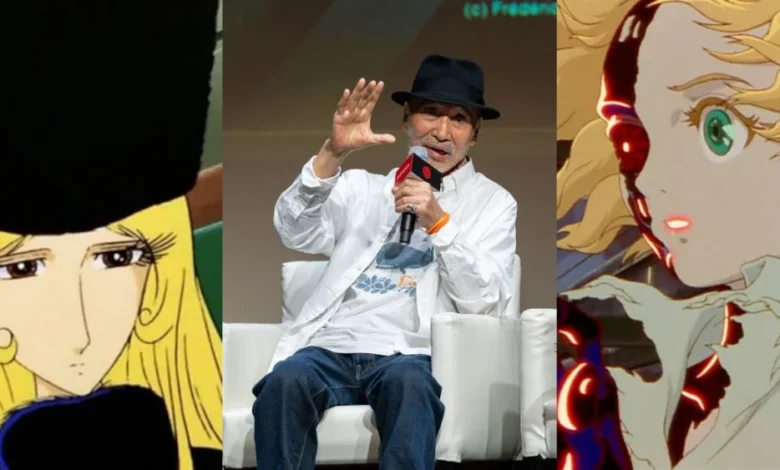
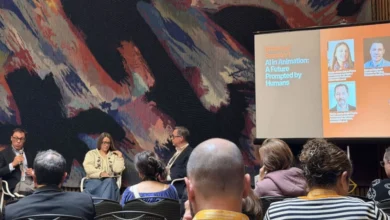
The 31st Busan International Film Festival (BIFF), which took place in South Korea from October 6 to October 15, 2026, served as a global stage for the celebration of Japanese animation history. Among the highlights of the festival’s specialized programming was a dedicated retrospective on the evolution of anime, anchored by the presence of one of the medium’s most influential architects, the director known mononymously as Rintaro. His appearance at the festival—culminating in a masterclass titled "A Living Legend in Japanese Animation"—offered a rare, deep-dive perspective into the intersection of traditional artistic craftsmanship and the looming challenges posed by contemporary technological shifts.
A Career Spanning the Birth of Modern Anime
Rintaro’s professional trajectory provides a comprehensive timeline of the anime industry’s growth from a nascent post-war medium to a global cultural powerhouse. His career began in the late 1950s, a period when Japanese animation was striving to define its own identity separate from Western influence. He was a credited in-between animator on Toei Animation’s The White Snake Enchantress (1958), which holds the distinction of being Japan’s first feature-length color animated film.
Following this foundational period, Rintaro moved into a pivotal partnership with Osamu Tezuka, the "God of Manga," during the formative years of Mushi Production. He served as an episode director for seminal works including Astro Boy (1963) and Kimba the White Lion. These productions were not merely television shows; they were industrial experiments that established the "limited animation" techniques that would come to define the economic and aesthetic model of the Japanese industry for decades.
However, Rintaro’s reputation is firmly cemented by his directorial works in the late 1970s and 1980s, most notably his adaptations of Leiji Matsumoto’s Galaxy Express 999 (1979) and Adieu Galaxy Express 999 (1981). These films shifted the perception of animation from children’s entertainment to complex, melancholic, and deeply cinematic experiences. He later expanded his technical range with The Dagger of Kamui (1985) and the 2001 adaptation of Metropolis, a film that synthesized his lifelong fascination with classic cinema and futuristic architecture.
The Montage Philosophy: A Distinctive Artistic Approach
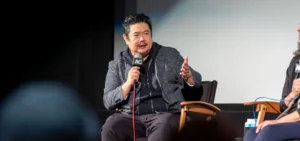
During the roundtable discussion at BIFF, held in collaboration with the Korean film publication Cine21, Rintaro articulated the specific aesthetic philosophy that distinguishes his work from traditional Western animation practices. He described his method as a "collage" or "montage" approach, a deliberate departure from the character-centric fluid motion often favored by studios like Disney.
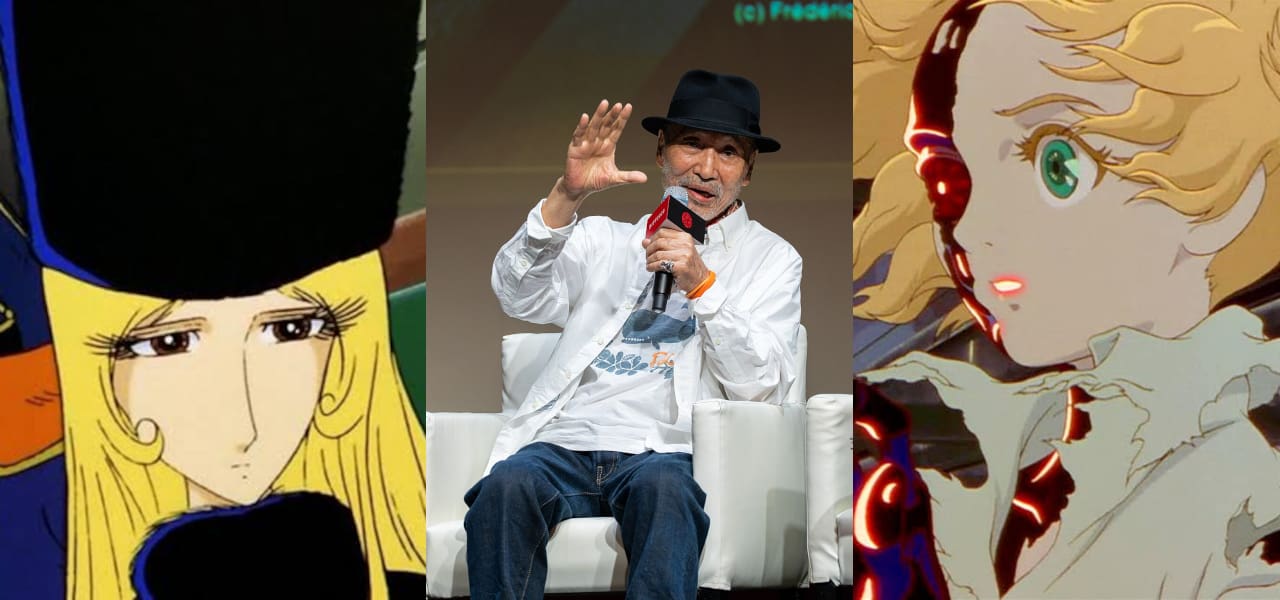
"In Japanese animation, we have a central axis or frame that you follow naturally to create a work of animation, but my work departed from that framework," Rintaro explained. He elaborated that his process involves overlapping montage images to create a sense of depth and pace that mimics live-action cinematography. By treating the frame as a canvas for visual juxtaposition rather than just a vessel for character movement, he successfully introduced a more sophisticated, rhythmic visual language to the medium.
This commitment to the "soul of film" extends to his recent output as well. His 2026 short film, Nezumikozo Jirokichi, serves as a testament to his continued reverence for the silent film era. By studying the techniques of pioneer filmmaker Sadao Yamanaka, Rintaro sought to capture the essence of early cinema, arguing that the fundamental grammar of film established in the silent era remains the most valid and potent tool for any director, regardless of the level of technology available.
The Industry at a Crossroads: Content Saturation and Streaming
A significant portion of the conversation at the Busan festival centered on the existential pressures currently facing the animation industry. Rintaro expressed clear unease regarding the modern consumption model, specifically the transition from serialized weekly viewing to the "binge-watching" culture facilitated by global streaming platforms.
From an industry perspective, the shift toward immediate availability has fundamentally altered the viewer’s relationship with time and anticipation. Rintaro noted that while the convenience is a boon for the consumer, the cultural loss of the "waiting period" between installments removes a layer of engagement that was previously vital to the communal experience of cinema.
This observation ties into a broader concern regarding the commodification of art. As streaming platforms demand a constant influx of content, the incentive structure has shifted toward remakes and established intellectual property (IP) rather than original storytelling. Rintaro posited that the global market’s reliance on "safe" bets—properties with built-in audiences—threatens the future of the medium. He cautioned that if the industry abandons the pursuit of original, high-risk concepts, it will eventually face an artistic dead end.
Artificial Intelligence: A Tool or a Crisis?
Perhaps the most critical segment of Rintaro’s commentary involved the emergence of generative artificial intelligence in the creative sector. His assessment of AI was nuanced, treating the technology as a double-edged blade—a tool that, if handled without extreme caution, could irrevocably erode human creativity.

Rintaro drew a parallel between the market’s reliance on safe remakes and the algorithmic nature of AI. Because AI models are trained to prioritize statistical averages and "safe" outcomes, he argued that they are inherently ill-equipped to produce genuine innovation or take the necessary artistic risks that lead to a "new future."
He shared a cautionary anecdote regarding the loss of human agency, describing a scenario in which a parent used an AI-driven tablet to guide a child through a coloring exercise. The AI provided the "recipe," dictating every color and stroke, resulting in a completed image that left the creator feeling a false sense of accomplishment. To Rintaro, this was a symbolic warning: when we allow technology to dictate the creative process, we sacrifice our ability to think, experiment, and make the very errors that define human artistry.
The Global Responsibility of Modern Creators
As the interview concluded, Rintaro emphasized that the challenge of AI is not merely a technical issue for developers, but a collective burden for the global community of creators. The decision to integrate AI into production pipelines remains, for now, at the discretion of producers, but the long-term impact on visual language and cultural originality is a shared responsibility.
The masterclass at BIFF served as a reminder that Rintaro, at 85, remains a vigilant observer of the medium he helped build. His work has transitioned from the technical experimentation of the 1960s to the philosophical reflections of the 2020s, yet his core concern remains unchanged: the preservation of the director’s voice in a sea of automated content.
The 31st Busan International Film Festival’s focus on these issues highlights the necessity of bridging the gap between industry pioneers and the next generation of animators. As the animation industry stands on the precipice of a radical technological transformation, the insights of figures like Rintaro provide a critical framework for balancing the benefits of modern efficiency with the imperative of artistic integrity. The message is clear: if the industry is to survive as a form of art rather than a mere stream of data, it must resist the pull of the "average" and continue to prioritize the human capacity for, and willingness to accept, the risk of the unknown.