Understanding Copyright Ownership and Privacy Rights in Event and Nightlife Photography

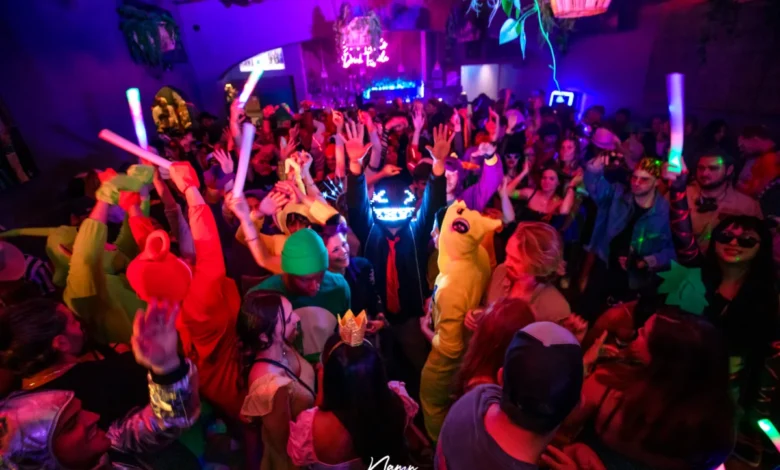
The legal landscape surrounding event photography in private venues—specifically nightclubs, wedding halls, and corporate event spaces—is frequently misunderstood by both freelance photographers and the clients who hire them. In the United States, copyright law is clear: the creator of an image holds the copyright from the moment of shutter release. However, the intersection of intellectual property rights, commercial contracts, and privacy expectations creates a complex environment that requires careful navigation to avoid professional liability and reputational damage.

The Foundation of Copyright Law for Photographers
Under the U.S. Copyright Act of 1976, copyright protection is automatic and instantaneous. When a photographer captures an image, they are the sole owner of the copyright unless they have explicitly entered into a written agreement that transfers those rights to another party. This protection covers the photographer’s right to reproduce, distribute, and display their work.
For event photographers, this means that even when shooting inside a privately owned venue, the venue management does not automatically acquire rights to the images unless a contract dictates otherwise. Problems typically arise when venues or event organizers operate under the misconception that paying for a photographer’s services constitutes a purchase of the copyright itself. In reality, the client is purchasing a license to use the images for specific purposes, not the ownership of the intellectual property.

Distinguishing Employment from Independent Contracting
A critical distinction in copyright ownership is the status of the photographer. If a photographer is hired as a W-2 employee, the images produced are legally classified as "work-for-hire." In this scenario, the employer holds the copyright, as the work was created within the scope of the photographer’s employment. The employee-photographer generally has no claim to the images and must abide by the employer’s mandates regarding image deletion, branding, and distribution.
Conversely, freelance photographers operate as independent contractors. Unless a formal "work-for-hire" agreement is signed, the freelancer retains copyright. Industry experts advise that signing a work-for-hire contract should be approached with extreme caution. Such agreements are usually only advisable when the compensation significantly exceeds market rates or when the photographer receives substantial, quantifiable exposure that benefits their long-term career. Before signing away these rights, legal counsel specializing in intellectual property should review the terms to ensure that the photographer is not inadvertently forfeiting the ability to use their own portfolio for professional self-promotion.

Privacy Expectations and Model Releases in Public-Private Spaces
The question of whether a model release is required for every attendee at a nightclub or public event is a common point of contention. Legally, the threshold for privacy is defined by the "reasonable expectation of privacy." A nightclub, while a private business, is generally considered a public space for the purposes of photography because it is open to the general public for commercial activity.
Consequently, there is no federal requirement for individual model releases in such settings. Venue operators often bolster this by posting signage at entrances stating that, by entering, patrons consent to being photographed or recorded. This "blanket release" serves as a primary defense for the photographer. However, this does not grant carte blanche for unethical behavior. In jurisdictions with stringent privacy laws, such as California and Massachusetts, the law distinguishes between editorial usage and commercial usage. While a photographer may capture an image of a patron in a club for their portfolio or social media (editorial/artistic use), they cannot use that person’s likeness in an advertisement or a commercial brochure without explicit written consent.

Navigating Sensitive Situations and Reputational Management
While the law may permit the capture of an image, the practical reality of professional photography requires a high degree of emotional intelligence. Situations involving wardrobe malfunctions, illicit activities, or individuals who prefer to remain anonymous for personal reasons present significant risks.
From a risk-management perspective, the threat of a lawsuit is often secondary to the threat of a reputational smear campaign. Social media platforms allow for the rapid dissemination of negative feedback, which can damage a photographer’s brand far more effectively than a formal legal challenge. Professional best practices dictate that if a patron objects to being photographed, the photographer should immediately respect their wishes. This "courtesy-first" approach minimizes conflict and preserves the photographer’s relationship with both the venue and the community.

The Celebrity Factor and Professional Protocol
Photographing high-profile individuals requires a distinct set of protocols. While legal rights remain the same in public spaces, the presence of security, managers, or publicists necessitates a different engagement strategy. The consensus among top-tier nightlife photographers is that professional courtesy should govern these interactions.
If a celebrity or their team requests that a photographer avoid specific shots—such as those involving alcohol or intimate social interactions—the photographer should comply. Failing to do so can result in the photographer being blacklisted from future events. The distinction between professional event photography and "paparazzi" behavior is defined by this adherence to agreed-upon boundaries. By operating as a professional documentarian rather than a provocateur, the photographer ensures longevity and credibility in the industry.

Areas of Restricted Access
Even with permission from venue management, there are absolute "no-go" zones. Restrooms, private dressing rooms, and closed-door office spaces are areas where individuals have a high expectation of privacy. Capturing images in these locations can lead to criminal charges, including potential violations of state surveillance and privacy laws. Furthermore, completely enclosed VIP sections should be treated with discretion. While not strictly illegal in all cases to photograph, the expectation of privacy is elevated, and failing to respect these boundaries can result in immediate termination of the photographer’s contract and potential legal action from the venue.
Summary of Best Practices for Event Photographers
For those entering the field, the following guidelines are recommended:

- Contractual Clarity: Always use a contract that clearly outlines usage rights. Avoid "work-for-hire" language unless the compensation reflects the total transfer of ownership.
- Venue Communication: Maintain a clear line of communication with venue management regarding where you are permitted to shoot and what the venue’s internal policy is on guest privacy.
- Conflict Resolution: If a guest objects, do not argue. Smile, apologize, and move on. Attempting to educate a hostile subject on the nuances of privacy law in the middle of a dance floor is counterproductive and unprofessional.
- Portfolio Management: When using photos for professional promotion, ensure that the images do not compromise the safety or reputation of the subjects. If in doubt, exclude the image.
- Legal Consultation: Local laws vary significantly. A contract template that works in one state may be unenforceable in another. Periodic review of your standard contracts by a qualified intellectual property attorney is a necessary business expense.
Ultimately, the successful event photographer balances technical skill with legal awareness and social diplomacy. By protecting their copyright, respecting the privacy of their subjects, and maintaining a professional demeanor, photographers can build a sustainable career while capturing the ephemeral nature of nightlife and event culture. The law provides a framework, but professional conduct ensures that the photographer remains a welcome guest rather than a liability to the events they cover.