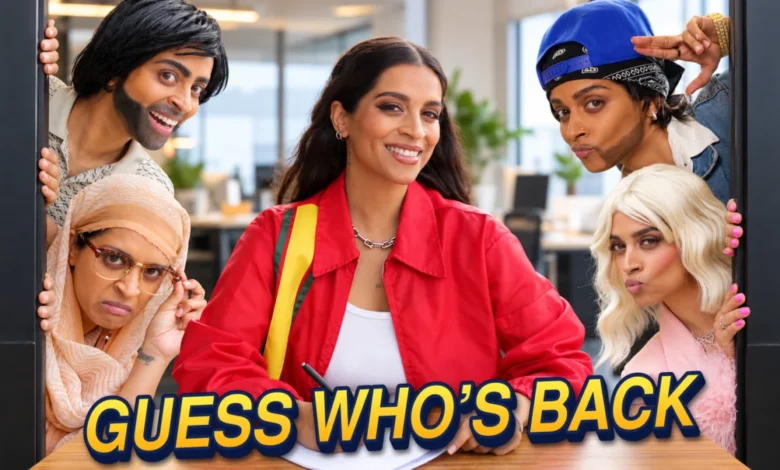
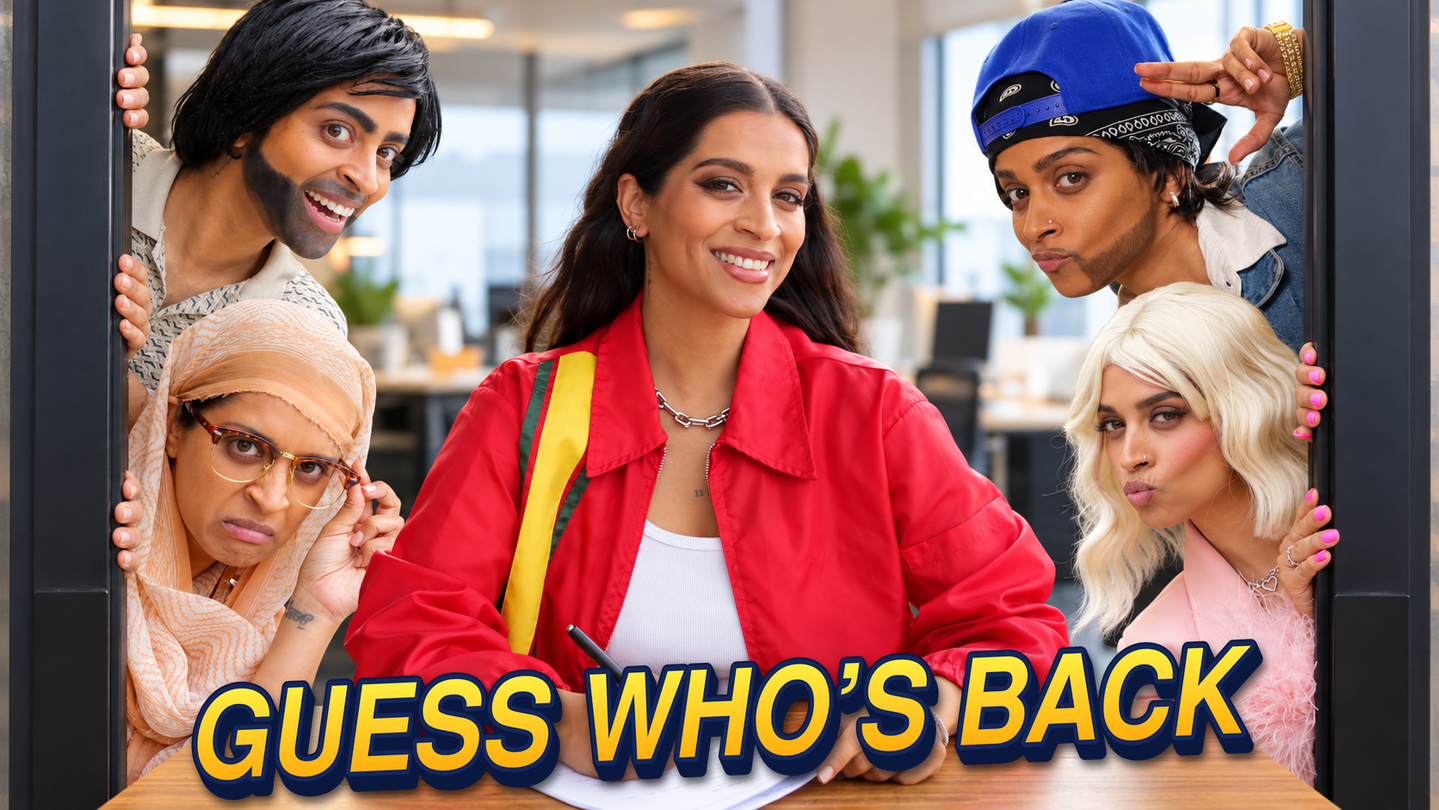
Multihyphenate creator, author, and entertainer Lilly Singh is officially stepping back into the digital arena that launched her career, announcing her return to character-driven sketch comedy on YouTube. Best known globally during her meteoric rise under the moniker IISuperwomanII, Singh spent years attempting to navigate the labyrinthine structures of traditional Hollywood, securing a late-night talk show, publishing a New York Times bestselling book, and taking on major roles in television and film. Her return to the platform is marked by the release of a high-production comeback sketch titled “My First Day Back at YouTube,” signaling a strategic pivot away from studio-mandated gatekeeping toward creator-led autonomy.
The announcement underscores a broader cultural shift within the entertainment industry. For over a decade, the standard trajectory for successful digital creators involved "graduating" from platforms like YouTube into traditional network television, streaming series, and feature films. Singh was one of the foremost pioneers of this cross-over movement. However, her return highlights mounting frustrations among top-tier creators regarding the creative constraints, systemic biases, and archaic gatekeeping pervasive within conventional Hollywood production houses.
From Scarborough Bedroom to Global Stardom: The Chronology of an Icon
Lilly Singh’s journey began in 2010 when she started uploading comedic videos from her bedroom in Scarborough, Ontario. Adopting the channel name IISuperwomanII, she quickly amassed a devoted global audience by leveraging hyper-relatable observational humor, astute cultural commentary, and an array of exaggerated, beloved recurring characters—often playing various members of her own South Asian immigrant family.
By the mid-2010s, Singh had become one of the most recognizable and highest-paid creators on YouTube, culminating in a world tour, a massive subscriber base spanning tens of millions of fans, and international acclaim. Her influence extended beyond digital metrics; in 2019, she made history by entering late-night television as the host of NBC’s A Little Late with Lilly Singh, becoming the first woman of color to host a broadcast network late-night talk show.
Following the conclusion of her late-night venture, Singh pivoted heavily into traditional acting and production, appearing in series such as Hulu’s Dollface, lending her talents to projects involving The Muppets, and independently producing and starring in the feature film Doin’ It. Yet, despite these mainstream milestones, Singh encountered significant creative roadblocks that ultimately catalyzed her decision to return to her independent roots.
The Hollywood Dilemma: Creative Compromise Versus Digital Freedom
Reflecting on her tenure within traditional media, Singh has been candid about the stark contrasts between studio-backed projects and independent digital creation. While she acknowledges the value of collaborative set design, large-scale production departments, and institutional resources gained from working in television and film, she faced persistent institutional friction.
According to Singh, pitching diverse, culturally specific narratives in Hollywood frequently resulted in administrative notes demanding that her work be made "more palatable," "less niche," or "more marketable" to generalized audiences. This pressure to dilute authentic storytelling for mass consumption proved creatively stifling. In contrast, YouTube offers an ecosystem unencumbered by traditional gatekeepers, allowing creators to lean entirely into specificity, cultural nuance, and uncompromised points of view.
Industry analysts note that Singh’s experience mirrors a wider industry evolution. As creator-led indie projects, digital-first feature films, and independent channels increasingly outperform conventional network television in capturing cultural mindshare, the traditional power dynamic has inverted. Modern audiences consistently demonstrate an appetite for authentic, diverse storytelling, rendering antiquated studio assumptions about "niche" content obsolete.
A New Era of Creator Independence and Health-Driven Choices
The decision to return to YouTube was not merely strategic; it was deeply personal. Singh revealed that a challenging year concerning her physical health and immune system directly influenced her artistic choices. Operating within a restricted traditional system that stifled her natural mode of expression took a physical and psychological toll. Rediscovering the pure joy of dressing up as characters, writing situational comedy, and collaborating with peers provided a vital restorative release.
For her comeback sketch, Singh collaborated with prominent digital creators Alan Chikin Chow and Jeenie Weenie, marking a deliberate celebration of the contemporary creator community. The production bridges the gap between her foundational "Team Super" fan base and her evolved comedic voice. While her early sketches focused heavily on teenage experiences, school life, and universal youth milestones, the modern iterations reflect an assured, mature perspective centered on making audiences feel seen rather than chasing aggressive edginess or algorithmic virality.
Global Distribution and the Power of Specificity
Another decisive factor in Singh’s return is the unmatched global distribution infrastructure of YouTube. Traditional Hollywood distribution models frequently present massive logistical hurdles, resulting in regional fragmentation where international fans across India, the United Kingdom, or the Caribbean are unable to access indie feature films or network television projects due to restrictive licensing agreements.
YouTube’s borderless reach solves this problem inherently. Furthermore, Singh emphasizes that digital platforms do not require creators to halt narrative momentum with clunky, expositional explanations of cultural nuances—such as defining Diwali or contextualizing Punjabi and Caribbean idioms for uninitiated executives. On YouTube, creators can embrace cultural specificity without dilution, proving that hyper-specific comedy often translates to broader, more resonant universal humor.
Redefining Success on Digital Platforms
Having achieved the traditional benchmarks of subscribers, late-night hosting chairs, best-selling author status, and global views, Singh’s definition of success has fundamentally transformed. Moving away from the grueling, high-pressure upload schedules of her early career—which required consistent content production multiple times a week—she is now prioritizing creative ambition and mental well-being.
Success, by her current metrics, is measured by the ability to elevate writing, acting, and production value on her own terms, testing ambitious concepts that were once deemed too unconventional for traditional studios. By bridging the production polish learned in Hollywood with the absolute creative freedom of independent digital media, Lilly Singh’s return to YouTube establishes a compelling blueprint for veteran creators seeking sustainable, joyful, and authentic artistic longevity in an evolving digital landscape.