FIFA World Cup 2026 is YouTube’s most-viewed FIFA World Cup in history

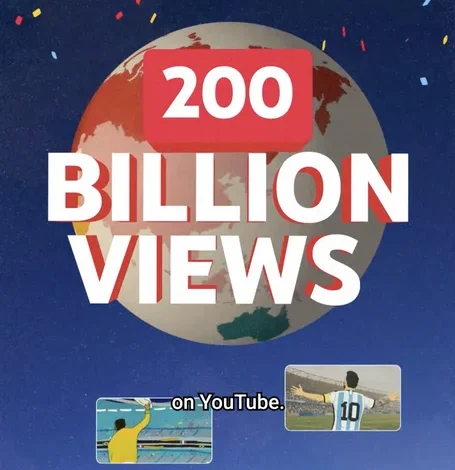
The final whistle has blown on the FIFA World Cup 2026, marking the end of a month-long global spectacle that has not only captivated millions with its thrilling matches but has also redefined how the world consumes sports entertainment. YouTube has emerged as the undisputed digital stadium for this tournament, setting unprecedented viewership records and cementing its position as a central platform for global sporting events. The platform reported that the FIFA World Cup 2026 has become its most-viewed FIFA World Cup in history, shattering previous benchmarks and pushing the cumulative lifetime views for World Cup-related content past an astounding 200 billion.
A Record-Breaking Global Phenomenon on YouTube
The scale of engagement on YouTube during the FIFA World Cup 2026 was nothing short of historic. Over 1.7 billion unique viewers worldwide tuned into World Cup-related videos on the platform throughout the tournament. This figure highlights the platform’s expansive reach, transcending geographical boundaries and offering fans unparalleled access to the beautiful game. Furthermore, the trend of second-screening, where viewers engage with content on a secondary device while watching live television, was evident, with over 550 million viewers utilizing YouTube on their televisions. This indicates a growing preference for integrated viewing experiences, where live broadcasts are complemented by rich digital content.
The pinnacle of the tournament, the final match between Spain and Argentina on July 19, witnessed an extraordinary surge in viewership on YouTube. Official broadcasts of this high-stakes encounter drew an average of over 21 million viewers across more than 40 markets simultaneously. The concurrent viewership peaked at an impressive over 27 million viewers on YouTube during the final, underscoring the platform’s capacity to handle massive live audiences and its role as a primary destination for major sporting events.
FIFA’s Official Channel Dominates Engagement
The FIFA World Cup 2026 also provided a significant boost to FIFA’s official presence on YouTube. Driven by the tournament’s momentum, the official FIFA YouTube channel experienced a remarkable surge in subscribers and views. Between June 11, the tournament’s opening day, and July 19, the channel amassed over 4 billion views and welcomed more than 7.5 million new subscribers. This growth has propelled the channel’s total subscriber count to over 34 million globally, establishing it as a dominant force in sports content on the platform. This strategic partnership between FIFA and YouTube, where YouTube served as the preferred platform, has clearly paid dividends, creating new avenues for fan engagement and content distribution.
The broader context of sports consumption on YouTube further contextualizes these record-breaking numbers. With an estimated 45 billion hours of sports content being consumed annually on the platform, the FIFA World Cup 2026 represents a significant portion of that consumption, demonstrating the platform’s vital role in the modern sports media landscape. This integration of official broadcasts, behind-the-scenes content, and creator-driven narratives offers a holistic viewing experience that resonates with a diverse global audience.
The Rise of Creator-Driven Content
Beyond the official broadcasts, the FIFA World Cup 2026 also saw a significant contribution from YouTube’s vibrant creator community. A curated roster of global creators, with a combined following of 350 million YouTube subscribers, brought a fresh and engaging perspective to the tournament. Their content, ranging from match analyses and fan reactions to vlogs and cultural explorations tied to the event, resonated deeply with viewers. Collectively, YouTube videos related to the FIFA World Cup uploaded by this creator roster accumulated over 2.5 billion views globally. This demonstrates the power of creators in amplifying the reach and engagement of major sporting events, offering authentic and relatable content that complements traditional sports coverage.
A notable innovation during the tournament was the inaugural YouTube FIFA Creator Cup. This exhibition match, held on July 12 in New York City’s Central Park, brought together popular creators and football enthusiasts for a unique on-field event. Led by team captains IShowSpeed and Celine Dept, the official live streams of the Creator Cup drew over 10 million live views globally. This success, amplified across FIFA’s official channel, participating creators’ channels, and official broadcasters, signifies a new frontier in sports entertainment, merging the worlds of digital content creation and live sporting events. This initiative not only provided entertaining content but also fostered a sense of community and interactive engagement around the tournament.
A Timeline of Engagement: From Kick-off to Victory
The engagement on YouTube mirrored the progression of the FIFA World Cup 2026, with viewership and content creation escalating as the tournament advanced.
- Pre-Tournament Buzz (May – Early June 2026): Leading up to the tournament, anticipation built on YouTube with official trailers, team previews, and historical retrospectives garnering significant views. Creators began releasing content analyzing team strategies and predicting outcomes, laying the groundwork for widespread engagement.
- Group Stage Intensification (June 11 – July 2, 2026): As the tournament kicked off, daily viewership on World Cup-related content surged. Live streams of matches, highlights, and instant reactions from creators dominated trending lists. Brazil’s performance, for instance, saw record-breaking engagement on platforms like CazéTV, as highlighted by their own reports, indicating localized fervor.
- Knockout Rounds and Rising Stakes (July 3 – July 18, 2026): The intensity of the knockout stages translated into higher viewership figures. Each match became a major event, with live viewing parties and in-depth analyses becoming crucial for fans. The YouTube FIFA Creator Cup, held during this period, offered a unique diversion and added to the overall buzz.
- The Grand Finale and Post-Tournament Reflection (July 19 – July 21, 2026): The final match between Spain and Argentina generated peak viewership, with millions tuning in to YouTube for the live broadcast and subsequent reaction videos. The days following the final saw a surge in content reflecting on the tournament’s outcomes, celebrating champions, and analyzing the overall impact, pushing total views past the 200 billion mark.
Supporting Data and Trends
The success of the FIFA World Cup 2026 on YouTube can be attributed to several key trends in digital media consumption:
- The Growing Dominance of Live Streaming: YouTube’s robust live-streaming infrastructure proved crucial in delivering high-quality, uninterrupted broadcasts of all matches. This capability is increasingly becoming a standard expectation for major sporting events.
- Personalized Content Consumption: The availability of official broadcasts alongside a vast array of creator-generated content allows viewers to curate their viewing experience according to their preferences, from deep tactical dives to humorous fan perspectives.
- The Power of Community: YouTube’s comment sections, live chat features, and creator collaborations foster a strong sense of community among fans, enhancing the shared experience of watching a global event.
- Global Reach and Accessibility: YouTube’s presence in virtually every country makes it an accessible platform for fans worldwide, democratizing access to major sporting events.
Official Responses and Future Implications
The unprecedented success of the FIFA World Cup 2026 on YouTube has been met with enthusiasm from both FIFA and YouTube. While specific direct quotes from FIFA officials at the time of the article’s original publication are not provided, the partnership’s success speaks volumes. YouTube’s VP of Sports & Entertainment Marketing, Angela Courtin, and VP Global Head of Media & Sports, Justin Connolly, likely view these results as validation of their strategy to invest heavily in sports content and creator partnerships.
The implications of this historic viewership are far-reaching. For FIFA, it signals a successful adaptation to the evolving media landscape, reaching younger demographics and engaging fans in innovative ways. For YouTube, it solidifies its position as a formidable competitor in the live sports streaming arena, potentially influencing future media rights acquisitions and platform strategies. The success also suggests a continued trend towards digital-first consumption of major sporting events, with platforms like YouTube playing an increasingly central role in how fans experience the thrill of competition. The integration of official broadcasts with the authentic voice of creators has proven to be a winning formula, setting a new benchmark for how future global sporting events will be consumed and celebrated online. The FIFA World Cup 2026 on YouTube is not just a record-breaking event; it’s a blueprint for the future of sports media.
Related posts: