YouTube Shorts Custom Thumbnails Are Finally Here and It Is a Bigger Update Than It Might Initially Sound

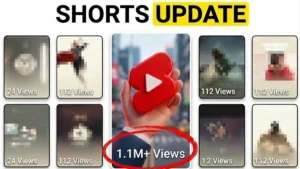
For years, the YouTube Shorts ecosystem operated under a strict constraint that limited the ability of creators to curate their content’s appearance outside of the infinite vertical feed. Unlike long-form video content, which has long allowed for custom-uploaded thumbnails to drive click-through rates (CTR) and define channel branding, Shorts were largely relegated to auto-generated frames or manually spliced "hacks." This era has now concluded with the official rollout of custom thumbnail uploads for YouTube Shorts, a significant shift in platform policy that grants creators granular control over their digital storefronts.
The Evolution of the Shorts Interface
The history of YouTube Shorts is marked by rapid, iterative development. Since the product’s launch in 2020, YouTube has focused on maximizing engagement through an algorithmic, swipe-based interface. In this environment, the video begins playing immediately upon the user’s arrival, rendering a traditional thumbnail unnecessary for the primary consumption path. However, as the Shorts format matured, it became clear that the vertical feed was not the only point of entry.
Creators previously relied on a cumbersome, multi-step workaround to achieve a branded look. This involved editing a static image into the final frame of the video file, uploading the video, and then navigating to YouTube Studio to select that specific frame as the thumbnail—only to often delete that frame later to maintain the video’s pacing. This process was not only inefficient but also prone to technical errors, such as visible artifacts or mismatched metadata. The introduction of a dedicated upload feature removes this friction, signaling a pivot in how YouTube views the long-term utility of Shorts as a searchable asset.

Technical Implementation and Current Limitations
The rollout of this feature, accessible via the desktop version of YouTube Studio, allows creators to bypass the previous constraints. When uploading or editing a Short, users now encounter a "Thumbnail" section within the "Video details" tab. This interface provides three distinct choices: uploading a custom image, selecting a specific frame from the video content, or utilizing an automated suggestion tool powered by YouTube’s backend analysis.
While this functionality is a milestone for content creators, it is currently tethered to the desktop environment. Industry analysts suggest that this limitation is likely due to the complexity of managing file assets and aspect ratio requirements across the mobile app’s streamlined interface. While the mobile app continues to evolve, the requirement for a desktop browser for this specific task remains a point of friction for mobile-first creators who rely exclusively on smartphones for their production workflow.
The Strategic Value of Thumbnails Beyond the Feed
To understand the necessity of this update, one must examine the traffic source data provided by YouTube Analytics. While the majority of Shorts views occur within the dedicated feed, a growing percentage of traffic originates from external search, browse features, and channel pages.
In these contexts, the viewer is presented with a grid or list of options rather than a single, immersive video. When a user performs a search for a specific topic—such as "how to repair a leaky faucet"—the results page displays a combination of long-form videos and Shorts. In this competitive landscape, the thumbnail acts as a visual signifier of quality and relevance. Data suggests that thumbnails with high contrast, minimal text, and clear focal points significantly outperform those that are auto-selected by an algorithm. By allowing creators to define these visuals, YouTube is effectively acknowledging that Shorts are no longer just "snackable" content, but are increasingly functioning as evergreen search assets.

Impact on Search Engine Optimization (SEO)
The integration of custom thumbnails for Shorts has profound implications for SEO, particularly regarding Google’s integration of video results. Google frequently surfaces YouTube Shorts within its search results pages, often alongside a preview image. A custom thumbnail allows a creator to control the "brand promise" of their content before the user clicks.
Fact-based analysis indicates that videos with high-CTR packaging—defined by a combination of clear titles and compelling visuals—receive a compounding benefit. When a Short earns a higher click-through rate, the algorithm perceives the content as more relevant to the search query, which in turn leads to higher placement in search rankings. Consequently, the ability to upload a custom thumbnail is not merely an aesthetic choice; it is a tactical lever for creators looking to capture organic traffic from outside the YouTube platform.
Standardizing the Workflow
The industry standard for video production has historically required a 16:9 aspect ratio for thumbnails. However, Shorts are natively 9:16. This shift necessitates a new approach to graphic design. Creators are now tasked with designing vertical-first thumbnails that remain legible even when scaled down to small preview sizes on mobile devices or search result snippets.
YouTube’s internal data, while proprietary, has consistently shown that the most successful content is that which creates a clear expectation for the viewer. By removing the technical burden of the previous "frame-hack," YouTube is enabling a more professionalized standard for the Shorts format. This move aligns with the platform’s broader goal of keeping high-quality, long-term creators within its ecosystem rather than allowing them to migrate to competing platforms like TikTok, which have also begun to experiment with more sophisticated content management tools.

Future Implications for Content Creators
As the platform continues to refine its tools, the role of the creator is shifting from pure performer to a hybrid of producer and data analyst. The ability to A/B test different thumbnail concepts—a feature already present for long-form video—is a logical next step that many industry experts expect to see implemented for Shorts in the future.
For the small-to-mid-sized channel, the ability to curate a consistent brand identity across both long-form and short-form content is vital. When a viewer clicks through a Short to a channel page, the visual cohesion provided by custom thumbnails helps build trust and brand recognition. This, in turn, is a primary driver of subscriber growth, as viewers are more likely to commit to a channel that appears organized and intentional.
Conclusion: A Maturity Milestone
The transition to official custom thumbnail support is a clear indicator of the maturity of the YouTube Shorts format. By moving away from workarounds and toward standardized, user-friendly tools, YouTube is empowering creators to optimize their content for a wider range of discovery methods.
While the feature is currently desktop-bound and requires an extra step in the upload process, the long-term benefits for channel discovery and branding are substantial. Creators who embrace this change by designing intentional, high-impact thumbnails are likely to see a measurable difference in how their content performs in search and browse environments. As the competition for attention on digital platforms intensifies, the ability to differentiate one’s content through professional, customized visual packaging has become a fundamental requirement for success.