YouTube debuts new Creator Shows at the Venice and Toronto International Film Festivals

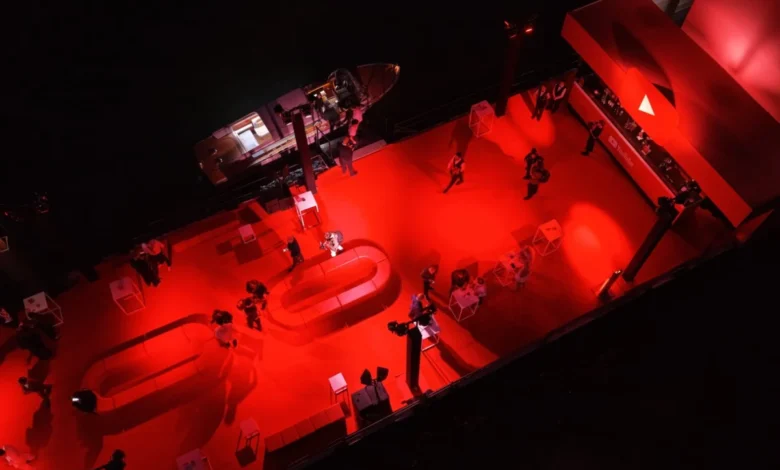
The traditional boundaries separating independent cinema from digital-first entertainment officially dissolved this September as YouTube made a landmark appearance on the global film festival circuit. In a move that signals a seismic shift in how prestige media is produced, distributed, and consumed, the video-sharing platform debuted an exclusive slate of creator-led original shows simultaneously at the 83rd Venice International Film Festival and the 2026 Toronto International Film Festival (TIFF). This dual-festival rollout marks the first time a major technology and user-generated content platform has integrated its programming directly into the official selections of two of the world’s most elite cinematic gatherings, effectively establishing a new paradigm for the entertainment industry.
The curated selection of five distinct projects spans North America, Europe, and Asia, encompassing high-stakes investigative expeditions, international travelogues, and provocative cultural interviews. By bringing these episodic and feature-length digital productions to the red carpets of the Lido and the theaters of Ontario, YouTube and its festival partners have acknowledged a fundamental evolution in media consumption: the creators driving cultural conversations today are no longer confined to computer screens, but are operating at a cinematic level that commands the attention of traditional film critics, industry executives, and global audiences alike.
A New Era for the Fall Festival Circuit
For decades, the September film festival circuit—anchored by Venice, Toronto, and Telluride—has served as the premier launchpad for the autumn theatrical box office and the subsequent Academy Awards race. Traditionally reserved for studio-backed features, prestige documentaries, and auteur-driven international art house cinema, these festivals have faced mounting pressure in recent years to adapt to a rapidly fragmenting media landscape. The rise of streaming services permanently altered the criteria for festival eligibility, and the current infiltration of digital-first creators represents the next logical, albeit revolutionary, step in that evolution.
The inclusion of YouTube creator shows in the 2026 lineups highlights a broader industry trend: traditional gatekeepers are actively seeking out platforms with built-in, highly engaged audiences, while digital creators are increasingly utilizing high-end production values to elevate their storytelling. The resulting collaboration bridges the gap between Hollywood infrastructure and creator-led distribution, offering digital artists unprecedented prestige while providing legacy festivals with fresh avenues to attract younger, digitally native demographics who consume entertainment primarily through mobile and connected-TV interfaces.
Showcase at the Toronto International Film Festival
Opening day at the Toronto International Film Festival set an ambitious tone for the week, blending environmental advocacy with sharp cultural commentary. Mark Vins, renowned for his work with the global wildlife and adventure channel Brave Wilderness, used the festival’s global stage to premiere his feature-length documentary, Reef to Ridge. The ambitious film documents Vins and his specialized production team as they undertake a perilous, high-stakes expedition through the Galápagos Islands. Utilizing state-of-the-art cinematography, the documentary captures rare footage of endangered species in their natural habitats while exploring the fragile ecological balance of the region. Reef to Ridge represents a significant departure from standard YouTube vlogging, offering a cinematic, conservation-focused narrative that rivals traditional nature programming produced by legacy networks like the BBC or National Geographic.
Complementing the environmental focus in Toronto were two brand-new episodes of You’d Be an Iconic Guest, hosted by cultural satirist and multimedia creator Ziwe. Known for her razor-sharp interview style and ability to deftly navigate uncomfortable social and political dynamics, Ziwe brought her signature blend of irony and incisive questioning to the festival. The newly screened episodes, which generated considerable buzz among attendees and critics alike, reinforce the creator’s status as a formidable voice in contemporary comedy and social commentary. Both Vins’ documentary and Ziwe’s series are slated for official release on YouTube later this year, giving the platform’s billions of active monthly users access to the projects that premiered on the festival circuit.
International Storytelling on the Lido: Venice Film Festival
Across the Atlantic, the Venice International Film Festival—the world’s oldest film festival, held annually on the historic Lido di Venezia—focused its YouTube showcase on immersive international documentary storytelling and regional cultural explorations. Italian creator duo theShow captivated audiences with the premiere of The Last Day of Ramadan. The evocative documentary chronicles the creators as they immerse themselves in the rigorous discipline, community traditions, and profound personal meanings associated with fasting during the holy month, offering viewers a nuanced, ground-level perspective on cultural and religious practices.
Continuing the theme of anthropological exploration, storyteller Lati Umani premiered The Mad Honey of the Himalayas. This visually arresting immersive expedition transports viewers to the rugged terrain of Nepal, documenting the Gurung people as they scale dizzying, sheer cliff faces to harvest rare hallucinogenic cliff honey. The documentary marries high-risk adventure reporting with deep cultural preservation, showcasing the extraordinary lengths to which independent creators will go to capture untold human stories.

Rounding out the platform’s diverse offerings in Venice, Rai Cinema presented Zhenia Kazankina’s critically acclaimed short film City of Owls. Previously selected for the Cannes Film Festival, Kazankina’s work added an additional layer of artistic prestige to the YouTube showcase, bridging the worlds of institutional European cinema and digital accessibility.
Official Responses and Industry Perspectives
The convergence of Silicon Valley distribution models and traditional cinematic institutions has drawn widespread attention from corporate leaders and industry analysts alike. Sean Downey, President of Americas and Global Partners at Google, emphasized the historical significance of the partnership during the festival events.
"YouTube is where this generation of entertainment is being built," Downey stated. "Our creators are redefining storytelling across every screen, and partnering with TIFF and the Venice Film Festival to debut these incredible shows proves that YouTube creators aren’t just participating in the future of the industry—they are actively leading it."
Industry insiders have echoed these sentiments, noting that the economics of modern media heavily favor creators who have cultivated direct, unmediated relationships with their audiences. Unlike traditional television or film models, where distribution is heavily gated by studio executives and network programmers, YouTube creators possess real-time data regarding viewer engagement, demographic preferences, and global reach. By bringing these assets into the formal festival ecosystem, creators gain the critical validation of film critics and international distributors, while festivals secure relevance among younger generations who increasingly view traditional cinema as secondary to creator-driven digital content.
Broader Economic and Cultural Implications
The successful deployment of creator-led shows at Venice and Toronto carries profound implications for the future of entertainment financing and distribution. For years, the traditional studio system operated on a distinct hierarchy: ideas originated in independent script development or literary adaptations, secured studio financing, moved through theatrical windows, and eventually trickled down to home video and streaming.
The rise of the creator economy inverts this traditional pipeline. Creators frequently build massive, self-sustaining audiences and secure independent funding or brand partnerships before ever approaching a formal distribution partner. By proving their viability on the red carpets of Venice and Toronto, these creators demonstrate that digital-first intellectual property can successfully transition into prestige, high-art formats without losing its core audience appeal.
Furthermore, this trend is likely to accelerate changes in how film festivals evaluate submissions. As the barrier to entry for high-quality digital production continues to fall—largely driven by advancements in consumer-grade cinema cameras, editing software, and global distribution infrastructure—festivals will face increasing pressure to formalize categories or create dedicated tracks for digital-first creators. This integration helps safeguard the long-term cultural relevance of legacy festivals by ensuring they remain at the center of contemporary storytelling conversations, rather than nostalgic relics of a bygone cinematic era.
Looking Ahead: The Future of the Creator Economy in Cinema
As Mark Vins, Ziwe, theShow, and Lati Umani prepare to roll out their respective projects to YouTube’s global audience in the coming months, the media landscape stands irrevocably altered. The autumn festival circuit has formally acknowledged that the future of independent storytelling is no longer the exclusive domain of traditional filmmakers.
By embracing creators who command audiences numbering in the millions, institutions like TIFF and the Venice Film Festival have validated a decentralized media model where distribution power rests in the hands of individual artists and platforms that prioritize direct audience engagement. As this collaborative ecosystem matures, the line separating Hollywood from the creator economy will continue to blur, paving the way for a more diverse, dynamic, and globally accessible era of cinematic storytelling.