FIFA World Cup 2026™ Becomes YouTube’s Most-Viewed FIFA World Cup in History

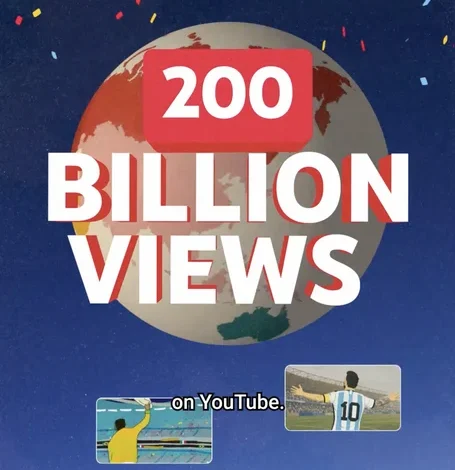
The final whistle has blown on what can only be described as a landmark event in sports broadcasting and fan engagement, as the FIFA World Cup 2026™ has officially cemented its place as YouTube’s most-viewed FIFA World Cup in history. The monumental tournament, held across North America, shattered previous viewership records, propelling lifetime views for FIFA World Cup-related content on the platform beyond an astounding 200 billion. This unprecedented engagement signifies a pivotal shift in how global audiences consume major sporting events, with YouTube emerging as a central hub for comprehensive coverage, from official match streams to unfiltered creator content and innovative fan experiences.
The sheer scale of participation is staggering. Over 1.7 billion unique viewers worldwide tuned into World Cup-related videos on YouTube throughout the tournament. This figure highlights not only the global appeal of football but also YouTube’s expansive reach, connecting fans across diverse geographical and demographic landscapes. Notably, a significant portion of this audience, over 550 million viewers, chose to experience the tournament on their televisions, underscoring the platform’s capability to deliver high-quality, large-screen viewing experiences.
The culmination of the tournament, the final match between Spain and Argentina on July 19, drew an average of over 21 million viewers across more than 40 markets. This remarkable figure reached a peak concurrency of over 27 million viewers on YouTube, a testament to the intense global interest in the championship decider. This level of engagement for a single live event on a digital platform represents a significant milestone, challenging traditional broadcast viewership metrics and pointing towards a future where live sports consumption is increasingly dominated by streaming services.
FIFA’s strategic partnership with YouTube has proven to be a resounding success. The official FIFA YouTube channel experienced an exponential surge in viewership and subscriber growth during the tournament’s peak. Between June 11 and July 19, the channel garnered over 4 billion views and welcomed more than 7.5 million new subscribers, bringing its total global subscriber count to over 34 million. This symbiotic relationship allowed FIFA to connect directly with a vast, engaged audience, while YouTube benefited from exclusive, high-demand content. This partnership not only facilitated direct access to matches but also fostered a richer, more interactive fan experience through supplementary content and community engagement features.
The trend of increasing sports content consumption on YouTube has been evident for some time. With over 45 billion hours of sports content now consumed annually on the platform, the FIFA World Cup 2026™ served as a powerful accelerant. The integration of official broadcasters, such as Brazil’s CazéTV, which set new benchmarks for live broadcasts on YouTube, alongside FIFA’s direct channel and a burgeoning ecosystem of creators, created a multi-faceted viewing experience. This approach catered to a spectrum of fan preferences, from those seeking the traditional broadcast experience to those desiring deeper dives into analysis, commentary, and behind-the-scenes narratives.
A New Era of Fan Engagement: Creators Take Center Stage
Beyond official broadcasts, the FIFA World Cup 2026™ also witnessed a revolution in how content creators engage with major sporting events. A global roster of creators, boasting a combined following of 350 million YouTube subscribers, brought a fresh and dynamic perspective to the tournament. Their content, ranging from match previews and reactions to tactical breakdowns and fan vlogs, accumulated over 2.5 billion views globally. This demonstrates the immense power of creator-led content in amplifying the reach and appeal of major sporting events, tapping into niche fan communities and offering diverse viewpoints that complement official coverage.
The inaugural YouTube FIFA Creator Cup further exemplified this trend, bringing together popular creators for an exhibition match that blended entertainment with the sport. Held in New York’s Central Park on July 12, and captained by prominent figures like IShowSpeed and Celine Dept, the event’s official live streams attracted over 10 million live views globally. This included streams from FIFA’s official channel, the participating creators themselves, and official broadcasters, showcasing a unified approach to content distribution and audience engagement. The success of this initiative suggests a promising avenue for future sporting events, where creator participation can drive significant viewership and foster a more inclusive fan experience.
Historical Context and Precedent
The FIFA World Cup is the most prestigious international association football competition contested by the senior men’s national teams of the members of the Fédération Internationale de Football Association (FIFA), the sport’s global governing body. The tournament has been held every four years since the inaugural tournament in 1930, except in 1942 and 1946 when it was not held because of the Second World War. The 2026 edition marked a significant expansion, being the first World Cup to be jointly hosted by three nations: Canada, Mexico, and the United States. This continental hosting arrangement also contributed to the expanded viewership, allowing for more localized broadcasts and regional engagement.
The increasing integration of digital platforms into major sporting events has been a developing narrative over the past decade. While traditional television networks have long dominated viewership, the rise of streaming services and platforms like YouTube has democratized access and diversified content delivery. Previous World Cups have seen increasing online engagement, but the 2026 tournament represents a quantum leap, with YouTube establishing itself not just as a supplementary platform but as a primary destination for a significant portion of the global audience. This shift is driven by factors such as the convenience of on-demand viewing, the ability to engage with a wider array of content, and the personalized experience that digital platforms offer.
Data-Driven Success: Unpacking the Numbers
The statistics released by YouTube paint a compelling picture of the platform’s dominance during the FIFA World Cup 2026™.
- Total Views: Over 200 billion lifetime views for FIFA World Cup-related content.
- Unique Viewers: 1.7 billion unique viewers globally.
- TV Viewers: Over 550 million viewers watched on their televisions.
- Final Match Viewership: Over 21 million average unique viewers across 40+ markets.
- Peak Concurrent Viewers (Final): Over 27 million.
- FIFA Official Channel: 4 billion views, 7.5 million new subscribers (June 11 – July 19), now over 34 million total subscribers.
- Creator Content Views: Over 2.5 billion views for FIFA World Cup-related videos uploaded by YouTube creators.
- YouTube FIFA Creator Cup: Over 10 million live views globally.
These numbers underscore a significant shift in media consumption habits, particularly within the sports entertainment sector. The accessibility and vast content library of YouTube have proven to be powerful drivers of engagement for a global event of this magnitude. The platform’s ability to seamlessly integrate live broadcasts, on-demand highlights, analysis, and creator content provides a holistic viewing experience that resonates with a modern audience.
Analysis and Implications for the Future of Sports Broadcasting
The unprecedented success of the FIFA World Cup 2026™ on YouTube has profound implications for the future of sports broadcasting and media rights. It signals a growing acceptance and preference for digital platforms, not just for supplementary content but for the core viewing experience. This could lead to a recalibration of media rights negotiations, with platforms like YouTube potentially vying for more exclusive broadcasting deals.
The data also highlights the symbiotic relationship between official rights holders, broadcasters, and digital platforms. YouTube’s role as a preferred platform partner for FIFA, coupled with the engagement of official broadcasters like CazéTV, demonstrates a successful model for maximizing reach and revenue. The ability to offer a diverse range of content – from full match replays to short-form highlights and creator-generated commentary – caters to a broader spectrum of fan interests than traditional broadcasting alone.
Furthermore, the success of the YouTube FIFA Creator Cup suggests a potential blueprint for engaging younger demographics and expanding the sport’s appeal. By empowering creators to put their unique spin on the tournament, YouTube tapped into existing fan communities and generated organic buzz. This approach not only drives viewership but also fosters a sense of community and participation around the event.
The implications extend beyond viewership numbers. The data suggests that YouTube is becoming an indispensable tool for sports organizations to connect with their global fan base, build brand loyalty, and monetize content in innovative ways. As digital consumption continues to rise, other major sporting events and leagues are likely to follow suit, further integrating their strategies with platforms like YouTube to ensure maximum reach and engagement in an increasingly competitive media landscape. The FIFA World Cup 2026™ on YouTube has not just set a record; it has redefined the benchmark for digital sports consumption.