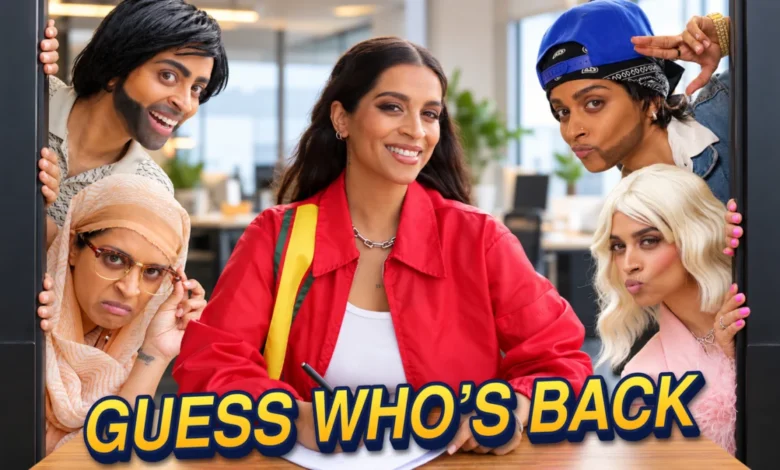
The digital entertainment landscape has experienced a profound shift over the past decade and a half, moving from decentralized, bedroom-produced video blogs to highly capitalized studio systems, and back again into an era where independent creators command massive cultural influence. Few figures embody this migratory arc quite like Lilly Singh. Rising to prominence in 2010 under the moniker IISuperwomanII, Singh filmed hyper-relatable sketch comedy videos from her bedroom in Scarborough, Ontario, pioneering a path for online content creators to build multi-million-follower global empires.
After conquering YouTube—amassing billions of views, writing a New York Times bestselling book, embarking on global comedy tours, and successfully transitioning into traditional Hollywood television and film production—Singh is officially returning to her roots. With the release of her latest major sketch, titled “My First Day Back at YouTube,” Singh is stepping back into character comedy on her own terms. Her reentry into the digital platform highlights a broader industry trend: veteran digital creators are increasingly bypassing traditional gatekeepers in favor of the creative autonomy, direct audience connection, and global reach that native internet platforms provide.
The Evolution of a Digital Pioneer
Lilly Singh’s early career defined the first major wave of YouTube expansion. At a time when digital video production was viewed by mainstream media as a novelty rather than a legitimate career path, Singh utilized observational comedy and exaggerated recurring characters to connect with a diverse, international audience. Her videos frequently tackled universal themes such as parental expectations, cultural nuances, teenage angst, and everyday social awkwardness, resonating deeply with fans who rarely saw themselves represented in Western media.
By the late 2010s, Singh had successfully crossed the threshold into traditional Hollywood infrastructure. She hosted NBC’s late-night talk show A Little Late with Lilly Singh, executive-produced and starred in various television projects, and participated in high-level executive pitch meetings. This trajectory was characteristic of the era’s standard playbook for digital creators: success was historically defined by "graduating" from the internet into network television, feature films, and studio-backed distribution pipelines.
However, this transition into traditional media exposed systemic friction between institutional corporate models and the agile, direct-to-consumer workflows independent creators were accustomed to. While Singh expressed appreciation for the collaborative aspects of working on professional television sets—such as utilizing specialized art, prop, and writing departments—she also encountered significant creative roadblocks that ultimately influenced her decision to pivot back to independent digital media.
Navigating Creative Gatekeepers and Industry Friction
Throughout her tenure in Hollywood, Singh frequently confronted systemic hurdles common among women and creators of color within traditional entertainment ecosystems. In recent interviews discussing her return to YouTube, she noted that traditional studio development processes often demanded that projects be modified to become "more palatable," "more marketable," or "less niche."
This corporate homogenization stands in stark contrast to the core tenets of the creator economy. Singh’s initial success was built on specific cultural references, authentic perspectives, and unapologetic storytelling. When traditional studios attempt to assimilate independent talent into rigid formulas, creators often find their unique voice diluted.
Furthermore, traditional distribution models present logistical barriers for global audiences. Singh highlighted her recent feature film, Doin’ It, noting that conventional international distribution rights and geo-blocking restrictions frequently prevented longtime fans in regions like India, the United Kingdom, and the Caribbean from accessing the content. In contrast, YouTube’s native global infrastructure allows creators to release content instantaneously worldwide without requiring clunky exposition or cultural translation designed for mainstream Western audiences.
The Broader Creator Economy Transformation
Singh’s return to YouTube coincides with a major structural inversion within the entertainment industry. Independent creators are increasingly driving global pop culture and box office successes in ways that legacy networks and traditional studios frequently struggle to replicate. From runaway independent cinematic hits to regional content creators producing viral material in hyper-local dialects across India, the narrative that non-Western or culturally specific content is "too niche" has been repeatedly dismantled by hard data.
Contemporary creators are demonstrating unprecedented leverage. Prominent digital figures are establishing a firm boundary: rather than adapting their content to fit antiquated studio systems, they are compelling the industry to meet them on their own terms. This defiant stance—often described colloquially as "standing ten toes down"—has inspired established veterans like Singh to reclaim their creative independence.
In addition to systemic and creative frustrations, Singh’s decision to return to sketch comedy was deeply influenced by personal well-being. She noted that a challenging health year prompted a reevaluation of her priorities. Working within restrictive institutional frameworks that stifled her primary mode of self-expression took a tangible toll on her nervous and immune systems. Transitioning away from high-pressure corporate obligations back to a state of pure creative play allowed her to rediscover the intrinsic joy of character performance.
A New Chapter on YouTube: Production Value Meets Independence
Singh’s return to YouTube is not merely a nostalgic retreat to her 2010s-era aesthetic, but an evolved evolution of her craft. While maintaining the core observational humor and situational character work that built her reputation, the modern incarnation of her channel reflects a more mature, self-assured perspective. Her comedy no longer targets teenage milestones, but instead speaks from the vantage point of an established adult creator operating free from the necessity of external validation.
Crucially, Singh is merging the high-production standards she absorbed in Hollywood with the absolute creative freedom of the internet. Rather than operating as a solitary, scrappy one-woman crew—as she did during her early daily-vlog and bi-weekly upload era—she is incorporating professional production and art departments into her independent workflow. This hybrid approach enables her to execute ambitious, cinematic concepts without submitting to network censorship or demographic dilution.
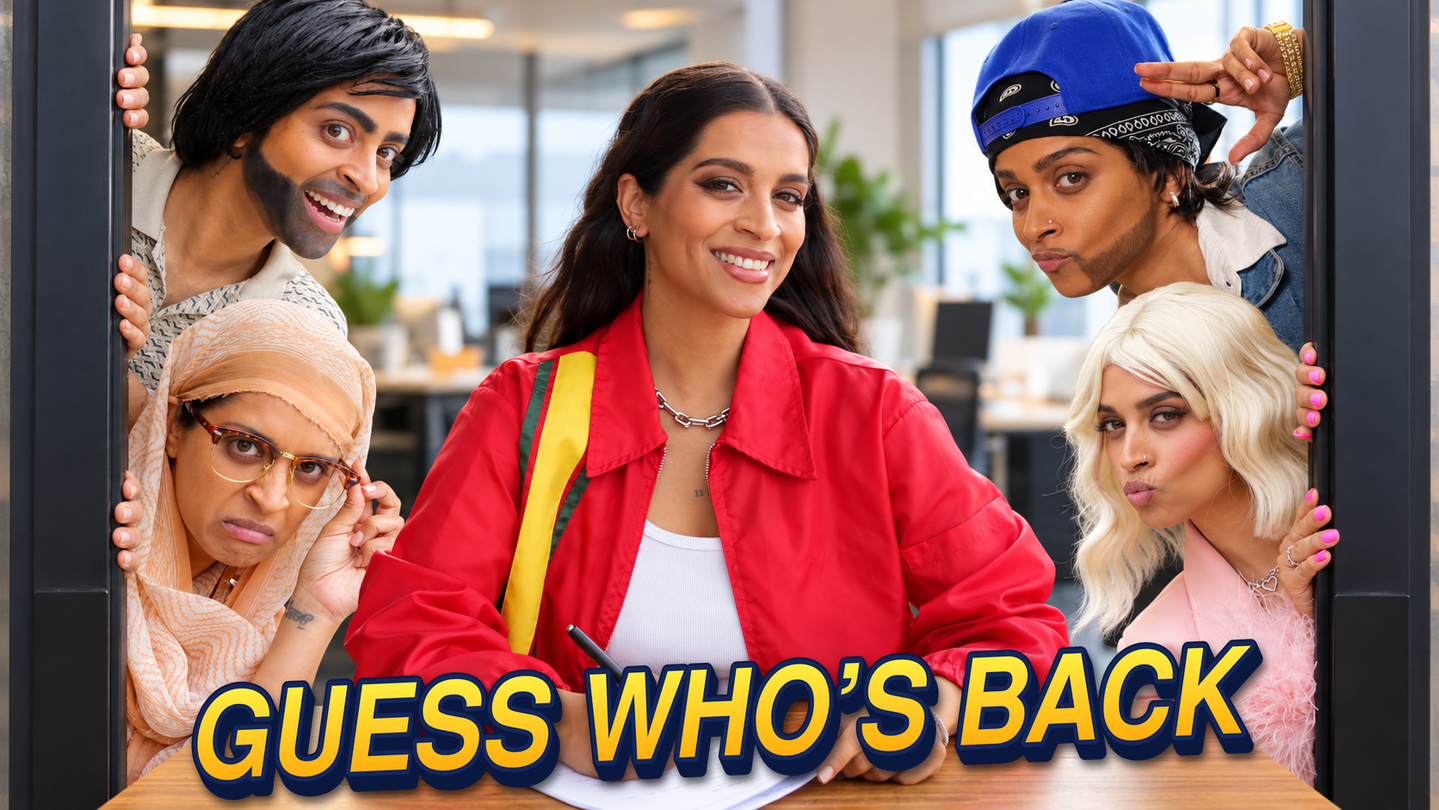
For her comeback sketch, Singh collaborated with fellow prominent digital creators Alan Chikin Chow and Jeenie Weenie, serving both as a nostalgic nod to her earliest supporters and a strategic statement about community-driven media. The project functioned to officially relaunch her channel, reintroduce fan-favorite characters, and re-establish a direct dialogue with her foundational fanbase, affectionately known as "Team Super."
Future Implications and Defining Modern Success
The return of a foundational digital creator like Lilly Singh to native platforms underscores a permanent evolution in the entertainment hierarchy. As traditional television viewership continues to fragment and digital video platforms offer increasingly robust monetization, global distribution, and creative autonomy, the old paradigm of treating the internet as a mere stepping stone to Hollywood is rapidly dissolving.
For Singh, long-term success is no longer quantified by exhausting metric-chasing schedules, mandatory bi-weekly upload quotas, or the approval of studio executives. Instead, it is measured by creative fulfillment, the elevation of independent writing and production, and the preservation of genuine joy in storytelling. By stepping back into character comedy on her own terms, Singh reinforces the foundational truth of the creator economy: authenticity, specificity, and direct community connection will always outpace institutional gatekeeping.