Global Momentum Builds as Nations Implement and Propose Social Media Bans for Children and Adolescents

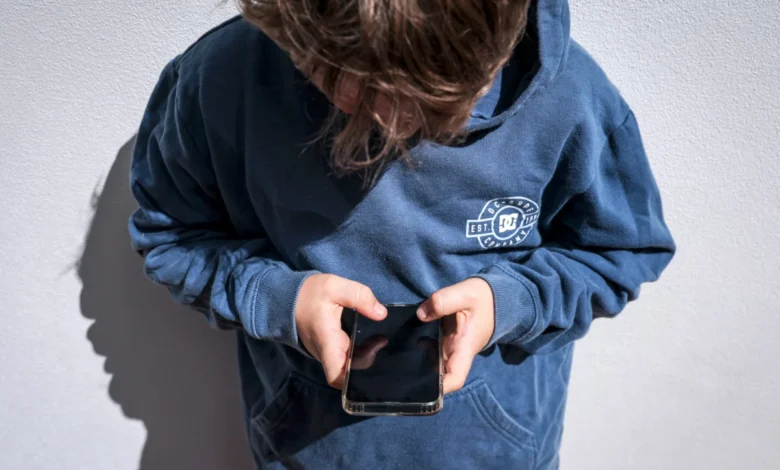
Over the past months, a significant global shift has emerged as numerous countries announce and implement plans to restrict social media access for children and teens. Australia became a pioneering nation at the close of 2025, instituting measures that have since set a compelling precedent, with other countries now closely observing its rollout and implications. France is the latest to join this growing movement, passing legislation to curb access for its younger demographic. This international push is driven by a shared objective: to mitigate the pervasive pressures and inherent risks that young users encounter on social media platforms. These documented harms range from cyberbullying and the insidious grip of addiction to severe mental health issues and perilous exposure to predatory individuals and inappropriate content.
However, this wave of legislative action is not without its complexities and controversies. Significant concerns have been raised regarding the privacy implications of increasingly invasive age verification technologies, as well as the broader question of excessive government intervention in digital lives. Critics, notably organizations like Amnesty Tech, argue that such blanket bans may prove ineffective, failing to address the underlying issues while simultaneously overlooking the fundamental realities of how younger generations interact with the digital world. Despite these reservations, a substantial number of nations are pressing ahead with proposed legislation, signaling a decisive turn in how societies intend to protect their youngest citizens in the digital age.
The Genesis of a Global Concern: Why Governments Are Acting
The impetus behind these widespread governmental actions stems from a confluence of alarming data and growing societal anxieties regarding the impact of social media on youth development and well-being. Decades of research and more recent longitudinal studies have painted a stark picture of the potential downsides of unrestricted social media access for developing minds. Mental health professionals, educators, and parents alike have voiced escalating concerns about the correlation between heavy social media use and a rise in anxiety disorders, depression, body image issues, and sleep disturbances among adolescents.
For instance, the American Psychological Association (APA) has issued advisories highlighting the potential for social media to exacerbate mental health challenges in young people, particularly concerning self-esteem and peer comparison. Studies indicate that adolescents who spend more than three hours a day on social media face a heightened risk of mental health problems, including suicidal ideation. The addictive design of these platforms, characterized by infinite scrolls, reward-based notifications, and personalized content algorithms, has been likened to gambling mechanisms, triggering dopamine responses that can foster compulsive use and dependency. This addictive loop can displace crucial activities for healthy development, such as in-person social interaction, physical activity, and adequate sleep.
Beyond mental health, the digital landscape presents a minefield of other dangers. Cyberbullying, often relentless and inescapable, can have devastating psychological effects. Exposure to inappropriate content—whether violent, sexual, or self-harm-promoting—is a constant threat. Furthermore, the anonymity and accessibility of online platforms create fertile ground for predators seeking to exploit vulnerable young users. Governments argue that the self-regulatory mechanisms of tech companies have proven insufficient in adequately safeguarding minors, thereby necessitating direct legislative intervention.
A Chronology of National Responses: The Legislative Landscape Unfolds
The global movement to restrict youth social media access has gained significant traction, with a growing list of countries either implementing bans or actively drafting legislation. The timelines vary, reflecting different legislative processes and national priorities, but the overarching trend is clear.
Australia: Setting the Precedent (December 2025)
Australia emerged as the global pioneer in December 2025, implementing a comprehensive ban on social media for children under the age of 16. This landmark decision blocks minors from accessing a wide array of popular platforms, including Facebook, Instagram, Snapchat, Threads, TikTok, X, YouTube, Reddit, Twitch, and Kick. Notably, the ban carves out exceptions for messaging services like WhatsApp and educational content platforms such as YouTube Kids, acknowledging their different operational models and perceived risk profiles. The Australian government has placed the onus squarely on social media companies to actively ensure minors are barred from their services. Failure to comply with these stringent regulations carries severe financial penalties, with fines potentially reaching up to AUD $49.5 million (approximately USD $34.4 million). The government mandates that platforms employ multiple, robust verification methods—going beyond simple self-declaration of age—to ascertain that users are indeed over 16, thereby emphasizing the need for advanced age assurance technologies.
France: The Latest to Act (July 2026)
Following Australia’s lead, France swiftly moved forward, passing a law on July 21, 2026, to prohibit social media access for anyone under 15. This legislation is anticipated to become effective as early as September 1, 2026. Demonstrating a holistic approach to digital well-being for youth, the new law also extends the existing ban on cellphones in primary and middle schools to include high schools, underscoring a broader governmental commitment to reducing screen time and fostering real-world interaction among students.
Denmark: Building Cross-Party Consensus (November 2025, Mid-2026)
Denmark signaled its intent in November 2025, announcing plans to ban social media platforms for children under 15. The Danish government successfully secured broad parliamentary support for this measure, garnering backing from its three governing coalition parties and two opposition parties. This cross-party consensus suggests strong national resolve. The legislation is projected to become law by mid-2026. Complementing the ban, the Danish digital affairs ministry is developing a "digital evidence" app, designed to incorporate age verification tools that will be integral to the enforcement of the new restrictions.
Austria: Drafting Legislation (March 2026, June 2026)
In late March 2026, Austria declared its intention to ban social media for children up to the age of 14. Draft legislation outlining the specifics of this ban is expected to be finalized by June 2026, indicating a swift legislative process.
Canada: Digital Safety Bill (June 2026)
The Canadian government introduced a comprehensive digital safety bill in early June 2026, which includes provisions to ban social media for children under 16. The proposed legislation, however, offers a potential pathway for social media companies to sidestep the ban: they can do so if they can demonstrably prove that they have robust policies and mechanisms in place to effectively protect young users. Officials anticipate that the bill’s passage through parliament could take approximately a year.
Greece: Tackling Addiction and Mental Health (April 2026, January 2027)
Greek Prime Minister Kyriakos Mitsotakis announced in April 2026 that Greece would ban social media access for children under 15, with an effective date of January 2027. Mitsotakis explicitly framed the move as a direct response to rising rates of anxiety and sleep problems among children, as well as a strategic measure to combat the inherently addictive design features of social media platforms.
Indonesia: Broad Platform Restrictions (March 2026)
Indonesia, in early March 2026, announced its decision to ban children under 16 from using social media and other popular online platforms. The country plans to initiate this ban by targeting a wide array of services, including YouTube, TikTok, Facebook, Instagram, Threads, X, Bigo Live, and Roblox, indicating a comprehensive approach to limiting youth exposure.
Malaysia: Anticipated Implementation (November 2025, 2026)
In November 2025, the Malaysian government revealed its plans to ban social media for children under 16, with an anticipated implementation date within 2026. This move aligns Malaysia with other Asian nations expressing similar concerns.
Poland: Drafting New Legislation (February 2026)
In February 2026, Bloomberg reported that Poland’s ruling party was actively drafting new legislation aimed at banning children under 15 from using social media, signaling a proactive stance on youth digital safety.
Slovenia: Focusing on Content Sharing Platforms (February 2026)
Slovenia’s deputy prime minister announced in early February 2026 that the country was drafting legislation to prohibit children under 15 from accessing social media. The government’s focus is particularly on regulating social networks where content sharing is prevalent, specifically citing platforms such as TikTok, Snapchat, and Instagram.
Spain: Holding Executives Accountable (February 2026)
Spain’s Prime Minister announced in early February 2026 plans to ban social media for children under 16, a measure that still requires parliamentary approval. Uniquely, the Spanish government is also pursuing legislation that would hold social media executives personally accountable for the presence of illegal or hateful content on their platforms, suggesting a dual approach of user restriction and platform responsibility.
Turkey: Parliamentary Approval (April 2026)
In April 2026, the Turkish parliament passed a bill designed to restrict social media access for children under 15. The legislation now awaits the acceptance of Turkish President Recep Tayyip Erdogan to officially become law.
United Kingdom: Acknowledging Challenges (June 2026, Spring 2027)
On June 15, 2026, U.K. Prime Minister Keir Starmer announced his government’s intention to impose a ban on social media use for children under 16. The proposed ban would encompass major platforms such as Snapchat, TikTok, YouTube, Instagram, Facebook, and X. Similar to Australia, messaging services like WhatsApp and Signal would be excluded. Furthermore, the UK’s proposal extends to limitations on AI tools, specifically mandating that AI "romantic companion" chatbots be restricted to users aged 18 and over. While Starmer acknowledged the inherent challenges in enforcing such a comprehensive ban, he expressed confidence in its feasibility, with an estimated implementation date by spring 2027.
Germany: Internal Deliberations (February 2026)
In early February 2026, discussions within German Chancellor Friedrich Merz’s conservative party explored a proposal to bar children under 16 from using social media. However, initial indications suggested hesitancy from his center-left coalition partners to fully support an outright ban, highlighting potential political complexities in Germany’s approach.
Broader Implications and Challenges of Enforcement
The global push for social media bans on minors introduces a complex web of implications, extending from technological hurdles and privacy concerns to questions of effectiveness and the future of digital interaction.
The Age Verification Conundrum:
Central to the viability of these bans is the challenge of age verification. Governments are demanding that platforms move beyond self-declaration, but implementing robust, reliable, and privacy-compliant age verification systems is a monumental task. Methods currently under consideration or development include:
- AI-powered Facial Analysis: Analyzing facial features to estimate age, raising concerns about accuracy, bias, and biometric data collection.
- Government-issued Digital IDs: Requiring integration with national digital identification systems, which may not exist in all countries or could face public resistance over surveillance fears.
- Credit Card Verification (Parental Consent): Requiring parents to link a payment method to verify age and consent, which could exclude lower-income families or those without credit cards.
- Third-party Verification Services: Relying on specialized companies to perform checks, introducing data sharing complexities.
Each method presents significant privacy trade-offs. Amnesty Tech’s concerns about "invasive age verification" are well-founded, as such systems often require the collection of sensitive personal data, raising fears about data breaches, misuse, and the creation of comprehensive digital profiles of citizens, including minors. The potential for a surveillance infrastructure under the guise of child protection is a significant ethical debate.
Effectiveness and Circumvention:
Critics argue that outright bans might be an "ineffective quick fix" that fails to address the underlying issues of digital literacy and responsible use. Young people are notoriously adept at circumventing restrictions. Potential workarounds include:
- Using Parental Accounts: Children might simply use their parents’ or older siblings’ accounts, making enforcement at the user level difficult.
- Fake IDs and VPNs: Sophisticated minors might use fabricated identification or virtual private networks (VPNs) to bypass geographical or age-based restrictions.
- Migration to Unregulated Platforms: Banning mainstream platforms could push young users towards less moderated, more obscure, or even illicit online spaces, where dangers might be amplified due to a lack of oversight. This could paradoxically increase exposure to risks.
- Peer Pressure: Social dynamics might compel children to find ways around bans to maintain social connections, potentially leading to more secretive and less supervised online behavior.
The Role of Digital Literacy and Parental Guidance:
Many experts contend that bans alone are insufficient. Instead, they advocate for a multi-pronged approach that heavily emphasizes digital literacy education, critical thinking skills, and robust parental guidance. Equipping children with the tools to navigate the online world safely, understand media manipulation, and manage their screen time could be more sustainable than outright prohibition. The bans, however, may serve as a crucial circuit breaker, providing a window for these educational efforts to take root.
Economic and Geopolitical Impact:
For social media giants, these bans represent a significant challenge. Compliance will require substantial investment in new technologies and personnel, alongside the risk of hefty fines. This could lead to a re-evaluation of business models for engaging with younger demographics. Furthermore, a fragmented global regulatory landscape—where different countries have different age limits and enforcement mechanisms—creates a complex operating environment for international tech companies. The shift could also spark innovation in child-safe digital products and services, or conversely, lead to a retreat from certain markets if compliance costs become prohibitive.
The global surge in legislative action against social media access for minors marks a critical juncture in the ongoing dialogue between technology, society, and governance. While the motivations are rooted in genuine concerns for child welfare, the path forward is fraught with technological, ethical, and practical challenges. The coming years, particularly through 2027, will be crucial in observing how these diverse national experiments in digital regulation unfold, and whether they truly achieve their ambitious goals of safeguarding the next generation in an increasingly interconnected world.