Pinterest Streamlines Ads Manager: What Advertisers Need to Know About the New Campaign Objectives

Pinterest has officially rolled out a series of updates to its Ads Manager platform, renaming several key campaign objectives designed to simplify the advertising setup process. By shifting terminology around Conversions and Catalog Sales, the visual discovery platform aims to provide clearer alignment between digital marketing strategies and tangible business outcomes. The move comes as part of a broader, industry-wide trend among social media and search platforms to make ad tooling more intuitive for both seasoned enterprise brands and small-to-medium-sized businesses (SMBs) venturing into paid social for the first time.
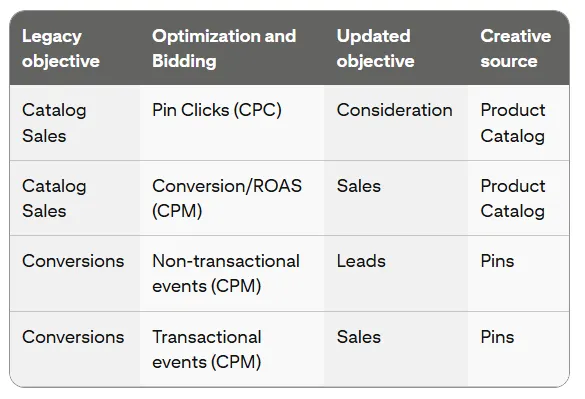
The core of the update centers on how Pinterest categorizes user actions. Previously, advertisers relied heavily on broad categories like Conversions and Catalog Sales, which occasionally required deeper technical interpretation to determine the exact campaign structure needed for non-transactional goals versus direct-purchase funnels. Under the newly restructured framework, these overarching options have been updated and refocused into more descriptive classifications, specifically highlighting Leads, Sales, and Consideration in varying contexts.
Strategic Breakdown of the Updated Objectives
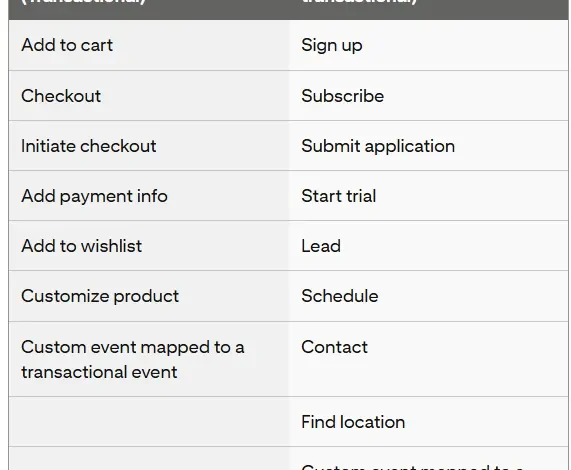
To assist media buyers and marketing teams in navigating the transition, Pinterest has published an updated directory of objective listings. This guide is intended to remove guesswork when mapping creative assets and target audiences to specific corporate Key Performance Indicators (KPIs).
According to official platform documentation, the updated objectives serve distinct functions within the marketing funnel. Leads campaigns are now explicitly designated to drive non-transactional outcomes, encompassing actions such as newsletter sign-ups, form submissions, consultations, and preliminary user registrations. Conversely, Sales campaigns are strictly tailored to drive transactional outcomes, targeting direct revenue-generating actions including online checkouts, online purchases, and additions to digital shopping carts.
By separating these definitions, Pinterest is addressing common friction points where advertisers previously had to dig into granular settings to ensure optimization algorithms were favoring the correct bottom-of-the-funnel metric. The Consideration objective remains a critical pillar for brands looking to build top-of-funnel brand awareness, increase site traffic, and encourage video views among Pinterest’s highly intentional user base, which frequently uses the platform for pre-purchase planning and inspiration.
Zero Disruption to Active Campaigns and Machine Learning

One of the primary concerns for digital marketers whenever an ad platform modifies its user interface or nomenclature is the potential disruption to ongoing campaigns, historical data, and machine learning ramp times. Pinterest has proactively addressed these anxieties by confirming that the updates are purely cosmetic and structural within the user interface rather than algorithmic.
Advertisers will not experience any performance fluctuations, drop-offs in delivery, or forced re-learning periods as a direct result of these naming conventions. The platform’s machine learning systems will continue to optimize ad delivery based on the underlying creative sources and historical audience signals established within each ad group.
Furthermore, Pinterest has implemented a generous grace period to allow brands and agencies sufficient time to audit and transition their existing account structures. Existing Conversions and Catalog Sales campaigns will remain fully editable until April 30, 2027. This extended runway ensures that long-term marketing strategies, evergreen promotional setups, and automated workflows are not abruptly compromised. However, once the April 2027 deadline passes, any legacy campaigns utilizing the old naming conventions will be automatically archived by the system.
Context and Industry Trends in Ad Tech Simplification
Pinterest’s decision to refine its Ads Manager objectives does not happen in a vacuum. Over the past several years, the digital advertising ecosystem has witnessed a concerted push toward UI/UX simplification across nearly every major walled garden, including Meta, Google, and TikTok.
As programmatic advertising has evolved, platforms have increasingly shifted away from complex, hyper-technical campaign setups in favor of outcome-based advertising frameworks. Meta’s introduction of "Advantage+" campaigns and Google’s heavy push toward "Performance Max" signal a broader industry movement where platforms attempt to abstract the underlying technical complexity away from the advertiser. Instead of forcing marketers to manually configure dozens of granular targeting parameters and bidding toggles, modern ad platforms are asking a fundamental question: "What is your business goal?"
Pinterest’s recent modifications align seamlessly with this philosophy. By anchoring ad objectives directly to business outcomes like "Leads" and "Sales," Pinterest is lowering the barrier to entry for retail brands, direct-to-consumer (DTC) startups, and B2B marketers. This is particularly vital for Pinterest, a platform uniquely positioned at the intersection of inspiration and commerce. Users routinely turn to Pinterest not for social validation or entertainment, but to plan future projects, home renovations, fashion updates, and holiday shopping sprees. Consequently, making it easier for brands to capture high-intent buyers through streamlined sales campaigns directly supports Pinterest’s ongoing commercial monetization goals.
Implications for Media Buyers, Agencies, and Small Businesses
For enterprise media buying teams and digital marketing agencies managing multi-channel ad spend, the update requires minor operational adjustments. Standard operating procedures (SOPs), internal naming conventions, and client reporting templates will need to be updated to reflect the new terminology. Agency account managers will also need to brief clients on the changes to preempt any confusion when reviewing campaign architecture in Ads Manager.
For small-to-medium-sized businesses—many of whom manage their own advertising without dedicated agency support—the updates are expected to be overwhelmingly positive. SMBs frequently cite platform complexity as a primary deterrent to scaling their digital ad budgets. By using intuitive, outcome-oriented language like "Leads" and "Sales," Pinterest reduces cognitive load and helps business owners make faster, more confident decisions regarding where to allocate their capital.
Additionally, internal media training materials and platform certifications will need to be revised. Educational resources provided by Pinterest, such as Pinterest Academy, are anticipated to reflect these changes in upcoming curriculum updates, ensuring that new digital marketers learn the modernized framework from day one.
Looking Ahead: The Road to 2027
While the transition period extends for over three years, giving digital marketers ample time to adapt, best practices suggest that account teams should begin adopting the new terminology immediately in all newly created campaigns. Transitioning new builds to the updated "Leads" and "Sales" objectives will prevent organizational confusion and ensure that historical reporting remains clean and standardized moving forward.
As Pinterest continues to expand its ad tech stack—integrating more advanced measurement tools, enhanced API tracking capabilities, and streamlined checkout integrations—ensuring that the foundational UI remains crystal clear is vital for long-term platform growth. By removing semantic ambiguity from campaign creation, Pinterest is reinforcing its value proposition as a premier, high-intent discovery engine where business goals seamlessly translate into measurable digital outcomes.