The landscape of social media management has undergone a profound transformation over the last decade, evolving from simple scheduling tools into complex data-driven ecosystems. Buffer, a long-standing player in the social media management space, has officially launched its comprehensive analytics suite, Buffer Insights. This new offering represents a significant shift in how social media professionals approach performance measurement across a fragmented digital landscape. As platforms like Instagram, Facebook, X, LinkedIn, TikTok, Pinterest, Threads, Substack Notes, Bluesky, YouTube, and Mastodon continue to diverge in their algorithmic requirements, the ability to aggregate data into a single, cohesive view has become a necessity rather than a luxury for digital marketers.
The release of Buffer Insights arrives at a critical juncture for the industry. Recent surveys from the Content Marketing Institute suggest that over 60 percent of B2B marketers struggle to demonstrate the return on investment (ROI) of their social media efforts. By providing a centralized dashboard that tracks follower growth, engagement rates, and impressions across 11 major platforms, Buffer is positioning its new suite as a foundational tool for data-backed strategy.
Chronology of the Analytics Evolution
The trajectory of social media analytics has moved through three distinct phases: manual spreadsheet tracking, fragmented platform-native dashboards, and now, integrated multi-platform aggregation. Buffer’s development of this suite follows a period of rapid diversification in social media consumption habits. Between 2020 and 2025, the rise of short-form video and decentralized platforms like Mastodon and Bluesky created a "data silo" problem for social media managers.
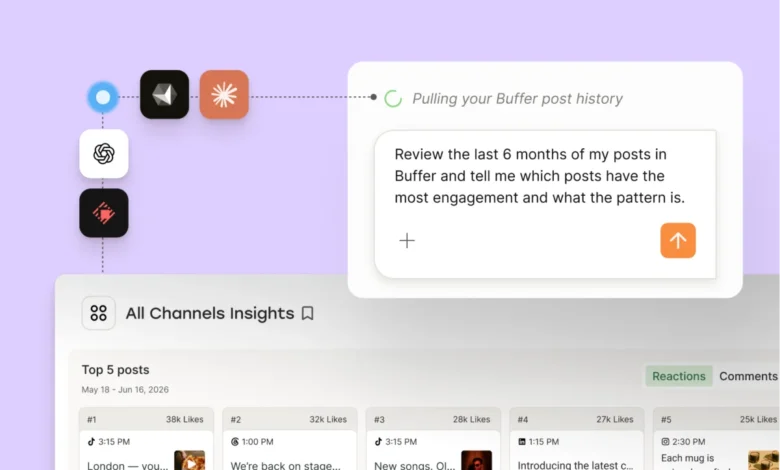
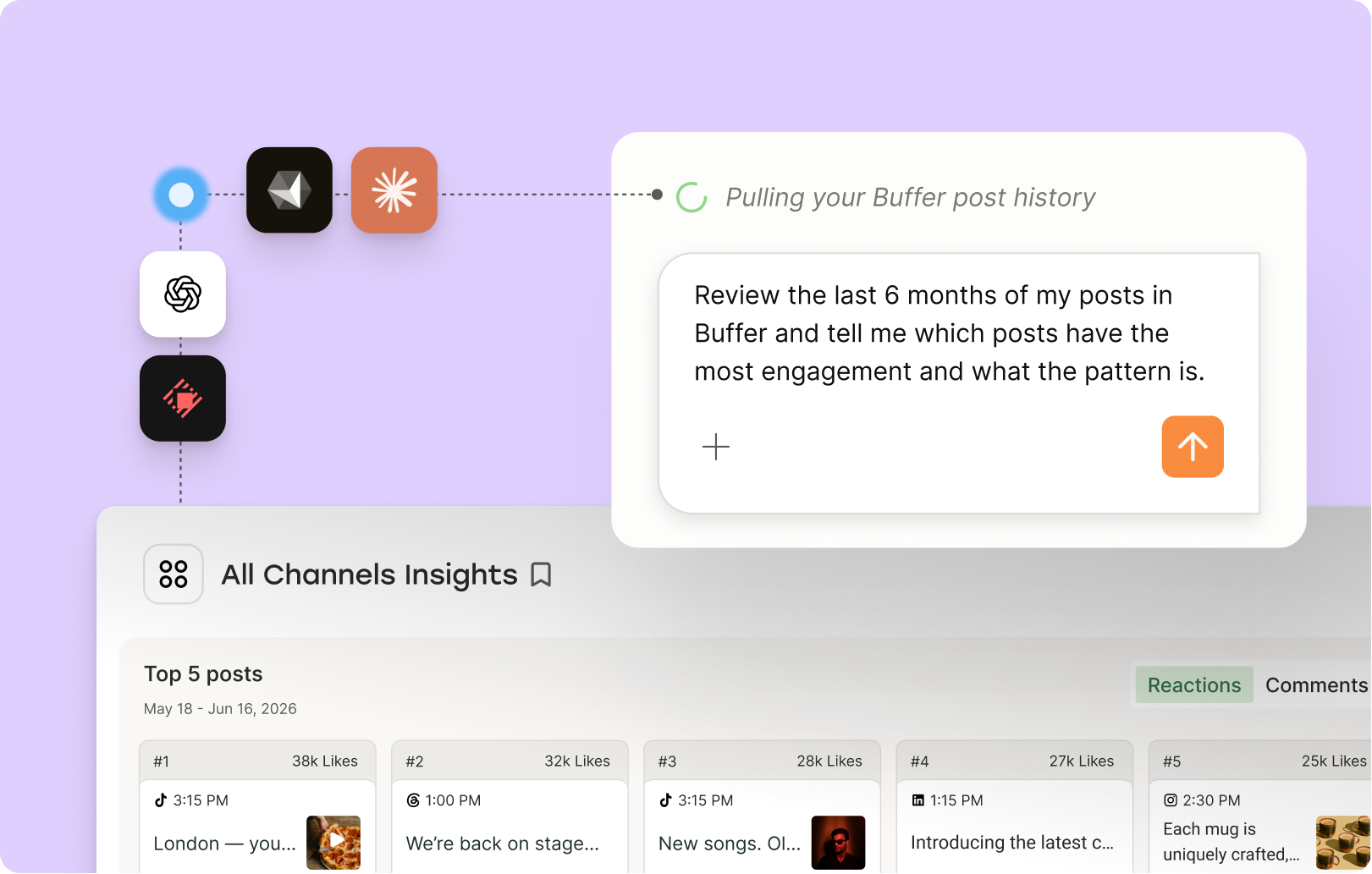
Buffer’s strategy has been to bridge these gaps. By integrating an MCP (Model Context Protocol) that facilitates direct communication between historical performance data and large language models (LLMs) such as Claude and ChatGPT, the company has effectively automated the synthesis of raw data into actionable content planning. This transition from retrospective reporting to prospective planning marks a departure from traditional analytics tools that functioned solely as "rear-view mirrors."
The Functional Core: A Technical Breakdown
The architecture of Buffer Insights is built on four primary pillars designed to streamline the workflow of high-volume social media teams.
1. Integration of Large Language Models
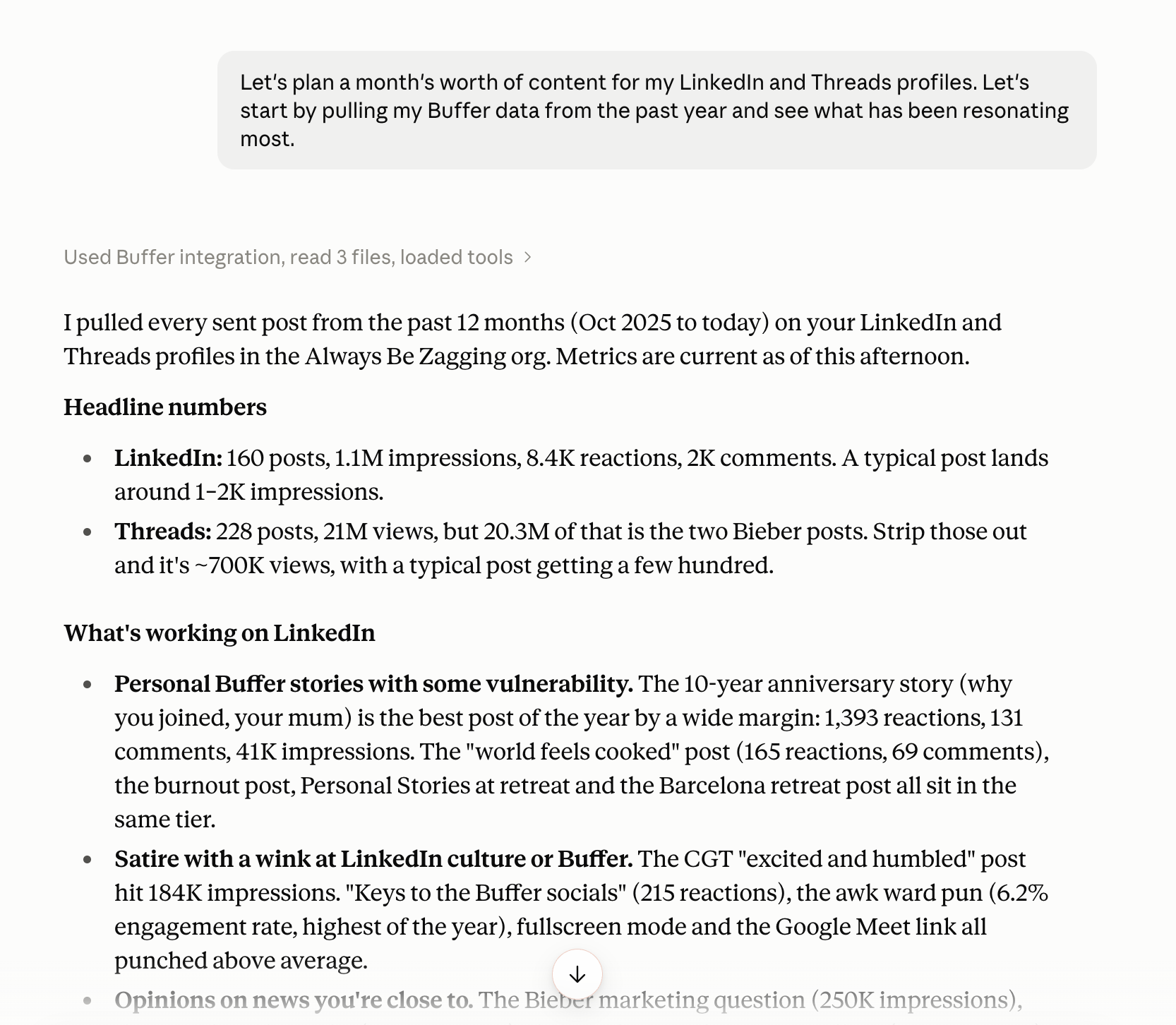
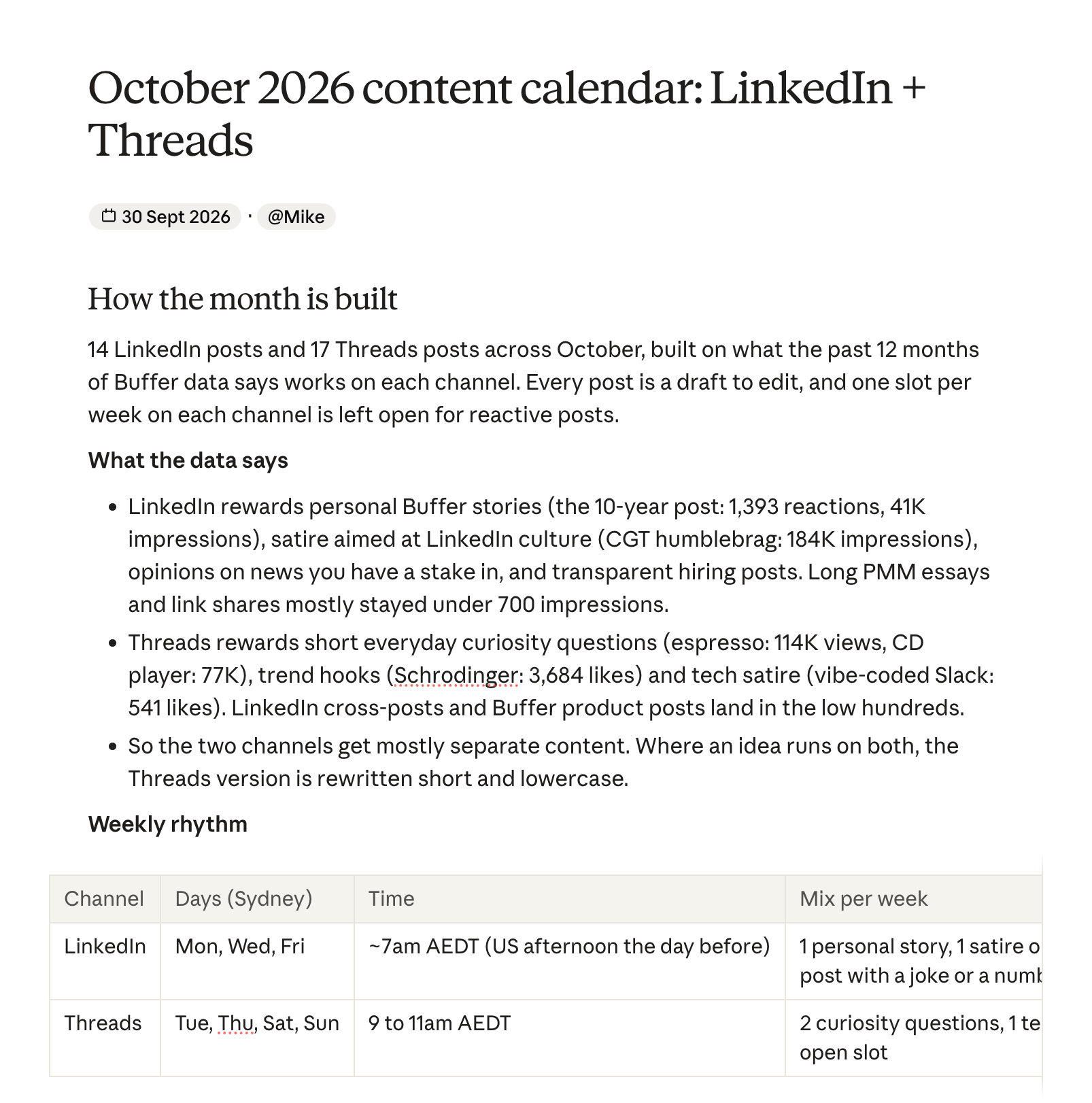
The most notable feature of the new suite is its native connector for AI models. Unlike previous iterations of AI-assisted marketing tools that generated generic content, this connector allows for the ingestion of specific, private performance data. By querying a model with prompts—such as requesting a content strategy based on the top-performing themes of the previous 12 months—marketers can bypass the manual data synthesis process. This capability addresses the "cold start" problem in content planning, where marketers often spend hours analyzing previous metrics before drafting a single post.
2. The Weekly Pulse Dashboard
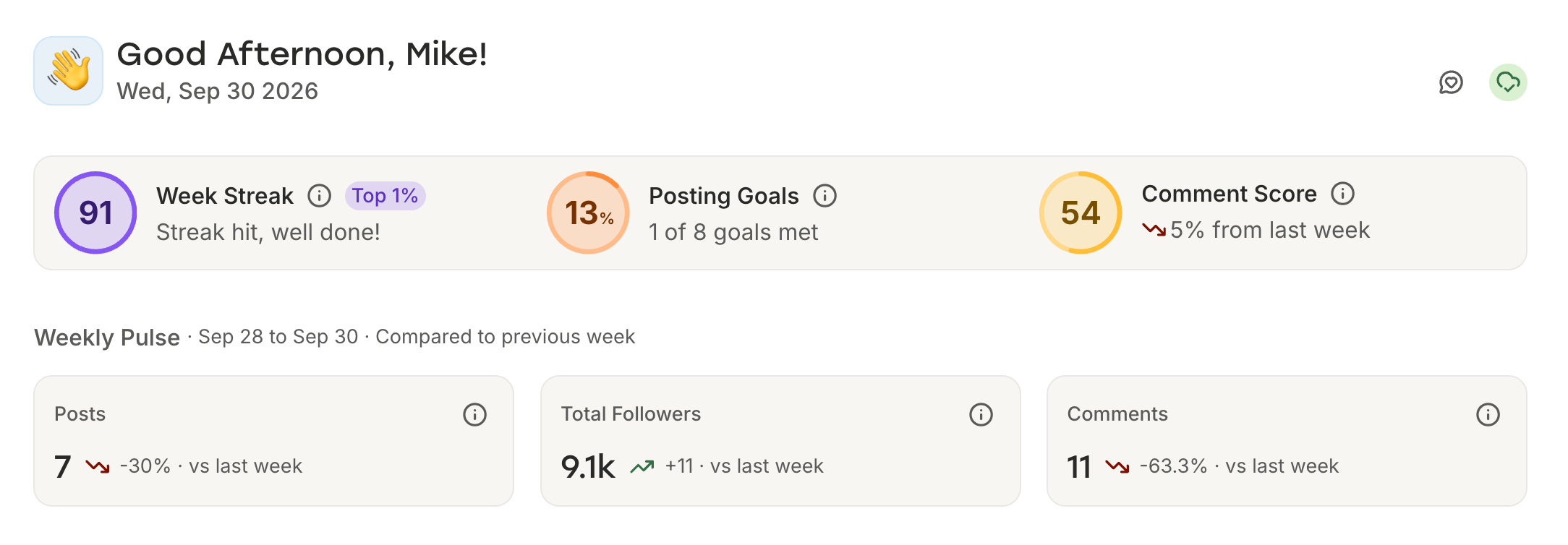
The Weekly Pulse serves as the command center for real-time adjustments. In an environment where viral trends can shift the efficacy of a scheduled post within hours, the ability to view cumulative engagement scores and follower trends in one place allows for agile pivots. Data indicates that community engagement, specifically active responses to user comments, correlates positively with reach on almost every major social platform. The Pulse module highlights these engagement metrics, emphasizing the necessity of two-way communication in modern social strategy.
3. Granular Performance Tagging
The tagging feature within the Insights suite introduces a layer of metadata that allows for historical benchmarking. By applying tags to posts at the point of scheduling, organizations can group content based on specific campaigns, product launches, or content pillars. For instance, an organization launching a new integration—such as the recent Substack Notes feature—can isolate the performance of those specific posts across all platforms. This allows for a comparative analysis of launch performance, moving beyond vanity metrics to analyze how specific messaging resonates with target demographics.
4. Multiformat Reporting
The final stage of the analytics lifecycle is the dissemination of findings to stakeholders. The suite supports exports in PNG, PDF, CSV, and Markdown formats. The ability to generate "snapshot" visuals has been prioritized to facilitate rapid communication within platforms like Slack or Microsoft Teams. For product marketing teams, this reduces the friction between social performance and executive reporting, ensuring that key performance indicators (KPIs) are visible to those outside the immediate social media department.
Supporting Data and Industry Implications
The broader implications of these features suggest a shift toward "democratized analytics." Traditionally, deep-dive analytics were reserved for enterprise-level tools with high cost-of-entry barriers. By making these features available across all plan levels, including free tiers, Buffer is establishing a new baseline for what constitutes a minimum viable social media workflow.
Internal testing and early user data indicate that the use of AI-assisted planning tools can reduce the time spent on content ideation by approximately 20 to 30 percent weekly. Furthermore, the use of structured tagging for campaign analysis has shown a 15 percent increase in accuracy when forecasting the performance of future product launches. These gains in efficiency allow small teams to compete with larger organizations that have dedicated data science departments.
Official Stance and Market Reaction
While Buffer has not released official user statistics, industry analysts note that the integration of AI-driven analytics is a logical progression for the company. By embedding these capabilities directly into the scheduling workflow, Buffer is effectively minimizing the "context switching" that plagues modern digital workflows.
"The goal," according to internal messaging from the development team, "is to minimize the mental load of social media management." By offloading the burden of data analysis to AI and providing a centralized view of performance, the tool enables professionals to focus on the qualitative aspects of their roles: community building, brand narrative, and creative strategy.
Broader Impact on the Digital Marketing Ecosystem
The introduction of such tools signals a change in the expectations of social media managers. Proficiency in "data literacy" is becoming as essential as proficiency in copywriting or graphic design. As platforms continue to change their algorithms, the reliance on third-party tools that provide an objective, platform-agnostic view of performance will likely increase.

Moreover, the emphasis on transparency and reporting is a response to the growing demand for accountability in digital marketing. As advertising budgets face tighter scrutiny, the ability to provide clear, exported reports that tie social output to specific campaign objectives is vital. The integration of Markdown and CSV exports suggests that Buffer is positioning its insights to be ingested into larger business intelligence (BI) systems, further cementing social media’s role as a core pillar of business data.
Ultimately, the launch of Buffer Insights reflects the maturity of the social media management sector. The focus has moved away from simply "posting content" to "optimizing presence" through systematic data analysis. Whether for a small business owner or a global marketing lead, the availability of these high-level analytics indicates that the future of the field is inextricably linked to the ability to interpret and act upon performance data with speed and precision. As the industry moves forward, the success of such tools will be measured by their ability to maintain simplicity in an increasingly complex digital landscape.