Meta Unveils Camera-Free Ray-Ban Audio Glasses at Connect 2026 to Combat Privacy Backlash and Expand AI Ecosystem

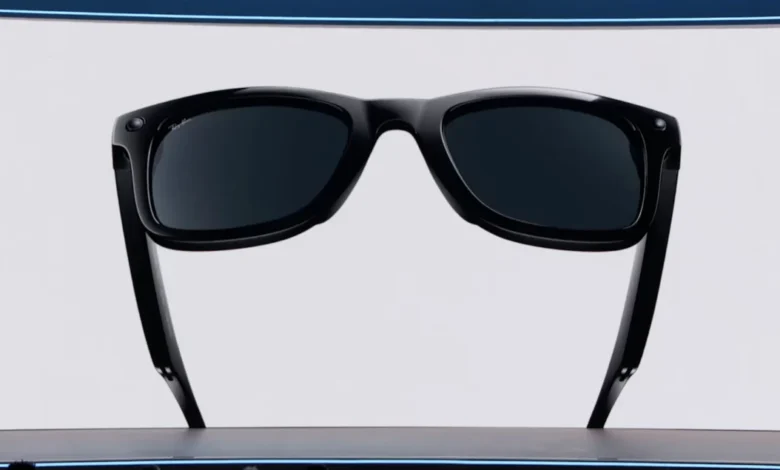
Meta has officially introduced its first-ever camera-free smart glasses, titled the Ray-Ban Meta Audio, during its annual Connect conference on Wednesday. Developed in close partnership with eyewear giant EssilorLuxottica, the new $349 audio-only devices are designed to address mounting public criticism regarding privacy violations and the surreptitious recording of individuals in public spaces. By eliminating onboard cameras entirely, Meta is attempting to pivot its wearable technology strategy toward ambient utility, seamlessly blending everyday fashion with advanced audio capabilities and interaction with the company’s proprietary artificial intelligence assistant, Muse.
The release marks a significant strategic pivot for the technology conglomerate, which has spent recent years navigating a public relations crisis sparked by the misuse of its camera-equipped smart wearables.
Main Facts of the Release and Product Specifications
Starting at a base price of $349, the Ray-Ban Meta Audio glasses represent a fundamental redesign focused on ergonomics, discretion, and sustained daily wear. Because the hardware no longer requires the complex internal architecture needed to house camera sensors, the new frames are notably slimmer and weigh a remarkably light 43 grams.
The hardware features an impressive array of physical improvements engineered by EssilorLuxottica, including adjustable temple tips, swappable nose pads, and durable overextension hinges to accommodate various facial structures. Users can also order the frames with custom optical prescriptions. Meta reports that a single charge yields up to 12 hours of continuous battery life, which can be extended to an impressive 48 hours utilizing the accompanying charging case.
Rather than recording video or capturing photographs, the Ray-Ban Meta Audio functions strictly as an acoustic wearable. Users can stream music and podcasts, field telephone calls, utilize real-time speech translation services, and communicate directly with Muse, Meta’s conversational AI assistant.
Available for pre-order starting October 13, the glasses will launch in an extensive array of 23 color and lens combinations. The lineup introduces two distinct new frame styles: the retro-inspired Clubmaster and the Burbank, which features a classic, timeless rectangular geometry.
Background Context and the Privacy Controversy
The introduction of a camera-free alternative is a direct response to the intense cultural and regulatory scrutiny Meta faced following the widespread commercial rollout of its earlier smart glasses generations. While initial iterations of Ray-Ban Meta smart wearables gained traction for their sleek aesthetic and integrated livestreaming capabilities, they quickly became lightning rods for privacy debates.
Critics, advocacy groups, and concerned citizens repeatedly highlighted how individuals—disproportionately men—were leveraging the inconspicuous camera lenses to record unsuspecting bystanders in public spaces, transit systems, and private venues without consent. The invasive nature of these unauthorized recordings led detractors to coin pejorative terms like "pervert glasses" for the devices.
In an effort to mitigate the backlash, Meta previously deployed software updates designed to disable recording functions if users tampered with the mandatory LED indicator light meant to signal active recording. However, industry analysts and privacy advocates noted that these software patches failed to resolve the core psychological unease surrounding potential covert surveillance. By stripping out the camera hardware entirely, Meta aims to recapture a segment of the consumer market that desired smart audio capabilities—akin to Apple’s Siri-powered AirPods or dedicated audio frames—without contributing to public surveillance anxieties.

During Wednesday’s keynote address, Meta CEO Mark Zuckerberg emphasized the inherent appeal of lightweight audio integration. "Once you get used to high-quality audio, it’s just a thing that you want all the time, right?" Zuckerberg remarked, noting that internal development teams realized audio-only wearables represented an entirely distinct and viable category of personal technology.
Simultaneous Hardware Updates and the Next-Generation Camera Glasses
Even as Meta introduced its camera-free alternative, the company doubled down on its visual recording hardware by announcing the next-generation Ray-Ban Meta (Gen 3) smart glasses. Featuring integrated camera capabilities, this new line is engineered to appeal to content creators and consumers comfortable with visual capture.
The Gen 3 lineup includes the returning Wayfarer style alongside two newly introduced frames: the Aviator and the Zena, the latter of which incorporates a stylish cat-eye silhouette. Upgraded internal hardware includes a high-resolution 12-megapixel camera capable of capturing 3K Ultra HD video, supported by a robust six-microphone array for spatial audio capture. Battery life for the camera-enabled Gen 3 models is rated at up to nine hours on a single charge.
Furthermore, Meta announced plans to expand the global footprint of its EssilorLuxottica partnership. The broader smart glasses portfolio is set to roll out to additional international markets, bolstered by high-profile brand collaborations. Following earlier marketing campaigns featuring celebrity entrepreneur Kylie Jenner, Meta announced a new brand partnership with global music icon Lisa to further drive mainstream adoption.
Deep Dive into the Muse AI Assistant and Upcoming Software Features
At the core of both the audio-only and camera-equipped hardware ecosystems is Muse, Meta’s next-generation personal artificial intelligence assistant. Designed to act as an ambient companion, Muse handles contextual voice commands, answers queries, manages communications, and processes real-time translations directly through the glasses.
In addition to hardware announcements, Meta teased a sweeping roadmap of software updates slated for release across its wearable ecosystem. Key upcoming features include:
- Dolby Atmos Capture for superior audio recording quality in video content.
- Intelligent multi-frame photo selection, which automatically identifies and preserves the best still image from a burst of frames.
- Flexible capture orientation modes, allowing users to effortlessly switch between landscape and portrait framing.
- Dedicated hearing enhancement tools tailored for individuals experiencing hearing loss.
- Expanded conversational capabilities offering more detailed, context-aware AI responses.
- Customizable physical and touch-based control schemes.
- "Private processing" architecture, which Meta claims utilizes advanced cryptographic and data-handling techniques to ensure the corporation cannot view or monetize private user data streams.
Analysis of Market Implications and Industry Outlook
Meta’s bifurcated product strategy—offering both camera-free audio wearables and upgraded visual recording glasses—reflects a maturing approach to the wearable technology market. By diversifying its product line, Meta is attempting to navigate a delicate balancing act: capturing market share from traditional audio accessory manufacturers while mitigating the legal and social liabilities associated with widespread public recording.
Industry observers suggest that the $349 Ray-Ban Meta Audio glasses could significantly lower the barrier to entry for consumers who were previously alienated by privacy concerns. By positioning the glasses as premium fashion accessories with ambient audio and AI capabilities, Meta is successfully shifting the marketing narrative away from surveillance and toward personal productivity, entertainment, and seamless communication.
As pre-orders open on October 13, the commercial performance of the Ray-Ban Meta Audio will serve as a crucial barometer for the future of non-visual smart wearables. If successful, the device could establish a new industry standard for how technology companies integrate artificial intelligence into everyday apparel without compromising public trust.