Federal Court Rules Elon Musk’s X Abandoned Iconic ‘Tweet’ Trademark and Bird Logo in Split Decision Favoring Rival Startup

The legal battle over the remnants of Twitter’s former corporate identity has taken a dramatic turn following a preliminary injunction ruling in a federal court in Delaware. The case centers on a contentious dispute between Elon Musk’s social media giant, X Corp., and a Virginia-based startup named Operation Bluebird. U.S. District Court Judge Colm F. Connolly delivered a split decision that blocks the startup from utilizing the core "Twitter" name, while simultaneously finding that X has likely abandoned two of its most recognizable legacy assets: the word "tweet" and the iconic Twitter bird logo.
The ruling has immediate and far-reaching implications for intellectual property law, corporate rebranding strategies, and the competitive landscape of microblogging platforms. Following the court’s decision, Operation Bluebird swiftly rebranded its nascent web property to Tweet.app and officially opened its platform to the public. While the startup’s leadership insists they are constructing a viable alternative to the modern digital town square, legal experts and industry analysts view the maneuver as a calculated exercise in trademark scavenging, capitalizing on the high-profile assets left behind during Musk’s aggressive corporate overhaul.
A Detailed Chronology of the Rebrand and Legal Clash
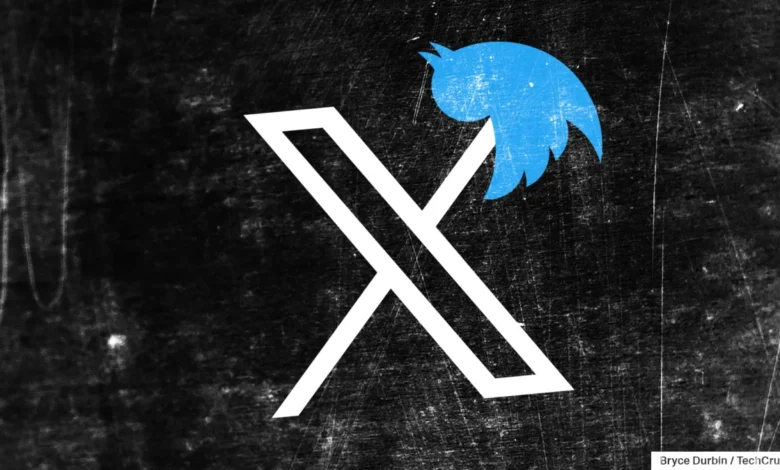
The genesis of the current dispute dates back to October 2022, when billionaire entrepreneur Elon Musk finalized his $44 billion acquisition of Twitter, Inc. In the months that followed, Musk initiated a sweeping corporate transformation. By July 2023, the platform had officially shed its historic name, blue bird logo, and associated terminology, transitioning to the minimalist brand identity known simply as "X."
For millions of users worldwide, the transition was jarring. However, for a savvy group of legal professionals, the abandonment of longstanding intellectual property presented a unique commercial opportunity. Operation Bluebird was established by Illinois-based founder and lawyer Michael Peroff, alongside Stephen Coates, a former trademark attorney who previously represented Twitter. Recognizing that X Corp. had ceased active commercial use of several secondary trademarks, the duo set out to acquire and reactivate the intellectual property that the platform had seemingly discarded.
Initially, the startup launched a public waitlist under the moniker "Twitter.now," a clear play on the original brand identity. This bold move immediately triggered a fierce legal pushback from X Corp., which filed a trademark infringement lawsuit in Delaware federal court. X argued that the startup was engaging in unfair competition and capitalizing on the immense goodwill of the globally recognized Twitter brand.
During the preliminary injunction hearings, Judge Connolly evaluated the competing claims regarding trademark abandonment. Under United States intellectual property law, specifically the Lanham Act, a trademark can be legally deemed abandoned if its owner discontinues its use with an intent not to resume such use. Three consecutive years of non-use typically creates a rebuttable presumption of abandonment.
While Judge Connolly ultimately sided with X Corp. regarding the primary "Twitter" trademark—issuing an injunction to bar Operation Bluebird from using that specific name—he reached a strikingly different conclusion regarding the "tweet" mark and the graphical bird logo. In his written opinion, the judge noted that Operation Bluebird demonstrated a strong likelihood of success in proving that X Corp. had discontinued the bona fide commercial use of both the "Tweet" mark and the Bird logo with no intention of resuming their use in commerce.
The Mechanics of Tweet.app and Consumer Demand
Despite the ongoing litigation and the preliminary nature of the court’s order, Operation Bluebird has wasted no time operationalizing its newly acquired legal assets. The startup transitioned its domain and platform branding to Tweet.app, positioning itself as a nostalgic alternative to the increasingly algorithm-driven landscape of modern social media.
The appeal of the legacy branding has proven to be a potent marketing tool. According to representatives for Operation Bluebird, more than 172,000 individuals registered for digital handles and requested early access to the platform prior to its public launch. This remarkable surge in consumer interest highlights the enduring cultural footprint of the original Twitter brand—a linguistic and visual vocabulary that successfully integrated itself into global vernacular over a span of nearly two decades.
To manage the high volume of interest and help defray mounting operational and legal expenses, the startup implemented a $20 fee for users seeking to reserve a handle and secure early access to the fledgling network. This monetization strategy has drawn scrutiny from critics who question the platform’s long-term viability as a true competitor to established social media giants, reinforcing suspicions that the primary objective of Operation Bluebird is asset acquisition rather than technological innovation.
Official Responses and Strategic Justifications
Leadership at Operation Bluebird has been vocal about the philosophical and legal justification behind their efforts. In an official communication shared with industry media, Stephen Coates, who serves as president of the startup, defended the company’s actions by drawing a distinct line between corporate entities and cultural language.
"They kept the word [X]. They let go of the bird, and they let go of the tweet," Coates wrote. "A tweet was never a corporation. It’s one person saying something. That word survived three years of a company trying to replace it, because the public declined to stop using it. We think that tells you who it belongs to."
This sentiment is echoed directly on the homepage of Tweet.app, which frames the startup’s mission as an effort to recover cultural property that was cast aside when Musk transformed the platform into X, metaphorically "throwing the bird away on his way out."
Conversely, representatives and legal counsel for X Corp. have maintained that the company retains broad protective rights over its intellectual property portfolio and that allowing third parties to exploit legacy marks creates consumer confusion. X argued in court that the goodwill associated with the platform’s founding years remains inextricably linked to its current operations, regardless of the ongoing evolution of its brand architecture.
Broader Legal and Industry Implications
The ongoing litigation between X Corp. and Operation Bluebird highlights a critical vulnerability for major corporations undergoing aggressive rebranding efforts. When companies pivot rapidly and abandon legacy trademarks in favor of entirely new brand identities, they inadvertently create legal vacuums that opportunistic entities can exploit under federal trademark law.
Intellectual property attorneys note that brand migration requires meticulous management of existing registrations. If a company fails to maintain token or bona fide commercial use of secondary marks—such as slogans, historical logos, or widely adopted colloquial terms like "tweet"—competitors or legal speculators can petition to cancel those registrations or assert abandonment claims.
Furthermore, the case underscores the unique durability of linguistic assets in the digital age. While corporations can legally alter their names and digital signage overnight, cultural adoption often proves resistant to top-down corporate mandates. The fact that the public continued to use the verb "to tweet" long after X officially retired the terminology played a pivotal role in the court’s preliminary evaluation of abandonment.
As the lawsuit proceeds toward a final determination, the legal precedent set by Judge Connolly’s split decision will be closely monitored by corporate legal departments across the technology and retail sectors. Whether Tweet.app ultimately evolves into a sustainable social networking platform or remains a cautionary tale of corporate trademark forfeiture, the case has already secured a notable chapter in the annals of digital intellectual property law.