Mastering Your Workflow: The Essential Guide to Social Media Content Calendars and Planning Tools

In the modern digital landscape, the difference between a thriving online presence and a stagnant account often boils down to organization and consistency. For social media managers, entrepreneurs, and content creators, the "blank screen syndrome"—the inability to decide what to post and when—remains a significant hurdle. A social media content calendar is more than just a scheduling aid; it is a strategic roadmap that aligns daily publishing activities with long-term business objectives. By transitioning from reactive, on-the-fly posting to a structured, proactive planning system, users can optimize their reach, maintain audience engagement, and significantly reduce the administrative burden of managing multiple platforms.
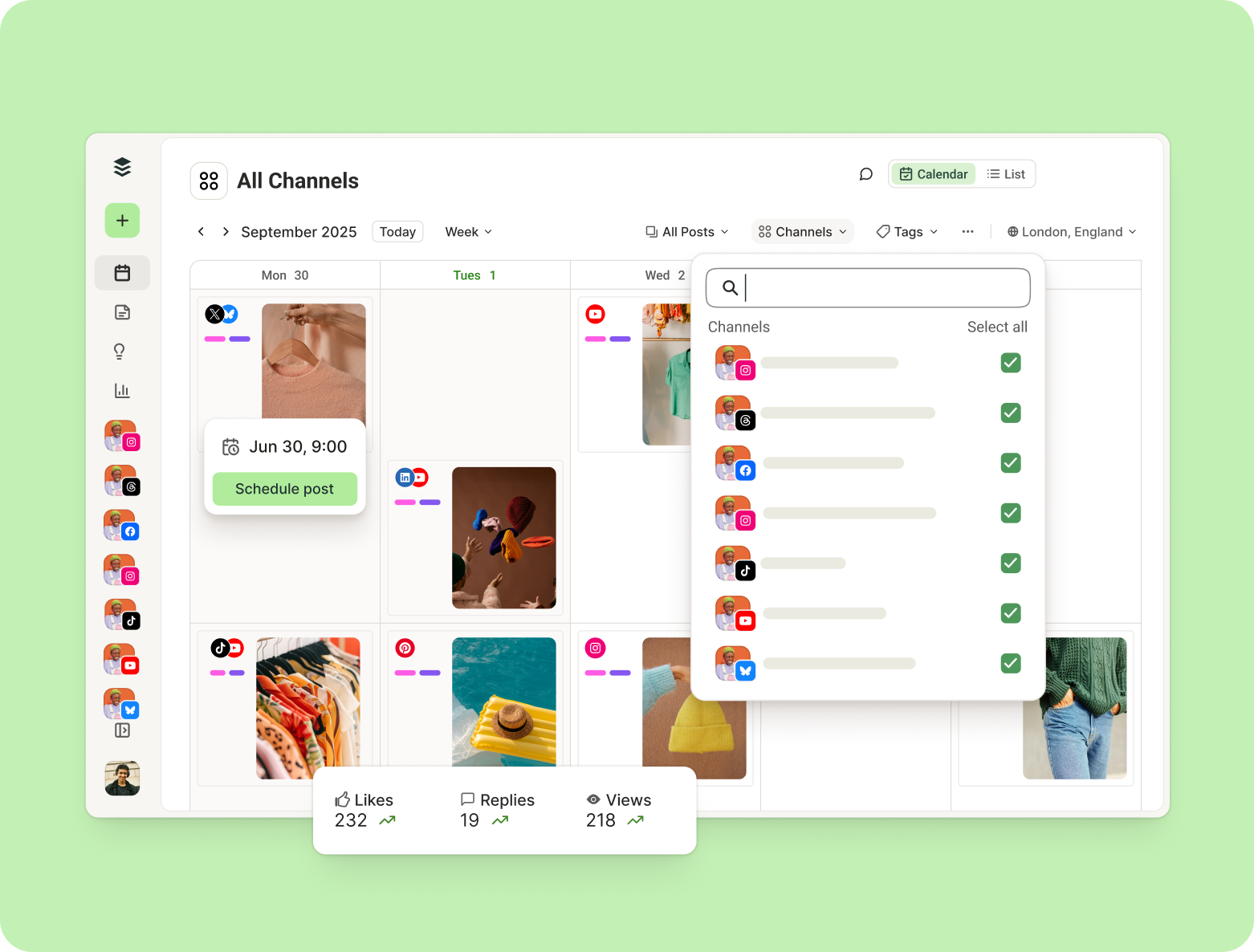
The Evolution of Content Management Systems
The history of social media management has moved from manual, platform-specific posting to centralized, automated workflows. Early social media marketing relied heavily on native tools, requiring users to log into individual accounts to publish content. This fragmented approach made tracking performance and maintaining a consistent brand voice across platforms like Facebook, X (formerly Twitter), and LinkedIn difficult.
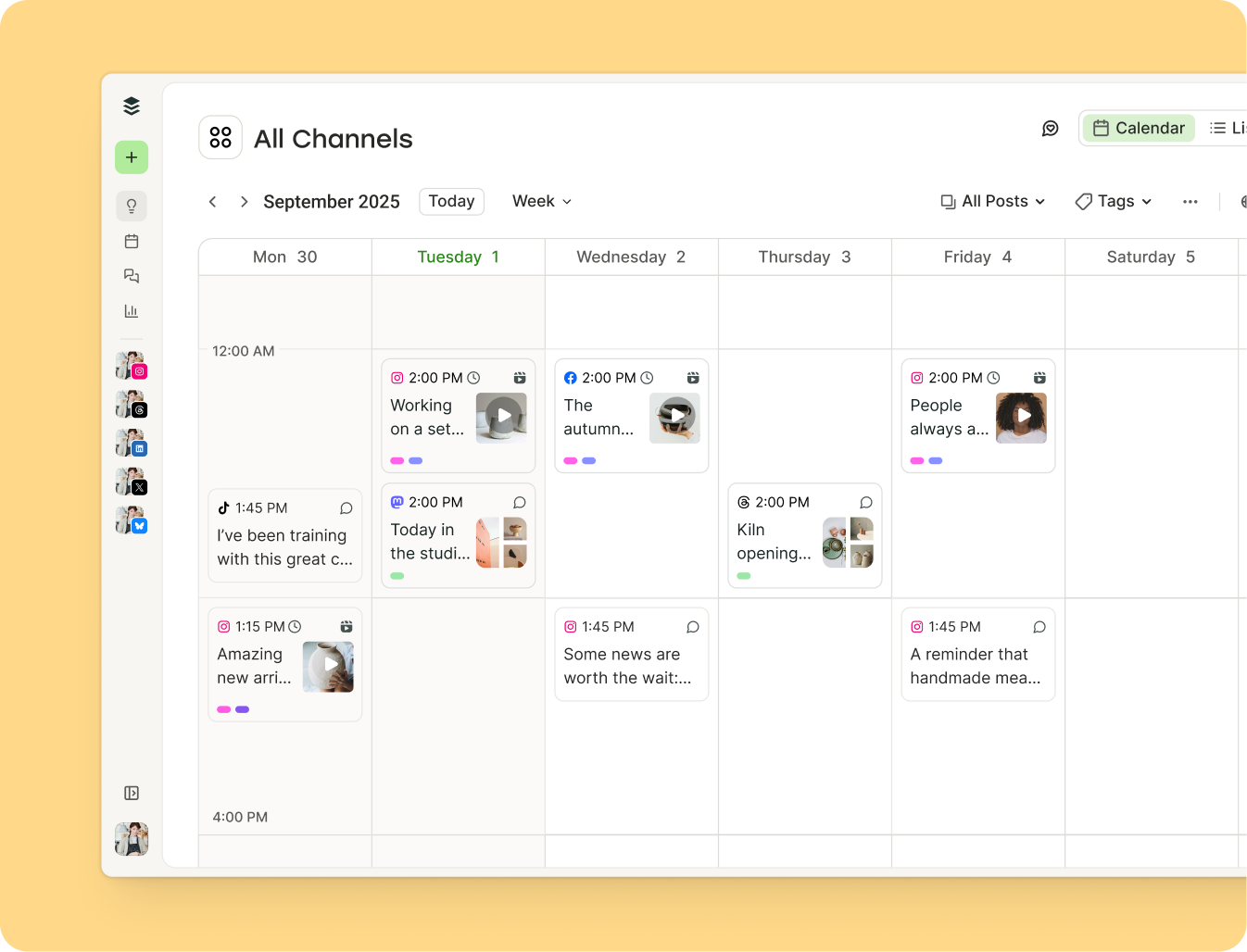
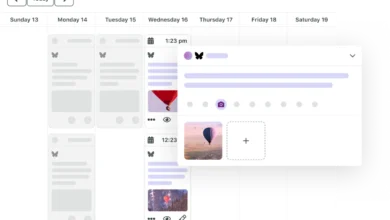
Today, the industry standard has shifted toward unified dashboards. Tools such as Buffer, Notion, and Google Sheets have emerged as the primary repositories for content strategy. While spreadsheets offer high levels of customization for smaller operations, dedicated scheduling software provides the critical advantage of automated publishing, ensuring that content reaches the audience at peak engagement times without requiring manual intervention.
Strategic Framework: Moving Beyond the Template
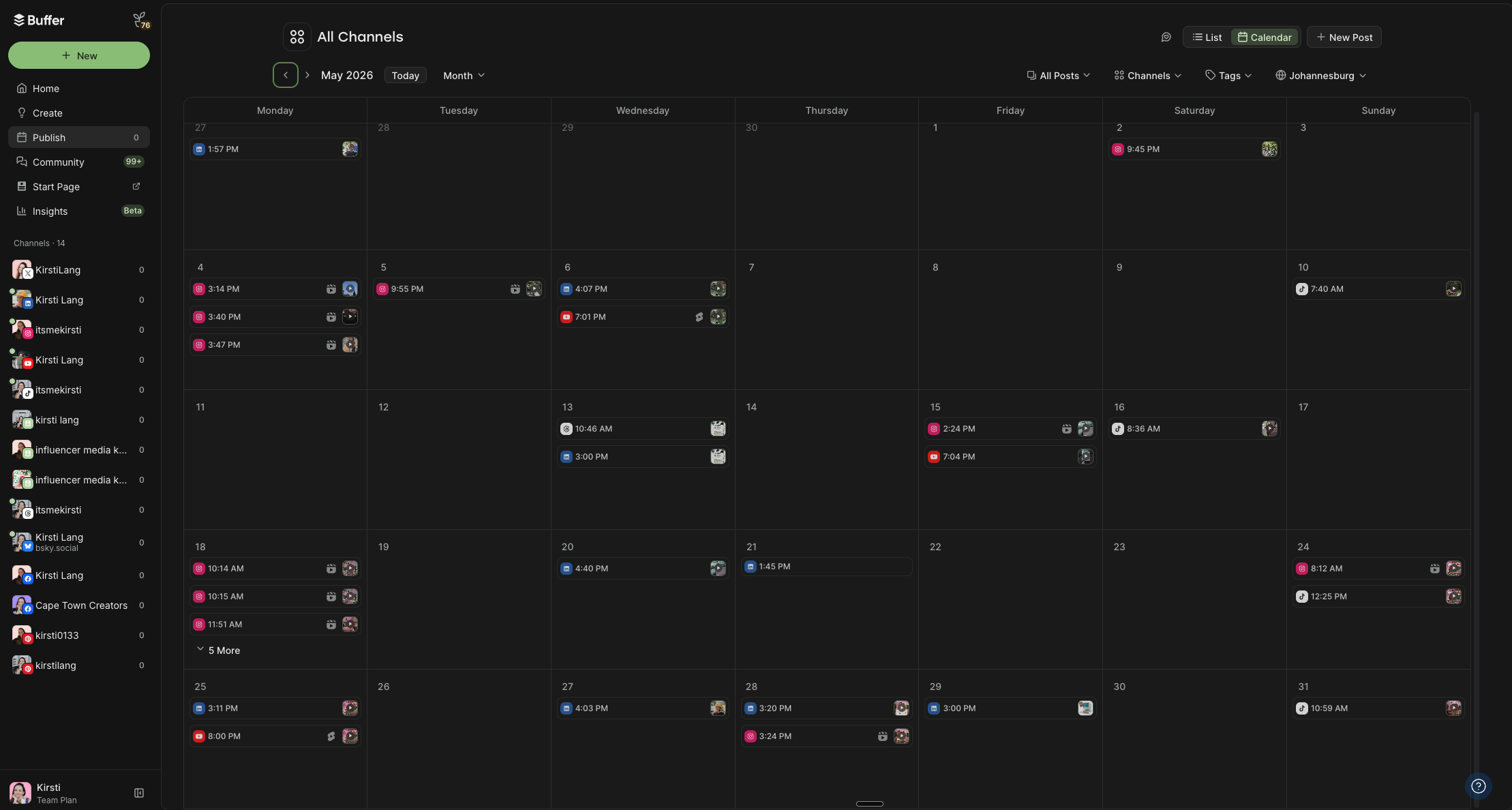
A robust content calendar must be built upon a foundation of data-driven strategy. Before selecting a template or tool, organizations must define their core content pillars—the three to five topics that define their brand identity. For instance, a software company might focus on product updates, industry thought leadership, and customer success stories. By categorizing content, creators can ensure a balanced mix of promotional and educational material, preventing audience fatigue.
The planning process should adhere to a clear, eight-step operational lifecycle:
- Strategic Alignment: Establishing key performance indicators (KPIs) and identifying target audience demographics.
- Tool Selection: Choosing between lo-fi solutions (spreadsheets) or high-functionality platforms (scheduling suites).
- Cadence Setting: Establishing a realistic, sustainable posting frequency.
- Structural Mapping: Creating a "Queue" or "Skeleton" of recurring time slots optimized for audience activity.
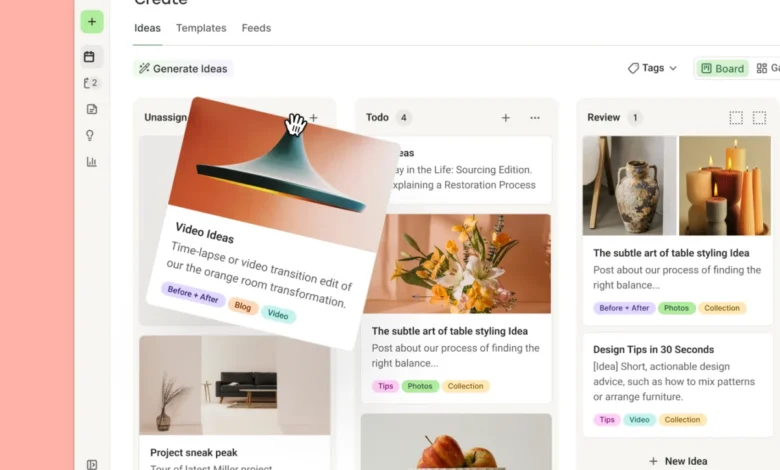
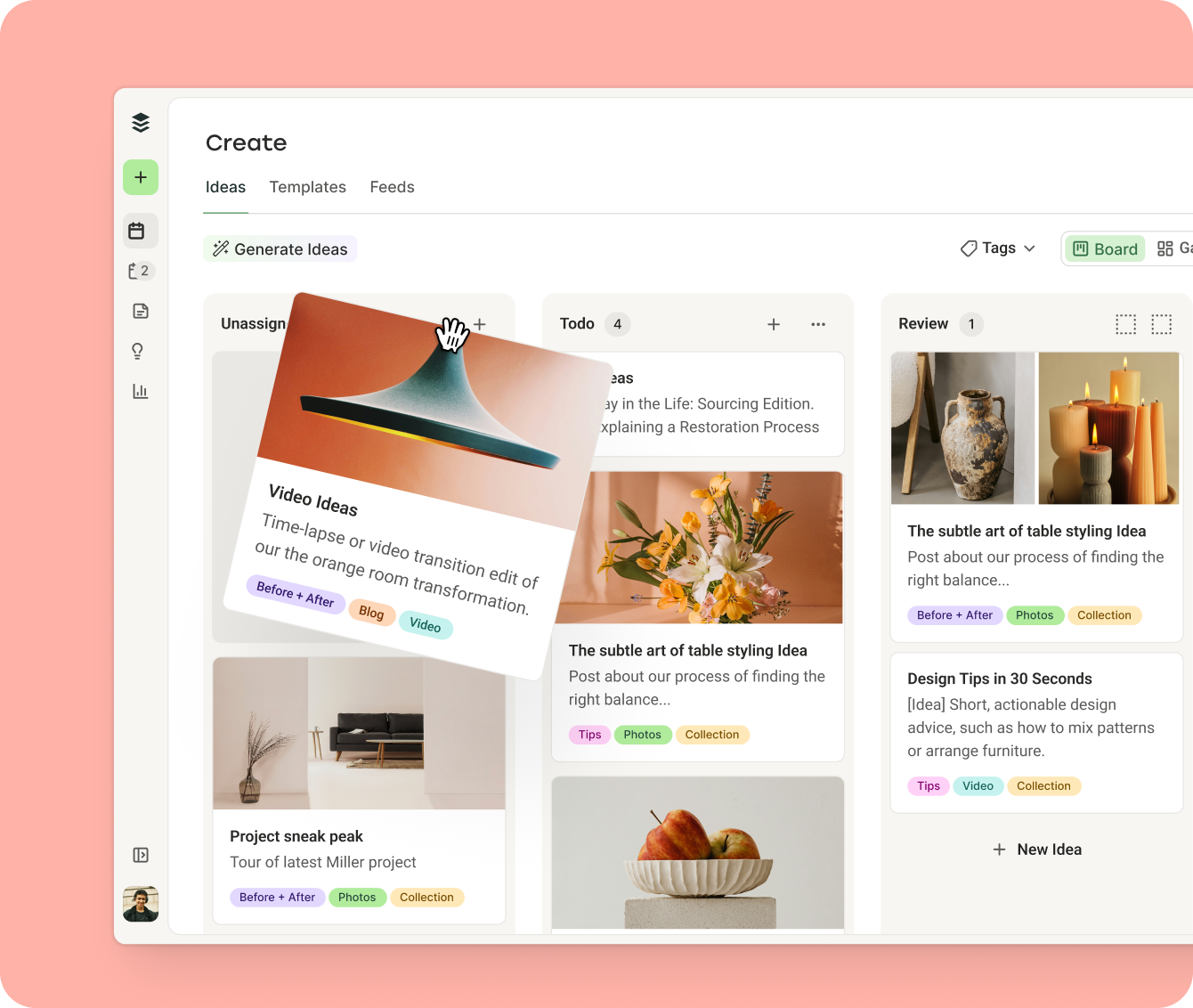
- Ideation: Utilizing brainstorming hubs to capture raw concepts before they are refined.
- Categorization: Applying tagging systems to track content themes and performance metrics.
- Execution: Moving from the "Idea" phase to the "Scheduled" phase.
- Performance Analysis: Reviewing engagement data to iterate and refine the strategy.
Data-Driven Timing and Its Impact on Reach
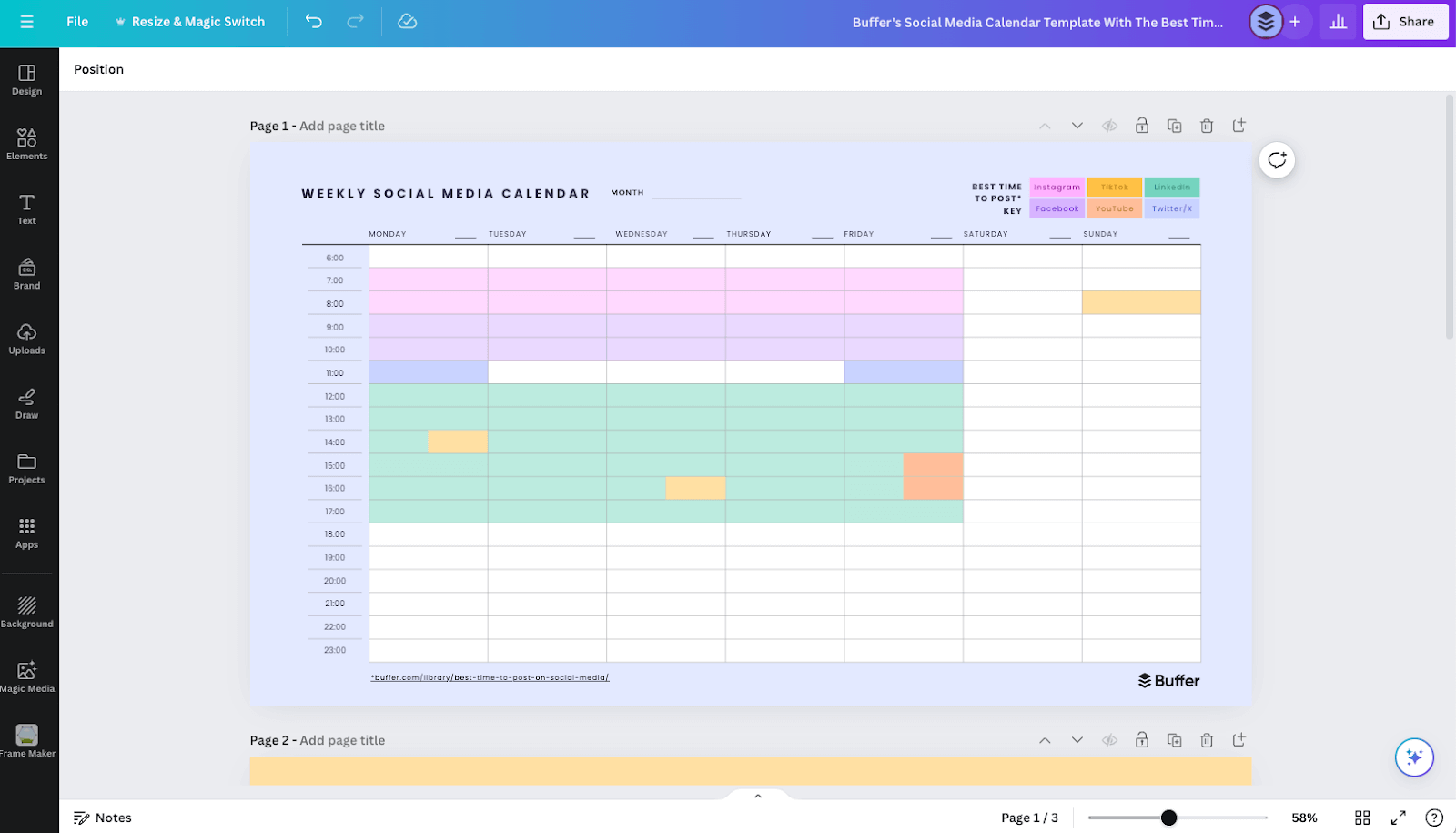
Research consistently indicates that timing is a decisive factor in content performance. An analysis of over 50 million social media posts highlights that specific hours of the day yield higher engagement rates across different demographics. For example, professional networks like LinkedIn tend to see peak engagement during mid-week business hours, whereas visual-heavy platforms like Instagram and TikTok often show higher activity levels during early evenings and weekends.
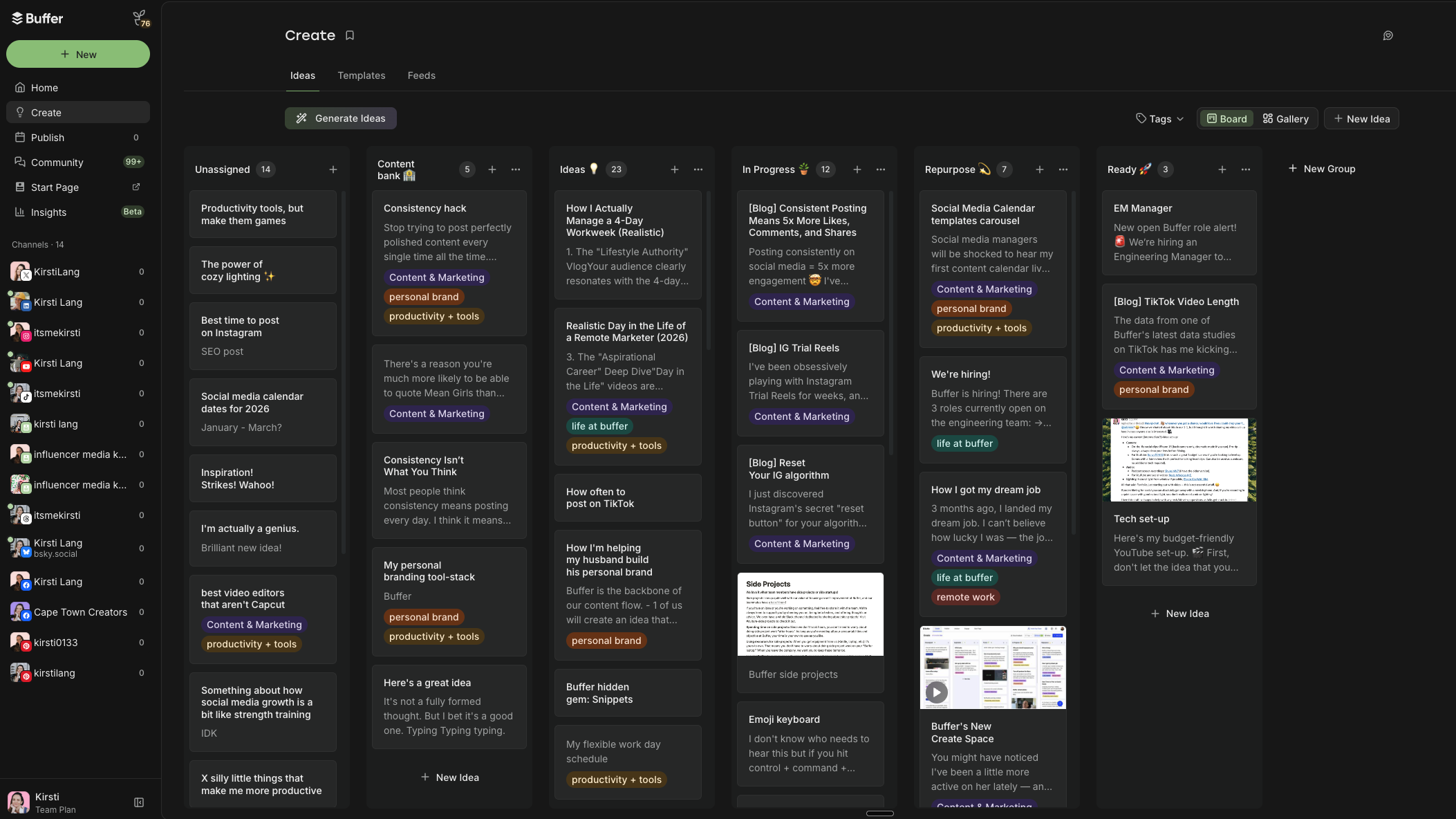
By integrating these "best time to post" windows into a calendar, creators can shift from guessing to precision publishing. Advanced scheduling tools now offer "optimal timing" features that analyze a user’s historical data to suggest the exact moment a post is most likely to be seen. This technical approach removes the guesswork and allows creators to focus on the quality of the content itself.
Comparative Analysis of Management Formats
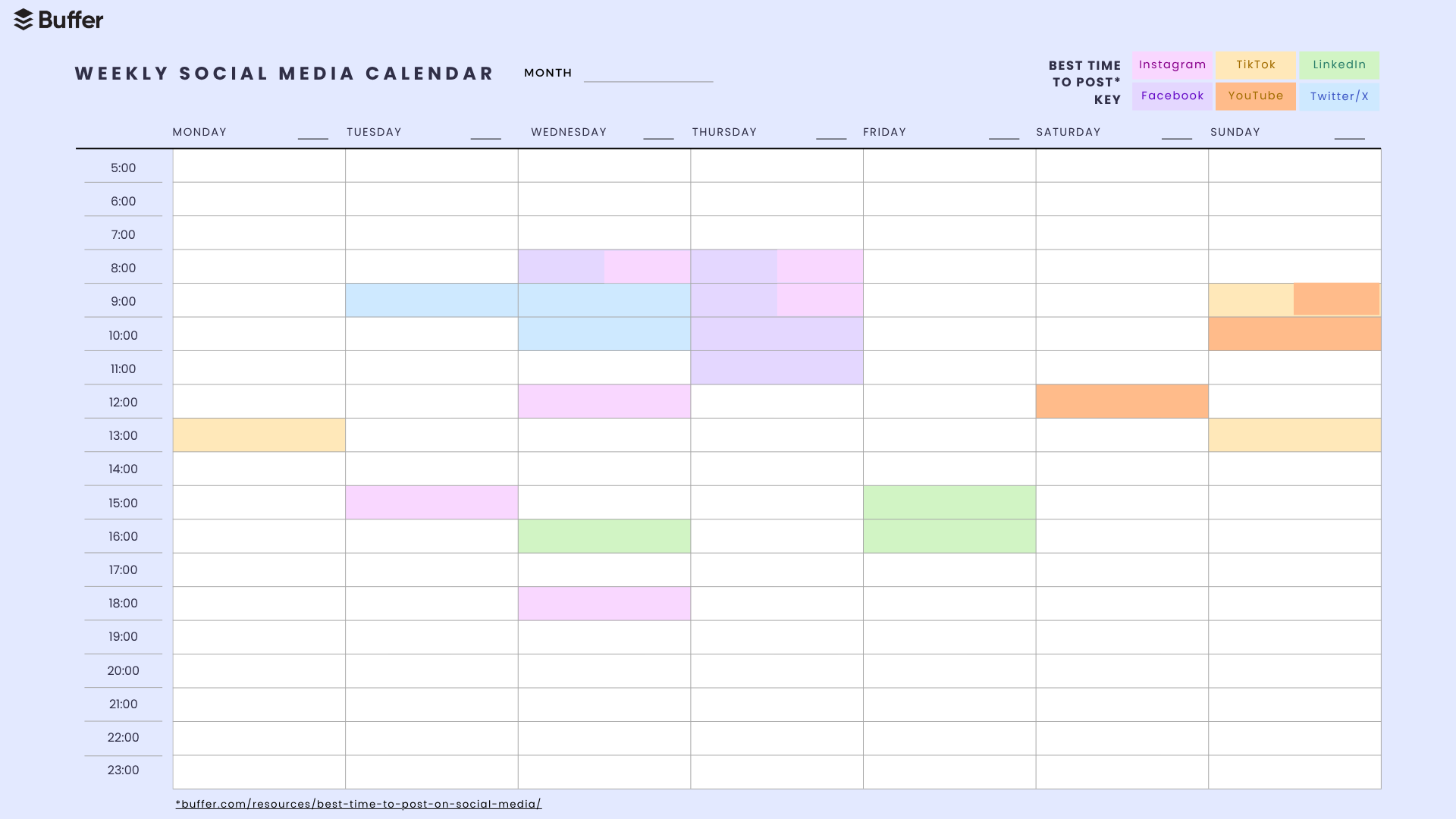
When choosing a system, creators must weigh functionality against complexity. The following categories represent the most effective approaches currently utilized by digital marketers:
- Automated Schedulers (e.g., Buffer): Best for teams requiring direct integration with APIs for auto-publishing. These tools offer the highest efficiency by consolidating planning, editing, and publishing into a single interface.
- Project Management Workspaces (e.g., Notion): Ideal for collaborative content production. These platforms excel at storing long-form copy, media assets, and editorial notes, acting as a "source of truth" for creative teams.
- Spreadsheet-Based Planners (e.g., Google Sheets): The most accessible entry point. While they lack automated publishing, they offer unparalleled flexibility for those who prefer manual oversight and custom data visualization.
- AI-Integrated Workflows: The newest frontier, where tools like ChatGPT are used to generate content ideation and prompt-based drafting, which is then transferred to a scheduler for final review.
Implications for Personal Branding and Small Businesses
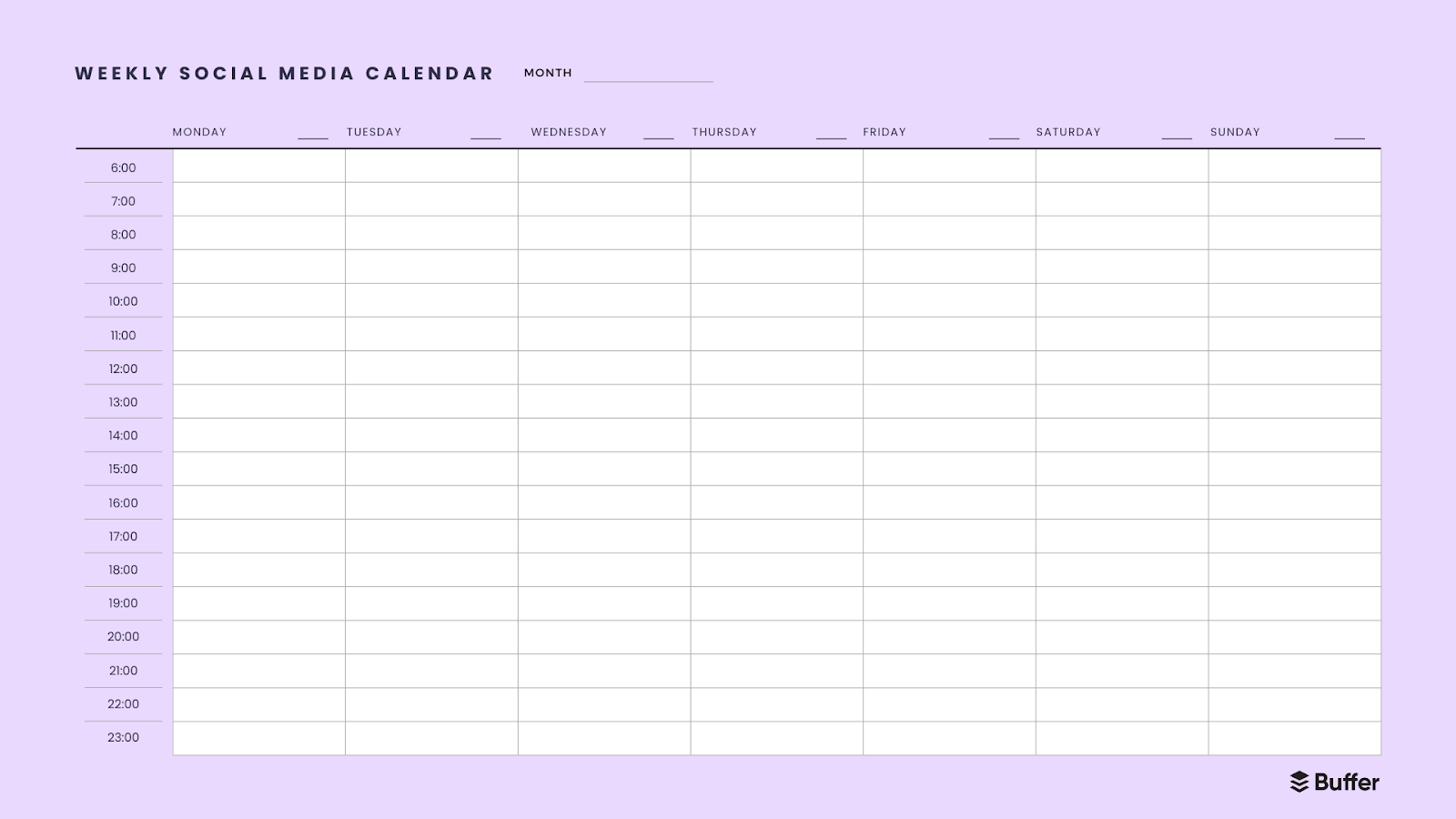
The rise of the "creator economy" has necessitated a shift in how personal brands operate. For individuals, the primary challenge is not necessarily the volume of content, but the consistency of it. Data suggests that audiences are more likely to engage with brands that demonstrate a reliable, predictable posting cadence.
Kiran Shahid, a notable LinkedIn growth strategist, emphasizes that having a centralized system allows for "content repurposing"—a vital efficiency hack where a single core idea is adapted into different formats (e.g., a long-form article, a short-form video, and a series of image carousels). By using a calendar to map these repurposing efforts, creators can maximize the ROI of every piece of content they produce.
Collaborative Workflows and Organizational Benefits
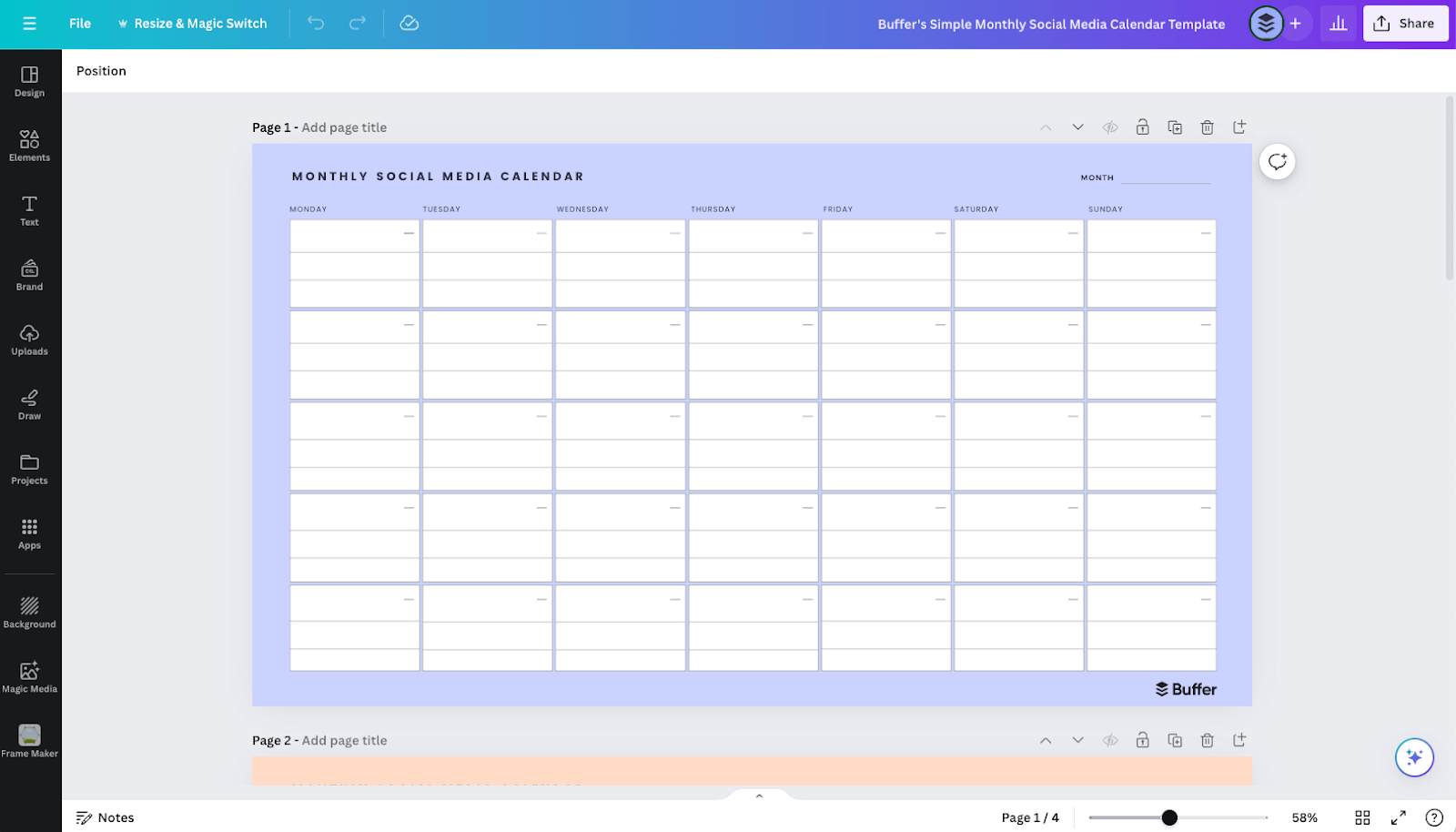
For larger teams, the social media calendar serves as a communication hub. Features such as approval workflows, role-based permissions, and comment threads allow for transparency between stakeholders. This level of oversight ensures that brand guidelines are followed and that no "off-brand" content reaches the public. Furthermore, the use of color-coded tags allows managers to visualize the health of their content strategy at a glance, ensuring that no single content pillar is being neglected over another.
Future Outlook: The Role of AI and Analytics
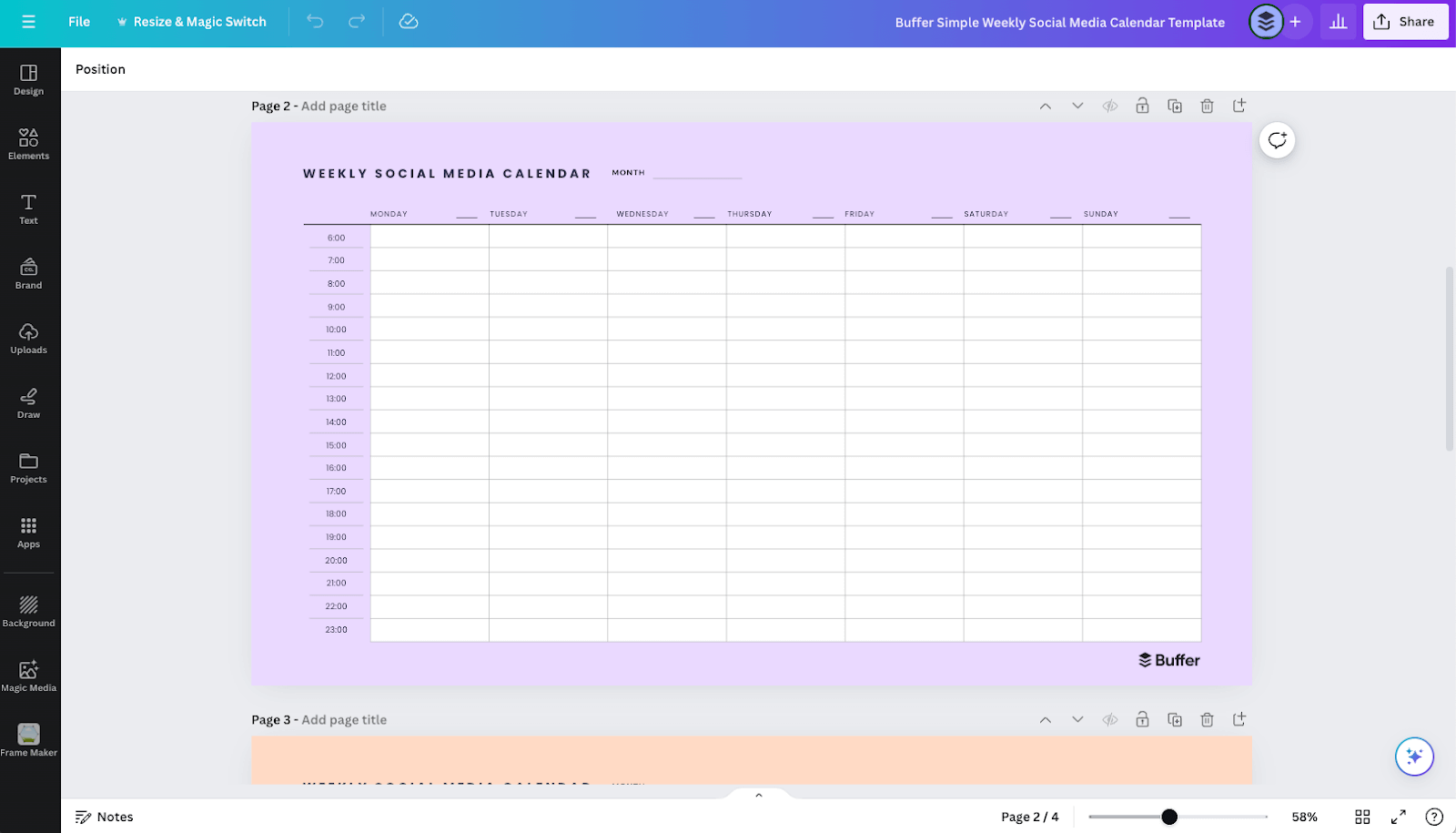
As the social media landscape becomes increasingly saturated, the role of analytics in content planning is becoming more pronounced. The next generation of content calendars will likely move beyond simple scheduling to incorporate predictive analytics. These systems will use machine learning to suggest not just when to post, but what type of content is likely to perform best based on real-time market trends.
The transition to a sophisticated, calendar-driven workflow is no longer an optional luxury for digital marketers; it is a fundamental requirement. By standardizing the process, leveraging automation, and grounding the strategy in analytical data, organizations can ensure that their digital footprint remains relevant in an increasingly crowded information ecosystem.
Conclusion: The Path to Sustainable Growth
Consistency is the bedrock of digital growth. Whether through a simple, free PDF template, a dynamic Google Sheet, or an all-in-one management suite like Buffer, the goal remains the same: to reduce the friction between idea and execution. By adopting a structured approach, creators can reclaim their time, improve the quality of their output, and build a sustainable, long-term relationship with their audience. The most successful accounts are not necessarily those that post the most, but those that show up exactly when their audience expects them to, with content that is relevant, timely, and strategically sound.