This development arrives at a critical juncture for TikTok. With the platform reporting an average of 1.7 billion comments posted daily, the company is positioning its comment section as a primary destination for social interaction rather than a mere secondary feature. By introducing these rich media formats, TikTok is effectively bridging the gap between a traditional video-hosting service and a real-time, multimedia-heavy group chat environment.
A New Era of Multimedia Engagement
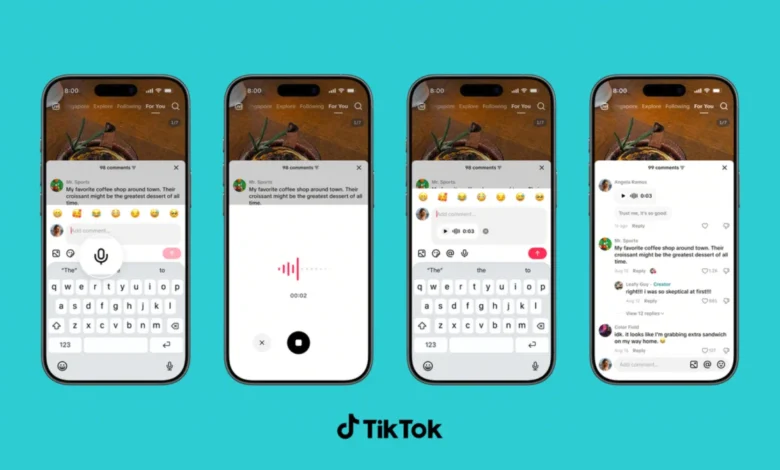
The cornerstone of this update is the introduction of voice-recorded comments. Users will now have the ability to record and attach audio clips, lasting up to 60 seconds, to any video. This feature is intended to facilitate more nuanced expressions of reaction, such as laughter, musical covers, or verbal commentary that transcends the limitations of text-based communication.

Technically, the rollout will be staggered over the coming month, specifically targeting users aged 18 and older. This age-gated approach serves as a protective measure, reflecting TikTok’s heightened focus on digital safety. The platform has confirmed that these audio files will be subject to the same stringent community guidelines that govern standard video uploads. To manage the influx of audio data, TikTok is deploying a multi-layered moderation system. This includes advanced speech-to-text transcription software that will scan incoming audio in real-time, backed by human moderation teams tasked with identifying and removing content that violates policies regarding harassment, hate speech, or illicit activity.
Interactive Polls and Visual Storytelling
In addition to the auditory updates, the platform has launched a new "Comment Polls" feature. Available globally as of September 3, 2026, this tool allows content creators to embed clickable surveys directly into their comment sections. This move is widely seen as a direct response to the "ask-and-answer" culture prevalent on TikTok, where creators often use the comment section to crowdsource ideas for future content or to foster debate among their audience.
Simultaneously, the platform is evolving its visual comment capabilities. Users are no longer restricted to posting a single static reaction image. With the introduction of Photo Carousel Comments, individuals can upload up to nine images in a single reply, enabling "photo dump" style reactions. Furthermore, the support for Live Photos—which captures a few seconds of motion—adds a layer of dynamism to the comment section that static JPEGs or PNGs could not provide. These visual upgrades are scheduled for a global rollout over the next thirty days, providing users with a more robust toolkit for creative expression.

Chronology and Strategic Context
The evolution of TikTok’s comment section has been a gradual, calculated process. In the platform’s early years, comments were limited to text, mirroring the design of legacy social networks. However, as the user base matured and the "creator economy" flourished, the demand for richer interaction grew.
- Pre-2024: Comment sections were largely text-based, with limited emoji support.
- 2024-2025: TikTok introduced "Video Replies," allowing creators to respond to a comment with a new video, which effectively made the comment section a pillar of the platform’s content loop.
- September 2026: The current expansion—Voice Notes, Polls, and Carousels—marks the most significant infrastructure change to the comment section in the platform’s history.
This timeline highlights a transition from passive consumption to active, multi-modal participation. By allowing the comments to become "content," TikTok is encouraging users to spend more time on the app, thereby increasing the platform’s overall engagement metrics—a key metric for advertising revenue.
Industry Analysis: The Implications for Community Management
From an analytical perspective, these changes signify that TikTok no longer views the comment section as a footnote to the primary video. Instead, the comments are being treated as a secondary content layer. While this fosters a sense of community, it presents significant challenges for both creators and the platform’s moderation infrastructure.

"By providing users with a 60-second audio window, TikTok is significantly increasing the complexity of their moderation challenge," says an industry analyst familiar with social media architecture. "Text is easy to filter via keyword algorithms. Audio requires a much higher level of computational power and context-aware AI to detect nuances like sarcasm, tone, and coded language."
Furthermore, for creators, the change is a double-edged sword. While more engagement typically leads to higher visibility in the TikTok algorithm, the sheer volume of multimedia content in the comments may overwhelm smaller creators who lack the time or resources to moderate high-traffic sections. However, the move is ultimately expected to cement TikTok’s status as the leading platform for youth culture, as it aligns with the communication habits of Generation Z and Alpha, who frequently communicate via voice notes and photo-centric messaging apps.
Official Stance and Safety Protocols
TikTok has maintained that the introduction of these features is grounded in the goal of fostering "authentic and creative connection." In a brief statement following the announcement, a company spokesperson emphasized that the platform’s primary objective remains the safety of its user base.

The reliance on speech-to-text technology for moderation is a pivot point for the company. By converting voice comments into text, TikTok can leverage its existing, highly refined text-moderation databases to identify harmful language. This suggests that the platform is betting on the efficacy of its automated systems to keep pace with the anticipated increase in user-generated audio content.
Future Outlook
As these features roll out globally, the landscape of digital interaction on the platform is expected to change rapidly. The comment section will likely become a site of intense, high-energy exchange. Whether this leads to a more vibrant community or creates a more difficult environment to moderate remains to be seen.
However, the strategic intent is clear: TikTok is doubling down on its identity as a platform where the line between the creator and the audience is increasingly blurred. By giving every user the tools to contribute high-fidelity media—voice, polls, and carousels—TikTok is ensuring that it remains the focal point of the modern internet experience. For the 1.7 billion daily commenters, the platform has just become a much louder, more visual, and significantly more interactive space.

As the rollout continues through the remainder of the year, industry observers will be monitoring how these features affect the platform’s retention rates and whether other social media competitors, such as Instagram or X (formerly Twitter), will feel compelled to adopt similar multi-modal comment structures to maintain parity in an increasingly crowded and competitive digital landscape.