X Advances Elon Musk Vision of an Everything App by Launching U.S. Stock and Cryptocurrency Trading Through Cashtag Partner Program

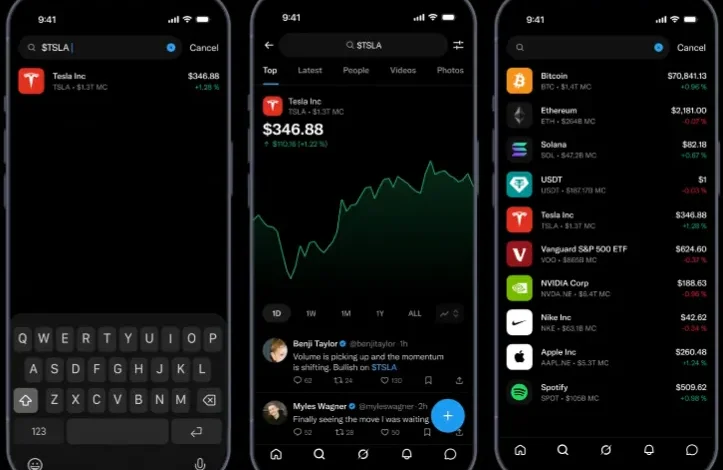
Social media platform X, formerly known as Twitter, has officially rolled out its Cashtag Partner Program in the United States, marking a significant milestone in owner Elon Musk’s long-term ambition to transform the platform into a comprehensive financial ecosystem. U.S.-based users can now seamlessly transition from reading market discussions on the platform directly to executing trades for stocks and cryptocurrencies through partnered brokerages and exchanges. This feature bridges the gap between real-time financial discourse and immediate market action, integrating financial services deeper into the social media experience.
The launch builds upon the foundational cashtag infrastructure that X introduced earlier this year, which embedded real-time market data and stock code listings into standard platform posts. With the introduction of the Cashtag Partner Program, those informational links are now actionable gateways. Users who tap on a recognized cashtag can instantly access their external accounts with participating financial platforms to buy, sell, or trade assets without ever leaving the broader ecosystem of market intelligence fostered on the platform.
A Chronological Evolution Toward Financial Integration
The rollout of the Cashtag Partner Program is the latest development in a methodical, multi-year strategy to integrate financial technology into a platform traditionally known primarily for microblogging, news dissemination, and public discourse. Understanding the scope of this update requires examining the timeline of financial features introduced since Elon Musk acquired the company.
Following the acquisition in late 2022, Musk frequently outlined his vision for an "everything app"—an all-encompassing digital utility inspired by Asian super-apps like WeChat. This vision prioritized financial services, peer-to-peer payments, and commerce as core pillars.
In April of the following year, the platform rolled out an updated Cashtag format designed to elevate financial discussions. By partnering with external market data providers, X enabled users to view live stock charts, commodity prices, and cryptocurrency valuations simply by typing a ticker symbol preceded by a dollar sign. While initially informational, this feature established the behavioral habit among users of turning to the platform for real-time market sentiment and data analysis.
By late 2023 and into 2024, the platform began securing regulatory ground by applying for money transmitter licenses across numerous U.S. states. These licensing efforts were aimed at facilitating domestic payment processing, culminating in the establishment of foundational infrastructure for creator payouts and peer-to-peer money transfers.
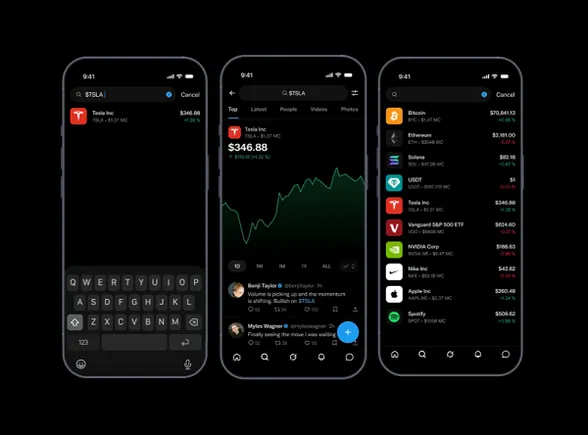
The launch of the Cashtag Partner Program represents the logical next step in this evolution. By connecting users directly to regulated brokerages, the platform shifts its utility from passive financial information consumption to active transactional engagement.
Initial Launch Partners and Ecosystem Integration
At the time of the U.S. launch, X has established integrations with several prominent financial technology firms, retail brokerages, and cryptocurrency exchanges. According to official platform disclosures, the initial roster of partners includes Interactive Brokers, Moomoo, Gemini, Kraken, and Coinbase.
These partnerships cover a diverse spectrum of the retail trading landscape. Traditional equities and options trading are supported through institutional-grade platforms like Interactive Brokers and retail-focused applications like Moomoo, while digital asset enthusiasts can execute trades through established cryptocurrency exchanges such as Coinbase, Kraken, and Gemini.
When a user taps a qualifying cashtag within a post, they are prompted to connect or log into their existing account with one of these approved partners. Once authenticated, the user can execute transactions related to the specific asset discussed in the post. This frictionless transition is designed to capture market momentum driven by breaking financial news, earnings reports, or viral retail trading discussions, significantly shortening the path from sentiment formation to trade execution.
Broader Industry Context and the Rise of Social Trading
The integration of trading capabilities directly into a social media platform is not entirely unprecedented, but the scale and ambition of X’s initiative set it apart from previous industry efforts. For years, platforms like Reddit (particularly via communities such as WallStreetBets) and Twitter have functioned as informal incubators for retail trading trends, meme stocks, and cryptocurrency momentum. However, users historically had to switch between their information-gathering applications and separate brokerage apps to execute trades, introducing friction and potential delay.
By bridging this gap, X is tapping into the booming market of social trading—a sector where investment decisions are heavily influenced by community sentiment, influencer commentary, and real-time news alerts. Financial institutions have increasingly sought ways to meet retail investors where they congregate online. By partnering directly with established brokerages rather than acting as a licensed broker-dealer itself, X is navigating complex regulatory environments by leveraging the compliance frameworks of its institutional partners.
At the same time, this strategy aligns with broader fintech trends where non-financial brands embed financial services into their core user experiences—a concept widely known as embedded finance. From ride-sharing apps offering debit cards to e-commerce platforms providing buy-now-pay-later services, digital platforms increasingly view financial integration as a primary driver of user retention and lifetime value.

Strategic Implications for Elon Musk’s Everything App Vision
The ultimate trajectory of X’s financial ambitions extends far beyond stock and cryptocurrency trading links. Musk has repeatedly stated his intention for the platform to eventually replace traditional banking relationships entirely, positioning it as a primary hub for personal finance, wealth management, and global payments.
The introduction of stock and crypto trading follows the implementation of creator monetization payouts through proprietary payment systems in the U.S., establishing a baseline of financial trust and transaction volume. By incorporating securities and digital assets, the platform broadens its demographic appeal to active investors, day traders, and crypto enthusiasts who already rely on the network for breaking financial news.
However, realizing this grand vision presents substantial strategic and regulatory hurdles. Chief among them is consumer trust. While millions of users rely on the platform for daily communication and news, entrusting a technology company—particularly one that has undergone significant corporate restructuring and leadership changes—with significant financial assets or primary banking functions is a vastly different proposition.
Furthermore, the regulatory landscape surrounding financial services, particularly digital assets and securities trading, remains stringent. While X is currently bypassing direct brokerage regulation by routing trades through licensed third-party partners, any future expansion into proprietary lending, high-yield savings products, or direct custody of funds will invite intense scrutiny from regulatory bodies such as the Securities and Exchange Commission (SEC), the Financial Industry Regulatory Authority (FINRA), and the Consumer Financial Protection Bureau (CFPB).
Market Reception and Future Outlook
Industry analysts are closely monitoring the rollout of the Cashtag Partner Program to gauge whether retail investors will embrace social-media-initiated trading. Proponents argue that the feature offers unmatched convenience, allowing agile traders to capitalize on breaking market catalysts instantly. For the brokerage partners, the integration represents a valuable acquisition channel, funneling active, engaged users directly into their trading funnels.
Conversely, skeptics warn that lowering the barriers between social media scrolling and financial transactions could exacerbate impulsive trading behavior, particularly during periods of high market volatility or viral speculation. Regulators and consumer protection advocates have historically expressed concern over the gamification of investing, a critique that could extend to financial features embedded within fast-paced social feeds.
As the Cashtag Partner Program scales across the United States, its performance will likely dictate the speed and scope of X’s future financial product releases. Whether the platform can successfully transition from a public town square into a trusted financial institution remains one of the most closely watched experiments in the intersection of media, technology, and global finance. For now, U.S. users navigating market discussions on the platform have a direct, streamlined pathway from commentary to capital allocation, bringing Elon Musk’s vision of an all-encompassing digital utility one step closer to reality.
Related posts: