Understanding the Data: Buffer’s State of Social Engagement 2026 Report
Buffer’s comprehensive "State of Social Engagement 2026" report provides a granular look into social media performance, with the Instagram segment focusing on 9.6 million posts. The methodology involved analyzing median engagement rates across various time slots to mitigate the influence of outlier posts or exceptionally large accounts. This approach ensures the recommendations are broadly applicable, from burgeoning creators to established enterprises. The emphasis on engagement—likes, comments, shares, and reposts—is critical because these interactions serve as powerful signals to the Instagram algorithm, indicating content worth surfacing to a wider audience. Notably, Instagram’s Head, Adam Mosseri, has highlighted "sends per reach" (how often content is direct messaged to a friend) as a primary algorithmic factor, particularly for Reels and the Discover feed, underscoring the value of content that sparks sharing during active hours.
The report’s most striking revelation is that optimal posting times are not static but shift by day, with a significant disparity between peak engagement periods and "dead zones." The study found that evening hours, specifically between 6 p.m. and 11 p.m., consistently drive the highest engagement across most days of the week. This pattern is largely attributed to demographic behavior; over a third of Instagram users are aged 25 to 34, a demographic often winding down from work and engaging with digital content in the evenings.
![Best Time to Post on Instagram: 2026 Data from 9.6M Posts [Updated July 2026]](https://storage.ghost.io/c/6d/21/6d217297-aa70-41fe-b68d-e29e411dd3ed/content/images/2026/01/best-time-to-post-on-instagram-2026.png)
Key Findings: Peak Posting Times
The top three global best times to post on Instagram for 2026 are:
- Thursday at 9 a.m.
- Wednesday at 12 p.m.
- Wednesday at 6 p.m.
These windows align with broader industry observations that pinpoint midweek, particularly Wednesday and Thursday, and afternoon-to-evening slots as high-engagement periods. The data, normalized for any timezone, means a 9 a.m. Thursday recommendation applies locally, whether one is in New York, London, or Mumbai.
The prevalence of evening engagement makes intuitive sense. As users conclude their professional or academic responsibilities, they often turn to social platforms for leisure, connection, and entertainment. This "wind-down" period offers a prime opportunity for content to capture attention when audiences are most receptive to active engagement rather than passive scrolling.
![Best Time to Post on Instagram: 2026 Data from 9.6M Posts [Updated July 2026]](https://storage.ghost.io/c/6d/21/6d217297-aa70-41fe-b68d-e29e411dd3ed/content/images/2026/01/best-time-to-post-instagram-2026-heatmap.png)
The Algorithm’s Influence and Recency’s Enduring Role
While Instagram’s algorithm has moved beyond a purely chronological feed, recency continues to play a vital role in initial reach. When content is published during periods of high audience activity, it gains immediate traction, signaling to the algorithm that the post is relevant and engaging. This early momentum is crucial for the algorithm to push content to a broader audience, demonstrating that timely posting is a strategic imperative, not just a minor tweak. The intense competition for feed space, driven by increasing brand and creator investment and rising audience time on the app, further amplifies the need for precision timing. Pouring hours into content only for it to land in an "Instagram dead zone" can severely impact its performance.
Day-by-Day Breakdown: Nuances for Each Weekday and Weekend
The Buffer report provides a detailed breakdown, revealing distinct patterns for each day of the week:
![Best Time to Post on Instagram: 2026 Data from 9.6M Posts [Updated July 2026]](https://storage.ghost.io/c/6d/21/6d217297-aa70-41fe-b68d-e29e411dd3ed/content/images/2026/01/best-day-to-post-instagram-2026-.png)
- Wednesday (Highest Engagement Tier): This emerges as the highest-performing day. Top times are 12 p.m., 6 p.m., and 8 a.m. The midday spike at 12 p.m. is particularly noteworthy, aligning with typical lunch breaks when users are likely to scroll. The evening slot at 6 p.m. captures the post-work unwinding period.
- Thursday (Highest Engagement Tier): Following closely behind Wednesday, Thursday’s top times are 9 a.m., 8 a.m., and 7 a.m. This presents a unique "morning anomaly" where early hours significantly outperform evenings, unlike most other days. A plausible explanation is that users are engaging with content as they plan their upcoming weekend or catch up before diving into end-of-week tasks.
- Tuesday (High Engagement Tier): The third strongest day, with peak times at 7 p.m., 3 p.m., and 5 p.m. This day offers a good spread from mid-afternoon into the early evening, providing flexibility for content creators.
- Monday (Moderate Engagement Tier): Kicking off the workweek, Monday’s best times are 7 p.m., 6 p.m., and 8 p.m. Audiences settle back into their feeds after the workday, making the evening window ideal for engagement.
- Sunday (Moderate Engagement Tier): While weekends generally see lower engagement, Sunday evenings offer a moderate opportunity, with 9 p.m., 10 p.m., and 8 p.m. being the strongest slots. This reflects users winding down before the start of a new week.
- Friday (Low Engagement Tier): Fridays are among the weakest days for engagement. The top times are late evening at 10 p.m., 9 p.m., and an early 6 a.m. slot. Marketers should consider holding their strongest content for midweek.
- Saturday (Low Engagement Tier): Consistently the weakest day, with engagement bottoming out across all time slots. Best times are 9 p.m., 10 p.m., and 8 p.m., suggesting late-night casual scrolling. High-stakes posts are best avoided on Saturdays.
Content Type Specifics: Reels, Carousels, and Stories
Different Instagram content formats cater to varying user behaviors, though the overall peak engagement windows tend to apply broadly. Adam Mosseri’s insights are particularly relevant here: users seek close friends in Stories, discover new content in Explore, and find entertainment in Reels.
- Instagram Reels: The best time to post Reels aligns with overall evening peaks: 6 p.m. to 11 p.m. on Wednesdays and Thursdays. Reels, designed for entertainment, thrive when users have dedicated downtime to watch. The "sends per reach" metric is especially crucial for Reels, suggesting that content that sparks sharing is more likely to be consumed and passed along during relaxed evening hours rather than rushed midday periods.
- Instagram Carousels: These multi-slide posts also perform best during midweek peaks: Wednesday at 12 p.m. and 6 p.m., and Thursday at 9 a.m. Carousels require more dedicated attention for users to swipe through, making lunch breaks and post-work downtime ideal.
- Instagram Stories: Given their 24-hour lifespan, consistency trumps perfect timing for Stories. Mosseri recommends posting one to two Stories daily to maintain top-of-mind presence. While specific peak times are less critical, maintaining a regular cadence ensures followers are continually exposed to content throughout their daily app usage.
Worst Times and Days to Avoid
The analysis clearly identifies periods of significantly low engagement. The worst times to post on Instagram are consistently between 1 a.m. and 5 a.m. on any day, as most audiences are asleep. Beyond these overnight hours, Friday and Saturday generally represent the weakest days for engagement across the board. Morning hours (6 a.m. to 11 a.m.) are also typically weak on weekdays, with the exception of the Thursday morning anomaly. For marketers aiming for maximum impact, these periods should be actively avoided, or reserved for less critical, evergreen content.
![Best Time to Post on Instagram: 2026 Data from 9.6M Posts [Updated July 2026]](https://storage.ghost.io/c/6d/21/6d217297-aa70-41fe-b68d-e29e411dd3ed/content/images/2026/05/image-6.png)
Beyond Global Averages: The Importance of Audience-Specific Insights
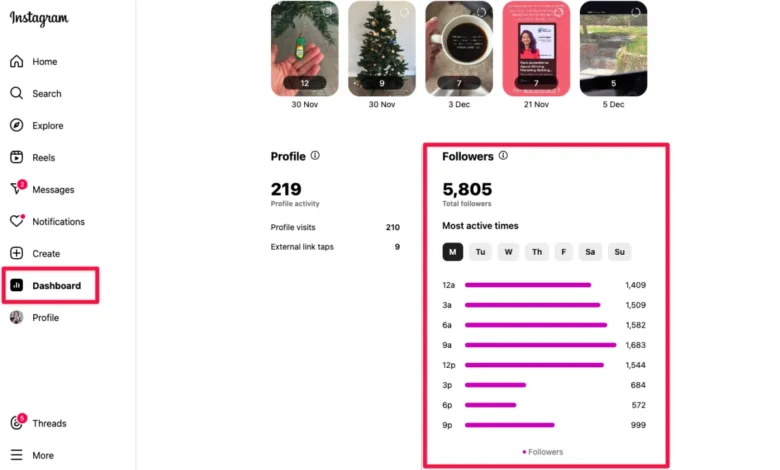
While global data provides a robust starting point, successful Instagram strategies must incorporate audience-specific insights. Instagram Insights, available to Professional (Creator or Business) accounts, provides invaluable data on when a specific follower base is most active. For instance, a global average might show evening peaks, but a niche B2B audience might be most active during specific workday hours.
Accessing these insights involves navigating to "Professional Dashboard" and then "Account Insights" within the Instagram app or web version. Analyzing follower activity patterns allows creators and brands to fine-tune their global strategy, transforming general recommendations into highly effective, personalized schedules. It is crucial to remember that these insights show when followers are active, not necessarily when they are most likely to engage. Experimentation with these audience-specific slots, followed by careful monitoring of engagement metrics, is essential for continuous optimization.
Strategic Implications for Marketers and Creators
![Best Time to Post on Instagram: 2026 Data from 9.6M Posts [Updated July 2026]](https://storage.ghost.io/c/6d/21/6d217297-aa70-41fe-b68d-e29e411dd3ed/content/images/2026/05/image-7.png)
The Buffer report’s findings carry significant implications for social media marketing strategies.
- Content Calendar Optimization: Brands and creators should align their high-value content—such as major announcements, product launches, or deeply engaging narratives—with peak engagement times, particularly midweek evenings.
- Resource Allocation: By identifying dead zones, teams can avoid wasting resources on content that is unlikely to perform well, reallocating efforts to more impactful periods.
- Cross-Platform Strategy: While this report focuses on Instagram, the principles of understanding audience behavior and algorithmic signals extend to other platforms. A holistic social media strategy should leverage similar data for each channel.
- Consistency and Cadence: Beyond just timing, consistent posting (3-5 feed posts and 1-2 Stories per week) remains vital for maintaining audience interest and algorithmic favor. Timely posting within a consistent schedule builds momentum.
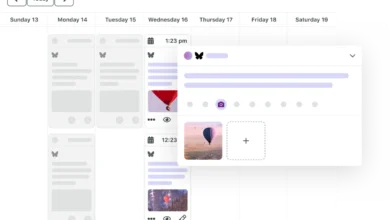
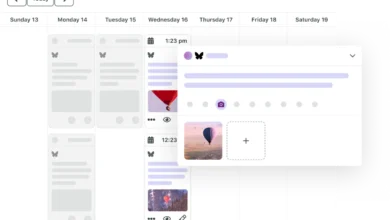
Tools like Buffer’s scheduling feature can automate the process of adhering to these optimal times. By setting a default posting schedule based on these data-backed recommendations, users can ensure their content consistently hits high-engagement windows without manual intervention, freeing up time for content creation and strategy development.
Conclusion
The landscape of Instagram continues to evolve, but the strategic interplay of quality content and precise timing remains a cornerstone of success. Buffer’s "State of Social Engagement 2026" report provides a powerful, data-driven roadmap for navigating this complexity. By understanding when audiences are most receptive—midweek evenings for general engagement, with a notable Thursday morning exception—and by leveraging platform-specific insights, creators and marketers can significantly enhance their reach and engagement. Ultimately, while timing is a crucial lever, it functions best when coupled with compelling, audience-centric content that genuinely resonates and encourages the coveted "sends per reach" that the Instagram algorithm now prioritizes. The message is clear: work smarter, not just harder, by letting data guide your Instagram posting strategy.