American Eagle Outfitters (AE) has initiated its ambitious back-to-school (BTS) campaign, a critical period for youth-focused retailers, integrating a multifaceted strategy encompassing social programming, immersive experiential activations, and a robust brand advertising push. This extensive effort, detailed to Marketing Dive, a sister publication of Social Media Today, includes a prominent 30-second advertisement slated for YouTube and paid social media channels, strategically focusing on the resonant themes of mall culture, vibrant campus life, and the dynamic world of sports to capture the attention of its core Gen Z demographic. The timing of this campaign is particularly astute, capitalizing on recent successes that have elevated the profiles of its key brand ambassadors.
A cornerstone of this year’s marketing offensive is the prominent inclusion of Lamine Yamal, the prodigious Spanish soccer star. Yamal, who solidified a five-year global ambassadorial agreement with American Eagle in January, has seen his international profile surge following significant triumphs with his national team, achievements the brand enthusiastically describes as "World Cup gold." This meteoric rise, coming shortly after Yamal kicked off his inaugural campaign with the brand just last month, has perfectly positioned the 19-year-old phenom for an even more substantial role in the highly competitive back-to-school marketing landscape. His age, while cited as 19 in the original source, aligns with the youthful energy American Eagle aims to convey, even as real-world chronologies might place him slightly younger during his initial signing, underscoring the brand’s focus on his impact and burgeoning stardom.
Craig Brommers, American Eagle’s Chief Marketing Officer, articulated the profound impact of this partnership to Marketing Dive, stating, "I’m not saying this as a CMO who sometimes can be over dramatic: This is the most exciting talent partnership in our future, and we just can’t believe that all the stars aligned, and everything that we dreamed of is coming true in real time." Brommers further elaborated on the adaptive nature of modern marketing, noting, "It’s reflective of what happens in modern marketing today: best laid plans, then something exciting happens, then you pivot and try to take full advantage of it." This candid admission highlights American Eagle’s agility in real-time marketing, swiftly adjusting strategies to capitalize on unexpected, high-profile events.
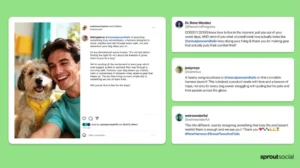
Following Yamal’s recent international success, American Eagle’s marketing team demonstrated remarkable responsiveness. The brand temporarily rebranded its Instagram page to "Lamine’s Eagles," boldly declaring it a "Lamine Yamal fan account" – a playful yet effective tactic to engage with his burgeoning fanbase and integrate the brand into the contemporary sports conversation. This digital pivot was complemented by the rapid deployment of social advertisements featuring Yamal, incorporating dynamic CGI soccer balls that brought static Times Square billboard advertisements to life on digital platforms. This immediate, high-impact response underscores the brand’s commitment to leveraging its partnerships dynamically. Brommers affirmed the intensity of these efforts, stating, "This American Eagle marketing team is working around the clock to make sure that we are amplifying Lamine into this back-to-school season. The team is not done coming up with some new tricks and surprises as we build into a product collaboration launch closer to the Labor Day weekend." This forthcoming product collaboration hints at a deeper integration of Yamal’s influence, extending beyond mere endorsements to tangible product offerings that resonate directly with consumers.
A Proven Track Record in Strategic Celebrity Partnerships
American Eagle’s adeptness at identifying and partnering with relevant cultural figures is not new. The brand has consistently demonstrated a "knack for finding the right celebrity partners at the right time," according to industry observers. Last year, American Eagle garnered significant attention with its campaign featuring actor Sydney Sweeney. While the campaign sparked some public discussion, it proved to be a strategic success, effectively attracting new customers and, crucially, reversing a negative sales trend that had previously impacted the brand’s performance. This demonstrated the potent influence of a well-chosen, albeit sometimes controversial, brand ambassador in driving consumer engagement and ultimately, sales growth.
Building on this success, American Eagle further diversified its celebrity roster in February with a campaign featuring country music sensation Ella Langley. Langley’s rising star power, bolstered by her song "Choosin’ Texas" achieving a remarkable 14th consecutive week at No. 1 on the Billboard Hot 100 chart, positioned her as another ideal choice to connect with a specific segment of the youth market. Both Sydney Sweeney and Ella Langley are slated to feature prominently in the current back-to-school effort, underscoring American Eagle’s multi-pronged approach to celebrity marketing. Brommers summarized the brand’s philosophy on talent partnerships, emphasizing that while "talent should never define a brand," the "right talent can certainly amplify a brand," reinforcing the idea that these partnerships are strategic enhancements rather than sole determinants of brand identity.
The strategic deployment of multiple high-profile ambassadors like Yamal, Sweeney, and Langley allows American Eagle to tap into diverse cultural touchpoints—sports, entertainment, and music—thereby broadening its appeal and reach across the varied interests of Gen Z. This approach mitigates the risks associated with relying on a single figure, ensuring a more resilient and comprehensive marketing outreach. Industry analysts suggest that such diversified talent portfolios are becoming increasingly crucial for brands targeting Gen Z, a demographic known for its eclectic tastes and rapid shifts in cultural allegiances.
Gen Z’s Resurgence in Physical Retail and Campus Life

Beyond its heavyweight brand partners, American Eagle’s back-to-school campaign is deeply rooted in engaging Gen Z within physical retail spaces and campus environments. A significant strategic pivot for the brand is its renewed focus on the mall. Contrary to earlier predictions of a "retail apocalypse," recent data from PwC, cited by American Eagle, indicates a substantial 57% year-over-year increase in Gen Z’s share of foot traffic at malls. This behavioral shift signals a strong desire among young consumers for in-person experiences and social interaction, a trend that has also informed similar strategies by competitors such as Aéropostale.
"We are back to basically pre-pandemic mall traffic… and that mall traffic is being driven by young people that want to be back in real life, making real connections with real people," Brommers observed. "We will have more in-mall activations this season than at any time of my CMO tenure over the last five years." This commitment translates into a series of tangible in-store initiatives designed to transform shopping into an experience. These include exclusive in-store events, targeted discount days, and unique store-exclusive denim drops, creating a sense of urgency and exclusivity. A notable activation is the "Jeans for Life" contest, where customers who try on jeans in-store and scan a QR code during the first week of August have a chance to win a lifetime supply of jeans—a powerful incentive designed to drive foot traffic and foster brand loyalty.
Furthermore, American Eagle is actively encouraging its extensive creator community to visit their local stores, not just for product discovery, but also for the creation of authentic, engaging content. This strategy blurs the lines between traditional marketing and influencer-led content, leveraging the credibility of creators to showcase the in-store experience organically. Brommers emphasized the evolving nature of retail for this demographic: "When someone takes the time and effort to get in their car, pay those gas prices, park and go into a mall, it isn’t a transaction anymore. They want an experience. This is now as important as thinking about your creative campaign or your media strategy. It’s now plotting out how you can engage with Gen Z in real time, in real life."
To seamlessly bridge the physical and digital realms, American Eagle is launching "Mall Diaries," a social-first, influencer-led content series. This initiative aims to capture the spontaneous and social essence of the mall experience, infused with a nostalgic Y2K aesthetic. The Y2K trend, characterized by its vibrant colors, playful motifs, and a sense of optimism from the turn of the millennium, has proven to be a highly effective tactic for engaging Gen Z consumers, who often embrace vintage styles as a form of self-expression and a connection to a perceived simpler past.
Beyond the mall, American Eagle’s campaign extends its reach directly to college campuses throughout August. The brand is targeting sorority chapters at prominent institutions including the University of Alabama, Arizona State University, the University of Florida, and Ohio State University. These influencer-led partnerships will feature product displays, giveaways, and engaging "room makeover" content, strategically tapping into #RushTok. This social media phenomenon, where prospective sorority members document their recruitment journeys on TikTok, has exploded in popularity, generating millions of views and fostering a unique subculture centered around outfits, drama, and the excitement of campus life.
Brommers highlighted the broad appeal of this trend, explaining, "RushTok is not just about the young women that are going through sorority recruitment. It really is about people watching — almost in real time — the outfits, the drama and the excitement of sorority recruitment." By aligning with #RushTok, American Eagle positions itself at the heart of a significant cultural moment for college-bound Gen Z, offering relevant products and content that speak directly to their experiences and aspirations during a pivotal life stage. The focus on universities with strong Greek life traditions ensures maximum impact within a highly engaged and influential demographic.
Navigating the Evolving Back-to-School Retail Landscape
The comprehensive nature of American Eagle’s back-to-school marketing strategy is designed to enable the brand to effectively break through in a season where consumer spending is projected to remain largely flat, according to Deloitte’s latest Back-to-School Survey. Despite the overall flat forecast, the report indicates a return to pre-pandemic shopping patterns, with planned spending expected to peak in late July and early August. This traditional peak underscores the importance of early and sustained engagement for retailers.
American Eagle’s approach acknowledges the extended nature of the modern back-to-school season. "It’s a long back-to-school season now. It’s not just the first two or three weeks and the shopping is done," Brommers elaborated. "Kids go back to campus, they look around at what everyone’s wearing, and then they go back to the mall to buy some more stuff, and then the weather changes. We’re really set up to take advantage of a 10-week sprint of back-to-school this year." This understanding of phased purchasing behavior—initial necessities followed by trend-driven updates and seasonal adjustments—informs American Eagle’s sustained promotional and engagement efforts, extending well past the initial rush.
This extended "sprint" necessitates a dynamic inventory management system and agile marketing adjustments to respond to emerging trends and shifting consumer preferences throughout the season. For American Eagle, a brand deeply rooted in denim and casual wear, the ability to offer fresh styles and promotions over several weeks is crucial for capturing repeat purchases and maintaining market share in a highly competitive environment. The brand’s strategic investments in experiential retail and celebrity partnerships are not merely about driving initial sales but are also geared towards fostering long-term brand affinity and loyalty among a demographic known for its brand consciousness and social influence. By carefully orchestrating a blend of digital engagement, physical activations, and culturally relevant partnerships, American Eagle aims to solidify its position as a leading lifestyle brand for Gen Z, navigating the complexities of the contemporary retail landscape with precision and innovation.