MAKE Animation Thesis Grant Opens Global Applications for 2026 to Support Emerging Student Filmmakers

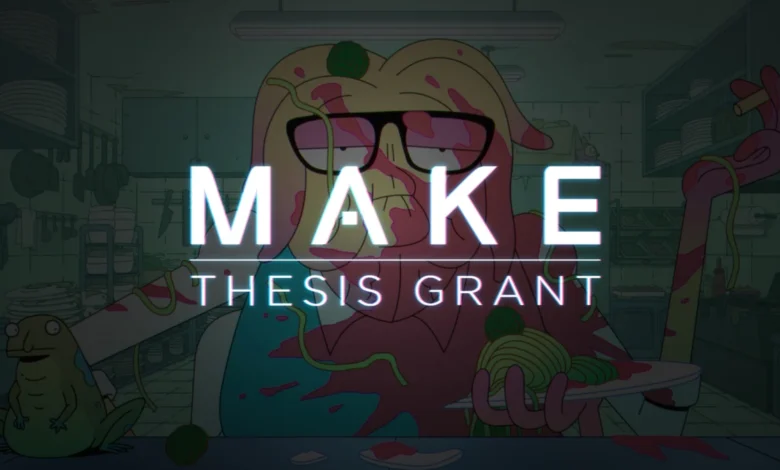
The acclaimed creative studio MAKE has officially declared the opening of the application window for the 2026 MAKE Animation Thesis Grant, marking the third consecutive year of an initiative designed to uplift, fund, and propel the next generation of global animation talent. Established to remove financial barriers that frequently hinder ambitious student filmmakers, the annual program provides senior-level undergraduates and postgraduates with vital funding, professional mentorship, and international industry exposure. As the digital animation landscape continues to evolve at a rapid pace, initiatives of this scale play a critical role in bridging the gap between academic institutions and the professional creative sector.
Comprehensive Overview of the 2026 Grant Program
The MAKE Animation Thesis Grant is open on a global scale to students currently enrolled in senior-year programs leading to a BFA, BA, MFA, or MA in animation, digital arts, or closely related visual disciplines. Eligible candidates are evaluated primarily on the strength of their treatment presentation, artistic vision, and storytelling capabilities rather than their access to high-end production pipelines.
Selected winners will receive direct financial support structured across three tiers:
- First Place: $2,000 USD
- Second Place: $1,000 USD
- Third Place: $500 USD
Beyond direct monetary awards, recipients gain access to invaluable professional resources. These include formal professional references, optional creative guidance from seasoned industry veterans at MAKE, and extensive promotional visibility. Winning projects are showcased across MAKE’s official digital channels, corporate blog, and through targeted press outreach, ensuring that emerging creators secure crucial industry visibility before graduating.
Chronology and Important Deadlines
The timeline for the 2026 grant cycle has been structured to accommodate students as they progress through their final academic year:
- Application Period Opens: September 1, 2026
- Application Deadline: November 4, 2026
- Winner Announcement: November 15, 2026
Submissions are evaluated by a specialized panel of judges comprising creative professionals from MAKE. Interested applicants can review complete eligibility requirements, submission guidelines, and access the application portal directly through the official studio website at makevisual.com/thesis-grant-info.
Origins and Evolution of the Initiative
Launched originally in 2024, the MAKE Animation Thesis Grant was conceived out of a desire to champion original storytelling at the grassroots level. Studio leadership recognized that while student animators possess boundless imagination, the financial and logistical realities of producing a high-quality thesis film often compromise their initial creative vision. By stepping in with direct financial backing and promotional infrastructure, MAKE aimed to level the playing field for international students regardless of their geographic location or institutional resources.
Danny Robashkin, Founder and Creative Director at MAKE, emphasized the long-term vision behind the grant program. "We’re not just funding student films, we’re giving emerging animators the tools, confidence, and visibility to bring their stories to life and step into the industry with work they’re proud of," Robashkin stated. "This award is open internationally, and I’m continually inspired by the creativity we see from around the world. The voices we help amplify today will be the ones defining the next era of animation."
Historical Impact: Review of Past Winners
Over its two-year history, the grant has successfully brought international attention to a diverse array of distinct artistic voices, helping propel unconventional narratives and technical achievements into the public eye.
2024 Inaugural Cohort
The inaugural 2024 edition set a high benchmark for the competition, highlighting projects that balanced technical execution with distinct comedic and poetic tones:
- First Place: Alienated! by Andrew Erbskorn. A whimsical 2D comedic short following a skittish alien tasked with defending his fragile dome-shaped home against an onslaught of giant purple monsters.
- Second Place: Ümit by Amina Umirzhanova. A deeply reflective, mythic story exploring themes of hope, resilience, and light existing within a world dominated by absolute darkness.
- Third Place: Praying for Love by Sofia Tonin. A darkly humorous narrative centering on a romantic praying mantis whose search for true love inadvertently leads to the consumption of all her prospective suitors.
2025 Cohort Highlights
Building upon the success of the previous year, the 2025 selection committee evaluated hundreds of international pitches, ultimately honoring projects rooted in historical fantasy, environmental allegory, and dark comedy:
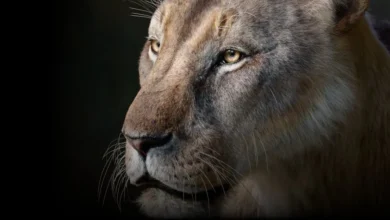
- First Place: Stone Lions Don’t Roar by Le Hang Whalen. An emotionally resonant narrative set against the rich backdrop of a fantastical 16th-century Vietnam, following the complex bond between two sisters.
- Second Place: Thiefish by Madhava Das Kinnicutt and Evelyn Grace Dale. An evocative allegorical tale focused on the delicate journey of returning an ancient ocean spirit safely back to its natural aquatic habitat.
- Third Place: Back to Bones by Ryan Koutras. A lighthearted, humorous short following a newly resurrected medieval knight and his loyal squire as they navigate the afterlife in search of peace and quiet.
Industry Implications and Broader Analysis
The introduction and continued expansion of private grants like the one offered by MAKE address a systemic challenge within contemporary arts education. As tuition costs rise and the demands of digital production pipelines grow more complex, higher education institutions frequently struggle to provide students with the individualized financial resources needed to execute feature-length or short-form thesis films at a professional standard.
By stepping in during the crucial final year of study, independent studios fill a vital gap in the creative ecosystem. Programs of this nature not only validate student portfolios prior to graduation but also foster a culture of independent filmmaking that prioritizes risk-taking and singular artistic expression over commercial formulaic production. Analysts note that providing international visibility to student creators helps democratize the recruitment pipeline, allowing independent studios and major production houses alike to discover untraditional talent from regions that may lack localized industry infrastructure.
As the 2026 application window progresses toward its November deadline, the global animation community watches closely to see which new cohort of students will step forward to define the upcoming era of visual storytelling. MAKE continues to solidify its reputation as both a premier commercial creative studio and a dedicated patron of the arts, ensuring that bold, unconventional stories continue to find a platform in an increasingly competitive media landscape.