Brad Bird and the Creative Team Behind Ray Gunn Reveal the Technical Hurdles and Artistic Ambition of a Three-Decade Journey

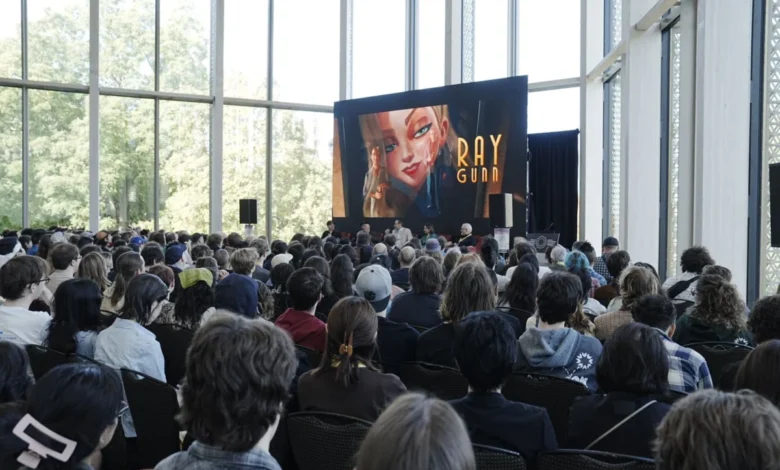
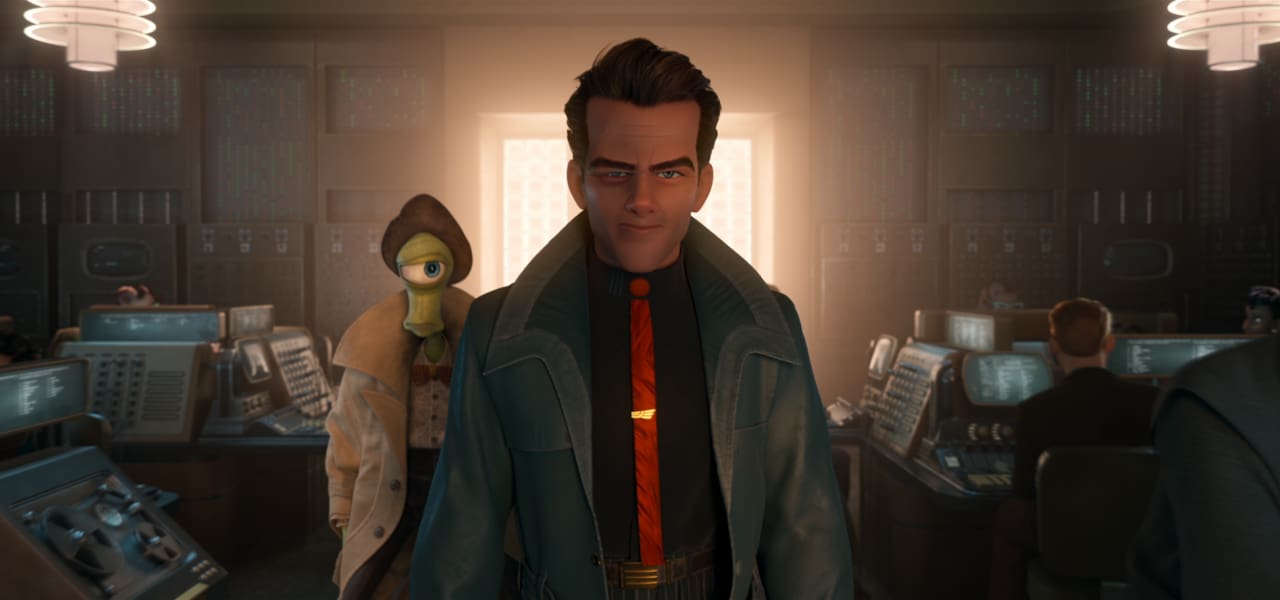
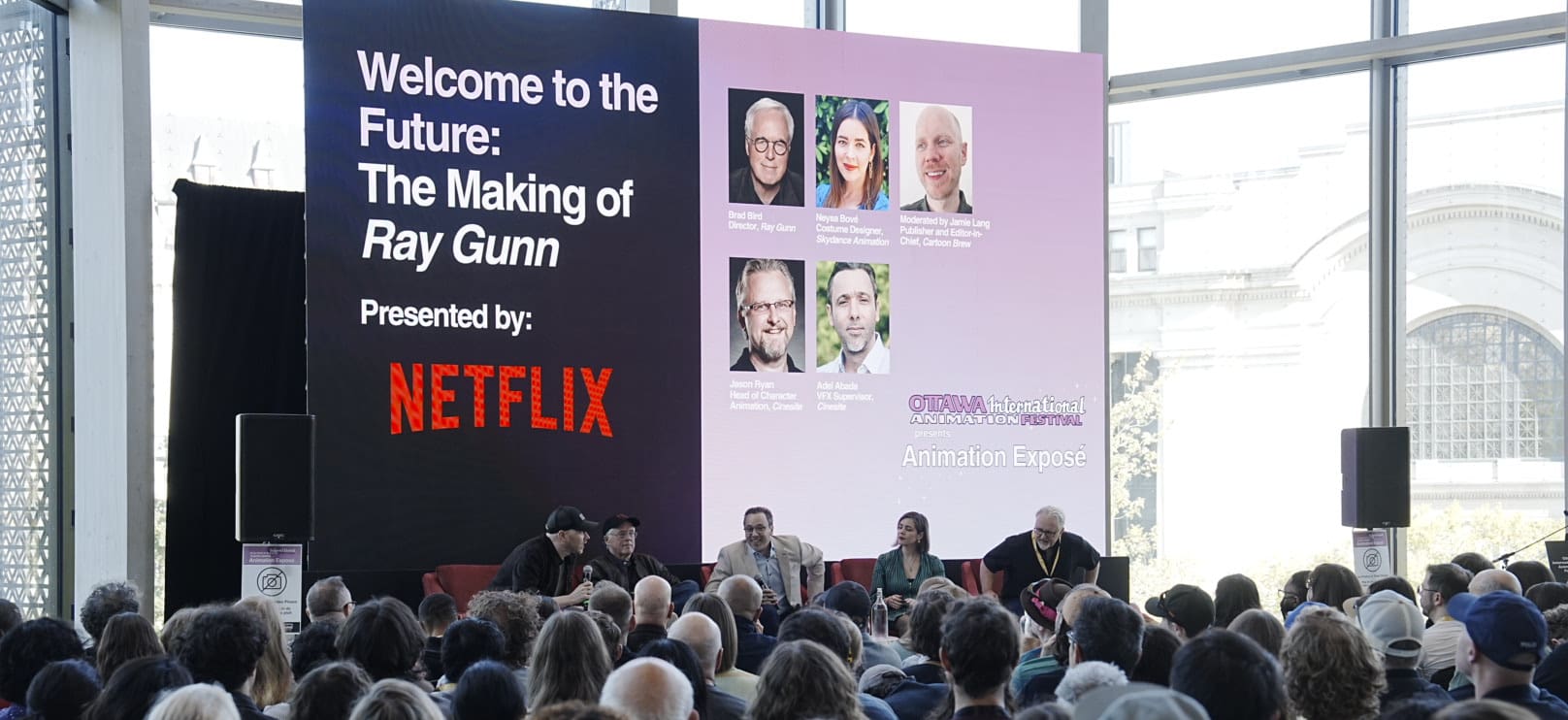
After three decades of development, conceptual shifts, and industry waiting, Brad Bird’s ambitious sci-fi noir project Ray Gunn is finally poised for its theatrical and streaming debut. The film, which explores a stylized, retro-futuristic version of the year 1939, is scheduled for a limited theatrical run on December 4, 2026, featuring exclusive 70mm screenings, followed by a wide release on Netflix on December 18, 2026. At the Ottawa International Animation Festival (OIAF) this past Saturday, Bird, alongside key production leads from Skydance Animation and Cinesite, provided an exhaustive technical post-mortem and creative retrospective on the realization of a project that once seemed destined to remain a "lost" masterpiece.
The presentation, moderated by Cartoon Brew, featured Cinesite VFX supervisor Adel Abada, costume designer Neysa Bové, and Cinesite head of character animation Jason Ryan. Together, they offered an unprecedented look at how a decades-old vision was translated into a contemporary CG environment without losing the aesthetic sensibilities of classic detective cinema.
A Chronology of a Long-Gestating Concept
The roots of Ray Gunn trace back to the mid-1990s, a period when Bird was attempting to break the mold of what animation could represent in the North American market. Following his early career successes, Bird developed a pitch for an animated feature based on Will Eisner’s The Spirit. Despite securing the interest of legendary producer Gary Kurtz, the project failed to find financial backing, as studios at the time were largely unwilling to gamble on animation that didn’t cater to a younger demographic.
"Nobody was willing to see that kind of film in animation," Bird reflected during the OIAF session. Consequently, the core concepts and character archetypes for Ray Gunn were relegated to development storage, a situation Bird compared to the final scene of Raiders of the Lost Ark. While the technology for CG filmmaking did not exist in the 1990s in a way that could capture his specific noir aesthetic, the story remained the same. According to Bird, the core narrative arc survived the transition from hand-drawn concepts to the high-fidelity CG production that finally moved forward under the Skydance and Cinesite partnership.
The Production Pipeline: Merging Noir with Digital Precision
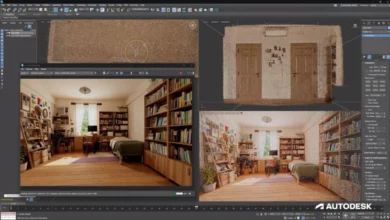
The production of Ray Gunn spanned approximately 18 months—a compressed timeframe for a film of this visual complexity. The final product comprises 1,800 individual shots across 35 sequences. A defining feature of the production was the decision to reject standard CG pipeline protocols. Typically, layout, lighting, and rendering are treated as distinct, sequential silos. For Ray Gunn, the cinematography team moved to integrate layout and lighting simultaneously.
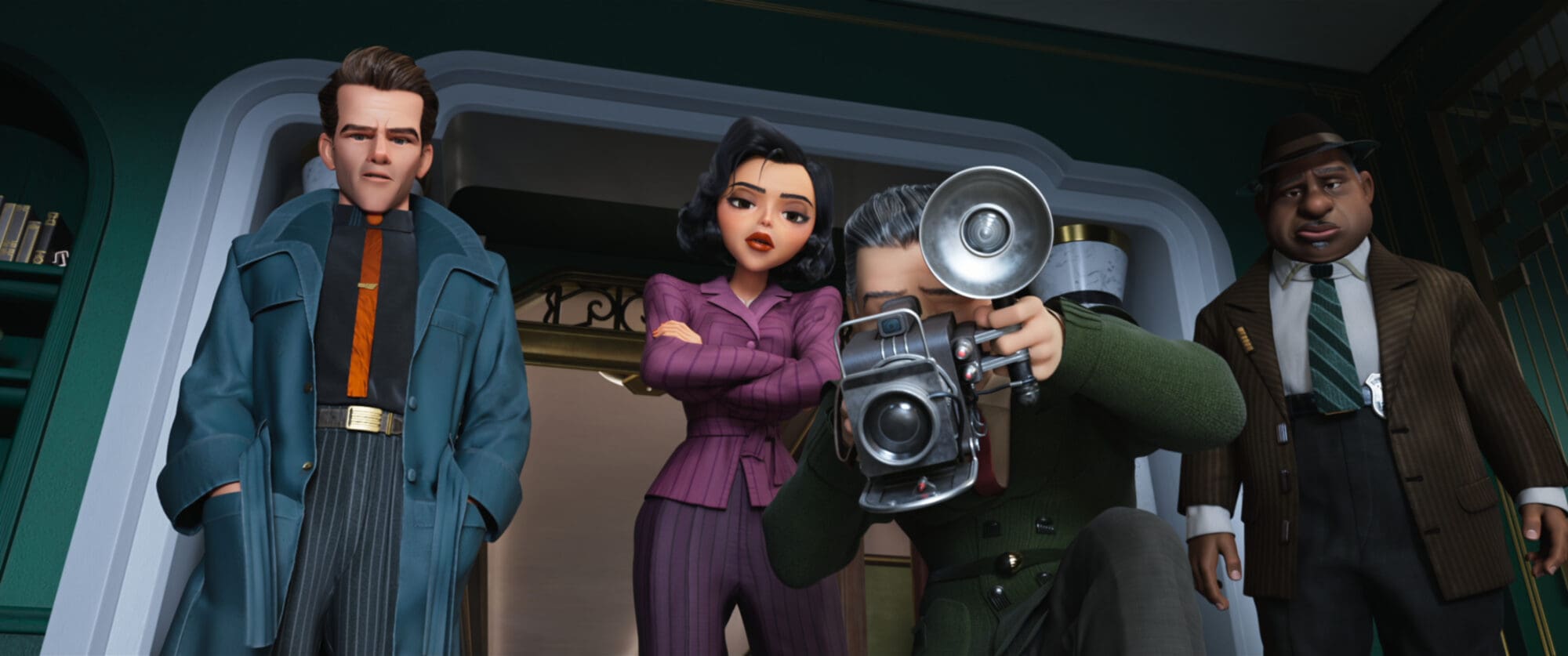
"Our approach was, we’re making a movie, we’re making a film," said VFX supervisor Adel Abada. "Let’s use the language that cinematography has entirely given us." By treating the digital set like a physical soundstage, Bird was able to make directorial decisions in real-time, mirroring the workflow of live-action directors like John Huston. This methodology was heavily influenced by 1970s neo-noir, particularly the lens choices and shadow management found in Roman Polanski’s Chinatown.
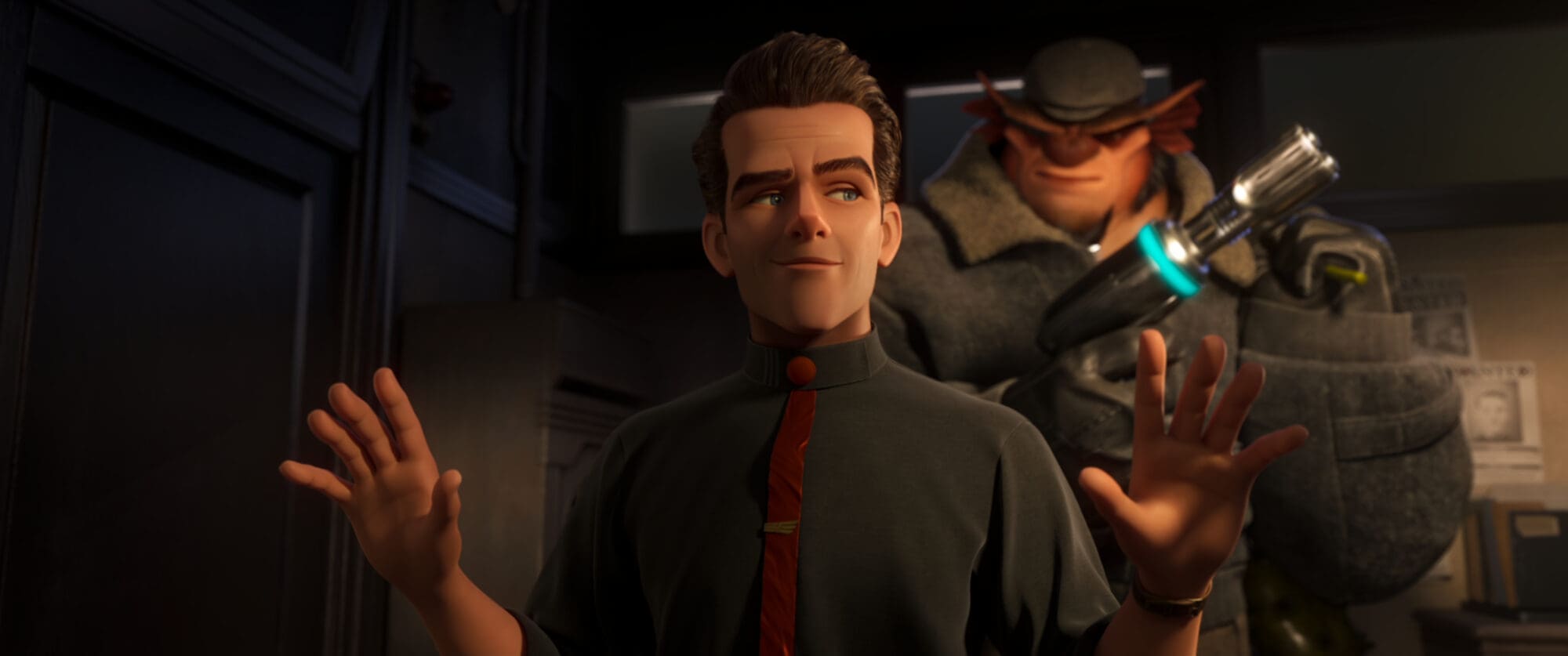
To achieve the desired look, the team utilized 28mm lenses—a wide-angle choice that typically introduces significant distortion in character models. However, the production team adjusted their assets to accommodate the visual intent rather than defaulting to the "safe" camera settings typically seen in family-oriented CG features. Furthermore, the team embraced the use of ceiling elements in their set designs, a stylistic nod to the low-angle, claustrophobic framing techniques used in The Maltese Falcon to create a sense of scale and authority.
Technical Challenges and the "Metropia" Environment
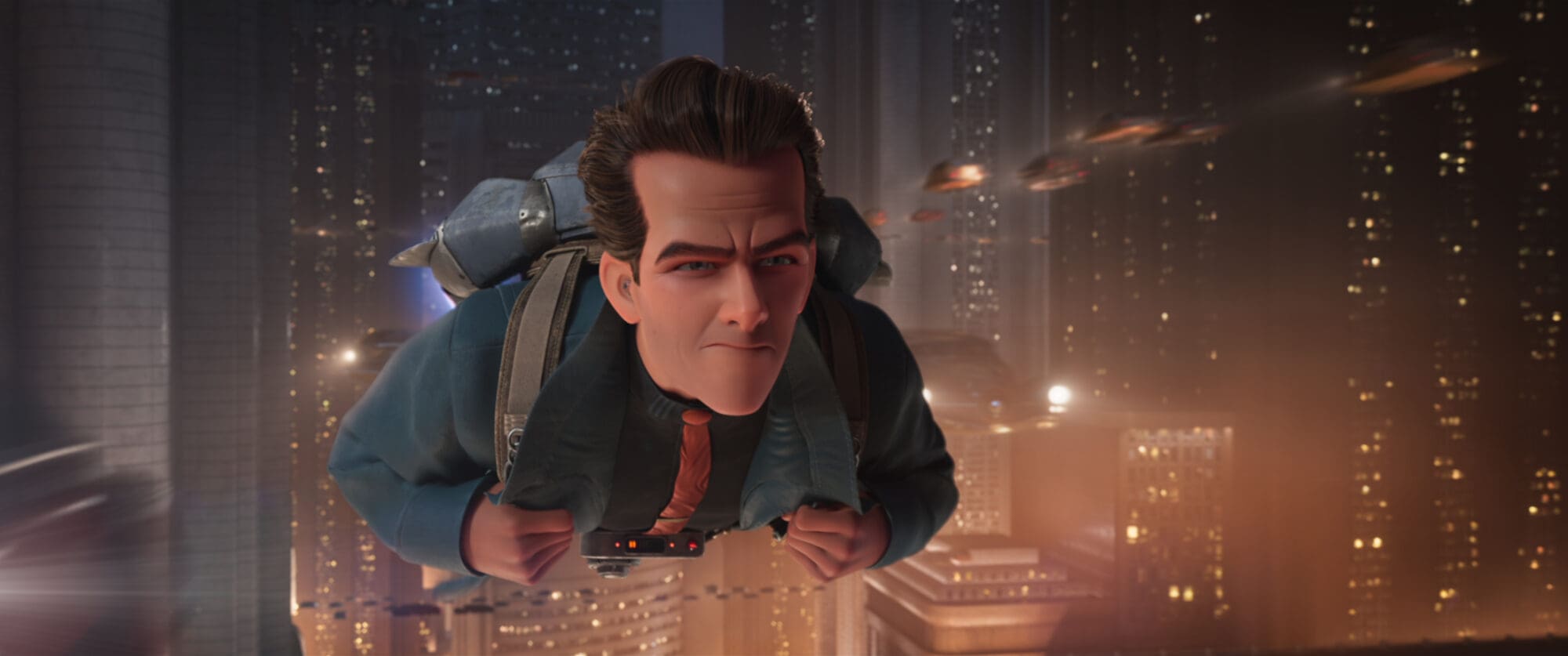
The fictional setting of Metropia serves as a character in its own right. Designed to represent a futuristic city as envisioned by 1939 architects, the environment rises a mile into the air, necessitating massive scale-modeling and rendering efforts. To test their pipeline, the team front-loaded the production with a 65-second, 35-shot vertical chase sequence. This sequence involved high-intensity lighting, rain effects, and complex destruction physics. By tackling this sequence early, the team validated their technical approach, ensuring that when they moved to the larger, 110-shot sequences in broad daylight, they had the confidence that their environment-building tools could sustain the visual load.
Costume Design: The Intersection of Technology and Fashion
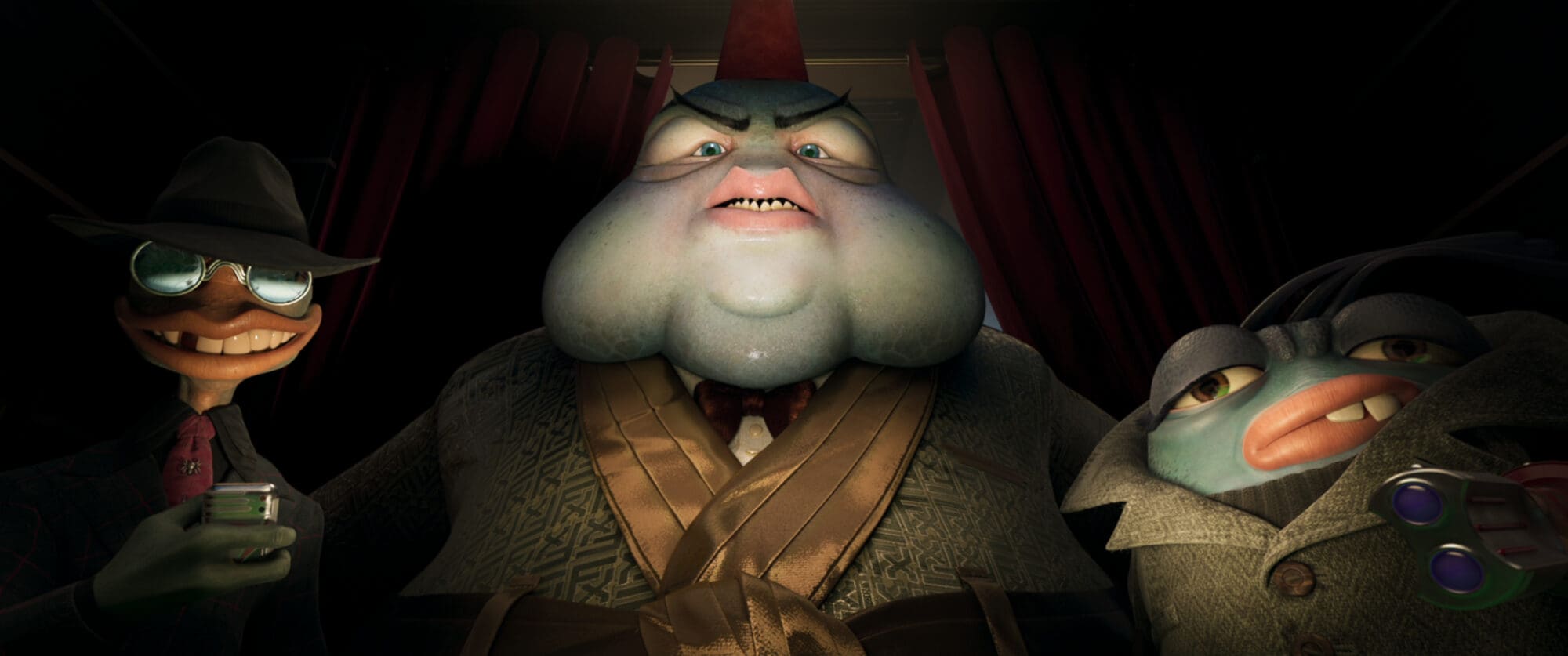
Costume designer Neysa Bové faced the unique challenge of creating a "futuristic 1940s" aesthetic that felt grounded in reality. The wardrobe was not merely a collection of vintage-inspired garments but a reflection of the film’s retro-technological setting. Bové turned to the design of period radio equipment—specifically Bakelite materials and speaker-grille fabrics—to inform the texture of the costumes.
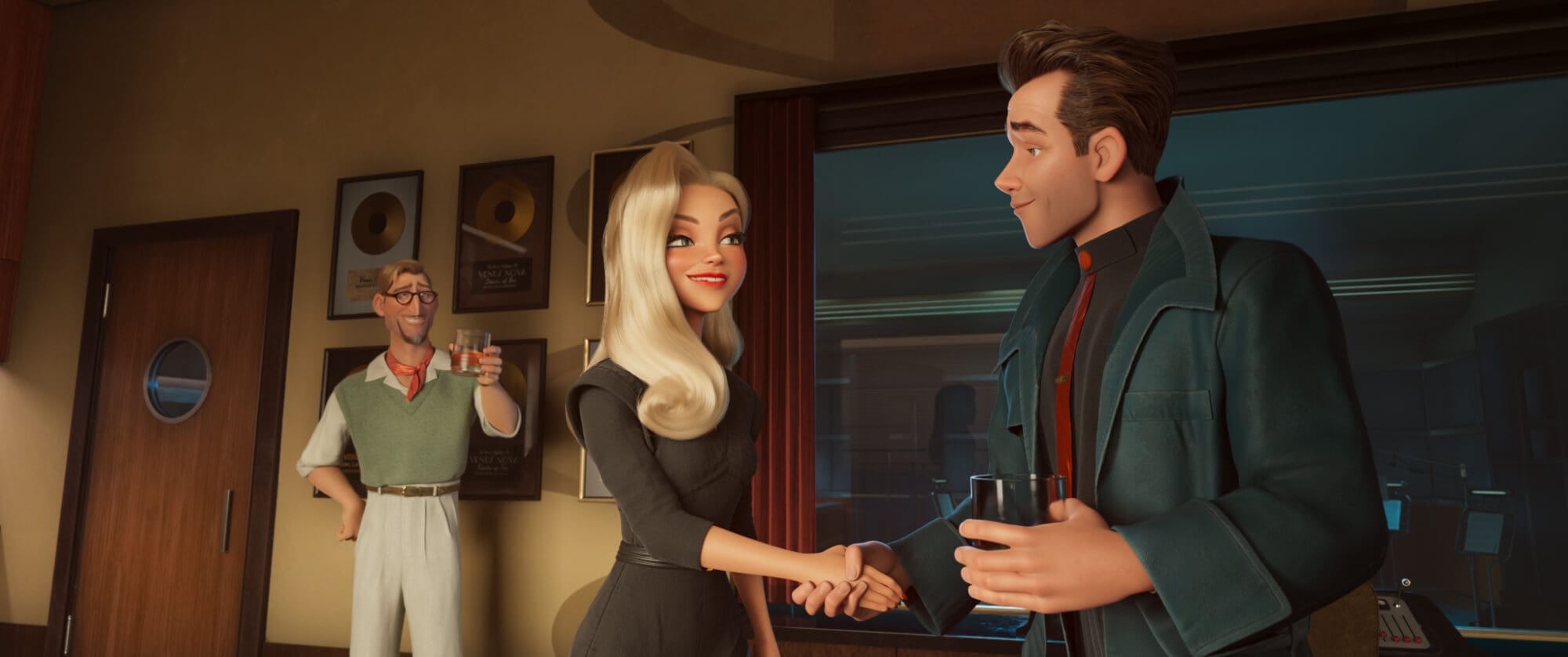
The character of Venus Nova, who sports 23 distinct costumes in the film, served as the primary canvas for this experimentation. Bird insisted that the character’s transformative clothing—which includes a gown that shifts to reflect a "devil" motif—must be grounded in plausible technology rather than "movie magic." Consequently, the team designed the costumes with actual, functional components in mind, such as small display modules that mimic the appearance of sequins while providing a technological basis for the animated flames that traverse her wardrobe. Bové noted that the costume design documentation was so granular that a tailor could theoretically construct the pieces in the real world.
Performance and the Evolution of CG Acting
Jason Ryan, the head of character animation, emphasized the necessity of restraint in CG performance to mimic the nuanced acting styles of the 1940s. By studying the body language of stars like Humphrey Bogart, the animation team focused on "contained caricature." The goal was to ensure that even subtle expressions remained readable without relying on the exaggerated, "bouncy" animation style common in many modern animated features.
During the opening sequence, the team demonstrated the value of iterative blocking. They established "goal posts" for every shot using crude geometry before layering in the secondary movement, hair, and clothing physics. The inclusion of a 2D animator to hand-draw flames on top of the CG character work provided a hybrid texture that bridged the gap between traditional craft and modern rendering, lending the film what Ryan described as a "handmade feel."
Broader Implications for the Animation Industry
The development and release of Ray Gunn signal a potential shift in the animated feature landscape. Brad Bird has long been an advocate for moving the medium beyond the "kiddies’ table." His work on The Iron Giant established this trajectory, using the guise of a children’s story to explore Cold War-era existential dread and political anxiety. With Ray Gunn, he is explicitly targeting an older, more mainstream audience.
By refusing to pitch the project to studios like Pixar, which are fundamentally tethered to family-friendly demographics, Bird has sought a home that allows for a more mature, noir-inspired narrative. The implications for the industry are significant: if Ray Gunn achieves commercial success with a teen and adult audience, it could provide a template for other veteran directors to push the medium into genres traditionally dominated by live-action, such as thriller, crime drama, and high-stakes science fiction.
As the film prepares for its December premiere, the industry remains focused on whether audiences are ready to embrace the high-concept, stylized noir that Bird has spent 30 years perfecting. For now, the OIAF presentation stands as a testament to the fact that, even in a digital age, the principles of classic cinematography, grounded character performance, and narrative focus remain the primary drivers of compelling cinema. Bird’s refusal to treat the audience like children remains his most consistent and perhaps most influential contribution to the craft of modern animation.