Glitch Productions Officially Greenlights Full Season of Ross ODonovan’s Animated Hit Gameoverse

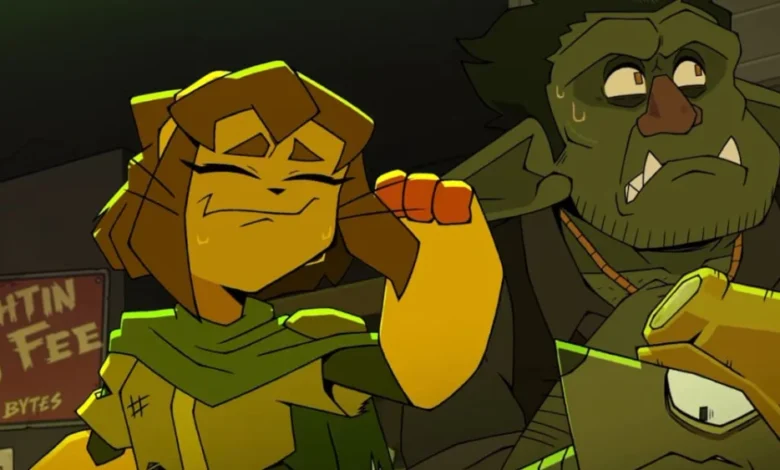
The landscape of independent digital animation continues to shift toward platform-native hits, as Glitch Productions, the powerhouse studio behind viral sensations like The Amazing Digital Circus and Murder Drones, has officially announced the greenlight for a full season of Gameoverse. Created by veteran digital entertainer and animator Ross O’Donovan, widely recognized by his online moniker RubberRoss, the series has rapidly evolved from a passion project into one of the most anticipated additions to the burgeoning Glitch slate. This decision follows the overwhelmingly positive reception of the show’s pilot, which debuted in May 2026 and has since eclipsed 31 million views, signaling a robust appetite for high-concept, serialized animation within the indie sector.
The Genesis and Conceptual Foundation of Gameoverse
At its core, Gameoverse presents a high-concept science-fiction premise that mirrors the mechanics of the medium it satirizes. The series is set within a sprawling, fragmented digital universe where individual planets function as discrete, self-contained video game environments. The narrative trajectory follows the protagonist, Kit, and her ensemble, Team Nimble, as they traverse these volatile worlds. Their primary mission is to prevent the destruction of these planets, a task complicated by a unique, paradoxical rule of their reality: the completion of a "win condition" by a hero results in the instantaneous obliteration of the planet and the subsequent release of a potent energy source known as Float.
This central mechanic creates a moral and strategic dilemma for the protagonists. To preserve the existence of a planet, Team Nimble must ensure that the resident villains remain undefeated. This puts them in direct opposition to the overarching antagonist, Syntax, a force that actively manipulates heroes into fulfilling their quest objectives, thereby harvesting the resulting Float energy at the expense of the digital world. The complexity of this "save the world by failing the game" dynamic offers significant room for thematic exploration, blending slapstick action-comedy with deeper questions regarding agency and the consequences of systemic manipulation.
Chronology and Development Timeline
The journey of Gameoverse has been characterized by a long-term, iterative development process. Ross O’Donovan has been vocal about his attachment to the project, which has been in various stages of conceptualization and production for over a decade. This extended gestation period allowed O’Donovan to refine the aesthetic and narrative architecture of the show, resulting in a distinct visual language that stands out in a crowded digital marketplace.
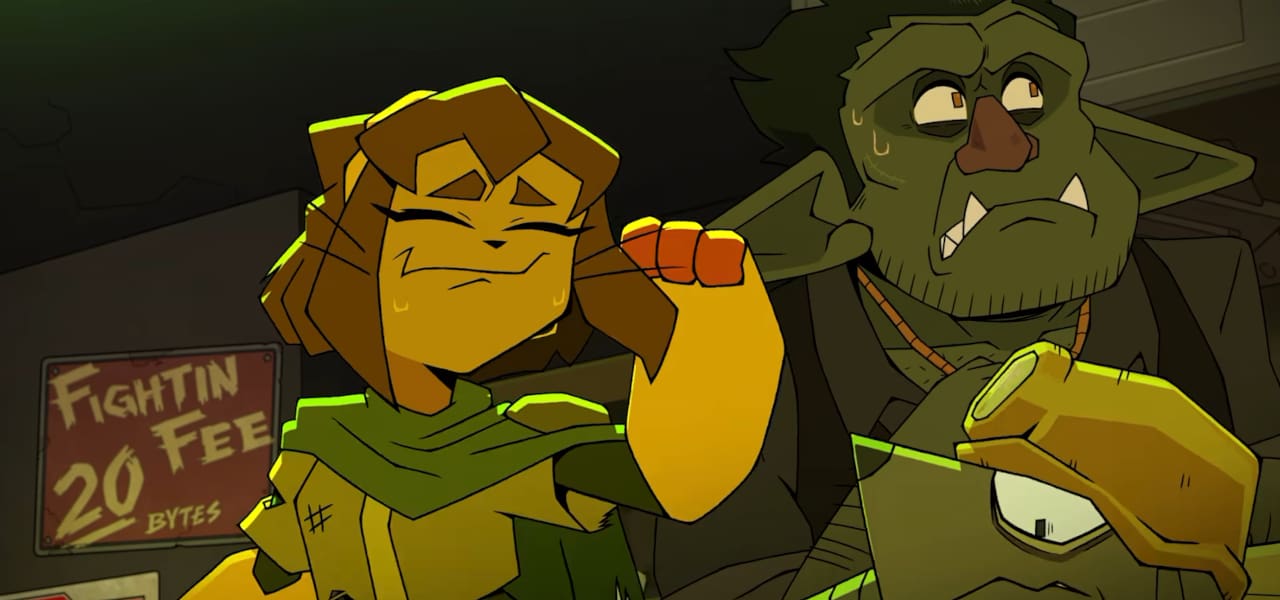
The path to production accelerated significantly following the partnership with Glitch Productions. The pilot’s release in May 2026 served as a proof-of-concept that effectively validated the years of groundwork. The immediate, massive engagement metrics—culminating in over 31 million views within months—provided the necessary leverage to secure the greenlight for a full season. Following the announcement, the studio has confirmed that the second episode is scheduled for a worldwide premiere on May 21, 2027, marking the beginning of the show’s formal episodic rollout.
Production Value and Industry Talent
One of the most notable aspects of Gameoverse is the caliber of talent involved, both in front of and behind the microphone. The pilot established a high bar for production quality, featuring a voice cast that includes seasoned industry professionals alongside prominent digital creators. Erica Lindbeck, known for her prolific work in both animation and video game voice-over, leads the project as Kit. She is supported by a diverse cast including Chris Sabat, Elsie Lovelock, Michael Cusack, Arin Hanson, and JSchlatt, as well as O’Donovan himself.
The auditory landscape of the series is equally ambitious. By recruiting Grant Kirkhope, the legendary composer behind the iconic soundtracks of Banjo-Kazooie, and Jake Kaufman, the creative force behind the Shantae series, the production team has ensured that the show’s music pays homage to the very video game tropes it explores. This collaboration between veteran game composers and modern indie animation studios reflects a broader industry trend where the lines between traditional game music composition and narrative animation production are increasingly blurred.
Official Statements and Studio Strategy
The announcement of the greenlight has been met with significant enthusiasm from both the creator and the studio. In a statement regarding the continuation of the project, Ross O’Donovan expressed his gratitude for the audience’s response, noting, "I’m happy to share with you all that more Gameoverse is coming! I’m excited for you all to see what me and my extraordinary team have been cooking. Thank you for your continued support!"
For Glitch Productions, Gameoverse represents a strategic expansion of their library. Luke Lerdwichagul, co-founder of Glitch, emphasized the importance of honoring the creator’s long-standing vision. "With the greenlight of Gameoverse, we’re incredibly excited to bring Ross’s world to life, who’s been crafting the show with more than a decade of meticulous dedication," Lerdwichagul stated. He further highlighted the studio’s commitment to the project, adding, "The characters, worlds, and stories he has created are wonderfully distinctive and diverse, making this a fantastic addition to Glitch’s lineup of shows. We understand that this project is more than just a story for Ross. It is a deeply personal work that has been years in the making. We’re committed to honoring that vision and bringing it to the screen with the care it deserves."

Broader Implications for Indie Animation
The success of Gameoverse and its subsequent greenlight is emblematic of the "Direct-to-Audience" model that has revolutionized independent animation. By leveraging massive, pre-existing online communities, creators like O’Donovan can bypass traditional gatekeepers, proving that high-quality, long-form content can be monetized and sustained through digital-first distribution.
Data from the independent animation sector suggests that audiences are increasingly seeking narrative-driven content that mimics the complexity of television while retaining the creative freedom of independent production. When a pilot reaches tens of millions of views, it provides a clear financial roadmap for studios, reducing the risk associated with investing in original intellectual property. This model not only benefits the creator but also builds a loyal, highly engaged fanbase that acts as a marketing engine for the series, creating a self-sustaining cycle of production and viewership.
Furthermore, the focus on "world-building" in Gameoverse—where each episode or arc can theoretically introduce an entirely new environment with its own rules and aesthetic—provides a level of narrative flexibility that is difficult to achieve in more rigid formats. This modular approach is particularly well-suited for a digital audience accustomed to the episodic, level-based structure of video games.
Conclusion
As production ramps up for the remainder of the season, all eyes will be on the May 2027 premiere to see if the series can maintain the momentum established by its pilot. The commitment from Glitch Productions to support a project of such personal importance to its creator speaks to the maturing nature of the studio, which has positioned itself as a guardian of independent creator visions. For the animation industry, Gameoverse stands as a testament to the power of persistence, the utility of niche-audience engagement, and the evolving potential for creators to build massive, multi-platform franchises outside of the traditional studio system. With a solid foundation, a proven track record of engagement, and a clear vision for its future, Gameoverse is poised to be a defining entry in the next generation of digital-native animation.