Navigating the New Era of Brand Loyalty: Why Consumer Trust is Harder to Win and Keep in the Digital Age

In the contemporary commercial landscape, brand loyalty has transitioned from a stable asset into a volatile metric that requires continuous cultivation and real-time strategic management. While winning a consumer’s dedication has historically been a challenge, market analysts note that it is now exceptionally easy to lose. This vulnerability is driven by an unprecedented proliferation of digital touchpoints, shifting consumer expectations, and a pervasive skepticism regarding online information. As modern enterprises grapple with these dynamics, corporate strategies are increasingly reliant on social intelligence tools to capture and act upon consumer sentiment before brand perception shifts irreversibly.
The Changing Digital Ecosystem and the Erosion of Trust
The modern consumer journey rarely follows a linear path from a brand’s advertisement to its checkout page. Instead, potential buyers encounter products across a fragmented digital ecosystem that includes decentralized social media platforms, creator-driven communities, and unvetted online forums. By the time a consumer interacts directly with a corporate website, they have frequently synthesized opinions from disparate sources, ranging from peer reviews on Reddit to critical commentary on TikTok.
This decentralized discovery process occurs against a backdrop of declining public trust in digital content. Recent industry data underscores this skepticism: approximately 35% of social media users report that their trust in online content has diminished over the past year. Respondents attribute this decline primarily to the proliferation of misinformation, which was cited by 30% of users, and the rise of unregulated artificial intelligence-generated content, noted by 20% of participants. Furthermore, an overwhelming 88% of surveyed individuals agree that AI video tools have significantly reduced their trust in the news and media they encounter on social networks.
For brands, this heightened scrutiny means that traditional marketing tactics face intense skepticism. Overly polished corporate testimonials can trigger suspicion if consumers suspect AI involvement, while vague responses to public criticism can exacerbate consumer frustration. Consequently, brand equity is increasingly dictated by credibility demonstrated across every digital interaction, extending far beyond channels directly controlled by the enterprise.
Defining Brand Loyalty Versus Brand Affinity

To address these challenges effectively, market researchers emphasize the necessity of distinguishing between closely related metrics such as brand loyalty, brand affinity, customer loyalty, and brand awareness. While these concepts frequently reinforce one another, they measure distinct facets of the consumer relationship.
Brand loyalty is defined as a consumer’s ongoing preference for a specific enterprise over its competitors, underpinned by trust and emotional connection rather than mere convenience or habit. Observable behaviors include repeatedly selecting the same brand, advocating for it within social circles, and remaining committed even when competitors introduce lower-priced or more accessible alternatives.
Conversely, brand affinity reflects the emotional resonance a consumer feels toward a company based on shared values, identity, or lived experiences. Customer loyalty primarily captures repeat transactional behavior driven by structural factors such as service quality, loyalty rewards programs, or geographic convenience. Brand awareness measures basic familiarity and recognition of a brand’s name, visual identity, or product offerings.
Industry experts often compare brand loyalty to a sustained personal relationship. Isolated positive interactions rarely establish deep trust; rather, trust accumulates through consistent, reliable experiences that demonstrate an understanding of the consumer’s core values and needs. Conversely, repeated service failures or tone-deaf communications steadily erode that foundation.
The Cost of Delayed Insights: Why Brands Miss the Signal
Despite possessing vast quantities of consumer data, many organizations struggle with a critical bottleneck: timing. Traditional data collection methods—such as quarterly sales reports, lagging customer satisfaction surveys, and periodic market research—often identify market shifts long after they have occurred. By the time executive leadership and operational teams analyze these reports, consumer sentiment may have already shifted, rendering the data obsolete.
Industry surveys highlight a widespread operational gap in data utilization. Approximately 86% of corporate professionals report having missed strategic opportunities over a two-year period due to consumer insights that were delayed, siloed, or underutilized. Specifically, reacting too slowly to market shifts was cited as the most prevalent missed opportunity by 33% of respondents. Furthermore, only 10% of organizations possess the agility required to act upon a social insight within a matter of hours.
This operational latency is frequently compounded by disconnected data architectures. Different departments within an organization often rely on isolated systems to capture customer feedback, separating customer care logs from marketing analytics and sales metrics. Consequently, 55% of consumers express frustration that while brands appear to listen to public feedback, they frequently fail to translate that listening into tangible operational changes.
Strategies for Building and Sustaining Lasting Brand Loyalty
To bridge the gap between audience listening and meaningful action, forward-thinking organizations are adopting comprehensive social intelligence frameworks. Industry leaders emphasize six core areas to strengthen brand resilience and foster long-term loyalty:
-
Expanding Listening Beyond Owned Channels
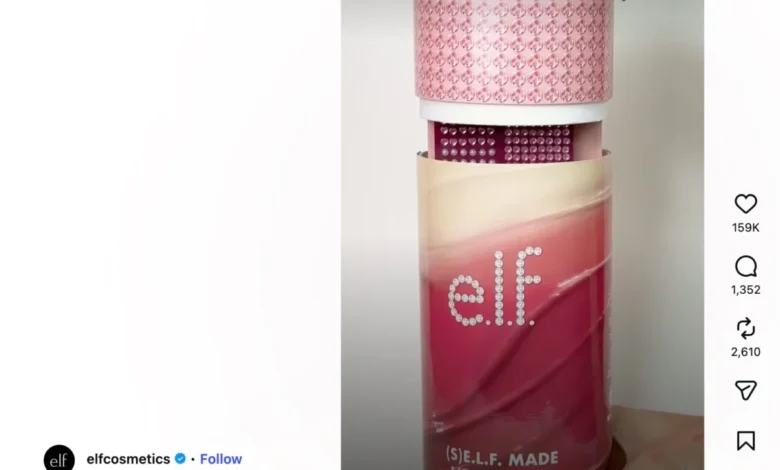
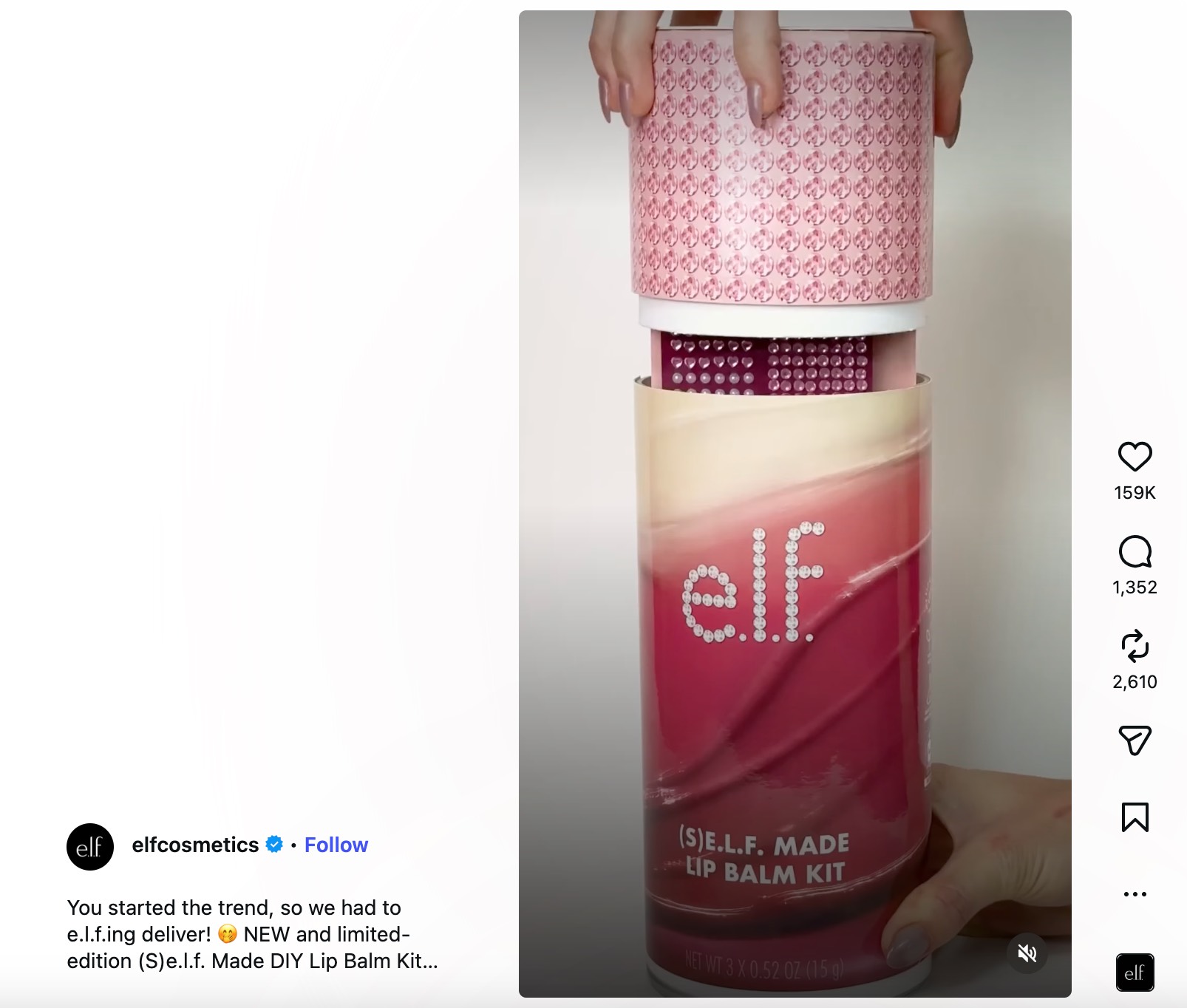
Effective market monitoring requires tracking conversations that occur outside of a brand’s official profiles. Consumers frequently discuss products, categories, and pain points in unverified digital spaces, including niche online communities, independent creator comment sections, and broad industry forums. Advanced social listening and media intelligence platforms allow organizations to detect emerging complaints, shifting vernacular, and innovative product use-cases well in advance of formal customer feedback cycles. For example, prominent cosmetic brands have successfully identified DIY consumer trends on social media and translated those organic behaviors into limited-edition product lines. -
Integrating Unprompted Feedback into Product Development
Public commentary often contains valuable product hacks, design critiques, and feature requests. By routing these public conversations directly into product research and development workflows, companies can transform everyday social chatter into actionable innovation. Several prominent beverage and consumer goods enterprises have utilized social listening data to validate consumer demand for new product variations before committing significant capital to manufacturing and distribution. -
Demonstrating Public Accountability
Trust is significantly reinforced when consumers observe a direct correlation between their feedback and corporate action. When recurring product defects are resolved, or operational gaps are identified, transparent communication regarding the steps taken to rectify the issue demonstrates accountability. Publicly acknowledging shortcomings and outlining corrective measures provides tangible evidence that consumer perspectives directly influence business operations. -
Elevating Digital Customer Service Standards
As social media platforms function increasingly as frontline customer care channels, service experiences are frequently broadcast publicly. Rapid, personalized responses can solidify existing relationships, whereas delayed or generic automated replies offer consumers an incentive to migrate toward competitors. Integrating social media management tools with enterprise customer relationship management (CRM) systems allows service agents to access comprehensive customer records instantly, ensuring seamless support across all digital touchpoints.
-
Cultivating Authentic Creator Partnerships
While influencer marketing remains a primary driver of brand discovery, high follower counts no longer guarantee audience trust. Industry benchmarks reveal that a significant majority of consumers place higher trust in everyday users and micro-influencers for product recommendations compared to mega-influencers. Collaborating with niche creators who maintain established credibility within specialized communities allows brands to expand their reach without sacrificing authenticity. -
Empowering Employee Advocacy
Internal voices often provide a more relatable and credible perspective on corporate culture and expertise. Employee-generated content allows audiences to engage with a brand through the perspective of the individuals who build and operate it. Structured employee advocacy programs provide staff with compliance-approved content while maintaining the flexibility necessary for personal expression.
Measuring and Retaining Brand Loyalty
Because brand loyalty encompasses both behavioral and attitudinal dimensions, relying on a single metric provides an incomplete assessment. Historical data—such as repeat purchase rates, customer retention statistics, and historical sales volumes—serves as a useful lagging indicator of past behavior. However, these metrics must be paired with real-time sentiment analysis and share-of-voice tracking to capture current consumer attitudes.
A comprehensive measurement strategy correlates behavioral shifts with qualitative sentiment data. For instance, a temporary decline in repeat purchases carries different strategic implications if social listening data simultaneously reveals rising consumer frustration regarding pricing structures or customer service response times.
To retain loyalty once established, organizations must proactively mitigate churn risks before they register in formal retention metrics. This involves deploying predictive media intelligence to monitor emerging narratives, refreshing marketing content to prevent audience fatigue, and maintaining strict transparency regarding the deployment of artificial intelligence in customer-facing operations. As generative technologies become ubiquitous, clear disclosures regarding AI-generated content and virtual influencers will remain critical to preserving consumer confidence.
Ultimately, sustainable brand loyalty functions as a continuous journey rather than a static milestone. Organizations that integrate real-time audience intelligence into their core operational decision-making processes are best positioned to navigate market volatility, reinforce consumer trust, and secure long-term market stability.