AI Account Rips Off Award-Winning 2008 Short ‘El Empleo’ To Promote $49-A-Month ‘Filmmaking’ Classes (EXCLUSIVE)

A Chronology of the Infringement
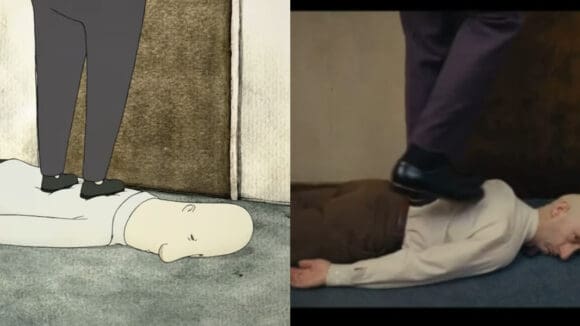
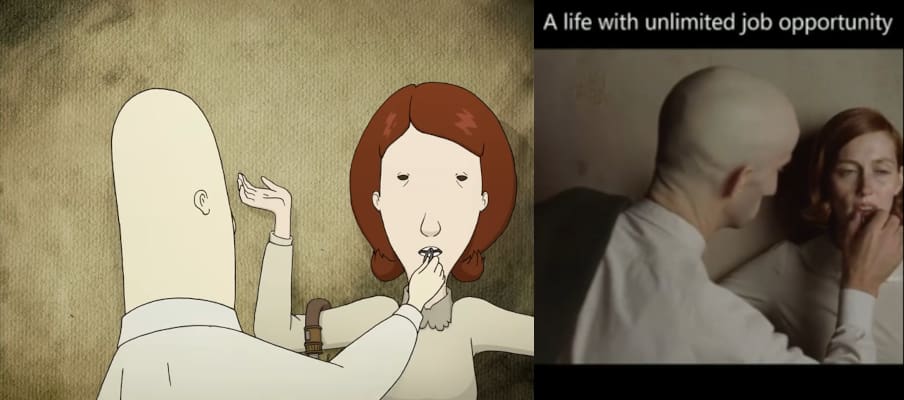
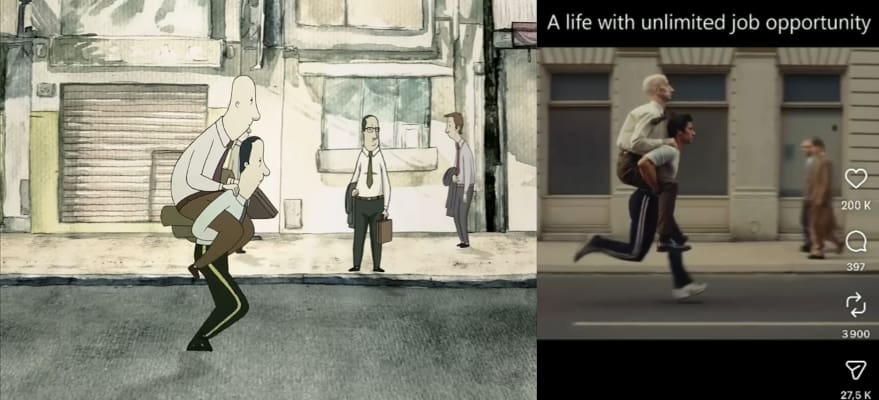
The incident began over the weekend of November 9, 2026, when the Nightframe account—which maintains a relatively modest following of approximately 16,000 users—posted a high-fidelity, AI-generated reimagining of the iconic short. The video, which utilized visual themes and narrative beats identical to the original work, was presented to an audience of millions without the consent, consultation, or knowledge of the original creators.
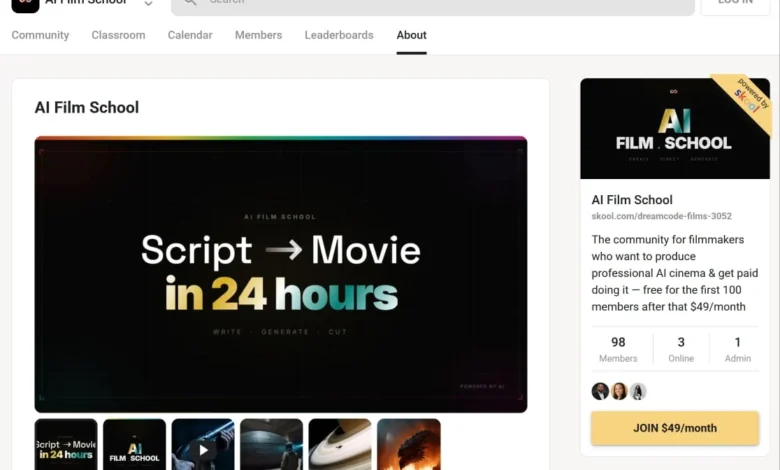
Within hours of the video’s viral trajectory, Patricio Plaza was alerted to the existence of the content. Plaza, who spent years laboring over the original production—a project that involved intensive, two-year-long hand-drawn animation on paper—immediately recognized the violation. The situation escalated when observers noted that the video was not merely a fan tribute, but a functional marketing funnel. Viewers who interacted with the post were prompted to "Send AI" to the account, which triggered an automated direct message leading to an external entity known as AI Film School. This service promotes a paid subscription model, charging users $49 per month to learn techniques for AI-assisted filmmaking.
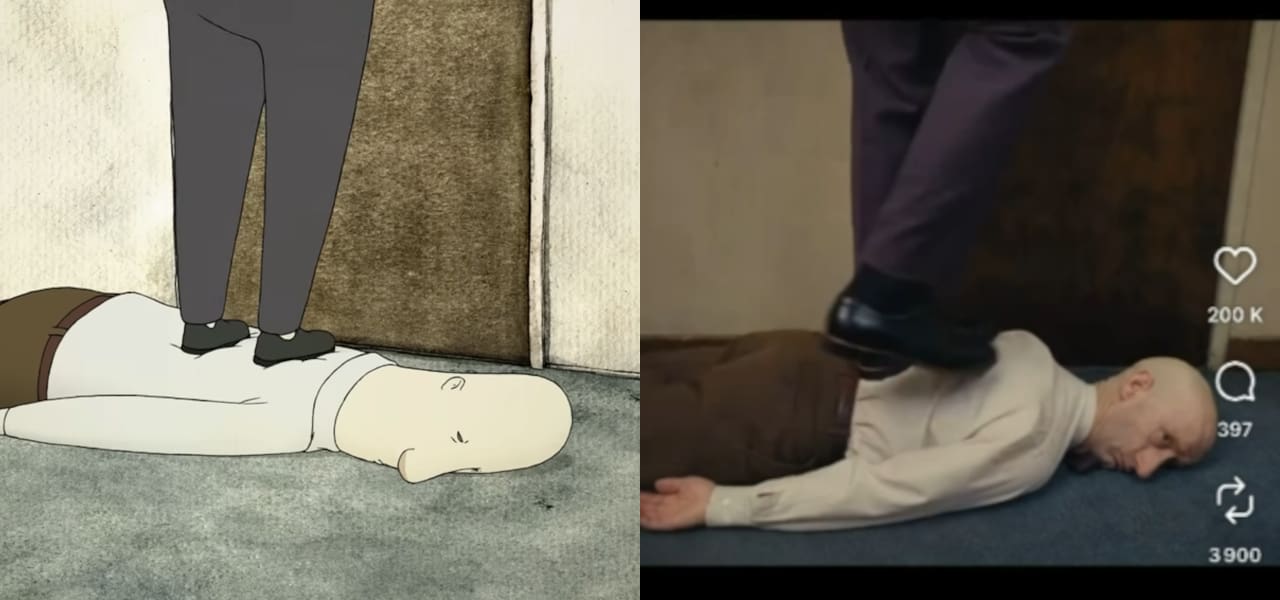
Following direct contact from Plaza, the Nightframe account operator removed the video. However, the rapid dissemination of the content and the subsequent scrutiny of the account’s operations have left a permanent mark on the debate surrounding the ethical use of generative AI in creative spaces.
The Business Model of AI Piracy
The connection between the unauthorized remake and the AI Film School raises significant legal and ethical questions regarding the monetization of intellectual property. While the operator of the Nightframe account claimed in subsequent communications that the video was an experiment created "purely for fun" and denied any formal financial arrangement with the AI Film School, the presence of an automated funnel directing traffic to a paid commercial service suggests a more complex ecosystem of exploitation.
In the digital age, "engagement farming"—the practice of using viral, often stolen, content to build a following or drive traffic to a commercial product—has become a standard, albeit predatory, tactic. By piggybacking on the established prestige of a critically acclaimed film like El Empleo, the account was able to leverage the high engagement metrics associated with the original creators’ reputation to funnel potential customers toward a revenue-generating platform.

This model effectively treats the intellectual property of established artists as raw training data or marketing material, completely bypassing the legal requirement for licensing. For independent creators like Plaza and Bou Grasso, whose works are protected under international copyright law, this represents an existential threat to the viability of their craft.
The Bitter Irony of the Source Material
The choice of El Empleo as the target for this AI experiment carries a profound, if unintended, irony. The original film is a searing critique of the commodification of human labor and the alienation of the individual in an industrial, profit-driven society. In the film, human beings occupy roles such as floor lamps, hat racks, and human-powered elevators. The narrative serves as a metaphor for how economic systems strip individuals of their agency and humanity.
By using generative AI to "recreate" a story about the dehumanization of labor, the perpetrators have inadvertently mirrored the film’s own thesis. Generative AI tools are frequently criticized for their tendency to scrape, ingest, and mimic the life’s work of human artists without compensation or attribution, effectively "dehumanizing" the creative process. When a tool designed to automate artistic expression is used to plagiarize a story about the dangers of exploitation, it highlights the disconnect between the technical capability of these models and the moral responsibilities of their users.
Industry Implications and Legal Frameworks
The incident at Nightframe is not an isolated event but rather a symptom of a broader, systemic challenge facing the animation and film industries. As AI tools become more sophisticated, the barrier to entry for producing high-quality visual content has dropped significantly, leading to an explosion of content that often relies on existing, protected intellectual property for its aesthetic foundation.
From a legal perspective, the primary issue is the unauthorized derivative use of copyrighted material. Under the Berne Convention and various national copyright laws, creators hold the exclusive right to authorize the reproduction and adaptation of their work. The fact that the AI-generated version was a "remake" rather than a direct copy does not necessarily exempt it from copyright infringement claims, as it clearly incorporates the distinct, identifiable narrative structure and artistic choices of the original creators.
Industry experts suggest that this case could serve as a bellwether for future litigation. If the courts determine that the use of an original work as a prompt or a stylistic template for AI generation constitutes a violation of copyright, it could force a significant shift in how AI companies and their users approach the training and deployment of these models.
Responses from Involved Parties
In a statement to media representatives, Patricio Plaza emphasized the multifaceted nature of the violation. "These people were not only infringing the film’s copyright, but also using it to make their AI business go viral and generate revenue," Plaza stated. "I can’t even begin to list all the things that are wrong with this."
Conversely, the individual behind the Nightframe account maintained a position of relative innocence, asserting that the film had been credited and that they had no intention of exploiting the original creators. "I am a student running my Instagram page as a hobby, experimenting with AI filmmaking," the operator explained. "I created a 30-second AI interpretation of the original six-minute animation purely for fun, with no intention of exploiting the creator’s work."
Despite these claims, the operator failed to provide a satisfactory explanation for the automated, revenue-focused call-to-action embedded within the post. This discrepancy between the stated intent—"fun"—and the functional outcome—"commercial promotion"—remains a point of contention that continues to frustrate the original creators.
The Path Forward for Independent Creators
The rapid removal of the content is a victory for the original creators, but it does not address the underlying vulnerability of artists in the AI era. As automated systems become faster and more adept at mimicking human style, the manual process of identifying and reporting infringement becomes increasingly unsustainable for independent artists.
Moving forward, the industry is looking toward more robust digital rights management (DRM) and, potentially, legislative interventions that would hold platforms accountable for the content shared by their users. If platforms that host AI-generated content do not implement safeguards to prevent the unauthorized use of copyrighted material, they may find themselves increasingly embroiled in legal disputes.
For now, the story of El Empleo remains a cautionary tale. It serves as a reminder that while technology may change the tools of production, the fundamental principles of intellectual property, artistic integrity, and the right of an artist to own their narrative remain as vital as ever. The incident has galvanized the animation community, signaling that while the technology for creation has evolved, the fight to protect the soul of that creation is just beginning.