It’s the sound of my childhood, that exact piano, Eric Whitacre smiles as he coaxes a few notes from his keyboard with Eternity.

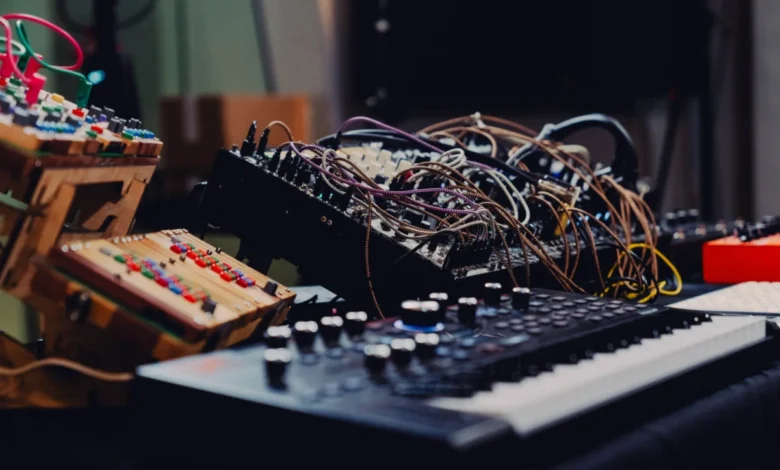
The release of Eric Whitacre Eternity marks a significant juncture in the intersection of contemporary classical composition and high-fidelity digital sound design. Developed in collaboration with Spitfire Audio, this new virtual instrument library serves as a sonic companion to Whitacre’s latest album, Eternity in an Hour, which draws thematic inspiration from the poetry of William Blake. The project represents more than a standard sample library; it is a meticulously curated collection of organic textures, processed vintage instruments, and avant-garde electronic synthesis, designed to bridge the gap between traditional choral arrangement and experimental ambient soundscapes.
A Career Built on Harmonic Innovation
Eric Whitacre has established himself as one of the most performed and influential choral composers of the 21st century. His work is characterized by "cluster chords" and a unique approach to dissonance and resolution that has resonated far beyond the concert hall. With a career that spans prestigious choral commissions, Grammy-winning recordings such as Light & Gold, and significant contributions to major motion picture soundtracks—including Hans Zimmer’s collaborations on the Pirates of the Caribbean series and the How to Train Your Dragon franchise—Whitacre has consistently sought to expand the technical boundaries of choral music.
The evolution of his sound has moved from the purely acoustic to the hybrid. Eternity in an Hour reflects this transition, moving away from the strict constraints of traditional notation into a space where the human voice is processed, fragmented, and layered with degraded electronic textures. This creative shift is the core philosophy behind the Eternity instrument library, which seeks to provide composers with the same sonic palette Whitacre utilized during the album’s production.
Chronology of Development: From Childhood Roots to Digital Eternity
The genesis of the Eternity project can be traced back to the fundamental instruments of Whitacre’s youth. The centerpiece of the collection is his grandmother’s piano, an instrument that served as the primary pedagogical tool for his earliest musical explorations. The sampling process undertaken by Spitfire Audio aimed to capture not merely the pitch of the notes, but the mechanical character of the instrument.
The "Felt Piano" preset is the result of this effort, featuring a practice felt placed between the hammers and strings to dampen the attack and emphasize the percussive, mechanical sounds of the action. By capturing the "glistening hiss" and the interaction between the notes, the team preserved the specific acoustic personality that defined Whitacre’s formative years.
Following the capture of this acoustic foundation, the collaboration entered a phase of intensive sound processing. Throughout 2025 and 2026, Whitacre worked with Spitfire Audio to integrate the signal chains he employs in his live performances. The "Ruined Piano" preset serves as a prime example, utilizing a recreation of a TASCAM 424 multitrack recorder—a staple of 1990s lo-fi production—combined with bit-reduced reverb and granular synthesis. This deliberate degradation of the signal aligns with the current industry trend of "musical hauntology," where digital tools are used to evoke a sense of memory, decay, and nostalgia.
Technical Architecture and Sonic Diversity
The Eternity library is categorized into several distinct sound groups, each utilizing a specific hardware or synthesis source. The "Iron Brace" category, for instance, draws heavily from the SOMA Lyra-8, a drone synthesizer known for its organic, unpredictable behavior. By utilizing the Lyra-8’s capability to generate bone-rattling low-end frequencies, the library offers a weight that contrasts with the lighter, more ethereal qualities of the piano.
The "Grain of Sand" category expands this further, integrating the Ciat-Lonbarde Sidrax Organ, the Chromaplane, and Whitacre’s personal Hydrasynth patches. This combination allows for a high degree of atmospheric movement, where notes can be sustained and manipulated in ways that mirror the physical gestures of a conductor. Whitacre notes that the ability to "throw energy into the system" and then pull back is analogous to the dynamic control required for leading a large choral ensemble.
The "Human Form" presets address the choral aspect of the library. Utilizing the same advanced processing techniques applied to the electronic elements, the choir sounds are chopped, fragmented, and re-synthesized. This creates a "cinematic" vocal texture that is distinct from the lush, expansive choral sound for which Whitacre is traditionally known. The "Ricochet" preset, in particular, demonstrates the library’s capacity for rhythmic, glitch-oriented choral textures, hinting at potential applications in modern film scoring.
Integration with Splice INSTRUMENT
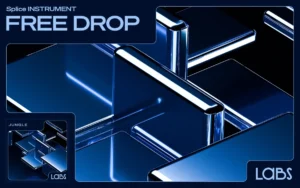
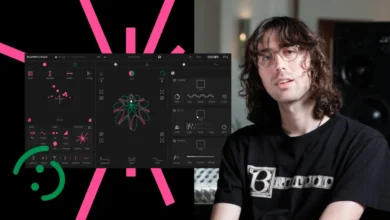
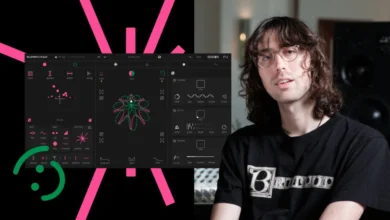
A critical development in the release of Eternity is its integration with the Splice INSTRUMENT plugin. This marks the first time a flagship Spitfire Audio library has been made available within this specific ecosystem. The platform provides a dual-layer engine that allows users to manipulate sounds in real-time via an XY pad.
This interface provides a level of interactive performance control that moves beyond simple sample playback. By assigning competing Low-Frequency Oscillators (LFOs) to the XY axis, a user can create sounds that evolve independently, simulating the "dancing" quality Whitacre values in his own compositions. This architectural choice highlights a broader shift in the digital audio workstation (DAW) market: the move away from static, "one-shot" samples toward dynamic, generative instruments that allow for continuous variation.
Industry Impact and Market Context
The release of Eric Whitacre Eternity arrives at a time when the demand for high-quality, genre-bending sound libraries is at an all-time high. The democratization of music production tools has led to a saturation of standard orchestral libraries; consequently, composers are increasingly seeking "signature" sounds that possess a unique, identifiable texture.
The collaboration between a globally recognized composer and a premier sampling house like Spitfire Audio is indicative of a successful business model in the modern music tech landscape. By offering a library that includes "Artist Presets" from contributors such as BlankFor.ms, Lesjamusic, IDRA, and Matt Lowery, the project builds a community around the tool. This strategy not only increases the library’s utility but also ensures its longevity through the diversity of its included content.
From an analytical standpoint, the success of Eternity will likely be measured by its adoption rate among professional composers working in the film and television industry. The "timeless" quality of the pads, coupled with the granular nature of the processed vocals, suggests a toolset aimed at scoring science fiction, psychological thrillers, and prestige dramas—genres that frequently require both the weight of traditional orchestral music and the disorientation of modern electronic sound design.
Conclusion: The Future of Hybrid Composition
The release of Eric Whitacre Eternity serves as a milestone in the digital documentation of a musical legacy. By combining the personal history of his grandmother’s piano with the cutting-edge synthesis of contemporary electronic hardware, Whitacre has provided a blueprint for how composers might preserve their artistic identity while embracing new technologies.
As the lines between classical composition and electronic production continue to blur, instruments like Eternity provide the necessary framework for creators to navigate this space. Whether through the haunting melancholy of a Minimoog bass preset or the ethereal decay of a granular choir, the library offers a profound look at the process behind the product. For the listener and the producer alike, the release confirms that in the hands of an artist like Whitacre, technology does not replace the human element; rather, it provides a new medium through which the human experience can be expressed, sustained, and ultimately, reimagined.