Unearthing the Tiberi Tapes: Long-Awaited John Coltrane Live Recordings Set for Official Release Marking His Centennial

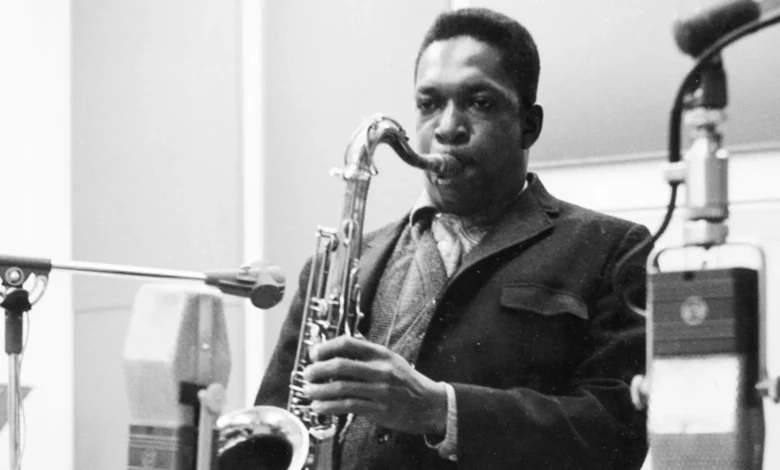
As the global jazz community marks what would have been the 100th birthday of legendary saxophonist John Coltrane, a historic and long-awaited archival discovery is finally coming to light. A substantial cache of previously unheard live recordings, captured in the early 1960s by fellow saxophonist Frank Tiberi, is slated for an official commercial release. Known among collectors and historians as "The Tiberi Tapes," these recordings offer an unvarnished, intimate window into Coltrane’s creative peak during performances in New York and Philadelphia jazz clubs.
The upcoming release, distributed by Impulse! Records—Coltrane’s historic label home—promises to satisfy a decades-long appetite among jazz aficionados for more documentation of the saxophonist’s legendary live improvisations. Scheduled for release on November 6, the initial offering will span a curated selection of performances, made available across a four-LP vinyl box set, a three-CD collection, and various digital formats. A specialized, hand-numbered limited edition is also planned for release in early 2027 to further commemorate the historical scope of the project.
The Genesis of the Tiberi Tapes: Capturing the Master at Work
The story of the Tiberi Tapes begins in 1960, a pivotal year in jazz history and a transformative period in John Coltrane’s career. Having recently concluded his landmark tenure with the Miles Davis Quintet and released his groundbreaking Atlantic Records album Giant Steps, Coltrane was on the precipice of forming his classic quartet featuring pianist McCoy Tyner, bassist Jimmy Garrison, and drummer Elvin Jones.
Frank Tiberi, a promising young saxophonist at the time who would later go on to lead the Woody Herman Orchestra, found himself utterly transfixed by Coltrane’s live performances. While Tiberi thoroughly studied Coltrane’s studio albums, he quickly realized that the commercial recordings failed to capture the raw, exploratory energy of the saxophonist’s club dates.
Equipped with a portable reel-to-reel tape machine, Tiberi embarked on a multi-year personal mission. Moving quietly from club to club across New York and Philadelphia between 1960 and 1965, he recorded dozens of sets. According to an accompanying essay by prominent music historian Ashley Kahn, Tiberi’s primary motivation was pedagogical rather than archival. He sought to dissect Coltrane’s harmonic choices, modal explorations, and improvisational structures to improve his own musicianship. Over five years, Tiberi amassed an astonishing collection consisting of approximately 80 reels, totaling well over a day’s worth of continuous music.
Mythic Status and Archival Preservation
In the decades following John Coltrane’s untimely death from liver cancer in July 1967 at the age of 40, the legend surrounding his live performances only magnified. Because the saxophonist pushed the boundaries of avant-garde and modal jazz into deeply spiritual and transcendent territories during his final years, any undocumented artifact from his career took on a mythic reputation among scholars and collectors.
For years, the existence of the Tiberi Tapes was whispered about within tight-knit jazz circles. While occasional bootleg recordings circulated among collectors, the vast majority of Tiberi’s reel-to-reel archive remained locked away, heard only by a select few. The decision by Impulse! Records to officially license and release a curated portion of this archive represents a monumental milestone in jazz preservation, ensuring that these historical documents are properly mastered, archived, and made accessible to the general public.
Audio Fidelity and Production Realities
Contemporary listeners accustomed to pristine, high-fidelity studio productions or professionally multitracked live albums will need to adjust their expectations when approaching the Tiberi Tapes. Recorded in bustling, smoke-filled jazz clubs using primitive, consumer-grade portable tape equipment, these documents reflect the technological limitations of the early 1960s.
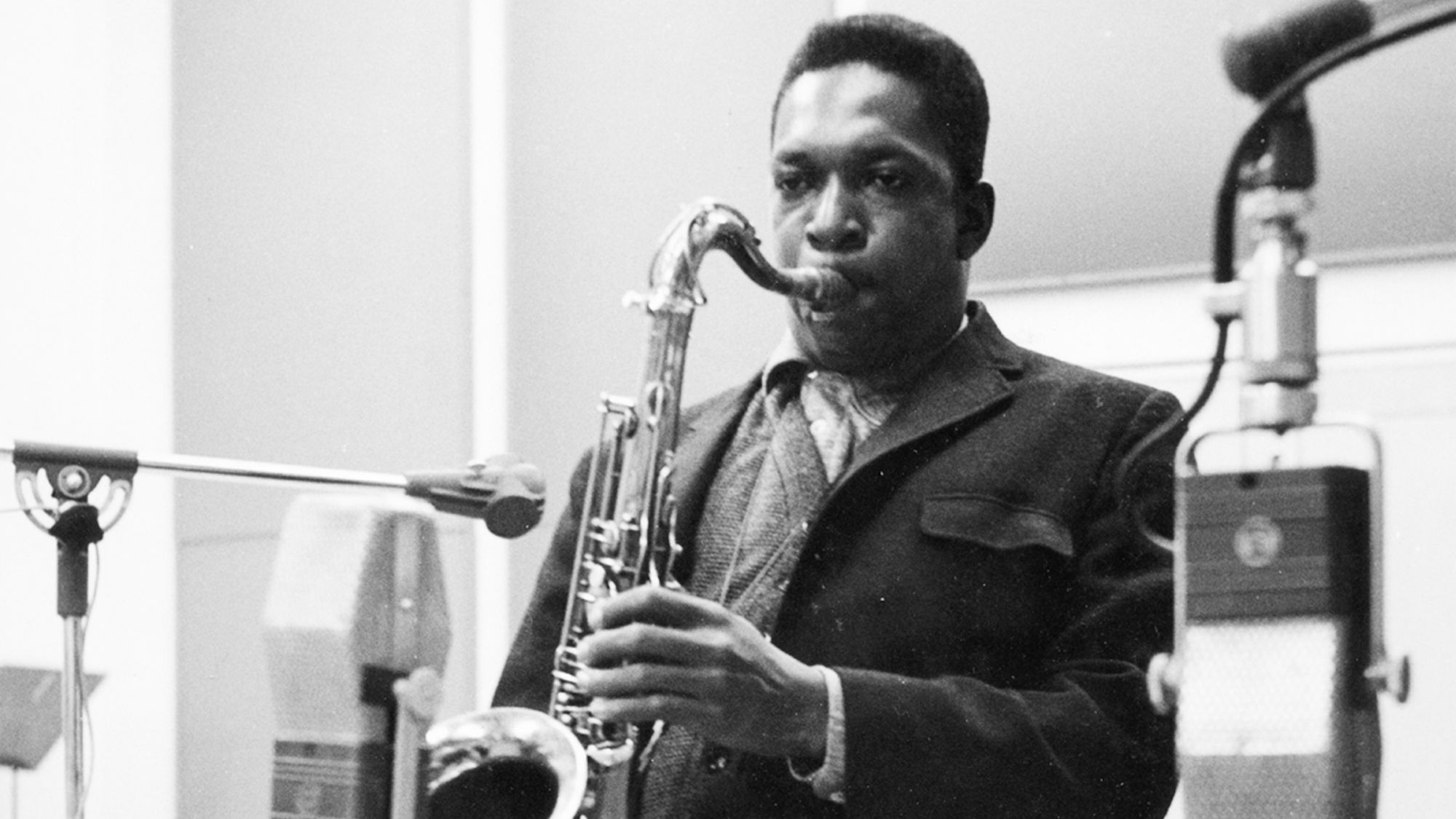
Audio restoration engineers faced significant challenges in preparing the tapes for commercial release. The acoustic environment of the clubs, coupled with the limitations of a single-microphone or rudimentary setup, means that the sonic balance frequently favors Coltrane’s saxophone and the drums—often at the expense of the bass and piano. Despite these sonic imperfections, industry experts and label representatives argue that the historical and artistic value of the performances vastly outweighs any technical limitations. The raw, unfiltered nature of the recordings provides an authentic portal into the sonic reality of 1960s jazz club culture.
Tracklist Highlights and Chronology
While Frank Tiberi’s complete archive spans roughly 80 reels, the initial November rollout will feature 11 carefully selected performances. Among the most anticipated inclusions are two distinct renditions of Coltrane’s composition "Giant Steps," recorded at radically different tempos, showcasing the saxophonist’s ability to radically reinvent his own complex compositions on the fly.
Other notable tracks slated for the initial release include compelling readings of "Thing In D Flat," "Lover," "West 42nd Street," and "Impressions." These performances capture Coltrane navigating the rapid chord changes of his hard bop era alongside the expansive, modal territory that would define his mid-1960s output.
The release schedule spans multiple formats to cater to both traditional audiophiles and modern digital consumers:
- November 6: Standard release across a four-LP vinyl set, a three-CD set, and digital streaming platforms.
- Early 2027: A special, hand-numbered limited edition physical release designed to coincide with the broader observance of the 60th anniversary of Coltrane’s passing.
Cultural Implications and Historical Legacy
The emergence and official publication of the Tiberi Tapes arrive at a crucial juncture for jazz historiography. As generations pass, direct eyewitness accounts of the mid-century jazz golden age are dwindling, making primary source material of this caliber increasingly invaluable.
Musicologists have long debated the exact evolution of Coltrane’s harmonic language between his Atlantic and Impulse! years. By providing a chronological bridge across the early 1960s, the Tiberi Tapes offer researchers a granular look at how Coltrane tested new ideas in front of live audiences before committing them to master tapes in the studio.
Furthermore, the release underscores the vital role played by individual documentarians—often passionate fans and fellow musicians like Frank Tiberi—in preserving musical history. Without their foresight, dedication, and clandestine recording rigs, countless hours of ephemeral musical genius would have been lost to time.
As fans around the world celebrate the Coltrane centennial, the release of the Tiberi Tapes serves as a timely reminder of the saxophonist’s enduring influence. Far from being a mere historical exercise, these recordings capture a towering musical titan operating at the absolute height of his powers, pushing the boundaries of human expression one note at a time.