The Optimal Length for Instagram Reels: A Data-Driven Analysis of Reach and Engagement in 2026

The question of how long an Instagram Reel should be has evolved from a matter of creative preference into a complex strategic calculation influenced by shifting algorithmic priorities. As of late 2026, while Instagram permits creators to upload videos spanning up to 20 minutes, a comprehensive analysis of over 2.7 million Reels published through the Buffer platform indicates that length serves as a primary variable in determining content discoverability and audience retention.
Understanding these mechanics requires a look at the platform’s current distribution architecture. Since the introduction of the Reels format, Meta has continuously refined how it surfaces content to non-followers. The critical threshold remains the three-minute mark. Any video exceeding 180 seconds is effectively excluded from the platform’s primary recommendation engines, including the Reels tab, the Explore page, and the suggested video carousels within user home feeds. While followers remain capable of viewing longer-form content, the loss of algorithmic promotion represents a significant barrier to organic account growth.
The Evolution of Instagram’s Video Strategy
To contextualize the current landscape, it is helpful to look back at the platform’s transition from a photo-sharing application to a video-first entertainment hub. The rollout of 20-minute Reels occurred in phases, following years of incremental increases from the original 15-second limit. This shift was largely a response to the rapid rise of competitor platforms like TikTok and YouTube. However, unlike YouTube, which has successfully positioned itself as a destination for long-form video, Instagram has maintained a stricter divide between short-form discovery and long-form consumption.
Adam Mosseri, Head of Instagram, has repeatedly clarified the platform’s intent, emphasizing that while the company supports diverse content formats, it does not seek to mirror the long-form consumption habits of YouTube. This strategic distinction explains the "three-minute rule." By capping recommendation eligibility, Instagram prioritizes the "scrollability" of its feed, ensuring that users are not interrupted by extended content that may deviate from the rapid-fire nature of the Reels experience.
Analyzing the Data: Reach vs. Engagement
The data gathered by Buffer’s research team between January 1 and August 15, 2026, provides a clear empirical framework for creators. By analyzing 2.7 million Reels and utilizing an internal benchmarking method—comparing each account’s performance against its own historical average—the study successfully neutralized the influence of massive influencer accounts.
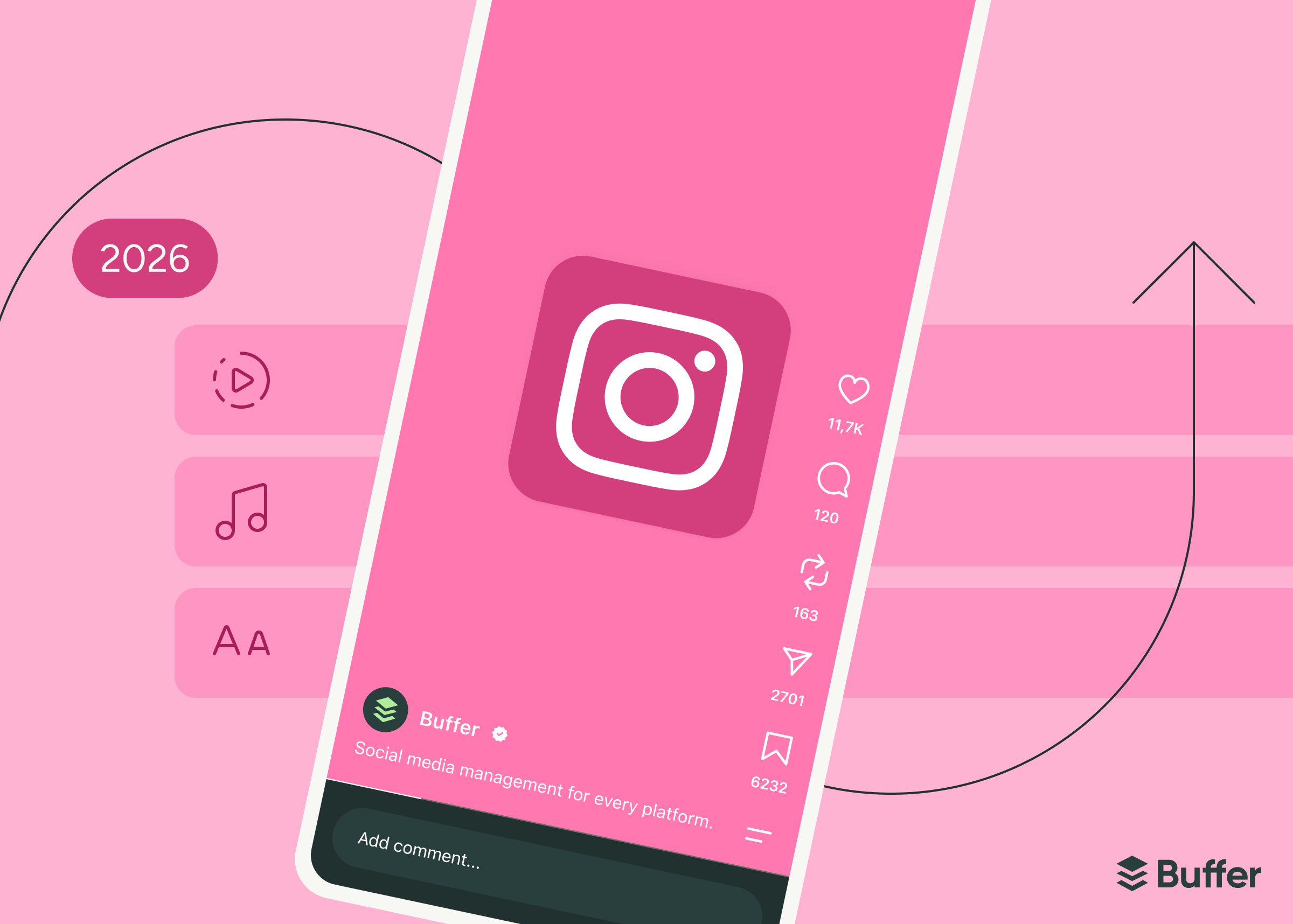
The findings reveal a distinct trade-off between reach and engagement:
- The Reach Sweet Spot (90 to 179 seconds): Reels falling within this window outperformed their respective account baselines by an average of 7.4%. This suggests that the algorithm favors content that encourages a slightly longer session time without crossing the three-minute threshold that triggers reduced distribution.
- The 30–89 Second Window: Content in this range showed negligible variance from account baselines. The difference between a 30-second clip and an 89-second clip was statistically insignificant, hovering between 1.6% and 2.7%. This indicates that for shorter videos, production quality, narrative hooks, and topical relevance are significantly more influential than duration.
- The Penalty of Over-Extension: Reels exceeding 180 seconds suffered a precipitous decline in reach, averaging a 49.3% decrease compared to an account’s baseline. This confirms that for creators focused on discovery and gaining new followers, the three-minute limit acts as a functional ceiling.
The Engagement Paradox
While reach drops for longer-form content, engagement metrics tell a different story. Reels exceeding three minutes saw an engagement rate 2.65 percentage points higher than the account baseline. This creates a paradox for content strategists: the videos that are the hardest to get in front of new people are the ones most effective at converting existing followers into active participants.
The implication is clear: length should be determined by the specific objective of the post. If the goal is top-of-funnel growth—reaching users who have never encountered the brand—shorter, punchier content within the 90-second to 180-second range is optimal. If the goal is community nurturing, brand loyalty, or educational storytelling, the platform still provides the infrastructure for longer, more substantive videos, provided the creator understands they are prioritizing depth over width.
Comparative Landscape: Industry Standards
When cross-posting content across multiple social channels, creators must navigate varying platform limitations. As of November 2026, the competitive landscape for video length is as follows:
- Instagram: 20-minute maximum, with a 3-minute cap for algorithmic recommendations.
- TikTok: Supports up to 10 minutes for in-app recordings, with the ability to upload files up to 60 minutes in length. TikTok’s algorithm is notoriously more lenient regarding longer content compared to Instagram.
- YouTube Shorts: A strict 3-minute limit. Any content exceeding this is automatically classified as a standard YouTube video, shifting it from the "Shorts" discovery feed to the traditional long-form library.
For creators managing multi-platform strategies, the three-minute mark has effectively become the "universal standard" for short-form video. Aligning content to this duration allows for seamless distribution across all three major platforms without requiring re-edits or tailored cuts.
Methodological Rigor
The reliability of these insights stems from the analytical approach used to process the 3.7 million total Reels initially identified. To ensure the results reflected the experience of the average user rather than viral anomalies, the data science team employed log-transformation for views and reach. This statistical technique prevents extreme outliers—such as a single video receiving tens of millions of views—from skewing the average. Furthermore, engagement rates were capped at the 99th percentile to mitigate the impact of broken data points where very low denominators (e.g., a video with one view and one like) might otherwise report inflated engagement percentages.

Practical Implications for Creators
For those looking to leverage this data, the path forward involves three distinct tactical adjustments:
1. The Trial Reel Method
Creators are encouraged to utilize "trial reels"—posting two versions of the same concept with varying lengths—to test performance within their specific niche. By maintaining consistent variables such as lighting, audio, and visual editing, and allowing the content to sit for 24 hours, creators can establish a data-backed preference for their specific audience.
2. Audit of Existing Content Calendars
If a creator’s current content calendar is dominated by videos under 15 seconds, they may be missing the marginal reach benefits of the 90-to-179-second window. Conversely, creators producing long-form tutorials should be aware that their content is likely being relegated to their existing follower base, necessitating an off-platform promotion strategy (such as using Stories or external links) to drive initial views.
3. Content Segmentation
The data suggests that a hybrid approach is most effective. High-frequency, mid-length content should be used to satisfy the algorithm’s appetite for reach, while long-form, high-value content should be reserved for loyal, established followers. This bifurcated strategy allows for growth while simultaneously deepening the quality of audience interaction.
Final Considerations
The shift toward 90-second-plus Reels underscores a broader trend in social media: the professionalization of content. As audiences grow accustomed to higher-quality, narrative-driven short-form video, the "quick-cut" era of 5-to-10-second clips is losing its competitive edge. While the Instagram algorithm remains a "black box," the quantitative evidence suggests that it is increasingly valuing meaningful watch time over mere impression volume.
Ultimately, the best length for an Instagram Reel is not a universal constant, but a variable defined by the creator’s specific mission. The data provides the boundaries of the playground, but the content itself remains the deciding factor in whether a user watches, scrolls, or engages. In an era of infinite content, the most successful creators will be those who balance the science of duration with the art of the hook, utilizing the three-minute threshold not as a limit, but as a strategic pivot point in their digital storytelling.