Navigating the 2026 Social Media Paradox: Why Consumers Are Rejecting AI Slop in Favor of Brand Lore

The contemporary digital landscape is defined by a profound strategic contradiction for corporate communications and social media marketing teams. Throughout 2026, empirical data gathered by Sprout Social illuminated an increasingly polarized consumer base: while audiences are actively pushing back against the proliferation of automated, AI-generated content, they simultaneously demand that commercial brands remain culturally fluent and synchronized with fast-moving internet trends. This dynamic has forced a structural re-evaluation of how organizations allocate resources, measure engagement, and conceptualize digital storytelling in an increasingly saturated ecosystem.
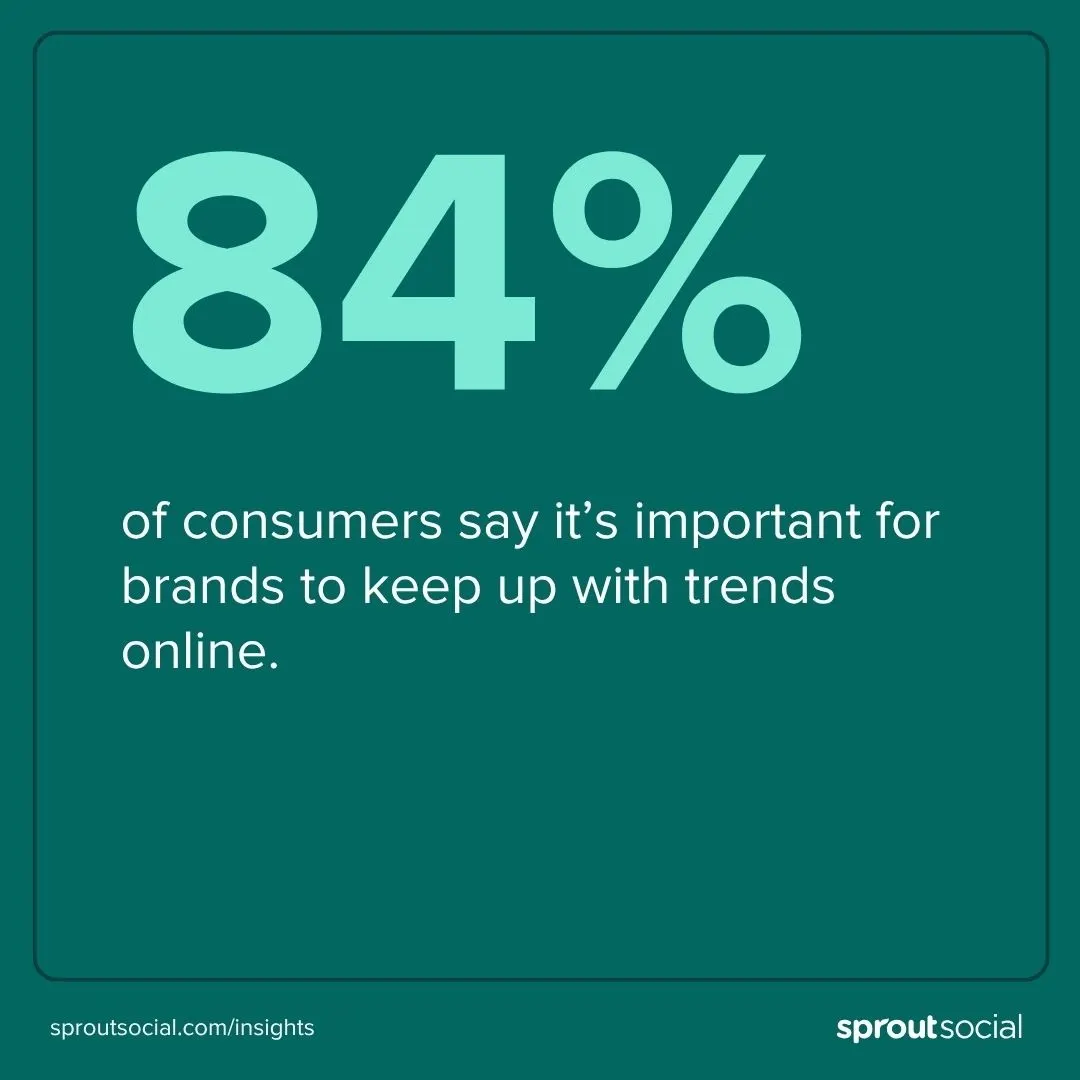
The core tension of this digital environment was laid bare in a series of quarterly consumer sentiment surveys released by Sprout Social over the course of 2026. According to the Q3 2026 Sprout Social Pulse Survey, roughly 33% of surveyed consumers identified the originality of a brand’s content as the single most critical factor establishing a brand as a favorite on social channels. This metric places originality second only to the fundamental quality of the brand’s physical products or services. Paradoxically, the very same survey revealed that 84% of respondents believe it is important for corporate social media channels to actively keep pace with online culture and fleeting digital phenomena.
Background Context and the Rise of AI Saturation
To understand the urgency driving these consumer expectations, one must examine the broader technological and cultural shifts of the mid-2020s. For years, social media strategies relied heavily on volume, rapid trendjacking, and the broad application of generative artificial intelligence tools designed to scale content output effortlessly. However, by 2026, social media saturation reached a historical inflection point.

The widespread adoption of generative AI tools inadvertently triggered a massive influx of homogenized text, synthesized images, and automated commentary across legacy and emerging networks. Consequently, digital feeds became flooded with what industry observers and consumers colloquially termed "AI slop." This saturation gave tangible weight to contemporary anxieties surrounding the "Dead Internet Theory," a sociological concept suggesting that online traffic and interactions are now predominantly driven by bots rather than human agency.
Quantitative data from a Q1 2026 Sprout Social Pulse Survey underscored the severity of this fatigue. Approximately 56% of consumers reported encountering AI slop on social media frequently or very frequently, with a staggering 83% observing it at least occasionally. The fatigue manifested in direct consumer actions: 50% of Generation Z and 44% of Millennials reported unfollowing, muting, or outright blocking brands and creators whose output was perceived as low-effort, automated noise. This behavioral shift prompted Sprout Social to crown the word "lore" as its 2026 Word of the Year—surpassing terms like "slop"—to signify a renewed cultural hunger for depth, narrative consistency, and genuine human connection.
Defining Original Content in the Era of Algorithmic Discovery
In response to this fatigue, marketing leaders have been forced to redefine what constitutes "original content." Far from merely recycling viral memes or applying uniform visual aesthetics to a new trend, original social content in 2026 is categorized as material that maintains narrative independence from internet lore. Audiences do not require extensive prior knowledge of niche digital subcultures to comprehend, appreciate, or derive value from it.
The most successful original content is characterized by high educational or entertainment value—often referred to in the industry as "edutainment"—delivered through a distinct perspective unique to the issuing brand. Rather than depending on anonymous automated outputs, this content relies on human-driven storytelling designed to elicit genuine emotional responses.
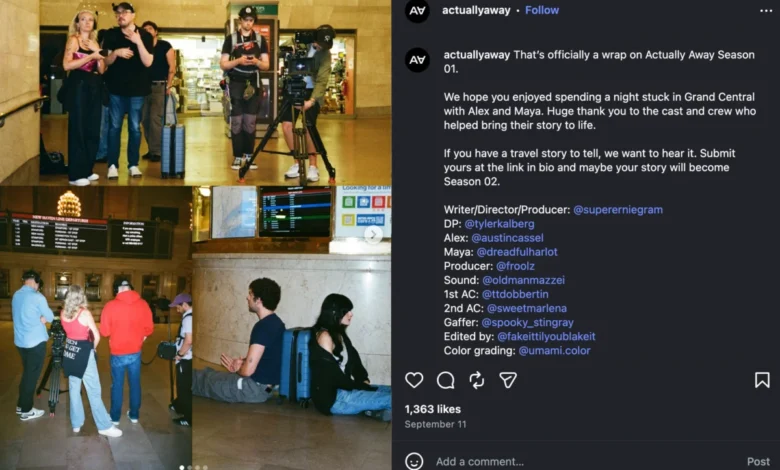
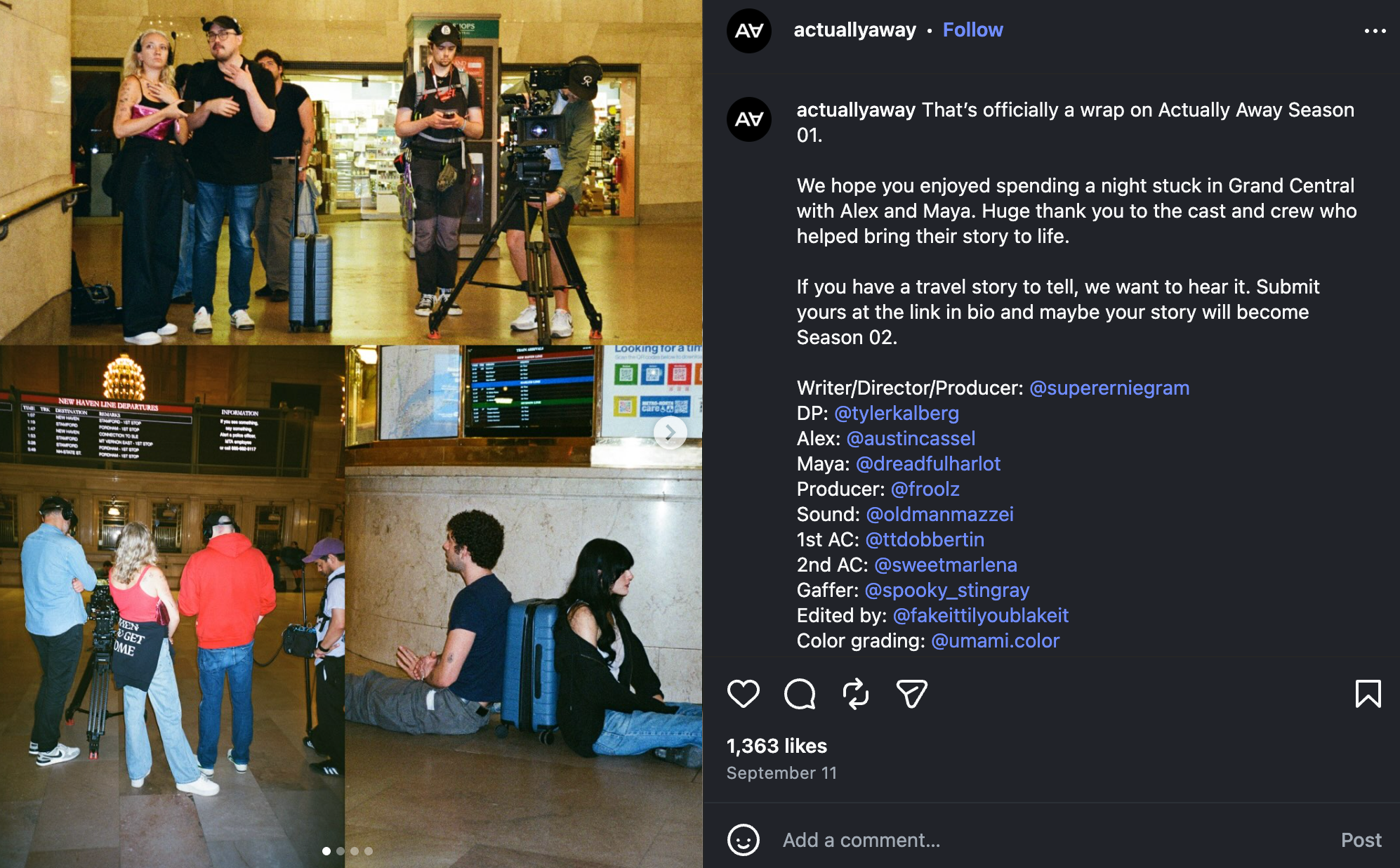
Industry examples highlight how major organizations successfully operationalized this approach throughout the year. Footwear brand Crocs introduced episodic microdramas such as "Charmed to meet you," while luggage manufacturer Away developed "Actually Away," a series inspired by romantic encounters in Grand Central Station. Similarly, food brand immi Ramen launched "Ramen on the Street," a human-centric interview format. These episodic frameworks weave cohesive narratives featuring recurring human subjects, effectively constructing a recognizable "brand universe."
Algorithmic Implications and the Shift Toward Private Sharing
The imperative to produce original content is further compounded by fundamental changes in how social media algorithms distribute material. Traditional metrics, such as a high follower count, no longer guarantee visibility or organic reach. Modern discoverability is inextricably linked to deep topical alignment with niche communities rather than broad appeals to the entire internet.
Furthermore, platform usage data indicates a profound structural migration in how content travels across digital networks. According to digital media analyses by industry commentators like Lia Haberman regarding Instagram’s ecosystem, direct messages (DMs)—rather than public feeds, stories, or broadcast channels—have become the primary vector for peer-to-peer sharing.
This dynamic elevates the importance of content that inspires users to hit the share button. Shares operate as the modern equivalent of word-of-mouth recommendations, serving as a powerful social endorsement that bypasses traditional algorithmic barriers. Original content that deeply resonates with human psychology acts as the primary currency within this attention economy, driving peer discovery through private channels.
Mitigating Brand Safety Risks Through Human-Led Storytelling
Beyond audience engagement and algorithmic distribution, a heavy reliance on rapid trendjacking introduces severe legal and operational vulnerabilities. Throughout 2026, major cultural moments—ranging from high-profile celebrity relationships to athletic championships—carried significant risks related to copyright infringement and intellectual property violations.
Brands attempting to capitalize on fast-moving cultural events without official authorization frequently faced the prospect of litigation, complex music licensing hurdles, or ethical gray areas concerning the exploitation of independent creators’ work. Original content fundamentally mitigates these risks. By featuring internal personnel, customer communities, and proprietary narratives, organizations can safely cultivate a distinct brand image without navigating the legal minefield of public domain uncertainty.
Strategic Frameworks for Building an Original Content Muscle
As marketing teams adjust to these structural realities, industry experts advocate for a deliberate, phased approach to content strategy that balances cultural relevance with authentic originality.
-
Strategic Trendjacking
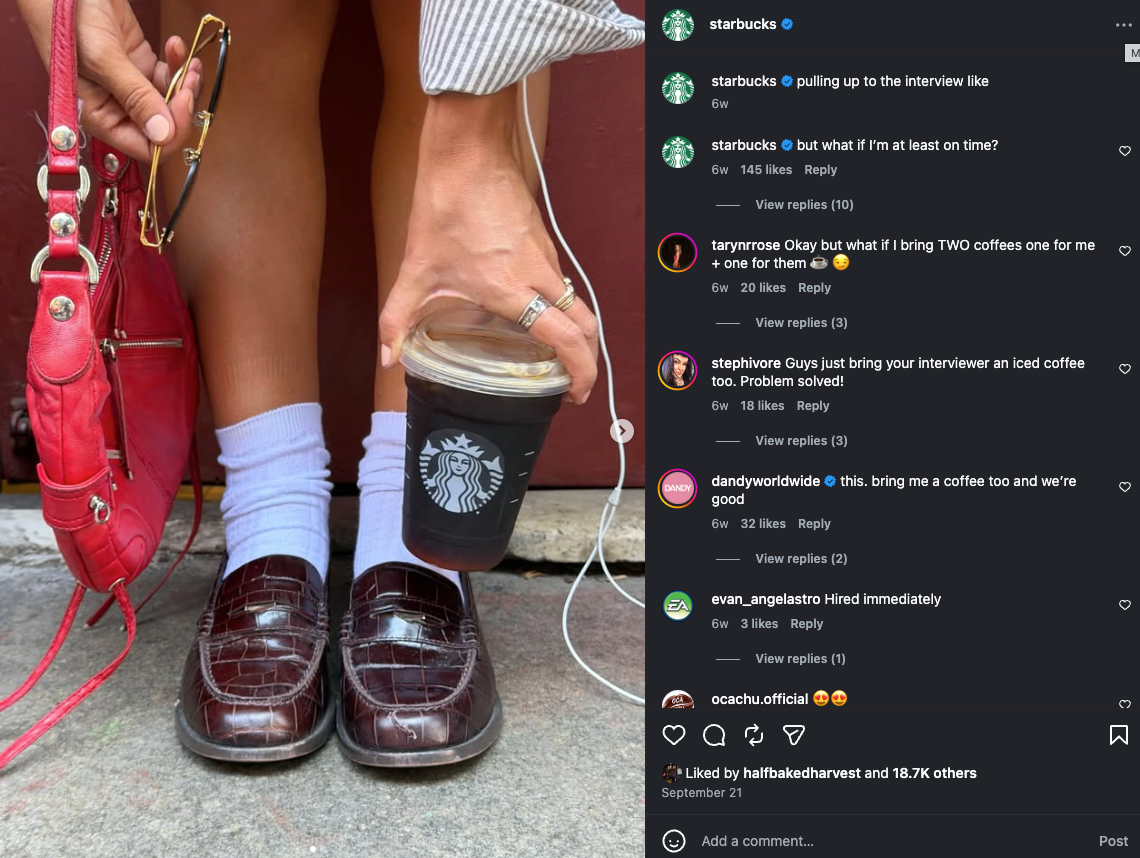
Rather than reacting to every viral moment, brands are advised to participate in trends selectively. Organizations should only enter digital conversations when they possess verified authority and a natural right to speak on the topic, mirroring strategies observed by entities like Starbucks during viral workplace coffee discourse. -
Cultivating Proprietary Narratives
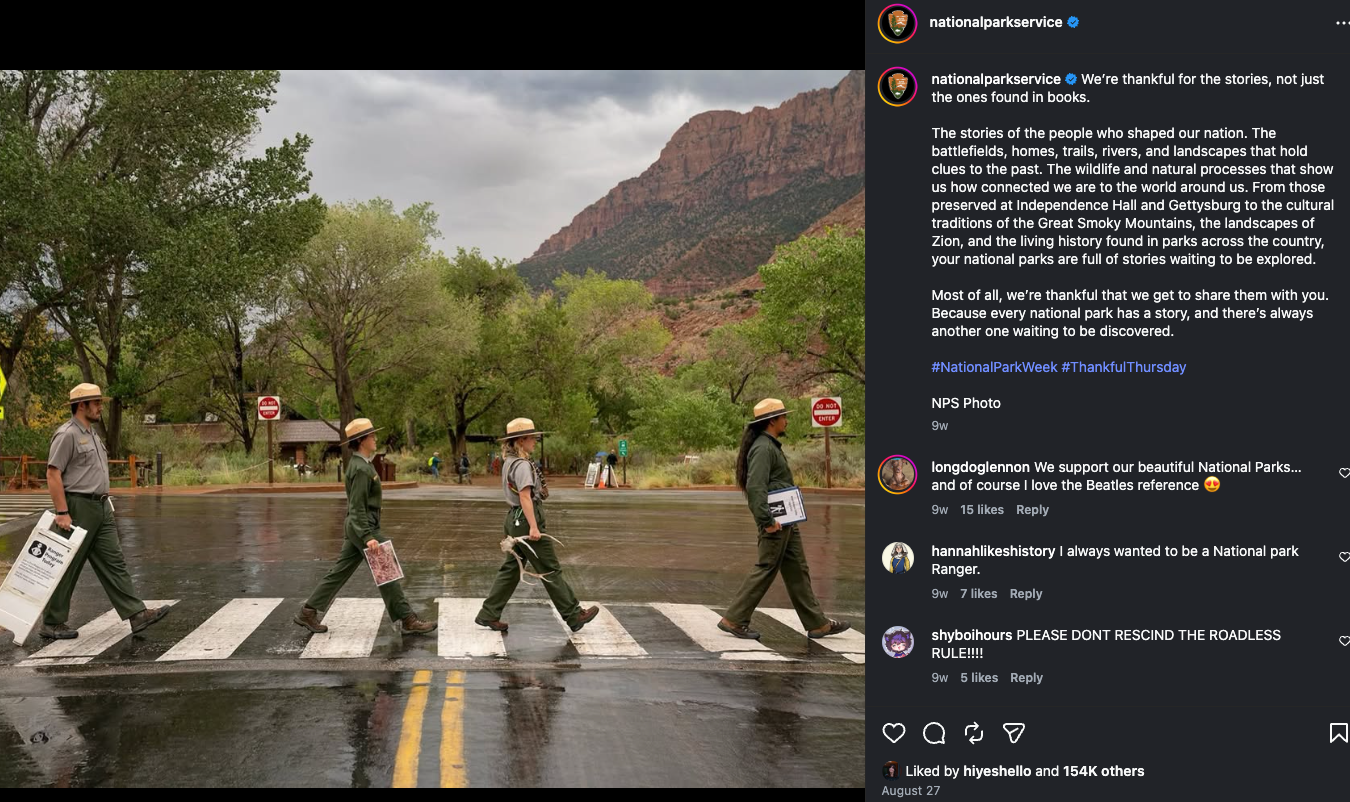
Organizations are increasingly looking inward to uncover stories that only their executives, employees, and customers can tell. The U.S. National Parks Service, for example, successfully leverages this approach by highlighting historical narratives, wildlife encounters, and park ranger perspectives. Similar strategies have been adopted by healthcare institutions like Northwestern Medicine and luxury houses like Prada, focusing on craft, process, and human experience. -
Broadening Creative Inspiration
To escape the echo chamber of competitive replication, social media strategists are encouraged to look beyond digital feeds for creative stimulation. Industry leaders emphasize drawing inspiration from physical spaces, the arts, literature, and live entertainment to fuel fresh conceptual thinking. -
Leveraging Social Intelligence
Given the highly customized nature of modern algorithmic feeds, brands can no longer rely on anecdotal observation. Utilizing advanced social listening and social media intelligence tools enables marketing teams to directly analyze genuine consumer searches, pain points, and conversational associations, guiding the creation of targeted campaigns—such as Lemonade insurance’s community-driven initiatives.
Conclusion and Broader Implications
The events and data points of 2026 signal a maturing digital marketplace where the superficial velocity of trend-chasing is increasingly superseded by the enduring value of human-led storytelling. While consumers still expect brands to demonstrate cultural awareness, their rising intolerance for automated noise means that shallow engagement strategies yield diminishing returns. By prioritizing original content, structural narrative depth, and data-backed social intelligence, organizations can successfully navigate the complexities of the modern attention economy and build sustainable, long-term connections with their audiences.