The Next Generation of VFX Artists: How Gen Z Is Redefining the Visual Effects Industry


The visual effects (VFX) industry has long operated under a grueling status quo characterized by tight post-production windows, high-pressure deadlines, and a culture of mandatory overtime. However, as Generation Z—individuals born between 1997 and 2012—enters the global workforce, the traditional operational model of top-tier VFX studios is undergoing a quiet yet profound transformation. Far from fitting the popular cultural stereotype of being disengaged or overly entitled, young professionals entering the visual effects landscape are demonstrating a fierce commitment to technical craftsmanship, adaptive resourcefulness, and a sustainable approach to creative labor.
A collective portrait of seven young artists working across international hubs reveals a generation navigating unique socioeconomic headwinds, technological shifts like generative artificial intelligence, and the ongoing structural evolution of Hollywood filmmaking. Their experiences offer a revealing glimpse into the future of global entertainment production.
Roots of Inspiration and Pathways into the Industry
The journey of a modern VFX artist rarely begins in a corporate boardroom; rather, it is forged in childhood fascination, early exposure to cinematic spectacles, and the democratization of digital creation tools. For many Gen Z artists, the spark was ignited by seminal fantasy and science fiction milestones. Jiwon Chun, now a texture artist at Industrial Light & Magic (ILM), spent her formative years consuming behind-the-scenes documentaries and technical breakdowns of sci-fi blockbusters. What began as idle curiosity eventually crystallized into a targeted career objective.
Similarly, Balthazar Bourguignon, an FX artist at DNEG, traces his career trajectory back to watching Final Fantasy VII: Advent Children at the age of ten. Although the narrative complexities of the film eluded him at the time, the dynamic choreography, magical elements, and explosive visual compositions left an indelible mark. When it came time to select a professional path, Bourguignon committed himself to mastering the tools required to evoke those same shared emotions in future audiences.
Unlike those who pursued art purely through traditional channels, others arrived at VFX via interdisciplinary routes. Francesca Armstrong, a Lighting Technical Director at Wētā FX, initially pursued computer science. She discovered that programming served as a natural gateway to the visual arts. For Armstrong, a career in VFX bridged the gap between technical problem-solving and aesthetic expression, proving that rigorous coding and cinematic creativity do not have to be mutually exclusive pursuits.
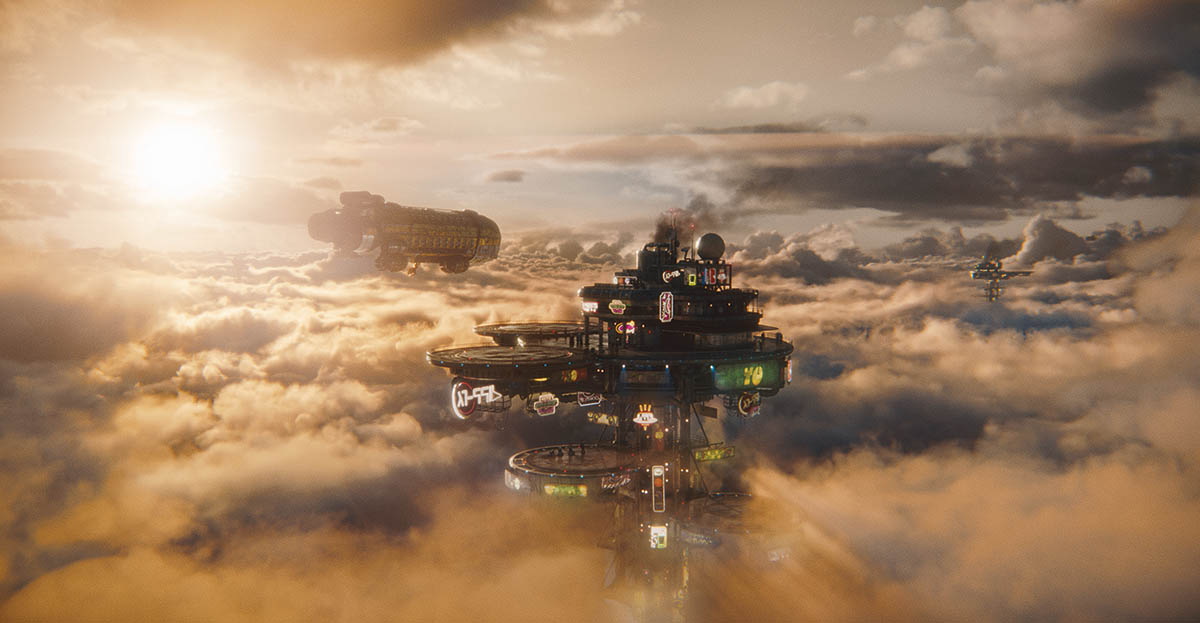
Others still had a front-row seat to the industry from birth. Max Popovych, a compositor at Digital Domain, grew up with a father working in the field. Early exposure—ranging from visiting studio floors to experimenting with image compositing in Adobe Photoshop—demystified the pipeline and made pursuing a career in digital arts feel like a natural extension of his upbringing.
Navigating Pandemic-Era Entry Barriers and Industry Instability
Entering the professional workforce during the early 2020s presented unprecedented hurdles. For Gen Z graduates, the transition from higher education to employment coincided with the COVID-19 pandemic, a sluggish macroeconomic recovery, shifting immigration policies, and sweeping geopolitical changes such as Brexit in the United Kingdom.
Camille Garlaschi, a previs artist at Framestore, experienced these systemic delays firsthand. Graduating into a post-lockdown economy with stringent new visa requirements for foreign nationals in London, Garlaschi faced an intensely competitive job market where junior positions were severely restricted. Compounding these initial hiring freezes were the historic 2023 Hollywood writers’ and actors’ strikes, which brought feature film and television production to a near-total standstill, leaving many junior artists—particularly those reliant on employer-sponsored work visas—vulnerable to sudden layoffs.
Beyond market volatility, young women entering the historically male-dominated VFX sector faced questions regarding professional equity and systemic burnout. Armstrong admits she harbored initial reservations about whether her contributions would be taken seriously and if the notorious demands of blockbuster post-production schedules would precipitate rapid exhaustion. Fortunately, she notes that proactive studio mentorship programs and a shifting corporate culture have increasingly fostered more respectful and inclusive environments. ILM, for example, has instituted dedicated internal mentorship initiatives designed specifically to support female employees, a move that artists argue actively reinforces institutional diversity during a turbulent sociopolitical climate.
The fluctuating nature of project-based contracts has also required a swift psychological adjustment. Léa Desrozier, an environment generalist at DNEG, notes that academic institutions rarely prepare students for the inherent instability of production shifts. Contracts are frequently short-term, demanding rapid adaptation. Popovych echoes this sentiment, emphasizing that long-term stability in the modern VFX landscape is less about guaranteed tenure and more about consistency, adaptability, and personal accountability.
Redefining Work-Life Balance and the Hybrid Office
Work-life balance is frequently cited as a core priority for Generation Z, a generation that values personal autonomy alongside professional dedication. Rather than subscribing to the traditional glorification of chronic overtime—colloquially known in the industry as "crunch culture"—young artists are establishing firmer boundaries between their professional output and personal lives.
Garlaschi emphasizes the importance of compartmentalizing her schedule, actively pursuing hobbies outside of work hours to ensure psychological separation from digital workloads. This philosophy is frequently reinforced by senior colleagues who advise juniors to view their careers as a marathon rather than a sprint.
The debate surrounding remote versus in-person work further highlights generational preferences for flexibility. While remote work provides a valuable sanctuary during high-intensity crunch periods or personal illness, young artists widely acknowledge the irreplaceable value of physical studio spaces. Bourguignon points out that incidental social interactions, spontaneous troubleshooting, and team camaraderie occur most naturally when colleagues are seated within desk distance. Tivoli Mu, an environment artist at Digital Domain, stresses that in-person collaboration grants junior artists essential face time, allowing them to absorb problem-solving methodologies directly from veteran practitioners.
Furthermore, young professionals exhibit acute situational empathy toward senior colleagues balancing familial responsibilities. Flexibility in working hours is increasingly viewed not just as a personal perk, but as an essential accommodation for working parents. Mu suggests that true work-life balance extends far beyond logging fixed hours or disconnecting after-hours messaging apps; it encompasses safeguarding physical health, cultivating interpersonal relationships, and sustaining long-term creative fulfillment without compromising professional dedication.
The Artificial Intelligence Frontier: Tool vs. Replacement
Perhaps no topic evokes as much industry-wide debate as the rapid ascent of artificial intelligence and machine learning. While labor organizations such as the Writers Guild of America have fiercely opposed generative AI models—and high-profile institutions like the Academy Awards have implemented strict regulatory guardrails—young VFX artists maintain a nuanced perspective regarding the technology’s integration into modern workflows.
A critical distinction is frequently drawn between traditional automation and generative AI. Popovych views AI as an evolutionary utility designed to streamline early-stage look development and iterative design tasks. He contends that foundational artistic competencies—such as a trained eye for light, spatial integration, and meticulous detail—remain irreplaceable. In this view, AI functions as a workflow accelerator rather than a human replacement.
Conversely, moral reservations persist. Armstrong expresses strong reservations regarding the large-scale deployment of generative systems, noting that replacing the nuanced human touch of cinema with automated prompts feels conceptually disheartening for both creators and audiences.

At studios like ILM, however, machine learning has been embedded into pipelines for over a decade. Technologies such as StageCraft virtual production platforms and artist-driven machine learning utilities are routinely deployed to handle repetitive, time-consuming technical chores. Chun notes that these systems elevate overall output quality and production velocity without displacing creative ownership. Mu adds that the presence of AI serves as a philosophical catalyst, prompting artists to articulate and defend the unique value of human creativity within modern media production.
A Distinct Professional DNA
What ultimately separates the newest wave of VFX artists from their predecessors is not a lack of work ethic, but a fundamentally different technological and visual fluency. Popovych attributes his generation’s intuitive grasp of visual aesthetics to early, ubiquitous exposure to digital media, social platforms, and high-definition screens, which accelerates an instinctive understanding of visual framing and realism.
Resourcefulness has also emerged as a defining trait. Chun highlights how financial constraints led her to self-teach accessible software alternatives like Adobe Substance Painter rather than cost-prohibitive industry standards, supplementing her education via decentralized online communities such as Discord and YouTube. This self-directed learning habit translates directly into a proactive approach to day-to-day studio challenges.
Far from fitting narratives of professional disinterest, these artists demonstrate a deep sense of ownership over their credits and creative growth. Despite early-career hurdles, economic turbulence, and industry strikes, their collective trajectory is defined by continuous development. Armstrong reflects on her primary milestone: learning to trust her own instincts and stepping forward for high-level professional opportunities she once felt unqualified to tackle.
As the visual effects industry continues to evolve amidst rapid technological disruption and shifting economic paradigms, the rising generation of artists is proving that passion, technical adaptability, and human creativity remain the foundational pillars of cinematic magic.