The Evolution of Post-Apocalyptic Cinema: Inside the Visual Effects of Ridley Scott’s The Dog Stars

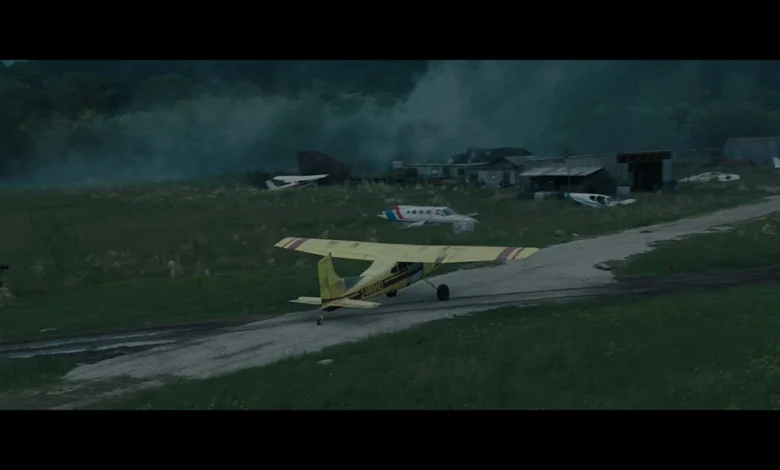
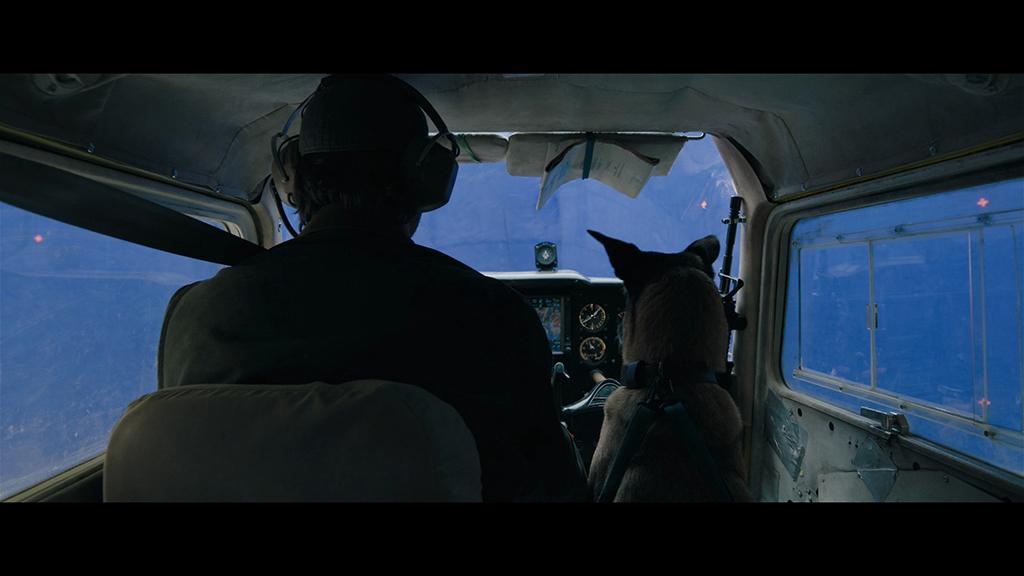
The intersection of classic filmmaking techniques and cutting-edge visual effects continues to define the creative partnership between legendary director Ridley Scott and Visual Effects Supervisor Charley Henley. In their latest cinematic venture, the post-apocalyptic thriller The Dog Stars, the duo tackles a desolate world where nature has reclaimed civilization following a devastating global pandemic. Based on the acclaimed novel, the narrative follows a civilian pilot navigating the skies with his canine companion, Jasper, in search of surviving pockets of humanity. Transforming this desolate vision into a tangible, high-stakes reality required an intricate choreography of practical stunts, innovative engineering, and expansive digital environments executed across a rigorous 34-week post-production timeline.
From Graphic Novel Storyboards to Screen Reality
The foundational blueprint for The Dog Stars began long before cameras rolled, rooted in Ridley Scott’s signature pre-production methodology. According to Henley, whose creative relationship with Scott blossomed after initial apprehensions working on landmark projects, the director’s preparation has evolved into an art form of its own. For both the historical epic Napoleon and this dystopian thriller, Scott produced a vibrant, comprehensive series of color storyboards that functioned essentially as a graphic-novel adaptation of the screenplay.
These detailed illustrations provided the entire production crew, particularly the visual effects department, with an invaluable roadmap. Serving as the primary reference for pre-visualization and complex shot planning, Scott’s drawings communicated precise lighting designs, compositional framing, and atmospheric moods that standard script pages alone could not convey. When unexpected production hurdles arose—such as shifting light conditions or logistical constraints at specific locations—these storyboards guided the pivot toward innovative digital solutions without sacrificing the director’s original aesthetic intent.
Engineering the Cessna 185: Practical Ingenuity Meets Digital Augmentation
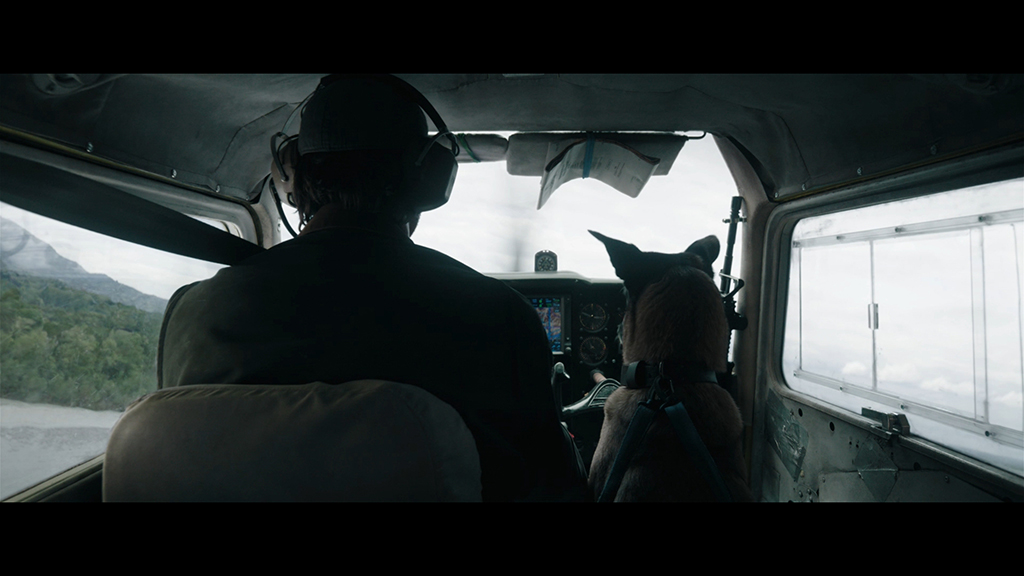
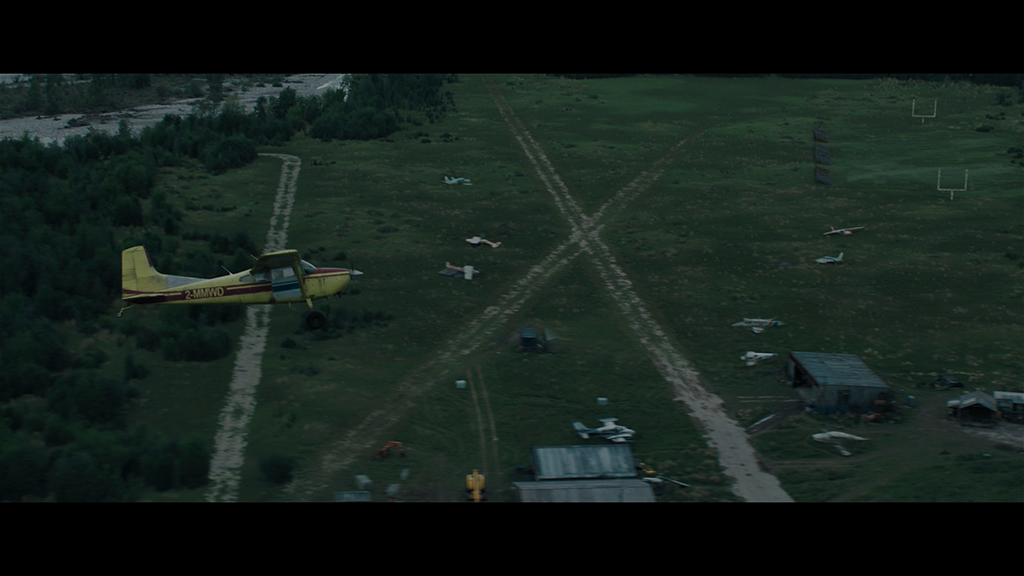
At the heart of the film’s logistical and narrative challenges was a single-prop Cessna 185 aircraft, which required versatile functionality to meet the demands of both aerial sequences and ground-level interactions. To achieve the necessary cinematic scope, the production acquired an authentic aircraft for live-action aerial photography, piloted by stunt pilot Tom Berger. The aerial crew utilized a helicopter rigged with a custom five-camera RED Raptor array to capture 270-degree background plates, mapping out real flight paths to ensure seamless integration during post-production.
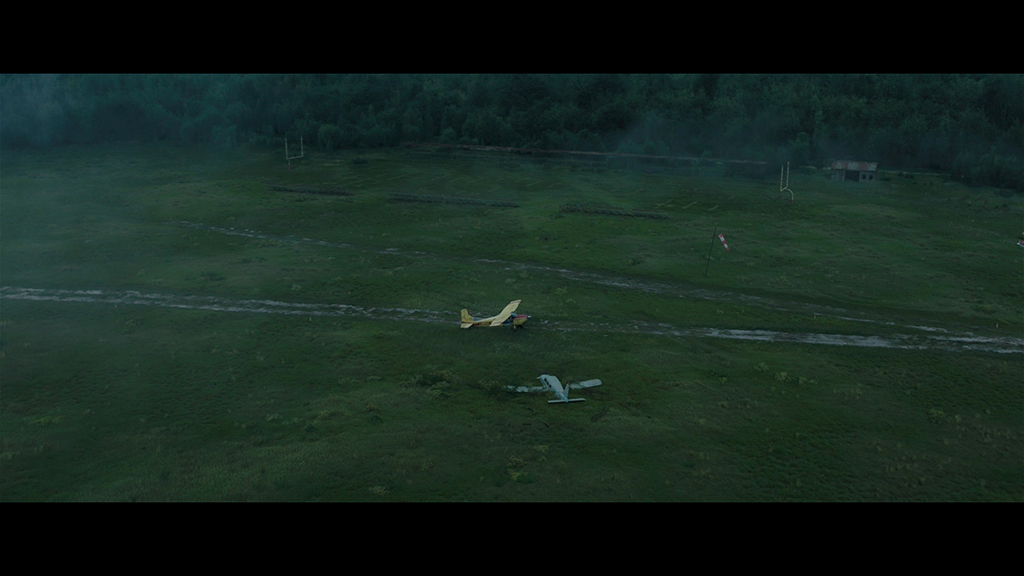
The physical demands of the script, however, necessitated four distinct configurations of the Cessna. Special Effects Supervisor and veteran collaborator Neil Corbould engineered a Tesla-powered electric version capable of remote-controlled taxiing. This innovation allowed actors and the canine performer, Jasper, to interact safely with the machinery on the ground, while also enabling the aircraft to be towed behind camera vehicles for dynamic stunt work. Additionally, a specialized cockpit buck was constructed—mounted on trucks for exterior road sequences and on studio gimbals for interior dialogue scenes—while a fully digital, computer-generated aircraft was utilized to bridge gaps in complex action sequences.
Transforming Italian Landscapes into Post-Apocalyptic Colorado
Simulating the rugged, abandoned expanses of post-pandemic Colorado presented a massive geographic and environmental hurdle for the production team. Rather than shooting on location in North America, the production utilized the diverse topography of Italy, discovering through rigorous location scouting that the region shared a strikingly similar latitude, weather patterns, and biome to the American West.
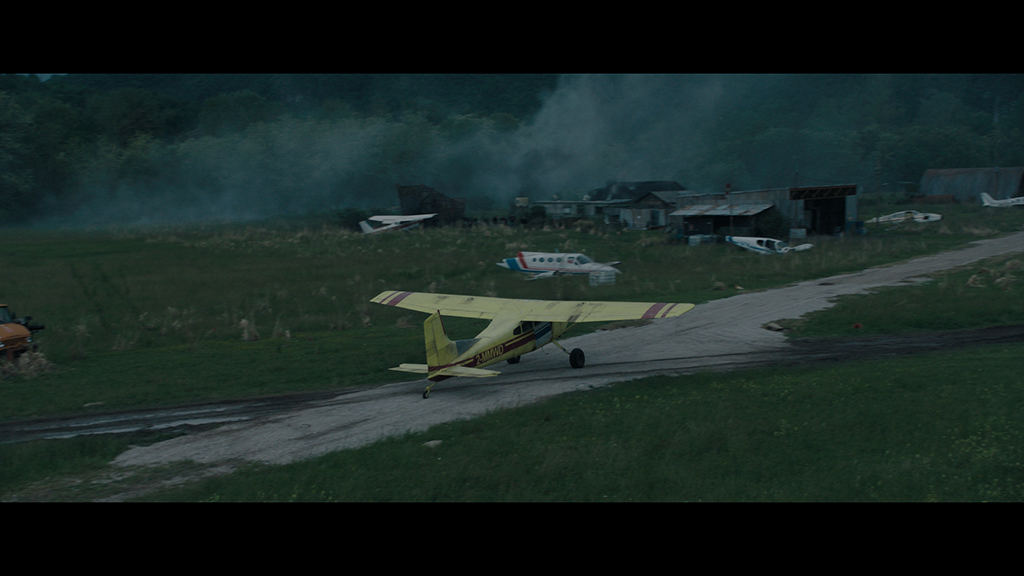
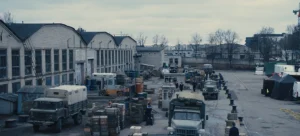
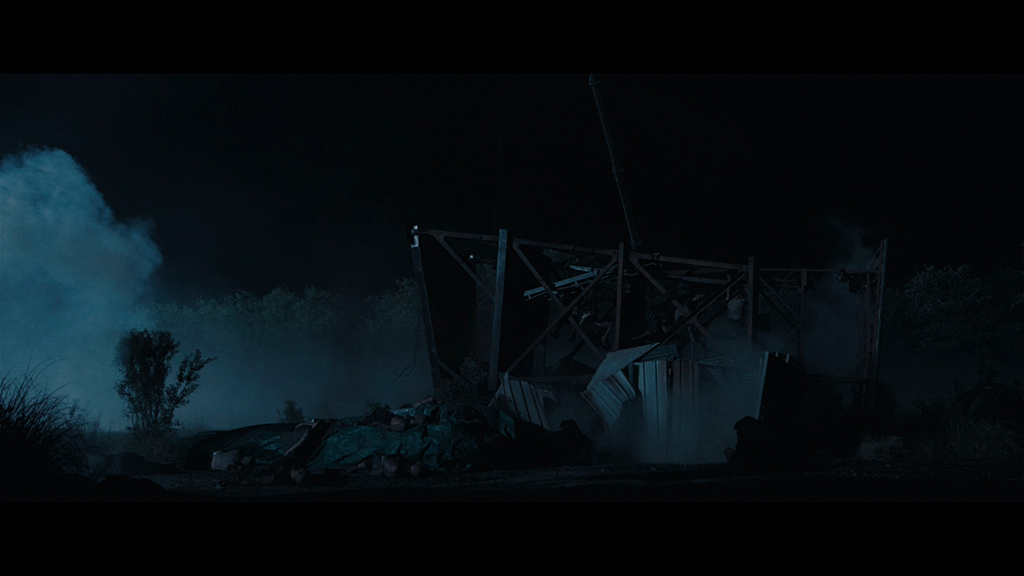
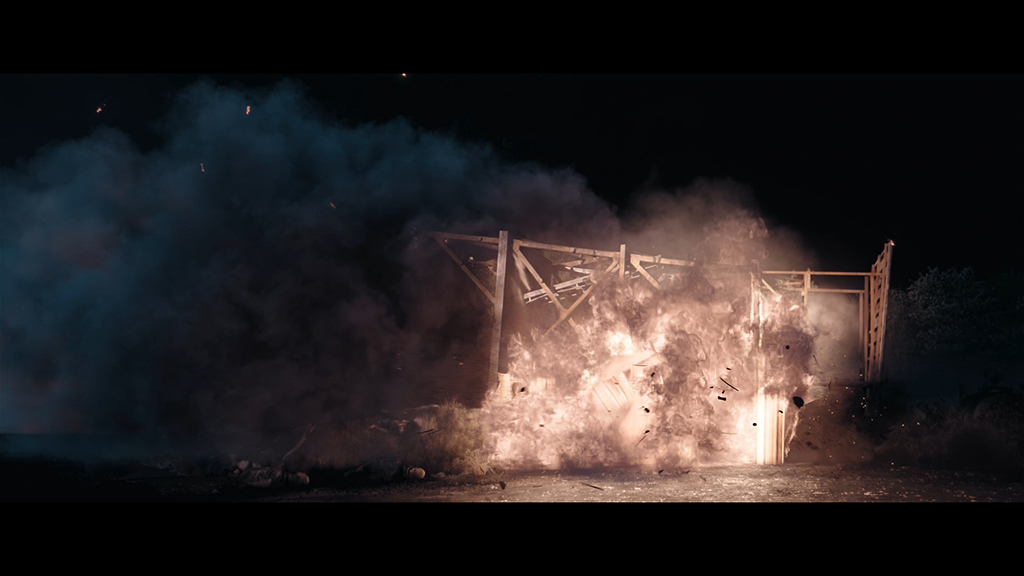
The visual effects workload heavily involved erasing modern infrastructure—removing small European villages and paving over conflicting architectural cues—while inserting straight highways, abandoned cities, and extensive CG wilderness. Reference points for the rewilding process were drawn from real-world conservation sites, such as the Knepp Estate in the United Kingdom, which demonstrated how farmland naturally evolves and becomes overgrown when left unmanaged over a decade. For complex set-pieces, such as the climactic crash-landing and the devastated Grand Junction sequence, digital environment builds by Outpost VFX expanded significantly beyond original pre-production estimates due to on-set weather shifts and changing daylight availability.
Collaborative Vendor Execution and the 800-Shot Pipeline
Managing the staggering scope of the film required a massive collaborative effort spanning six distinct visual effects studios: Bluebolt, Outpost VFX, RISE, Untold Studios, TPO, and Light VFX. Originally allotted a standard 28-week post-production window, the schedule was extended by six weeks to accommodate a final delivery count of approximately 800 visual effects shots.
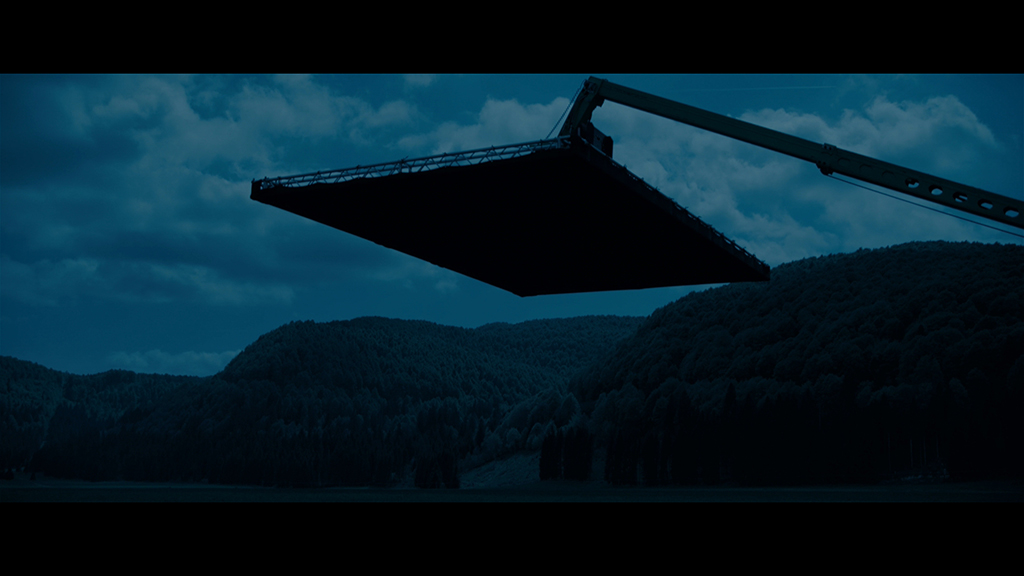
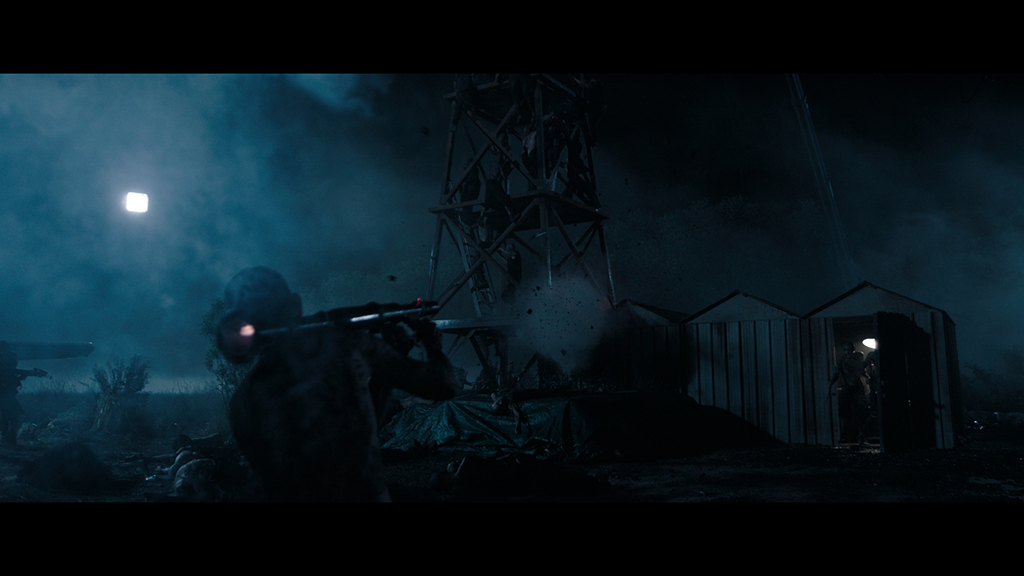
The digital workload extended far beyond environmental landscapes into complex creature and atmospheric integration. To maintain realism, animal elements—including deer, wild dogs, Harris’s hawks, crows, and vultures—were filmed practically on stage at Ember Films to match specific lighting setups before being composited into live-action plates. Digital creature builds were deployed exclusively where practical photography proved impractical due to scale or choreography. Similarly, atmospheric elements such as mist, smoke, and customized night-vision aesthetics modeled after historical and contemporary military technology were layered into sequences to heighten the pervasive sense of isolation and peril.
Implications for Modern Filmmaking and the Craft of VFX Supervision
The completion of The Dog Stars highlights a broader industry shift toward a hybrid model of filmmaking, where physical construction and high-end digital artistry are deeply intertwined from the storyboard phase onward. By refusing to rely solely on virtual production volumes or green-screen stages, Scott and Henley prioritized practical photography—ranging from real aerial arrays to specialized mechanical aircraft configurations—anchored by meticulously planned digital enhancements.
This methodology not only preserves the tactile authenticity of classical cinema but also redefines the efficiency of modern visual effects pipelines. As audiences increasingly demand heightened visual fidelity in speculative fiction and dystopian narratives, the production blueprint established on The Dog Stars demonstrates that comprehensive pre-planning and close collaboration between directors, cinematographers, and visual effects supervisors remain the ultimate keys to successful world-building on screen.