Star Wars Detours: Long-Awaited Animated Comedy to Receive Limited Exhibition at Lucas Museum of Narrative Art

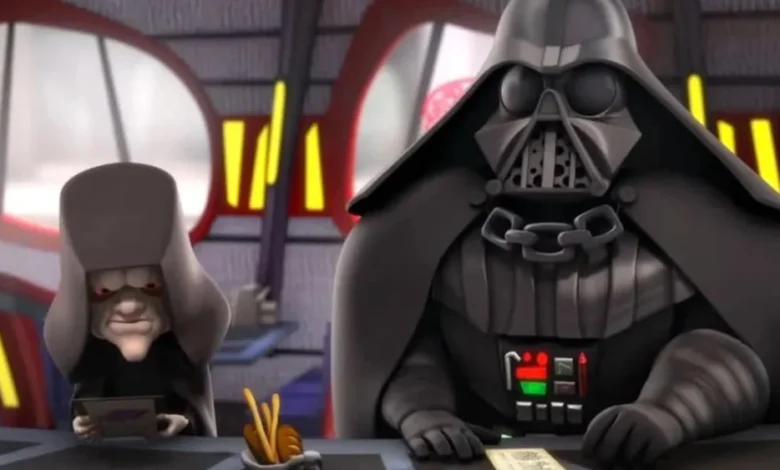
The long-unreleased animated comedy series Star Wars Detours, a project shrouded in mystery and speculation for over a decade, is finally slated to see the light of day, albeit in a highly exclusive capacity. Seth Green, one of the series’ key developers, announced that a curated selection of episodes will be showcased at the Lucas Museum of Narrative Art in Los Angeles. This revelation, made during a San Diego Comic-Con panel for the museum, marks a significant moment for fans who have yearned to experience the comedic take on the galaxy far, far away. The Lucas Museum, scheduled to open its doors on September 22, has yet to disclose the precise number of episodes that will be exhibited or their availability schedule for visitors, adding another layer of anticipation to this unique release.
Conception and Initial Unveiling: A Pre-Disney Vision
Star Wars Detours was originally conceived by George Lucas himself, the visionary creator of the Star Wars saga. Collaborating with Seth Green and Matthew Senreich, the Emmy-winning creators behind the critically acclaimed stop-motion sketch comedy series Robot Chicken, Lucas envisioned a new avenue for humor within his beloved universe. Green famously described Lucas’s original pitch for the series as "The Simpsons in the Star Wars universe," indicating a departure from the saga’s traditionally dramatic tone toward a more lighthearted, sitcom-esque approach. The series was designed to fill the narrative gap between Star Wars: Episode III – Revenge of the Sith and Star Wars: Episode IV – A New Hope, offering a satirical look at the daily lives and misadventures of various characters during a period often explored with gravitas in other Star Wars media.
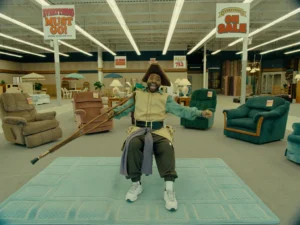
The project was officially unveiled to great fanfare at Star Wars Celebration VI in Orlando, Florida, in August 2012. Attendees were treated to an exclusive trailer and several clips, providing a glimpse into the series’ distinct computer-generated animation style and irreverent humor. The announcement generated considerable excitement, particularly given the impressive roster of voice talent attached to the project. The ensemble cast included prominent figures from the world of comedy and voice acting, such as Seth Green, Seth MacFarlane, Felicia Day, Donald Faison, Jennifer Hale, Zachary Levi, and Joel McHale. Adding to the star power was renowned satirist "Weird Al" Yankovic. Crucially, the series also boasted the involvement of original Star Wars performers, including Anthony Daniels (C-3PO), Ahmed Best (Jar Jar Binks), and Billy Dee Williams (Lando Calrissian), lending an authentic connection to the franchise’s legacy despite its comedic premise. The presence of these veteran actors signaled Lucas’s genuine commitment to the project as a legitimate, albeit humorous, extension of the Star Wars universe.
The Disney Acquisition and the Series’ Indefinite Postponement
The trajectory of Star Wars Detours took an unforeseen turn with the monumental acquisition of Lucasfilm by The Walt Disney Company in October 2012. This seismic shift in ownership, valued at approximately $4.05 billion, ushered in a new era for the Star Wars franchise, marked by ambitious plans for a new sequel trilogy and an expanded universe of interconnected stories. While the acquisition promised a resurgence of Star Wars content, it also necessitated a strategic re-evaluation of all existing and in-development projects.
In 2013, Disney made the decision to postpone Star Wars Detours indefinitely. The rationale, as widely reported and later corroborated by individuals involved with the production, centered on the company’s desire to maintain a consistent tone and narrative focus as it launched its new cinematic ventures. With Star Wars: The Force Awakens (2015) in active development, Disney reportedly concluded that introducing a broad parody of beloved Star Wars characters might confuse audiences and detract from the serious tone intended for the new generation of films. The company aimed to meticulously craft a cohesive and reverential new canon, and a comedic series, however well-intentioned, was perceived as potentially undermining this strategic objective at a critical juncture.
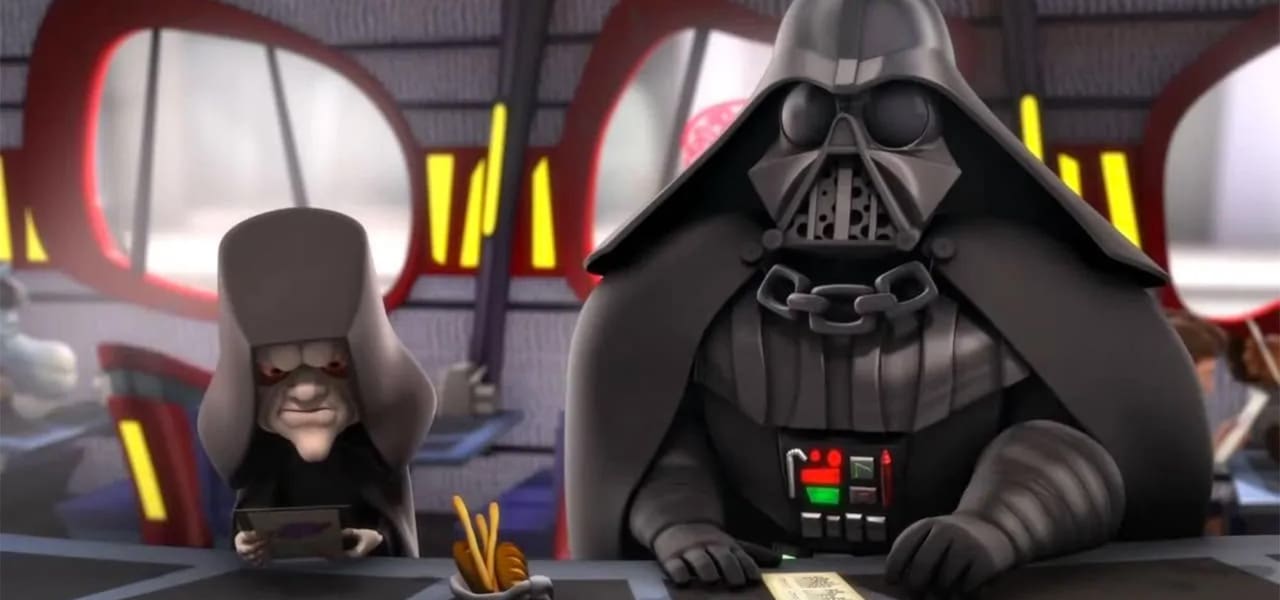
This decision effectively relegated Star Wars Detours to the fabled "Lucasfilm vault," transforming it into an almost mythical lost film. Despite the extensive investment in its production – Green has stated that 39 episodes were completed and another 62 scripts were fully prepared for production – the series remained unseen by the wider public. For years, its existence was known primarily through the 2012 Celebration clips and the occasional mention by its creators, fueling a sense of intrigue among fans about what could have been. The only brief exception to its obscurity occurred in 2020 when a full episode briefly leaked online, offering a fleeting glimpse into the show’s humor and animation style before being swiftly removed. This leak only intensified the desire among the fan base to see the complete work.
The "Mythical Quality" and Seth Green’s Advocacy
Seth Green has consistently been a vocal advocate for the release of Star Wars Detours. Over the years, he has frequently discussed the series in interviews, expressing his hope that it would eventually find an audience. His persistence, coupled with the series’ unusual journey from high-profile announcement to indefinite shelving, has indeed contributed to its "mythical quality." Fans have followed Green’s updates, wondering if and when this complete, yet unseen, body of work would ever be made available.
The decision to showcase a curated selection of episodes at the Lucas Museum of Narrative Art is a testament to the enduring creative value of the project and, perhaps, a nod to Green’s unwavering belief in it. This partial release allows the creators’ work to finally be appreciated, even if access remains limited. It also acknowledges the historical significance of the series as a product of George Lucas’s independent creative endeavors before the franchise transitioned under Disney’s stewardship. The fact that Green himself announced the screenings underscores his personal connection to the project and his satisfaction in seeing it emerge from obscurity.
The Lucas Museum of Narrative Art: A Fitting Venue
The Lucas Museum of Narrative Art provides a uniquely fitting home for the long-awaited debut of Star Wars Detours. Founded by George Lucas, the museum is dedicated to the art of visual storytelling, encompassing everything from painting and photography to illustration, comic art, and filmmaking. Its mission is to inspire, educate, and move people through the power of narrative art. Within this context, showcasing Star Wars Detours transcends a mere entertainment release; it becomes an exhibit of an important, albeit unreleased, piece of narrative art history from one of the museum’s namesake founders.
The museum’s focus on narrative art allows Detours to be presented not just as a lost cartoon, but as an example of storytelling in animation, demonstrating George Lucas’s continued exploration of his own creation through different lenses. Its location in Los Angeles, a global hub for entertainment and artistic innovation, further cements its role as a significant cultural institution. By presenting Detours within its hallowed halls, the museum underscores its commitment to preserving and exhibiting diverse forms of storytelling, including those that might otherwise remain unseen by the public. This approach elevates the series from a shelved comedy to a piece of cultural artifact, offering valuable insight into the creative processes and strategic decisions that shape major media franchises.
Implications for Star Wars Fandom and Canon
.png)
The limited exhibition of Star Wars Detours at the Lucas Museum carries several implications for Star Wars fandom and the broader understanding of the franchise’s evolving canon. Firstly, it provides a rare opportunity for fans to finally witness a project that has been the subject of much speculation. While the curated selection implies not all 39 completed episodes will be available, it nonetheless offers substantial material for analysis and enjoyment.
From a canonical perspective, Star Wars Detours is almost certainly considered "Legends" or non-canon within the current Disney-mandated Star Wars continuity. The series was developed before Disney’s explicit efforts to establish a singular, interconnected storyline across all media. Its comedic, satirical nature inherently places it outside the more serious narrative framework of the new films and television shows like The Mandalorian or Andor. This non-canonical status, however, does not diminish its value. Instead, it positions Detours as an intriguing historical artifact, a glimpse into an alternative creative direction for the Star Wars universe envisioned by its original creator. It stands alongside other beloved "Legends" material, such as the Expanded Universe novels and comics, which continue to hold a special place in the hearts of many fans.
The reaction from the Star Wars community is likely to be mixed, ranging from enthusiastic excitement for the opportunity to see the series, to disappointment over the limited access. Many fans who do not reside in or cannot travel to Los Angeles may feel excluded from this exclusive viewing experience. This could lead to renewed calls for a wider release, perhaps on Disney+ or through a home media format, allowing the substantial body of completed work to reach a global audience. The limited release strategy could be seen as a test, gauging public interest and potentially paving the way for a broader distribution in the future.
The Broader Context of Star Wars Animation and Unreleased Content
Star Wars Detours represents a fascinating chapter in the history of Star Wars animation. While the franchise has seen immense success with animated series like Star Wars: The Clone Wars, Star Wars Rebels, and Star Wars: Visions, Detours stands apart due to its comedic tone and its unusual journey. The decision to shelve it highlights the complex interplay between creative vision, corporate strategy, and brand management within a massive intellectual property.
The existence of a significant volume of completed, yet unreleased, creative work like Detours also raises broader questions about content preservation and the lifespan of artistic endeavors. In an era dominated by streaming platforms and instant access, the idea of a fully produced series remaining locked away for over a decade is increasingly rare. This limited exhibition at the Lucas Museum serves as a reminder of the many creative projects that never fully materialize or reach their intended audience, offering a unique opportunity to witness a piece of this hidden history.
Ultimately, the partial release of Star Wars Detours is more than just a novelty; it is a significant event for animation enthusiasts, Star Wars historians, and fans of Seth Green’s comedic sensibilities. It offers a rare chance to engage with a previously unseen facet of George Lucas’s creative legacy and provides valuable insight into the intricate decision-making processes that shape one of the world’s most enduring entertainment franchises. As the Lucas Museum prepares to open its doors, the unveiling of Star Wars Detours promises to be a compelling attraction, finally allowing a glimpse into the humorous side of the galaxy that almost was.