Ottawa International Animation Festival marks 50th anniversary with historic wins for Kohei Kadowaki and Joe Hsieh

The Ottawa International Animation Festival (OIAF) concluded its landmark 50th-anniversary edition this Saturday, solidifying its reputation as one of the most prestigious and influential gatherings in the global animation industry. Established in 1976, the festival has long served as a vital cultural bridge, connecting avant-garde creators with commercial powerhouses. This year’s event, held in the Canadian capital, proved to be a milestone celebration of both the medium’s technical evolution and its capacity for profound social commentary.
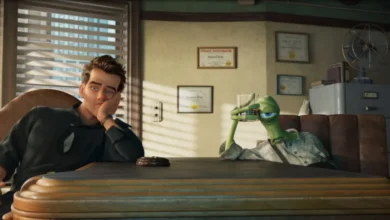
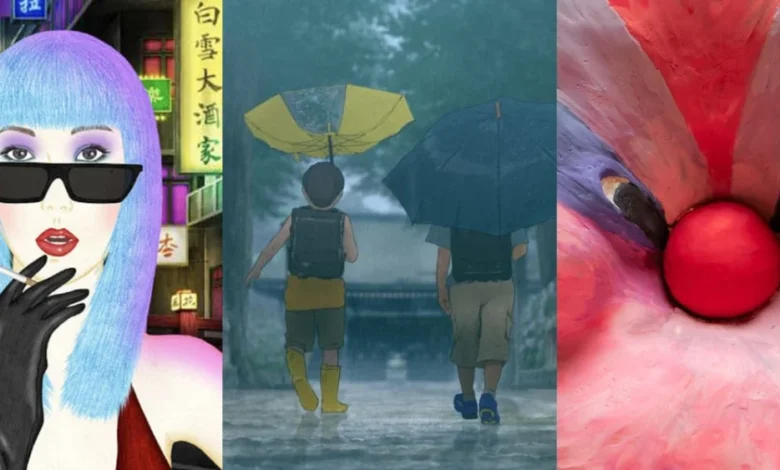
The festival’s top honors were claimed by Kohei Kadowaki and Joe Hsieh, whose respective films captivated jurors with their unique visual languages and thematic depth. Kadowaki’s feature film, We Are Aliens, secured the Grand Prize for Animated Feature. Following its high-profile premiere at the Cannes Film Festival’s Directors’ Fortnight earlier this year, the film has been lauded by critics for its episodic structure and its keen ability to find existential meaning within the mundane. The OIAF feature jury specifically noted the film’s inventive mise-en-scène and its shifting narrative perspectives, describing the work as a masterclass in capturing the "absurdity of life."
In the short film category, Taiwanese filmmaker Joe Hsieh took home the Grand Prize for Praying Mantis. The film is a chilling, dark exploration of maternal instinct, rendered through sharp, violent imagery. By winning this award, Hsieh’s work now qualifies for consideration in the animated short category at the upcoming Academy Awards, a significant career milestone that highlights the festival’s ongoing role as a launchpad for Oscar-contending shorts. The jury commended the film for its rigorous internal logic, noting that the violence within the narrative was both purposeful and artistically justified.
A Historic Achievement in Student Animation
While veteran directors dominated the feature and short categories, the 2026 festival will be remembered for the record-breaking success of Canadian animator Laurence Thérien. Her claymation short, Ball Face, achieved a feat unprecedented in the five-decade history of the OIAF: winning four separate awards in a single year.
Thérien’s film, which chronicles the anxieties of social assimilation and the pressures of "masking" one’s true identity, resonated deeply with both the public and the jury panels. By securing the Public Prize, the Hélène Tanguay Award for Humour, the Bento Box Award for Best Student Animation, and the Canadian Student Award, Thérien has effectively announced herself as a formidable new talent on the international stage.
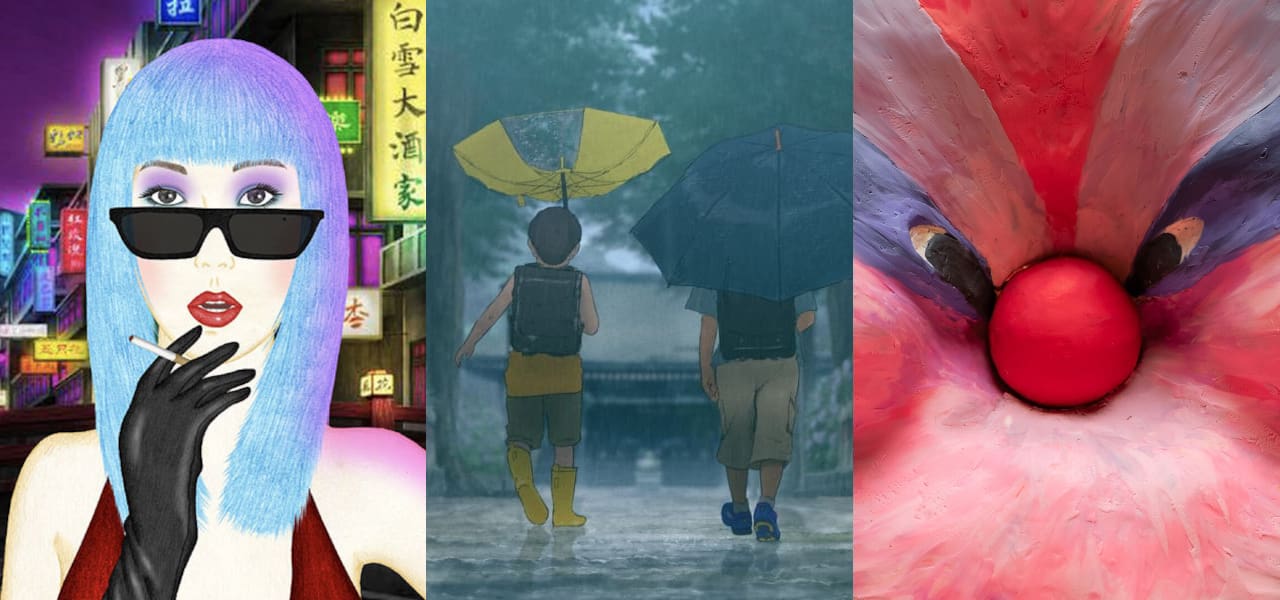
The success of Ball Face follows a stellar run on the festival circuit, including a prestigious Cristal for a Graduation Film at Annecy this past June. The film’s focus on the physical malleability of clay serves as a powerful metaphor for the protagonist’s desire to reshape herself to fit societal expectations, a theme that clearly struck a chord with the OIAF audience.
Jury Selections and Honorable Mentions
The OIAF feature jury also utilized the platform to highlight works that challenge the status quo. Honorable mentions were awarded to Sun Xun’s Magic Atlas and Leah Nelson’s Tangles. Sun Xun’s work, noted for its intricate woodcut animation and traditional ink-painting aesthetic, was hailed as a courageous political fable. The jury explicitly praised Sun for his unflinching critique of authoritarian power, marking a moment where the festival reaffirmed its commitment to supporting socially conscious cinema. Conversely, Leah Nelson’s Tangles was honored for its intimate, character-driven narrative, which navigates the complexities of love, loss, and the durability of human connection.
The Platform Animation Competition, which highlights innovative storytelling and technical experimentation, saw a win for Adult Swim’s The Elephant. Additionally, Don Hertzfeldt, a perennial festival favorite, received the Best Sound Design prize for his latest work, Paper Trail. The jury’s citation praised the film for its "claustrophobic symphony of tactile foley," further cementing Hertzfeldt’s status as a master of atmospheric sound design.
Contextualizing the OIAF’s 50-Year Legacy
The Ottawa International Animation Festival was founded in 1976, a time when the animation industry was largely dominated by traditional hand-drawn techniques and centralized studio production. Over the last 50 years, the festival has mirrored the industry’s shift toward digital transformation, independent production, and the rise of global auteurism.
The 2026 edition, marking the half-century mark, saw a record number of submissions from over 100 countries. This diversity of origin has become a hallmark of the OIAF. By providing a stage for non-Western perspectives—such as those from Taiwan, Japan, and China—the festival continues to broaden the definition of what mainstream animation can be. The event has moved beyond a simple screening venue, evolving into a critical marketplace where distribution deals are signed, co-production partnerships are formed, and the future of the medium is debated.
Implications of the 2026 Awards
The distribution of this year’s awards suggests a broader trend in animation: a move toward deeply personal, idiosyncratic storytelling that eschews formulaic structures. The success of films like We Are Aliens and Ball Face indicates that audiences and industry professionals alike are increasingly hungry for animation that prioritizes psychological complexity and tactile craft over high-budget spectacle.
.png)
Furthermore, the OIAF’s continued partnership with the Academy of Motion Picture Arts and Sciences as a qualifying festival ensures that the works showcased in Ottawa have a direct path to global visibility. For filmmakers like Joe Hsieh, this is a transformative opportunity. The festival serves not only as a celebration of the past 50 years but as a barometer for where the medium is headed in the next decade.
Looking Ahead
As the dust settles on the 2026 event, the animation community is already looking toward the implications of these wins for the upcoming awards season. The recognition of Paper Trail and Praying Mantis confirms that the most influential works of the year are currently being produced within the independent sphere.
The OIAF’s ability to remain relevant for 50 years is a testament to its curatorial consistency. By prioritizing artistic merit and fostering a community of creators who are willing to take risks, the festival has maintained its position as an essential fixture of the global film calendar. As digital tools become more accessible, the barriers to entry in animation are lowering, but as this year’s winners have proven, the core requirement—a unique, compelling vision—remains as vital as ever.
The success of the 50th edition is not merely in the trophies handed out, but in the sustained conversation it has facilitated. From the political weight of Sun Xun’s woodcuts to the intimate, clay-wrought anxieties of Laurence Thérien, the OIAF 2026 has provided a comprehensive snapshot of a medium that is currently more vibrant, diverse, and politically relevant than at any point in its storied history. With the conclusion of this milestone year, the festival sets a high bar for the next generation of animators who will undoubtedly look to Ottawa as their primary proving ground.