Disney Partners with Adobe as AI Integration Sparks Industry-Wide Debate Over Creative Integrity and Intellectual Property

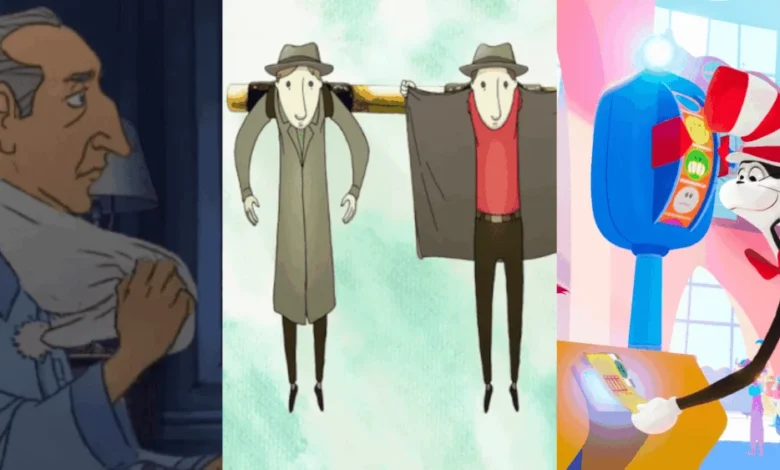
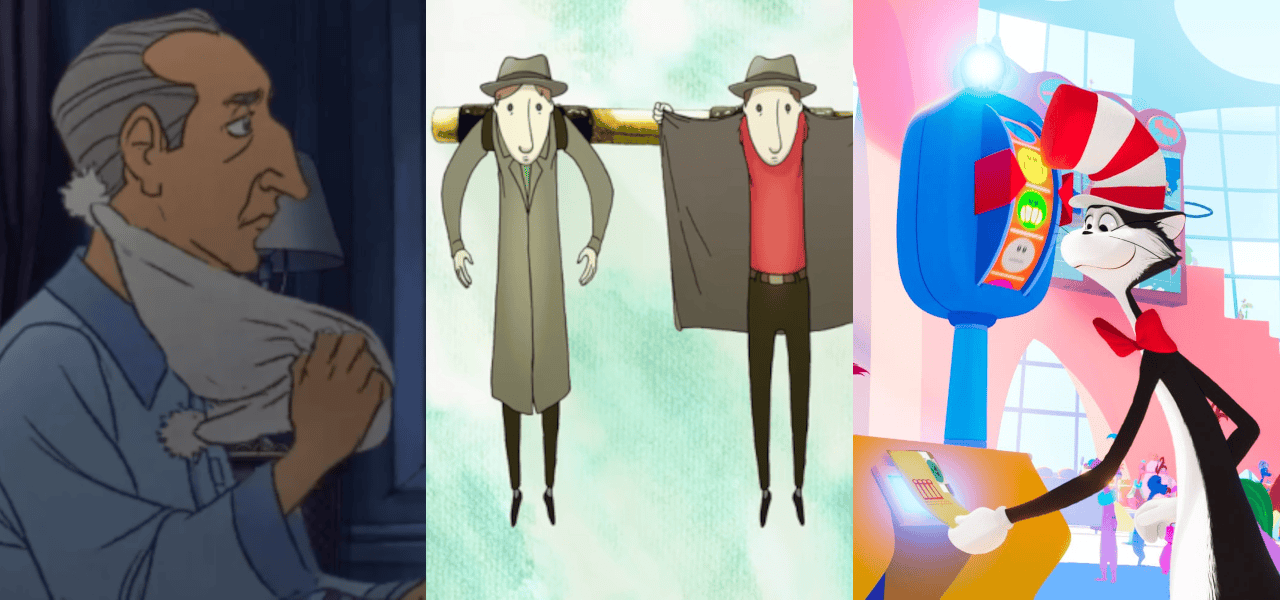
The animation and visual effects industry is currently navigating a period of profound technological transition, underscored by a series of high-profile developments that highlight the tension between generative artificial intelligence and traditional artistic workflows. Recent headlines have been dominated by Disney’s strategic move to integrate Adobe’s AI-powered creative tools into its production pipeline, a decision that coincides with growing friction regarding the unauthorized use of intellectual property and the murky definitions of "automation" in professional animation.
The Disney-Adobe Strategic Alliance
The Walt Disney Company has officially entered into a formal partnership with Adobe to deploy advanced generative AI tools designed to streamline the transition from initial concept sketches to fully rendered, high-fidelity concept art. This collaboration aims to provide Disney’s internal teams with specialized generative models that can accelerate the pre-production phase. By leveraging Adobe’s proprietary AI architecture, Disney intends to automate labor-intensive tasks such as texture mapping, lighting variations, and the refinement of rough character sketches.
From a production efficiency standpoint, this move is consistent with the studio’s long-standing history of adopting cutting-edge technology to reduce overhead and shorten lead times. However, the announcement has prompted immediate concern among industry labor unions and independent creators. The primary point of contention is whether these tools will be used to augment the human artist’s intent or to replace entry-level roles that have historically served as the training ground for the next generation of animators. As of November 2026, Disney has maintained that the technology is intended to assist, not replace, human creative oversight, though the specifics of the proprietary models remain under strict non-disclosure.

The El Empleo Controversy and Intellectual Property Theft
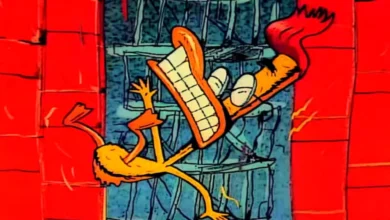
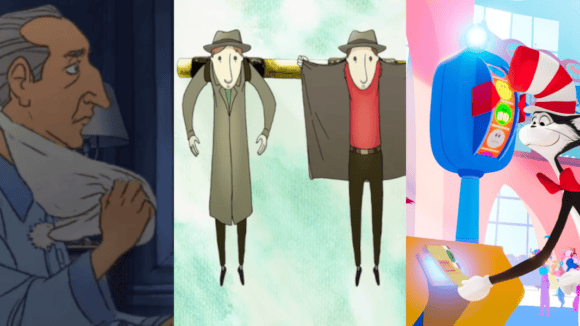
While Disney’s partnership represents a sanctioned corporate integration of AI, the independent sector is facing a different crisis: the rise of unauthorized AI-generated remakes. A recent viral incident involved an AI-driven adaptation of the 2008 Argentine short film El Empleo, a critically acclaimed piece known for its surrealist commentary on the modern labor market.
The unauthorized remake, which utilized generative models to mimic the original’s distinct visual style, was used to promote a series of paid filmmaking masterclasses. This sparked a sharp rebuke from the original film’s co-creator, Patricio Plaza. Plaza’s public stance serves as a litmus test for the legal and ethical protections afforded to filmmakers in the age of generative media. The incident has reignited debates regarding the "Fair Use" doctrine as it pertains to AI training data. Legal analysts note that while current copyright law protects the specific imagery of El Empleo, the ability of AI models to "learn" and reproduce an artist’s distinct style without copying specific frames creates a legal gray area that is currently being tested in various international jurisdictions.
Defining "Automation": The Sylvain Chomet/Dior Case
The ambiguity surrounding AI terminology reached a boiling point following the release of a Dior advertisement directed by acclaimed filmmaker Sylvain Chomet. After the project faced scrutiny for its visual aesthetic, which many viewers suspected was the result of generative AI, Chomet and his producer, Aton Soumache, issued a clarification. They explicitly denied the use of "generative AI" but confirmed the employment of "automated interpolation."
This distinction—while technically accurate in computer graphics terminology—has failed to satisfy industry critics. Interpolation, the process of generating intermediate frames between two images, has been a staple of digital animation for decades. However, modern "AI-enhanced" interpolation tools can now hallucinate details that were not present in the original source material, effectively blurring the line between traditional frame-by-frame animation and machine-generated synthesis. The skepticism from the animation community suggests a deep-seated distrust of corporate transparency, as creators fear that the term "automated interpolation" is being used as a euphemism to avoid the stigma currently associated with generative AI models trained on scraped data.

Box Office and Leadership Shifts
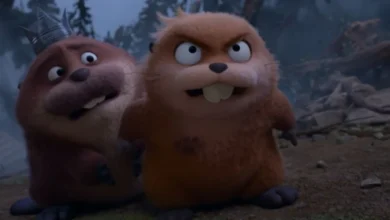
Beyond the AI-centric discourse, the film industry continues to see significant shifts in its traditional metrics. The theatrical release of The Cat in the Hat outperformed initial box office projections, signaling a continued appetite for high-profile animated adaptations of classic intellectual property. Simultaneously, the domestic performance of Wildwood has surpassed the $40 million threshold, proving that mid-budget animated features with distinct, non-AI visual identities still command significant audience share. Looking ahead, the planned theatrical re-release of Spy x Family underscores a growing trend of "event-based" anime screenings, which have become a cornerstone of the post-pandemic cinema recovery.
In the executive suite, the leadership structure at DC Studios is undergoing a significant transition. James Gunn and Peter Safran are stepping down from their primary administrative roles at the studio. While this marks a change in management, the two will maintain a creative partnership with the company. Gunn, in particular, is slated to helm an upcoming feature film, suggesting that the studio is prioritizing a shift from administrative oversight to hands-on creative development. This transition is expected to influence the strategic direction of DC’s animation and live-action projects, potentially shifting the focus toward more auteur-driven content.

Future Perspectives: The Human Element
Despite the encroachment of machine learning into creative spheres, independent animation remains a robust field. Interviews with the filmmakers behind the short Hexed reveal a prevailing sentiment that hand-drawn animation and original, human-centric storytelling continue to hold a unique market value. Similarly, Kid Koala’s feature debut Space Cadet has been highlighted for its distinct, non-algorithmic approach to narrative structure.
As the industry moves into the latter half of the decade, the focus is shifting toward the implementation of "ethical AI" guidelines. The Oscar-qualified shorts series, including notable works like Please and Paradaïz, continues to showcase the depth of human creativity that remains difficult for current generative models to replicate. These films rely on specific, lived experiences and nuanced emotional performances that algorithmic systems, which operate on patterns and statistical likelihoods, often struggle to synthesize with true artistic intent.
Implications for the Industry
The developments of November 2026 reflect an industry at a crossroads. The integration of AI tools by major studios like Disney is likely to become the new standard, forcing a re-evaluation of production budgets and timelines. However, the legal and ethical pushback from creators like Patricio Plaza suggests that the "Wild West" era of AI implementation is coming to a close. As litigation surrounding copyright and training data proceeds, the industry will likely see a move toward more transparent, licensed models of AI usage.
For the average viewer, these shifts mean that the visual landscape of cinema will continue to evolve. The reliance on automated tools, whether for background generation or character animation, will likely result in a higher density of visual detail but may also lead to a homogenization of style if not managed with creative rigor. The challenge for the industry, therefore, is to determine how to leverage these technological advancements without sacrificing the unique, idiosyncratic qualities that have defined the art of animation for over a century. As we look toward the next year of releases, the distinction between "human-authored" and "machine-assisted" work will likely become a primary factor in how audiences evaluate, and value, the films they watch.