18 Months: A Groundbreaking Stop-Motion Journey Toward Oscar Consideration

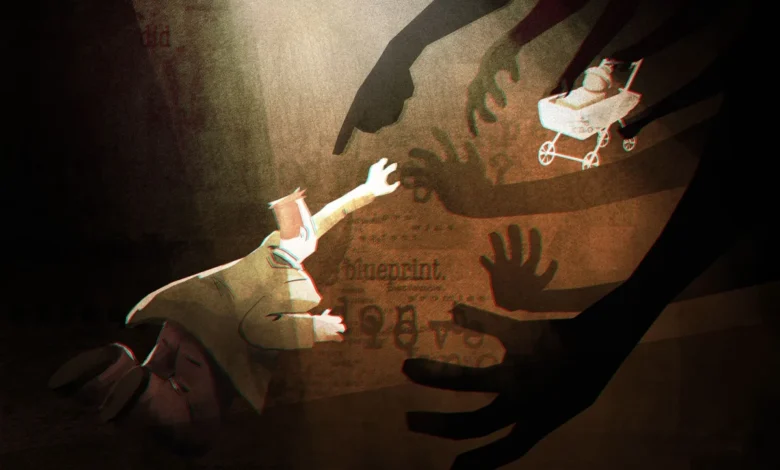
The animated short film 18 Months, directed by Paulo Garcia and Natália Gouvea and produced by the acclaimed Zombie Studio, has officially qualified for consideration for the 2027 Academy Awards. The film, which secured its eligibility by winning the prestigious Grand Jury Award at the Animayo Gran Canaria 2026 film festival, stands as a technical and narrative achievement in the medium of stop-motion animation. Based on the true, poignant story of two men who undertook the extraordinary task of raising a baby discovered in a New York City subway, the film serves as a testament to the resilience of the human spirit and the evolving definition of family in the 21st century.
A Narrative Rooted in Reality
The core of 18 Months is a story of unconditional love and the structural obstacles placed before LGBTQ+ parents. By adapting the real-life experience of a couple named Pete and Danny, the filmmakers explore the legal and societal pressures that often accompany non-traditional paths to parenthood.
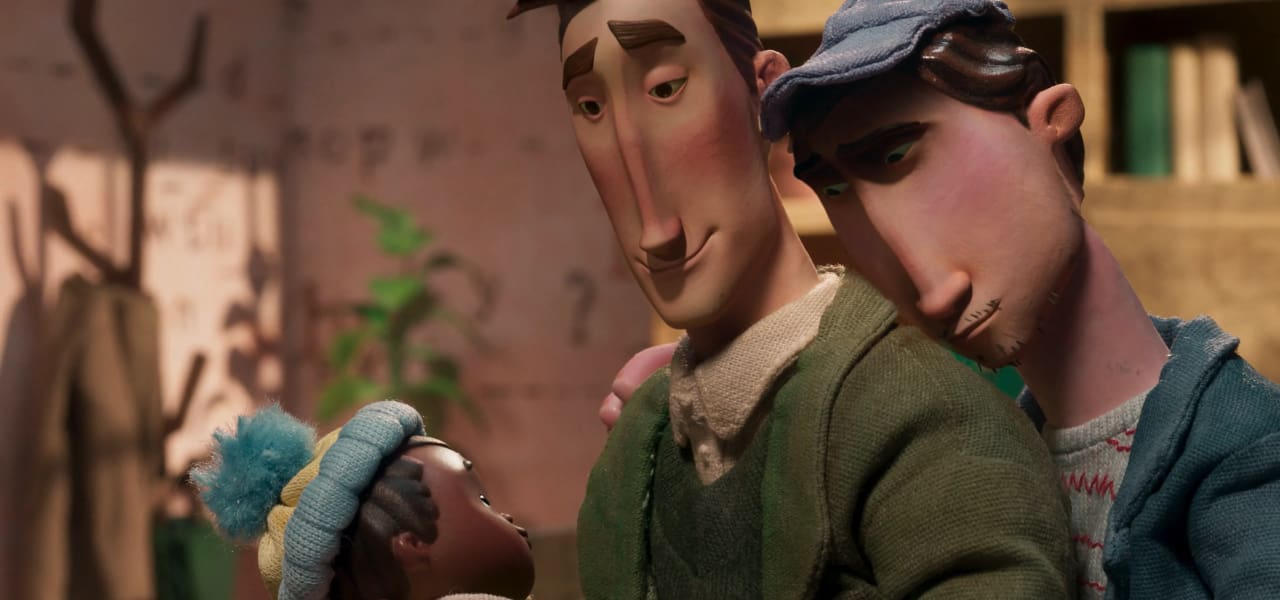
In the current global political climate, where rights for LGBTQ+ individuals and families are increasingly debated in judicial and legislative chambers, the film’s release carries significant weight. Garcia and Gouvea have emphasized that the project was born out of a desire to assert that families are defined by the bonds of affection and commitment, rather than by traditional biological or societal structures. The title, 18 Months, refers to the arduous timeline of the couple’s struggle to secure legal recognition of their family, a period defined by intense bureaucratic scrutiny and the emotional volatility of fighting for parental rights.
Technical Innovation and Artistic Synthesis
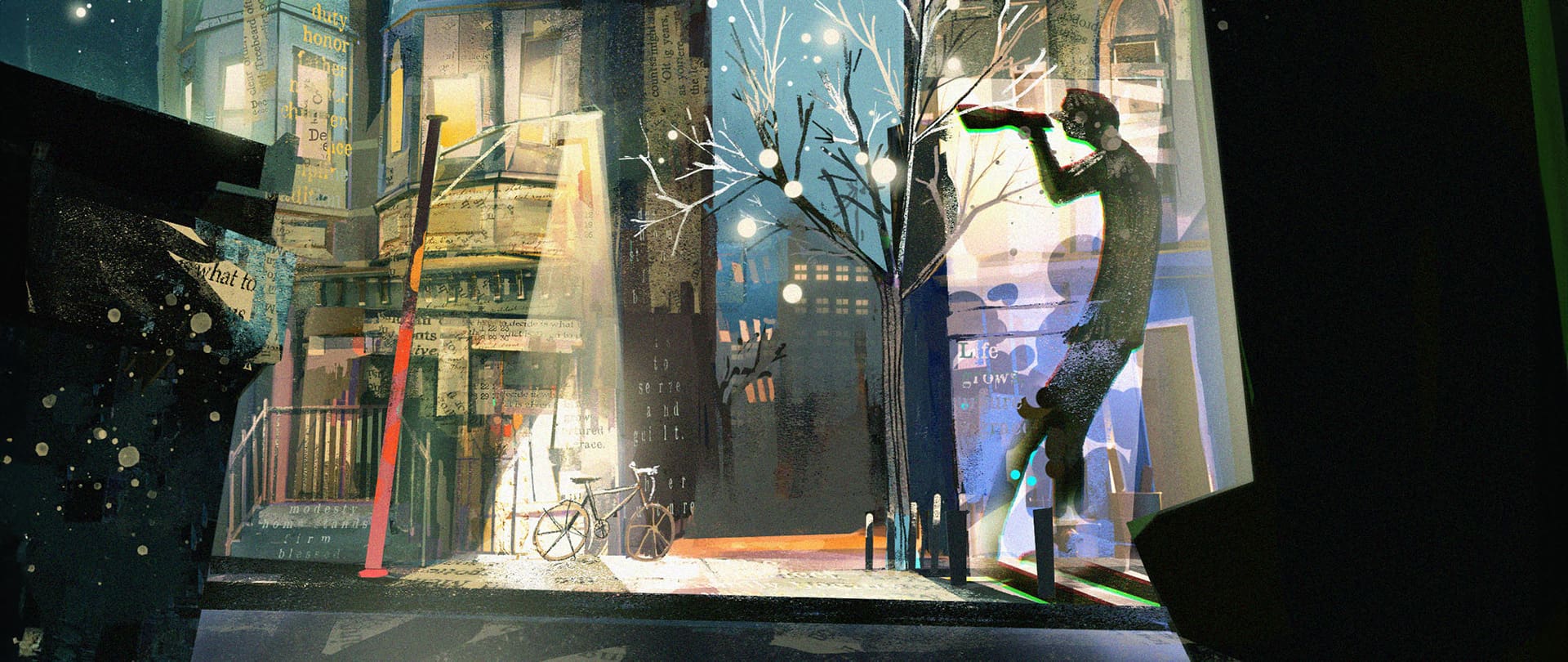
The visual language of 18 Months is characterized by a sophisticated hybrid approach. To translate the emotional stakes of the narrative into a tangible medium, the production team at Zombie Studio utilized a complex synthesis of physical and digital techniques. The film employs traditional stop-motion puppets housed within meticulously crafted miniature sets. However, the directors pushed the boundaries of this format by integrating live projection mapping directly onto the physical environments.
By projecting 2D animated silhouettes of secondary characters directly onto the handmade sets, the filmmakers were able to represent society as a looming, often judgmental presence. This technique creates a visual metaphor for the weight of external opinion and the legal system. The production utilized Dragonframe software to synchronize the projectors with the frame-by-frame stop-motion capture, ensuring that the light, shadow, and movement remained cohesive throughout the process.

Furthermore, the film incorporates digital facial animation to supplement the physical puppet performances. This was a tactical decision, as the scale of the production and the limitations of physical puppet mechanics required a level of emotional nuance that could best be achieved through digital mapping. The seamless integration of these disparate techniques—stop-motion, 2D projection, and digital facial expressions—is designed to disappear into the narrative, allowing the viewer to remain anchored in the emotional reality of the protagonists.
The Production Timeline and Collaborative Effort
The development of 18 Months was a multi-year endeavor that required the coordination of hundreds of artists and technicians. The process began with extensive research into the real-life story of Pete and Danny, followed by the design phase where the "miniature New York" was conceptualized as a character in its own right.
The production cycle was marked by a series of creative challenges, particularly in balancing the "beautiful chaos" of stop-motion animation with the rigid requirements of technical projection. According to the directors, a significant portion of the production time was spent in the studio analyzing the physics of movement. A key scene, in which a protagonist navigates a symbolic vortex while facing the potential loss of his child, required weeks of experimentation. The team debated the nuances of the character’s movement—should he drift, swim, or struggle against the current?—to accurately convey the sensation of helplessness against a vast, uncaring legal apparatus.
Contextualizing the Oscar Qualifying Path
The Academy of Motion Picture Arts and Sciences (AMPAS) maintains rigorous standards for the Animated Short Film category. Films qualify through one of three primary avenues: winning a "qualifying" award at a recognized film festival, participating in an official theatrical run in a major market, or receiving a Student Academy Award.
18 Months followed the festival route, gaining its momentum through the Animayo Gran Canaria, an Academy-qualifying event. This qualification is a significant milestone for Zombie Studio, which has built a reputation for high-end animation production. By securing this spot, the film joins a competitive field of international shorts that represent the pinnacle of independent animation in 2026.
The significance of this qualification extends beyond the prestige of the award ceremony. For many independent animators, the Oscar qualifying process is the primary vehicle for gaining international distribution and industry recognition. The success of 18 Months signals a growing trend in the industry where studios are increasingly willing to marry traditional, labor-intensive techniques like stop-motion with cutting-edge digital post-production to tackle mature, real-world themes.

Societal Implications and Public Discourse
The narrative of 18 Months resonates with ongoing discussions regarding parental rights and the legal protections afforded to same-sex couples. By documenting the "18 months" of uncertainty faced by the film’s subjects, the directors provide a human face to statistics regarding adoption, foster care, and the legal hurdles faced by non-traditional families.
Film critics and industry analysts have noted that the film’s strength lies in its ability to avoid didacticism. Instead of focusing solely on the politics of the situation, the story remains grounded in the personal, daily experiences of the protagonists. The decision to make the judge a disproportionately large puppet in the courtroom scenes is an example of visual storytelling that communicates the power imbalance without requiring dialogue, effectively illustrating the "overwhelming weight of justice" for an audience regardless of their legal or cultural background.
Future Outlook and Industry Impact
As the 2027 Oscar season approaches, 18 Months is positioned as a strong contender in the animated short category. Its blend of high-concept visual artistry and deeply human storytelling sets a high bar for the category.
Looking forward, the techniques developed by the team at Zombie Studio for this film—specifically the real-time synchronization of projection and stop-motion—are likely to influence future projects within the industry. By proving that such a hybrid workflow can produce a cohesive and emotionally resonant experience, the film provides a roadmap for other independent creators working with limited budgets but high creative ambitions.
Ultimately, the success of 18 Months reflects a broader evolution in animation as a medium. No longer confined to purely fantastical or children’s content, animation is increasingly recognized as a powerful tool for documentary-style storytelling and the exploration of complex social issues. As the industry continues to advance, the legacy of 18 Months will likely be defined by its dual success: as a technical triumph of the stop-motion craft and as a poignant, necessary contribution to the global conversation on equality, family, and the resilience of the human bond.