Bringing Isabel Allende to Screen: How Garagevfx Grounded Magical Realism in Reality for Prime Video’s The House of the Spirits

Adapting one of Latin America’s most celebrated literary masterpieces for a global streaming audience presents a formidable creative balancing act. When Prime Video greenlit its ambitious series adaptation of Isabel Allende’s 1982 landmark novel, The House of the Spirits, filmmakers faced the challenge of translating a narrative steeped in magical realism into a visually convincing historical drama. Spanning five decades of political, social, and familial upheaval in a fictionalized South American nation heavily inspired by Chile, the series required a digital canvas that could seamlessly merge the extraordinary with the authentic.
At the center of this monumental visual effects (VFX) undertaking was Garagevfx, a Santiago, Chile-based studio founded by Visual Effects Supervisor Tomás Roca. Tasked with delivering approximately 140 complex shots, the studio operated as one of three primary VFX vendors on the production. Rather than relying on the bombastic, otherworldly aesthetics common in contemporary fantasy or science-fiction franchises, Garagevfx’s mandate was entirely grounded in realism. Every digital environment, period reconstruction, and subtle supernatural intervention was engineered to feel as though it naturally belonged to the physical world, honoring both Allende’s literary legacy and the meticulous production design of the series.
Main Facts and Production Scope
Prime Video’s The House of the Spirits brings together an elite international and regional coalition of production entities, including Fábula, FilmNation, and Amazon MGM Studios. The series charts the sprawling, generational trajectory of the Trueba family, utilizing their homes and estates as visceral reflections of time, decay, and human intervention.
Under the general supervision of Alejandro Valente, Garagevfx was entrusted with critical sequences that demanded meticulous planning, historical accuracy, and advanced technological execution. Their portfolio of roughly 140 shots encompassed expansive digital environments, computer-generated (CGI) animals, complex set extensions, environmental destruction, and period reconstruction.
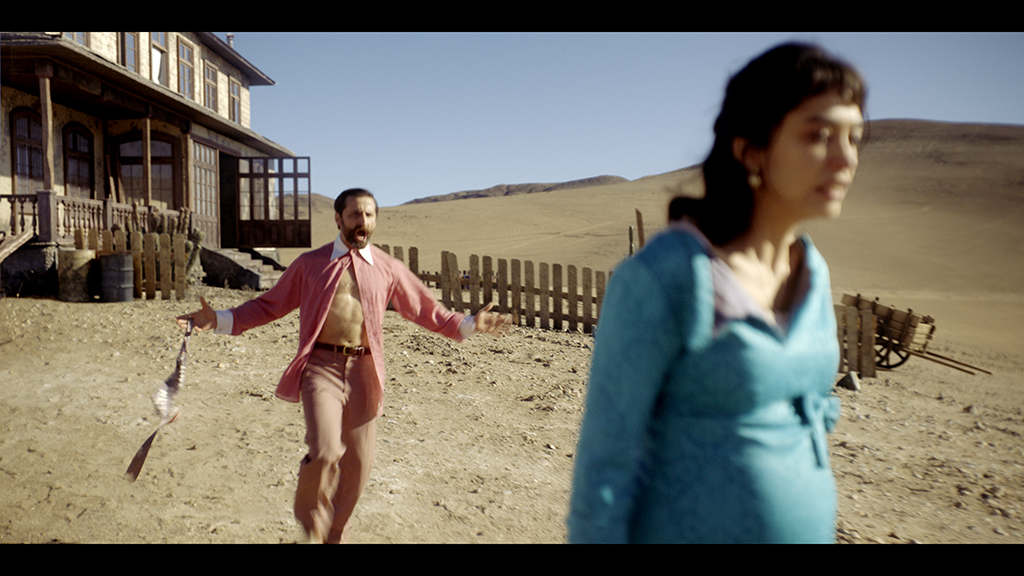
The studio’s work was anchored by two major architectural cornerstones in the narrative: Las Tres Marías, the crumbling and eventually prosperous Trueba family estate, and a remote mansion situated deep within the Atacama Desert. Because many of the physical locations described in the novel either no longer exist or have been drastically altered by modern industrial development, visual effects served as the ultimate bridge between historical eras. Operating within a robust 4K ACES color pipeline, Garagevfx utilized an industry-standard software suite—including Maya, Houdini, 3ds Max, Nuke, Fusion, Resolve, and Photoshop—to deliver cinematic fidelity that met the rigorous demands of a prestige television drama.
Chronology and Pre-Production Preparations
The realization of the series’ visual landscape began long before principal photography commenced. In the pre-production phase, the Garagevfx team conducted comprehensive location scouts across Chile to assess physical environments, establish creative criteria with showrunners Francisca Alegría, Fernanda Urrejola, and Andrés Wood, and draft efficient visual effects solutions.
During principal photography, the studio deployed rigorous data-gathering protocols. Technicians captured high-dynamic-range imaging (HDRIs), drone footage, ground-based photography, precise measurements, and extensive photogrammetry data. This wealth of empirical data provided the precise geometry and high-resolution textures required for digital asset development, environment extensions, and accurate match-moving.
Furthermore, the team produced detailed pre-visualization (previs) sequences to align with the showrunners on complex shots. By establishing this collaborative technical foundation early, Garagevfx ensured that visual effects were woven into the daily creative conversations on set, rather than treated as an afterthought in post-production.
Architectural Reconstruction: Las Tres Marías and the Desert Mansion
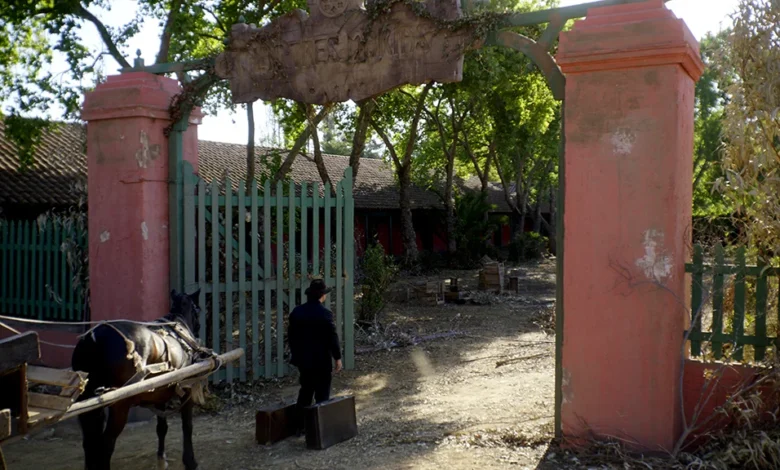
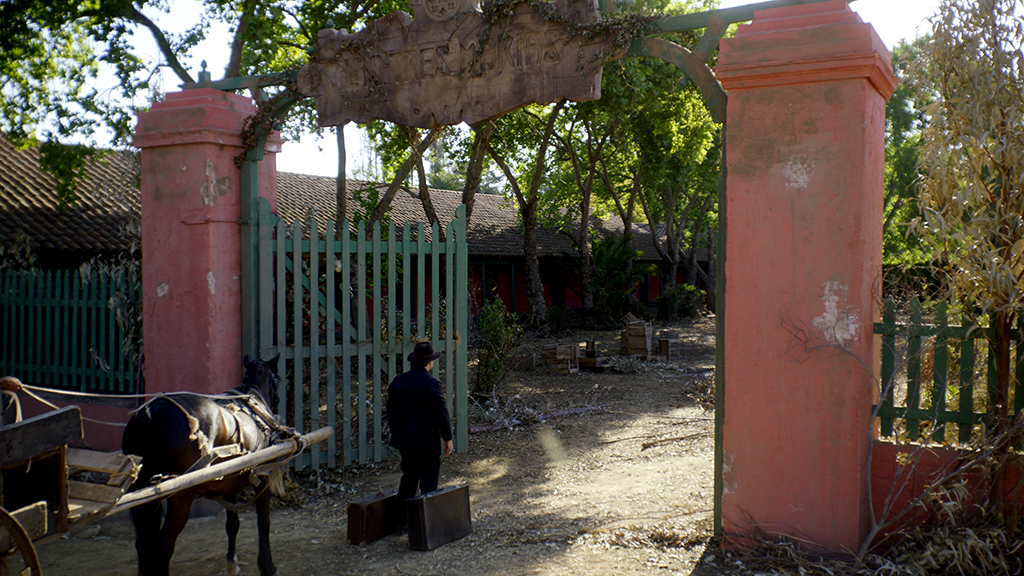
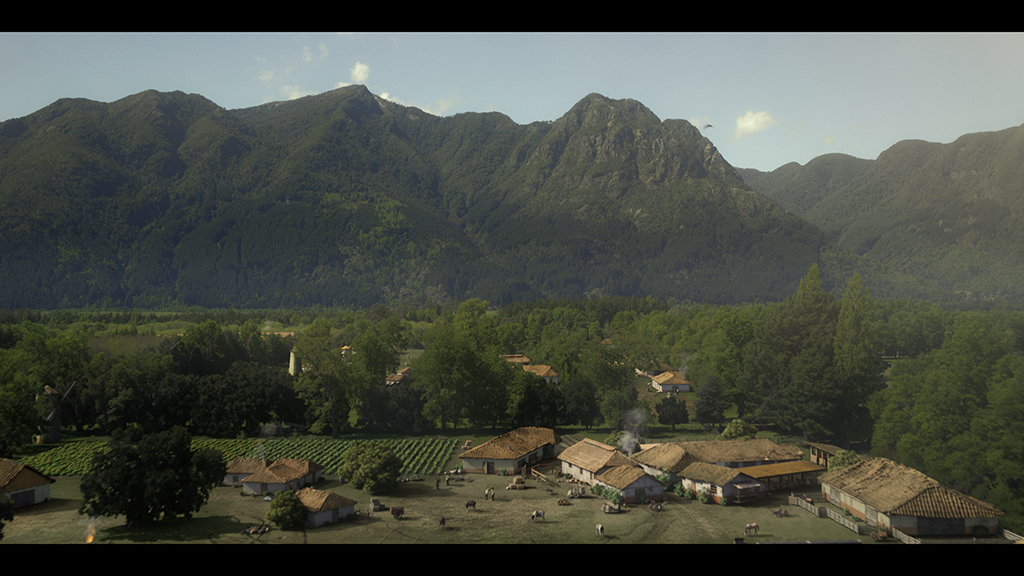
Among Garagevfx’s most intricate assignments was the physical evolution of Las Tres Marías. The practical location utilized for the estate was an aging farmhouse situated near Santiago, chosen because it captured the fundamental aesthetic of a traditional Chilean adobe property. However, the location lacked the sweeping, dramatic landscapes articulated in Allende’s prose.
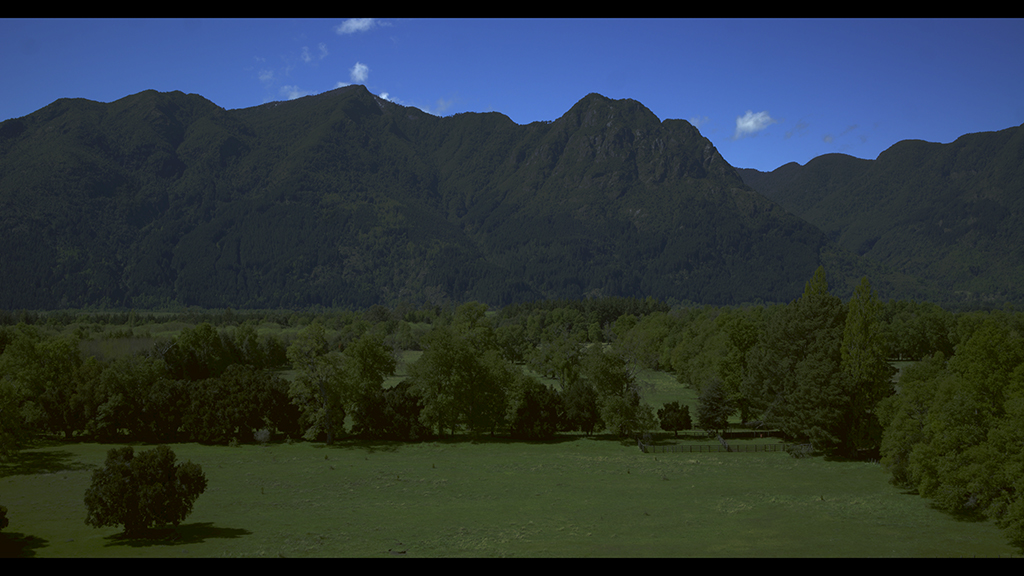
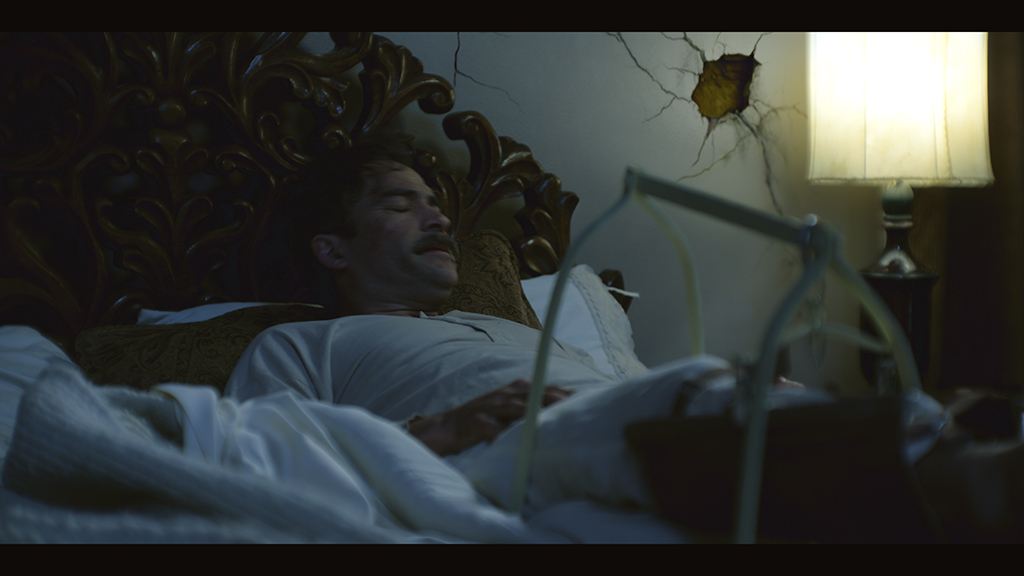
To solve this, Garagevfx integrated the practical farmhouse with background photographic plates captured in southern Chile. They constructed large-scale CGI establishing shots to define the estate’s geography, employing extensive matte painting and digital environment extensions to reshape both the house and its surrounding topography. Because the narrative spans 50 years, Las Tres Marías required a delicate, chronological transformation. It appears first in a state of abandonment, flourishes during the family’s prosperous years, and ultimately suffers the devastating structural aftermath of a major earthquake.
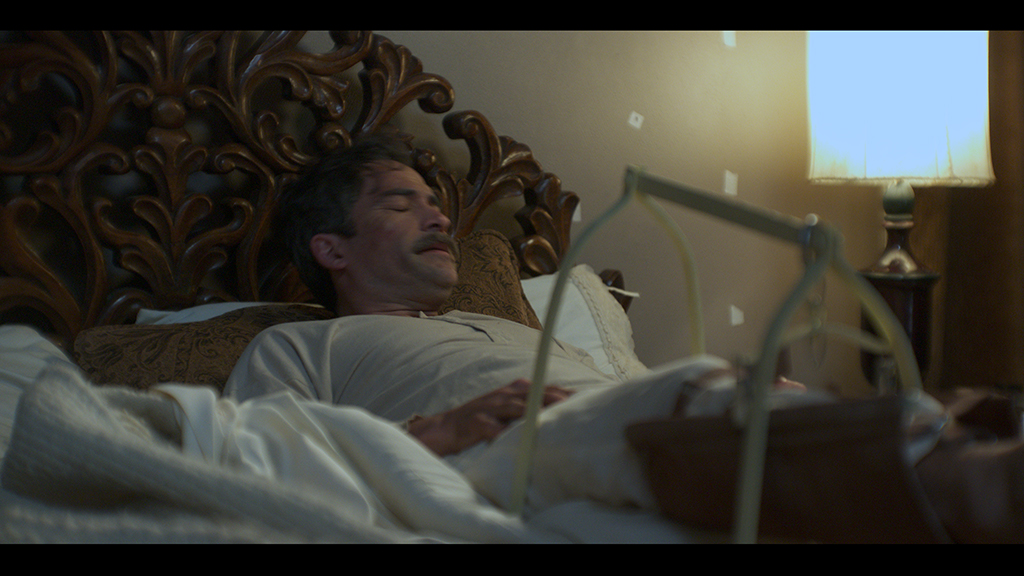
Replicating traditional Chilean adobe construction presented unique technical hurdles. When earthen walls crack or collapse, the exposed interior cannot resemble modern concrete or brick; it must reveal the distinct layers, textures, and earthy color palettes of traditional architecture. Garagevfx achieved this through meticulous asset creation, camera tracking, and layered compositing. When handling the earthquake’s aftermath, the studio digitally mapped extensive interior and exterior fractures, rebuilding damaged structural components to preserve absolute continuity across decades of storytelling.
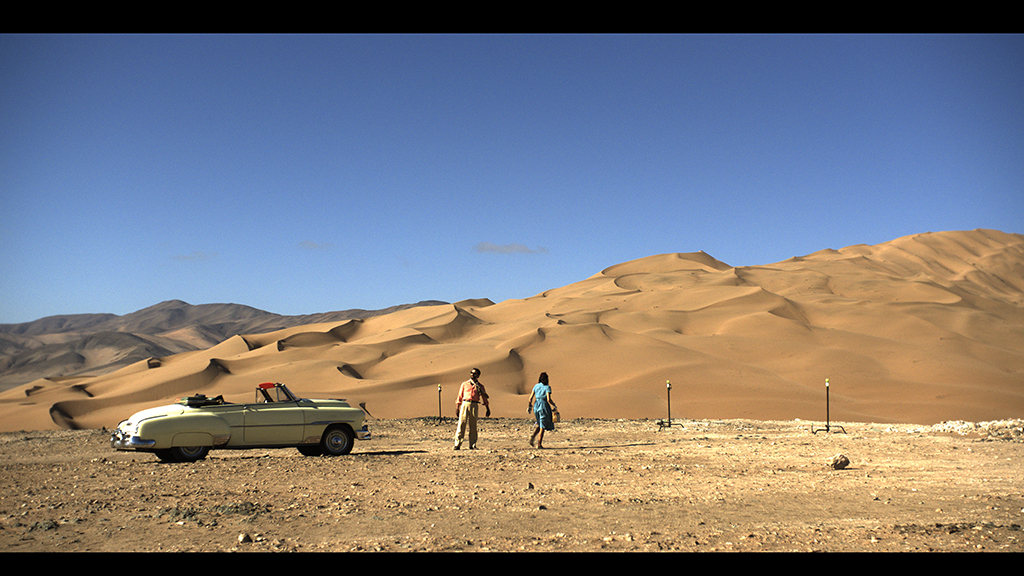
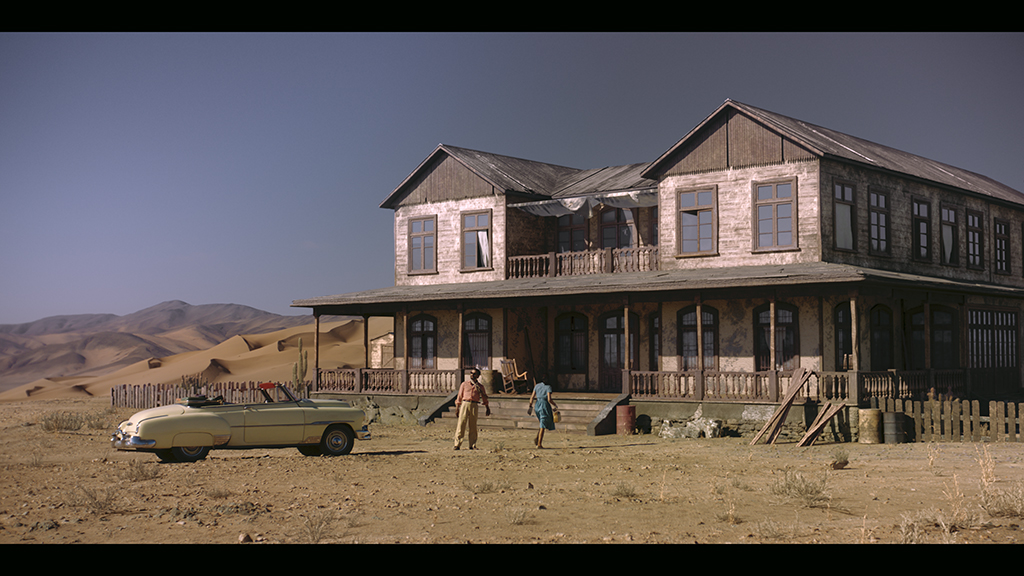
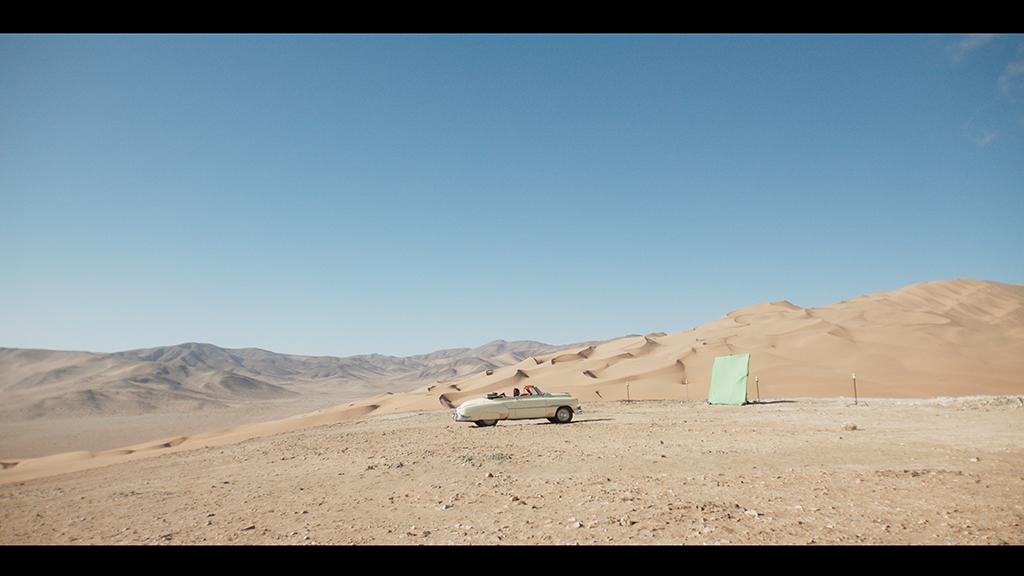
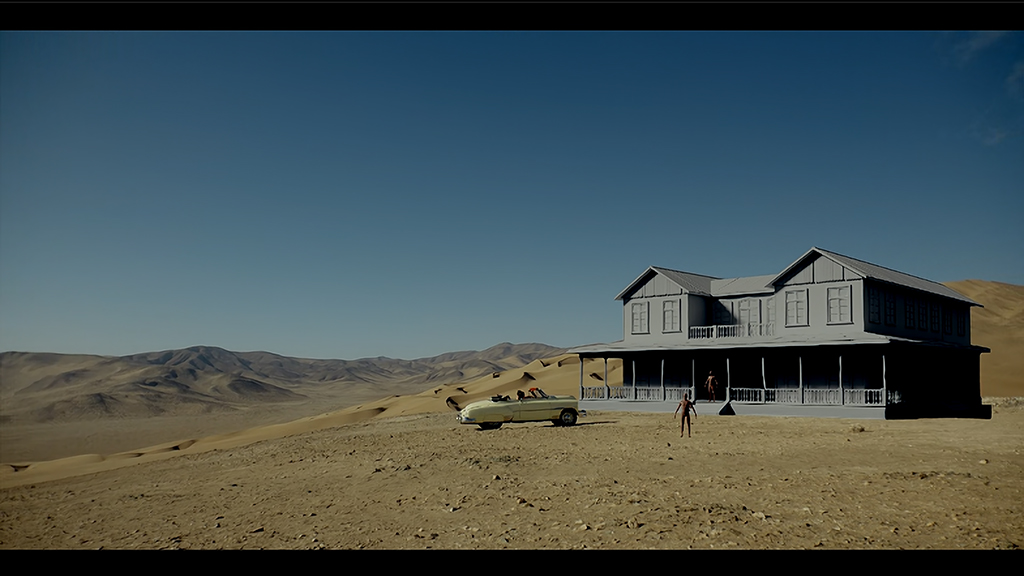
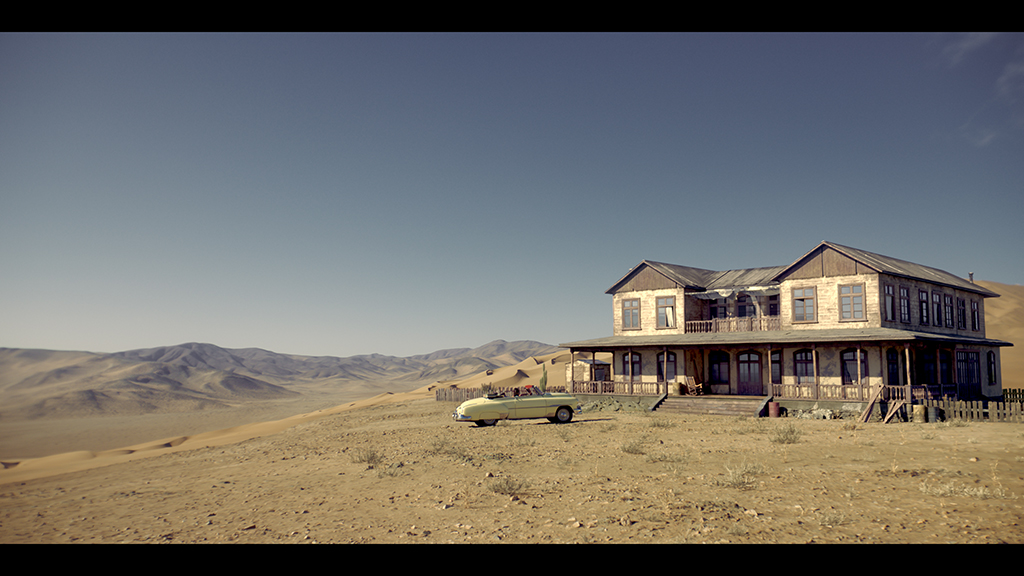
In stark contrast, the Desert Mansion was built almost entirely through CGI. Drawing architectural inspiration from historic nitrate mining settlements in northern Chile, the mansion stands in isolation within the Atacama Desert—one of the driest environments on Earth. Despite its inhospitable surroundings, the estate could not appear ruinous; it needed to radiate the permanence, elegance, and vibrant domestic life of a wealthy family.
Technical Challenges: Digital Fauna and Bluescreen Workflows
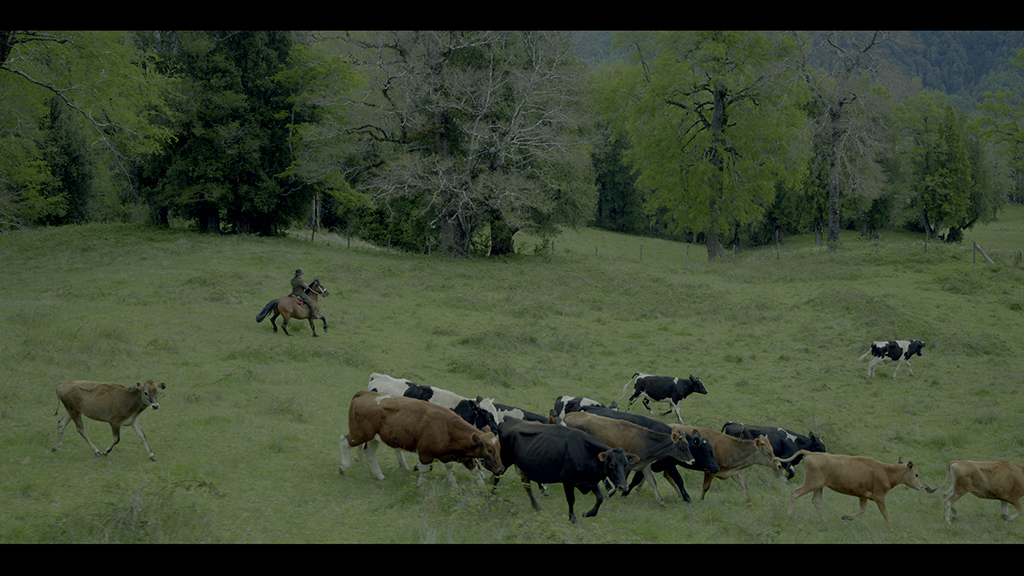
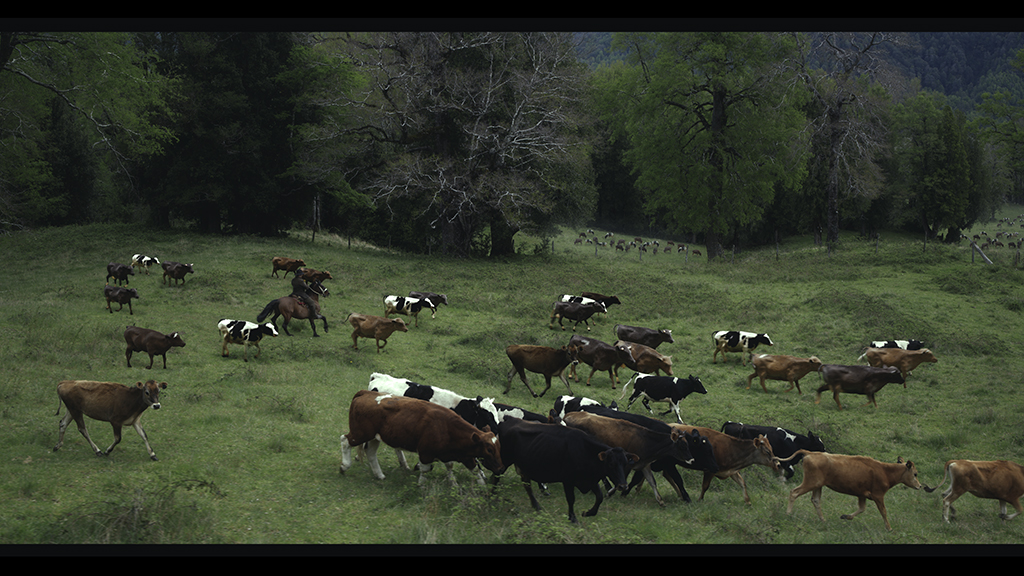
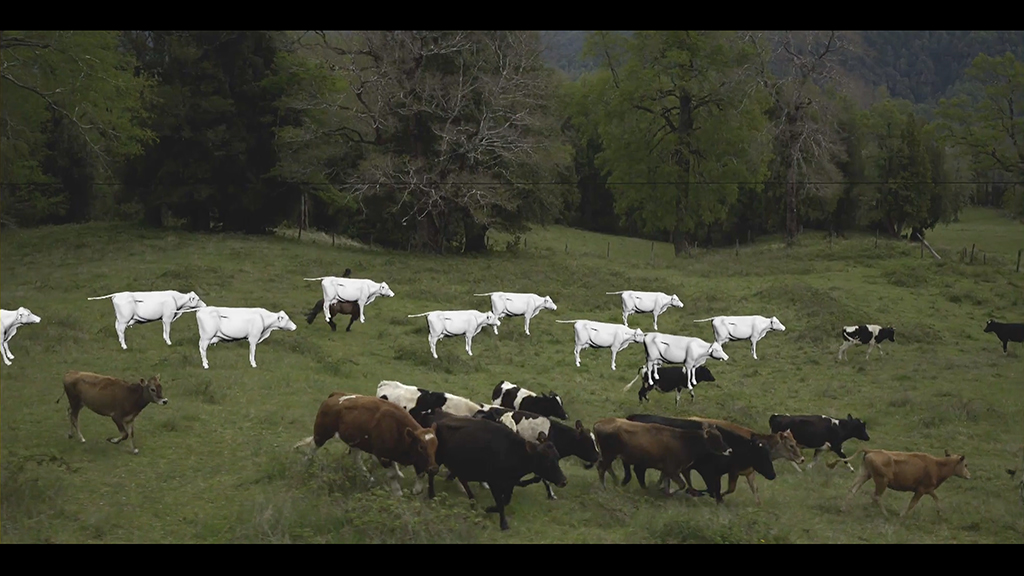
Beyond architectural wonders, Garagevfx was tasked with complex animation challenges, most notably the augmentation of practical cattle herds. Sharing the frame with live animals photographed on set, the digital cows had to move with identical weight, rhythm, and unpredictability. Even minor timing discrepancies would have shattered the illusion. The studio ensured that the digital cattle reacted realistically to environmental lighting, cast accurate contact shadows, and integrated seamlessly with the physical terrain.
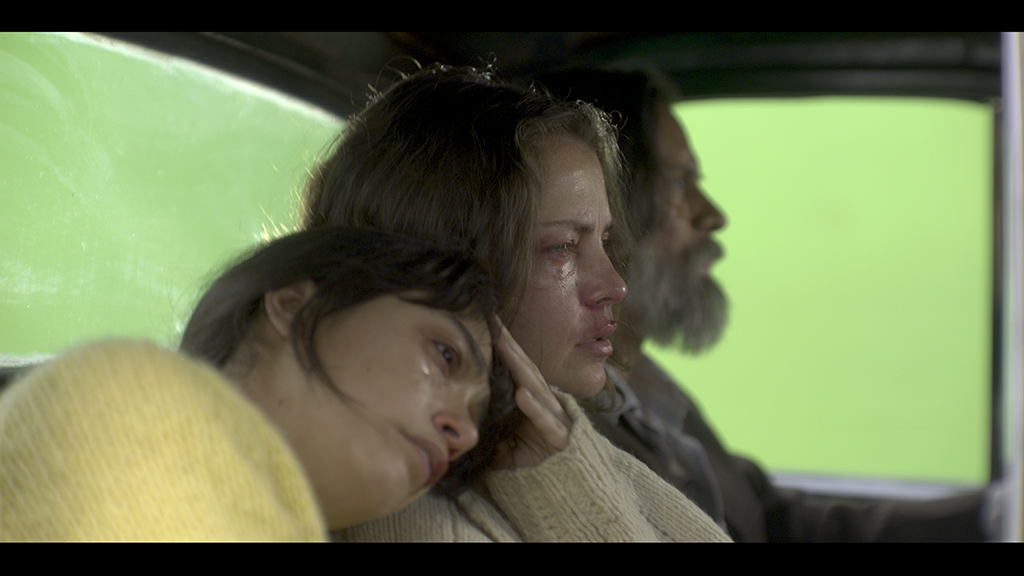
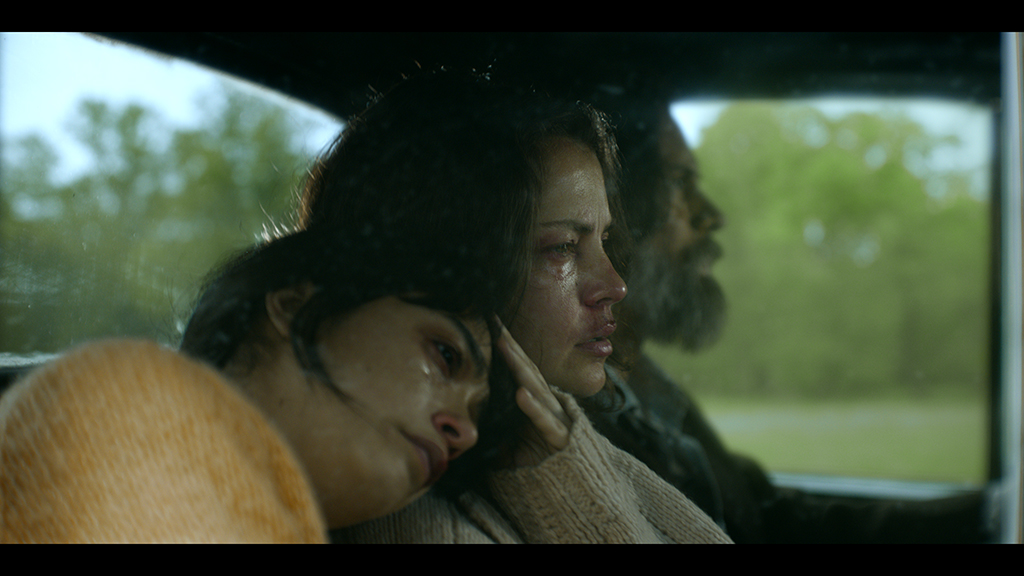
The production also handled driving sequences using a traditional bluescreen workflow rather than contemporary LED volumes or virtual production. This approach placed heavy demands on the compositing team. By relying on precise on-set camera data, lighting measurements, and HDRI captures, Garagevfx meticulously reproduced interactive reflections, perspective shifts, and natural illumination. The background plates were extensively adapted to match the geographical and narrative momentum of each driving sequence.
Official Responses and Collaborative Spirit
The integration of visual effects into The House of the Spirits was defined by an unusually close-knit, on-location collaboration between the VFX artists and the series’ showrunners. Tomás Roca has frequently highlighted the immersive nature of this partnership, noting that long periods spent together on location allowed visual effects to evolve organically within the daily creative discourse.
By dividing labor according to entire sequences and locations rather than isolated shots, the principal VFX vendors preserved visual and thematic consistency across decades of narrative progression. This philosophy mirrors the thematic core of Allende’s novel, wherein the physical house transcends its status as a mere set piece to function as a living, breathing character that absorbs human memories and mirrors the emotional evolution of the Trueba family.
Broader Impact and Implications for Regional Industry
The completion of The House of the Spirits marks a significant milestone not only for Prime Video, but for the Latin American creative sector at large. By anchoring an international co-production involving Fábula, FilmNation, and Amazon MGM Studios with regional talent, the production underscores the growing technical and artistic maturation of South American VFX studios.
Industry analysts view projects of this magnitude as proof that regional facilities possess the sophisticated pipelines, artistic sensitivity, and technical prowess required to handle high-end global content. As international streamers increasingly look to authentic regional storytelling, the success of Garagevfx’s grounded, invisible effects work sets a new benchmark. It demonstrates that visual effects can successfully elevate magical realism from the page to the screen without sacrificing historical integrity, emotional resonance, or cultural authenticity.
Related posts: