Laika’s Wildwood Re-Dubbed in Mexico Following Significant Audience Backlash Over Celebrity Casting

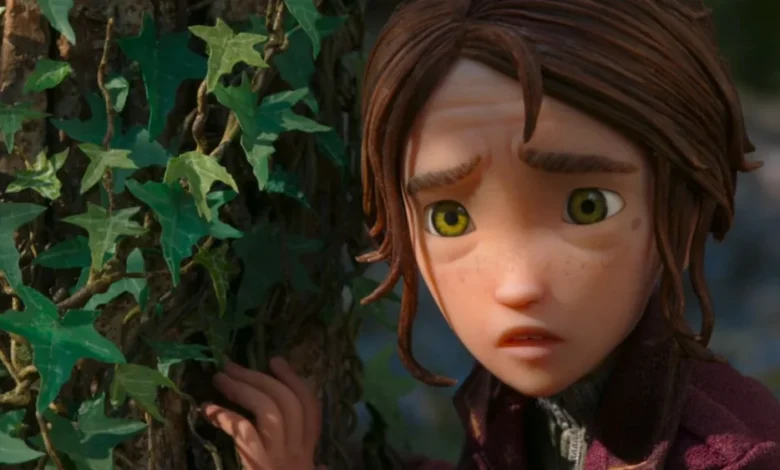
The release of Travis Knight’s ambitious stop-motion feature Wildwood in Mexico has become a watershed moment for the animation industry, highlighting the growing tension between marketing-driven casting choices and the artistic expectations of audiences. Following a wave of negative reception regarding the film’s Spanish-language dub—which relied heavily on social media influencers and television personalities rather than professional voice actors—distributor Imagem Films Mx has made the rare and decisive move to replace the audio track nationwide. Beginning November 12, 2026, theaters across Mexico will offer an alternative version of the film featuring established industry professionals, a decision that underscores the power of digital-age consumer activism in the cinematic landscape.
A Chronology of the Controversy
The conflict surrounding Wildwood began shortly after its October 29, 2026, premiere in Mexico. Laika, a studio renowned for its meticulous attention to detail and high-end stop-motion artistry, had generated significant anticipation for the film. However, the excitement was quickly overshadowed by the announcement and subsequent release of the local dub.
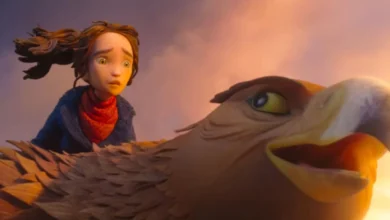
The casting choices—Macarena García as the lead character Prue McKeel, Javier Ibarreche as the Bandit King, and Natalia Téllez as Alexandra Svik—drew immediate scrutiny from film enthusiasts. Critics argued that the performances lacked the nuance, emotional range, and technical precision required to match the film’s complex visual storytelling. By early November, the sentiment on social media platforms had evolved from individual complaints into a collective movement. A formal petition demanding a professional re-dub garnered thousands of signatures, placing immense pressure on Imagem Films Mx.
The distributor responded on November 10, confirming that a new version of the film had been produced and would hit screens on November 12. This timeline, spanning less than two weeks from the initial release to the announcement of a corrective measure, is nearly unprecedented in modern distribution history, where films are typically locked into a fixed format for their entire theatrical run.
The Debate Over Celebrity Casting in Animation
The practice of "star-casting"—hiring non-professional voice actors for their fame and social media reach—has been a subject of intense debate for decades. Proponents of the practice argue that recognizable names are essential for marketing, particularly in competitive markets like Mexico, where animated features frequently compete with high-budget live-action blockbusters. By leveraging the follower counts of influencers like Javier Ibarreche, distributors aim to bridge the gap between niche animation fans and the general public.

However, the backlash to Wildwood demonstrates a significant shift in audience sentiment. Modern viewers, particularly those in markets with deep-rooted dubbing traditions like Mexico, view voice acting as a specialized craft rather than a celebrity perk. In the Mexican dubbing industry, which is considered one of the most prestigious in the Spanish-speaking world, the expectation for high-quality performance is high. When celebrity voices are perceived as distracting or emotionally "flat," they risk shattering the immersion of the film, effectively negating the artistic labor put into the production.
Official Responses and Industry Standards
In their statement, Imagem Films Mx sought to strike a balance between acknowledging the audience’s feedback and defending their original creative process. The company emphasized that the initial dub had undergone standard quality control measures and received necessary approvals from the production side.
“The creation of a new version is not intended to invalidate or discredit the previous process, or any of the artistic contributions made,” the distributor stated in an official release. By choosing to release a secondary version rather than pulling the film entirely, the distributor attempted to appease the vocal segment of the audience without completely distancing themselves from their original marketing strategy.
Professional actors Danna Alcalá and Erica Edwards have been brought on to lead the new version, bringing with them years of experience in the dubbing industry. Emilio Treviño, who was noted for his performance as Curtis, has been retained, suggesting that the distributor identified specific roles where the previous casting had been perceived as particularly discordant.
Broader Implications for the Animation Industry
The Wildwood incident serves as a significant case study for distributors globally. It raises critical questions regarding the cost-benefit analysis of celebrity casting. While the initial goal is to increase opening-weekend visibility, the risk of a "brand-damaging" controversy can lead to costly late-stage interventions.
Financially, the decision to produce, distribute, and swap a digital cinema package (DCP) across a national theater chain is not inexpensive. Distributors must weigh the potential for increased ticket sales through influencer promotion against the potential for negative reviews and the logistical nightmare of a mid-run replacement. The fact that Imagem Films Mx opted for the latter suggests that the negative sentiment had reached a threshold where the long-term reputation of the film’s brand was being compromised.

Furthermore, this event may lead to a reassessment of "star-casting" in Latin American markets. If audiences continue to demonstrate that they are willing to boycott or protest poor-quality dubs, studios may find that the perceived marketing value of influencers is outweighed by the risk of public backlash. This could lead to a resurgence in the use of specialized voice actors, potentially strengthening the industry by valuing technical skill over social media reach.
Analysis of Audience Empowerment
The resolution of the Wildwood dispute is a testament to the influence of modern digital communities. In the past, audience dissatisfaction with a dub might have been relegated to message boards or private conversations. Today, social media platforms allow for the rapid mobilization of thousands of viewers, transforming isolated complaints into a tangible, measurable force that companies cannot ignore.
The "second wind" the film might receive at the box office remains a variable. By addressing the controversy head-on, the distributor has effectively turned the narrative from a story about a "bad movie" into a story about a studio that listens to its audience. Whether this will successfully convert the disgruntled viewers into ticket buyers remains to be seen, but the transparency of the process is a departure from the traditionally opaque nature of distribution decisions.
Conclusion
The case of Wildwood in Mexico will likely be cited in industry reports for years to come. It serves as a reminder that the "voice" of a film is just as important as the visual artistry on screen. While celebrity cameos can be a useful promotional tool, they are no substitute for the emotional resonance provided by a professional performance. As the global animation industry continues to grow, the standard for excellence is being set not just by the animators, but by the discerning audiences who demand that every element of the film, including the dub, respects the integrity of the storytelling.
For now, the focus shifts to November 12. If the new version succeeds, it will validate the strategy of responding to audience feedback. If the controversy continues to simmer, it may signal that for some viewers, the damage to the film’s initial impression is irreversible. Regardless of the box office outcome, the precedent has been set: the era of unquestioned celebrity-led dubbing may be facing its most significant challenge yet, as audiences increasingly demand that their favorite animated characters be voiced by those who have earned their place behind the microphone.