Global Animation Perspectives Converge at the Tokyo International Film Festival as Cross-Border Collaboration Takes Center Stage

The Tokyo International Film Festival (TIFF) has once again solidified its position as a vital nexus for the global animation industry, providing a critical platform for producers to navigate the complexities of international co-production. As the festival’s animation programming expands, the focus has shifted from mere exhibition to the practical mechanics of how disparate creative cultures, funding structures, and logistical frameworks can coalesce into successful feature-length projects. This year’s dispatch from Tokyo underscores a transformative moment in the industry, where traditional silos are being dismantled in favor of decentralized, multi-national production pipelines.
The Dynamics of Cross-Border Co-production
During the TIFFCOM industry market, a panel featuring Ervin Han, Taiki Sakurai of Salamander Pictures, and Ilan Urroz of Foliascope offered a candid examination of the modern co-production landscape. The discourse highlighted a fundamental divergence in how animated features are financed and realized across continents.
In Europe, producers have long relied on a sophisticated, state-sponsored infrastructure that includes national subsidies, tax credits, and regional funding bodies like Eurimages. This model prioritizes cultural preservation and artistic risk-taking but often necessitates long development cycles. Conversely, the Asian market—particularly in Japan, Singapore, and South Korea—has historically leaned toward private equity, committee-based production models (seisaku iinkai), and brand-driven investment.
The panel reached a consensus that the future of the medium relies on a "hybridization of funding." By bridging the gap between European public support and Asian private-sector agility, studios can mitigate the financial risks associated with high-budget animation while ensuring broader international distribution. The speakers emphasized that "complementary strengths" are the key to this integration: pairing the technical precision of Japanese studios with the narrative diversity found in European and Southeast Asian creative hubs.
A Banquet for Hungry Ghosts: A Case Study in Multi-National Storytelling
Perhaps no project better exemplifies this shift toward international collaboration than Ervin Han’s A Banquet for Hungry Ghosts. Following the critical acclaim of his previous work, The Violinist, which resonated deeply with festival audiences at Annecy, Han is currently spearheading this ambitious animated horror anthology.

The project is notable not only for its genre-defying premise but for its organizational structure. A Banquet for Hungry Ghosts serves as a collaborative effort involving studios from Singapore, Malaysia, Taiwan, and Ireland. The anthology is comprised of four distinct tales, each anchored by the thematic presence of traditional Chinese cuisine.
From a production standpoint, the project utilizes a "distributed animation" model. By leveraging the specific artistic styles of studios across four countries, Han aims to provide each short film with a distinct visual identity that reflects its regional origin while maintaining a cohesive, terrifying atmosphere. The project serves as a practical experiment in cross-border workflow management, testing how digital collaboration tools can facilitate a singular creative vision across disparate time zones and cultural practices.
Chronology of the 2026 TIFF Animation Spotlight
The Tokyo International Film Festival has steadily increased its animation footprint over the last decade, aligning its schedule with the rising global demand for non-Western animation.

- 2016–2019: TIFF introduces specialized animation screenings to capture the growth of Japanese anime exports, focusing primarily on domestic releases.
- 2022: The festival formally expands its industry wing, TIFFCOM, to include dedicated panels on global co-production, recognizing the need for Japanese studios to look outward as the domestic market plateaus.
- 2024: The introduction of international competitive categories for animation signals a shift in strategy, aiming to compete directly with Annecy and Ottawa for world premieres.
- 2026 (Current): The focus shifts to deep-dive technical and structural analysis, with a specific emphasis on the "how-to" of multi-national feature production.
Filmmaker Perspectives: Crafting the Future
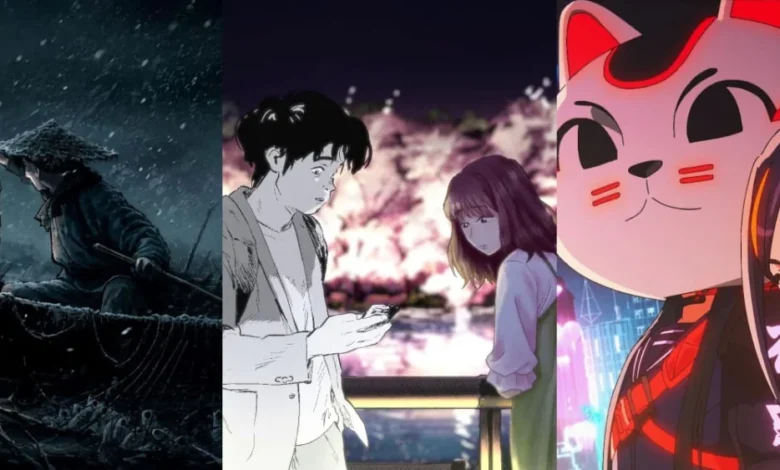
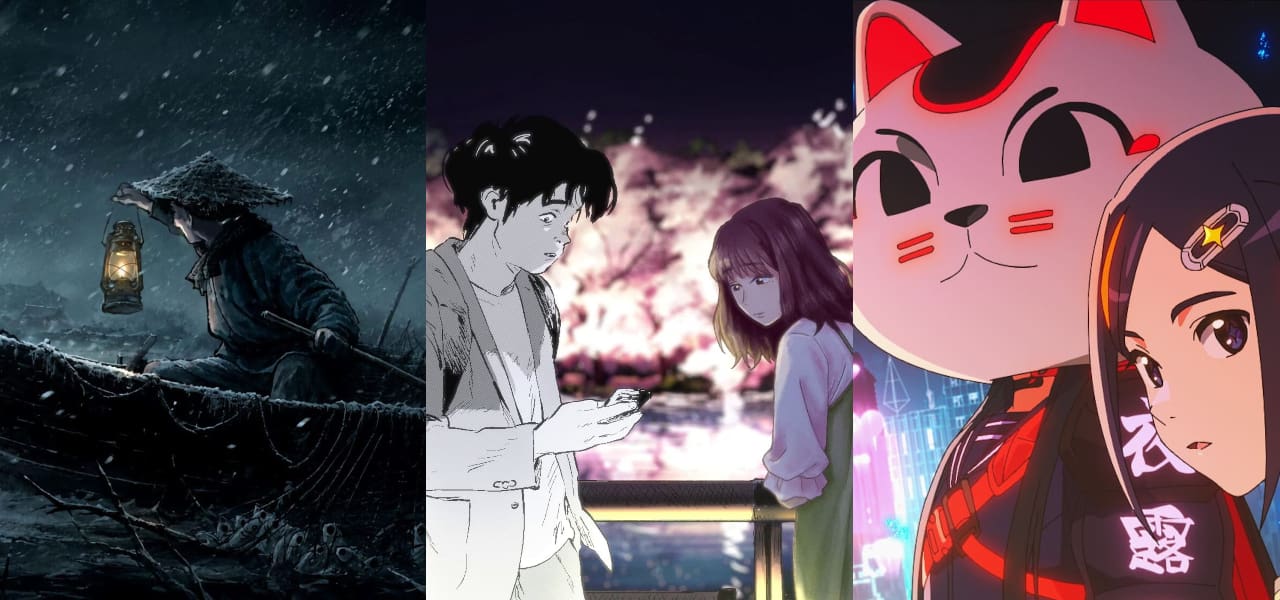
The festival’s feature lineup provided a comprehensive look at the diverse methodologies currently driving the industry. Atsushi Nishigori’s Grotesqqque stands as a masterclass in stylistic contrast, utilizing visual dissonance to mirror the psychological states of its characters. His work reflects a growing trend in Japanese animation toward experimental aesthetics that challenge the polished, uniform look often associated with digital animation.
Similarly, Masanao Kawajiri’s Cherry and Virgin serves as a technical bridge between traditional and contemporary mediums. By synthesizing manga-inspired character design with the fluid, organic movement afforded by rotoscoping, Kawajiri is pushing the boundaries of what is possible in 2D animation.
The intersection of memory and cultural identity was further explored by Joel Crawford and Januel Mercado, the team behind Forgotten Island. Their approach to the project emphasizes the importance of localized storytelling in a globalized market. By centering the narrative on Filipino heritage and collective memory, the filmmakers demonstrate that authenticity is a primary driver of international audience engagement.

Lastly, Sun Xun’s Magic Atlas provides a retrospective on the endurance required for independent animation. Reflecting on a decade of handmade experimentation, Sun’s work stands in stark contrast to the rapid, AI-assisted workflows becoming common in the commercial sector. His dedication to traditional methods serves as a reminder that the industry remains fundamentally rooted in human artistry.
Data-Driven Implications for the Industry
The shift toward international co-production is not merely a creative trend but a financial necessity. According to recent industry reports, the cost of producing a high-quality animated feature has increased by approximately 25% over the last five years, driven by higher labor costs and the demand for increased visual complexity.
For independent studios, the "co-production mandate" is now the primary path to financial solvency. By pooling resources, studios are able to distribute the massive capital expenditures required for rendering, lighting, and sound design. Furthermore, the inclusion of multiple partner countries grants projects access to broader tax incentive pools, which can reduce the total budget burden by as much as 30% to 40% in favorable jurisdictions.

The Broader Impact: Towards a Globalized Animation Ecosystem
The implications of the developments discussed at TIFF are profound. As studios continue to break down geographic barriers, we are likely to see an increase in "borderless content"—stories that do not belong to a single nation but are instead the product of global talent pools.
However, this transition is not without its hurdles. The harmonization of copyright laws, the standardization of technical pipelines, and the management of cultural nuances in storytelling remain significant obstacles. Despite these challenges, the success of projects like A Banquet for Hungry Ghosts and the collaborative spirit witnessed in Tokyo suggest that the industry is entering an era of unprecedented connectivity.
As the lines between domestic and international animation blur, the role of festivals like TIFF will continue to evolve. They are no longer just places to screen films; they are now essential laboratories where the future of the industry is negotiated, financed, and built. The discourse in Tokyo this year confirms that the next generation of animated hits will likely be characterized by their diverse roots, reflecting a world that is increasingly interconnected, yet still deeply committed to the unique, localized stories that give the medium its soul.

By prioritizing the exchange of ideas and the integration of funding models, the animation community is creating a robust, resilient infrastructure capable of weathering the economic and creative shifts of the coming decade. The stories coming out of Tokyo are not just about the films themselves, but about the new, collaborative architecture that makes such diverse storytelling possible in an increasingly competitive global market.
Related posts: