Apple Creator Studio Integrates MotionVFX and Advanced AI Tools to Reshape the Professional Creative Workflow

In a significant consolidation of its creative software ecosystem, Apple has announced a major update to its Apple Creator Studio suite, set for a November release. The update marks the long-anticipated integration of MotionVFX—the industry-leading developer of professional plug-ins and motion graphics—directly into Final Cut Pro and Motion. This development follows Apple’s strategic acquisition of MotionVFX in March 2026, a move that initially left the creative community speculating about the future of the third-party developer’s independent ecosystem. By folding these high-end visual effects, transitions, and templates into the $12.99-per-month Creator Studio subscription, Apple is aggressively positioning its suite as the most cost-effective, all-in-one solution for professional editors, motion designers, and audio engineers.
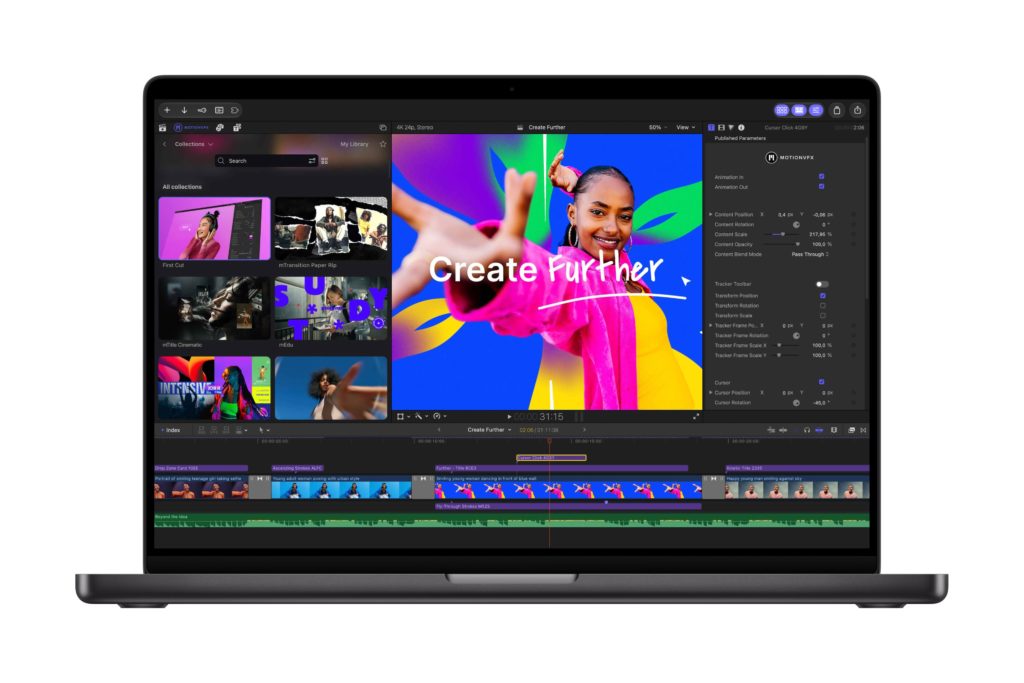
The integration represents a fundamental shift in the economics of video production. Previously, professional editors relying on MotionVFX’s extensive library faced a recurring subscription cost of $29 per month. Under the new model, this functionality is bundled with access to Final Cut Pro, Motion, and Logic Pro for less than half the price of the standalone plug-in subscription. This pricing strategy suggests a concerted effort by Apple to migrate users from fragmented workflows toward a unified, first-party environment.
A Timeline of Strategic Acquisitions and Integration
The path to this integration began in the first quarter of 2026. Following the March acquisition of MotionVFX, Apple remained uncharacteristically quiet regarding the integration process. Industry analysts noted at the time that the purchase was not merely an "acqui-hire" but a strategic move to secure the most robust asset library available for the Final Cut Pro ecosystem.
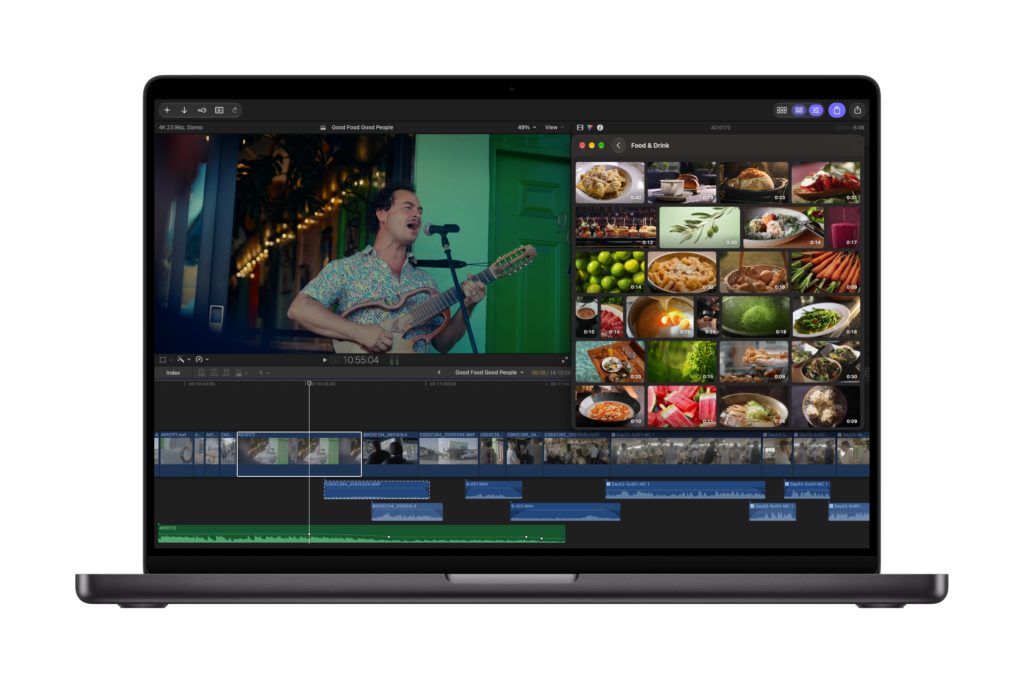
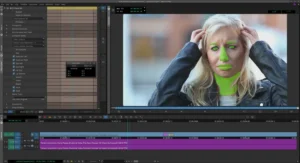
For months, the lack of news fueled rumors of a major architectural overhaul. The announcement in late October 2026 confirms that Apple has been working to re-engineer these assets to operate natively within the Creator Studio framework. The new update introduces a dedicated tab within the Final Cut Pro interface, specifically designed to house these MotionVFX assets alongside standard titles and generators. By embedding sophisticated rotoscoping, advanced motion tracking, and professional-grade color grading tools directly into the application, Apple is effectively narrowing the functionality gap between Final Cut Pro and higher-end compositing software.
Technical Enhancements in Final Cut Pro
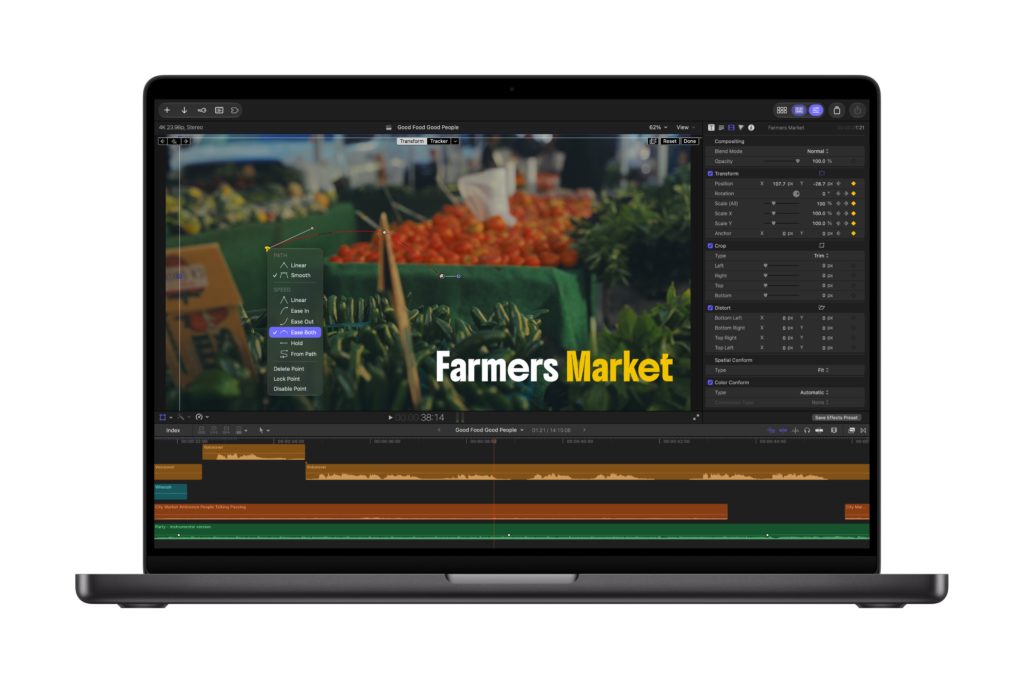
Beyond the MotionVFX integration, the November update introduces several functional improvements aimed at streamlining the editing process. Perhaps most notable is the new approach to keyframe management. Users will now have the ability to manipulate keyframe easing options directly within the Viewer, a long-requested feature that enhances the fluidity of motion paths without requiring constant navigation between the Inspector and the timeline.
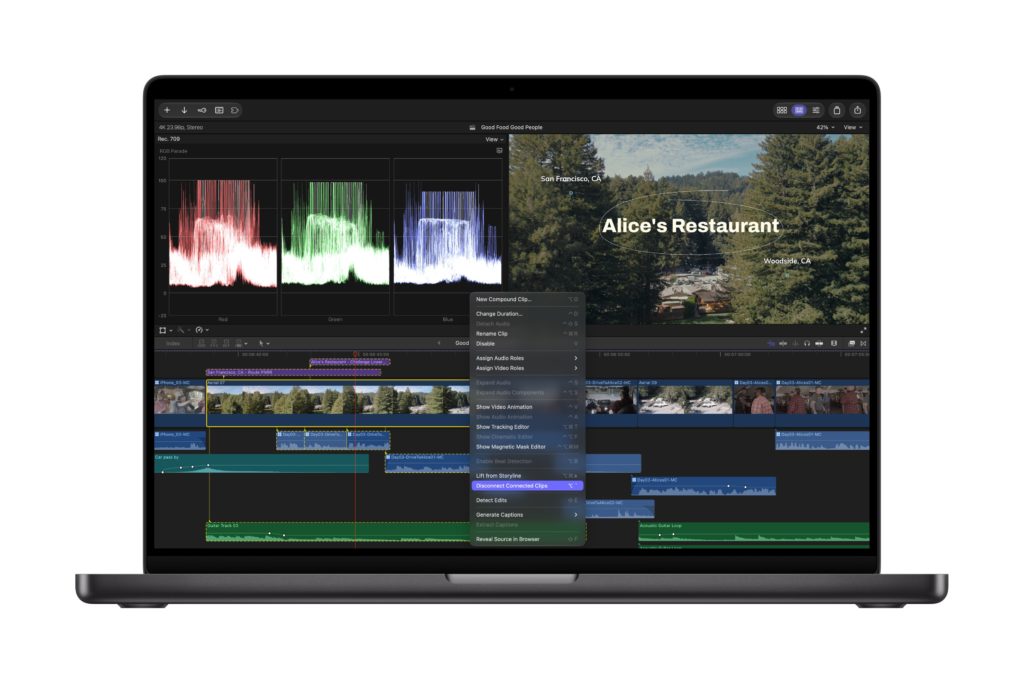
Furthermore, the update addresses the long-standing "magnetic timeline" debate. New interface indicators, including dashed outlines for connected clips, provide visual clarity when selecting parent clips. This feature is expected to offer a more traditional, "disconnected" editing feel for those who prefer manual control over clip relationships. Additionally, the expanded availability of automated transcription and captioning tools, now localized for more global markets, underscores Apple’s commitment to making high-end production tools accessible to a wider demographic of creators.
AI Advancements Across the Suite
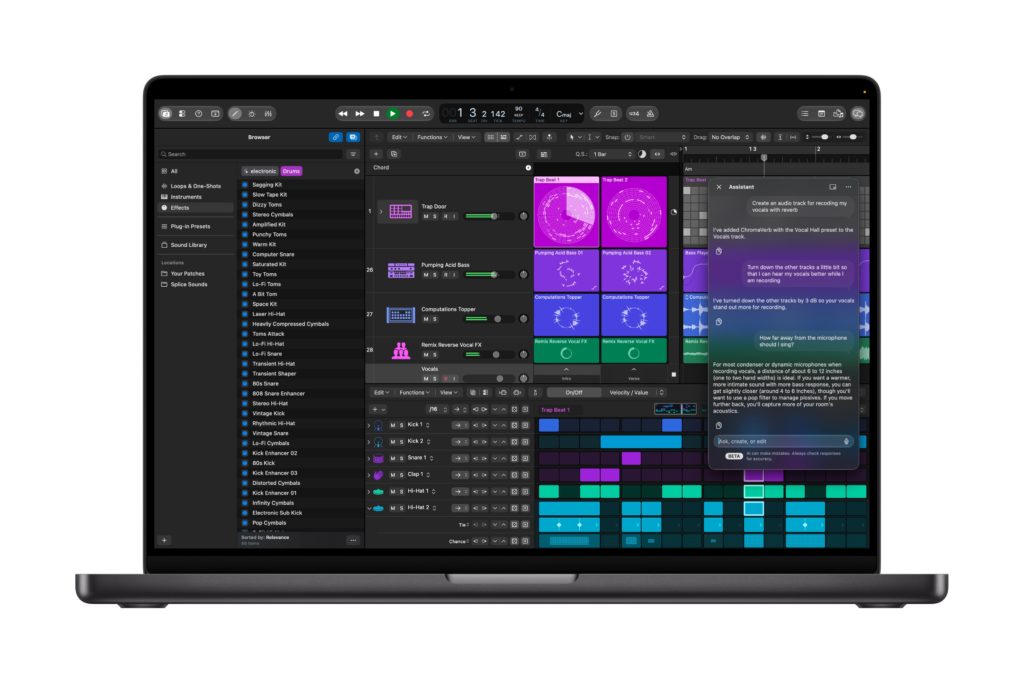
Apple’s investment in artificial intelligence is no longer confined to experimental features; it is now deeply woven into the professional creative pipeline. The inclusion of an AI Assistant in Logic Pro is a particularly significant development. While Adobe has been systematically adding "Sensei" or "Firefly" assistants to its Creative Cloud suite, Apple’s implementation in Logic Pro signals a move toward proactive, context-aware audio production.
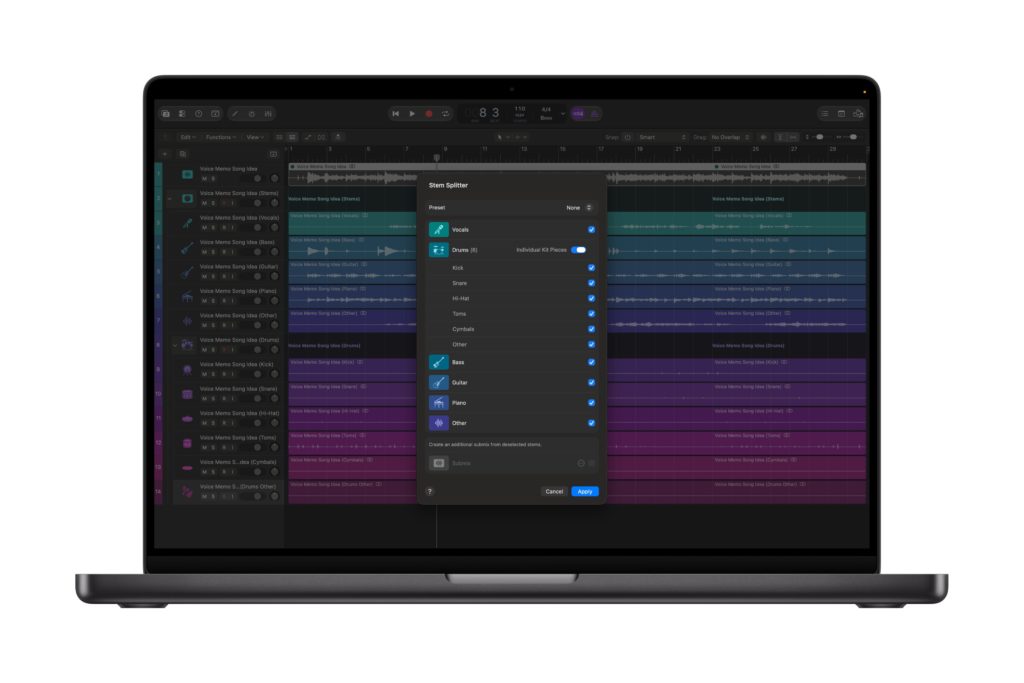
The Stem Splitter, which allows editors to isolate vocals from background music—a task that once required hours of manual audio engineering—has received an update to its underlying neural network. This ensures higher fidelity and faster processing, which has already proven essential for live event recording and post-production recovery.
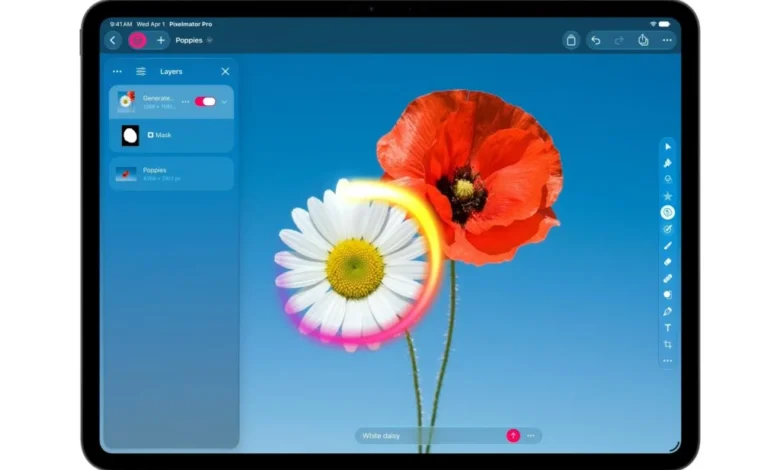
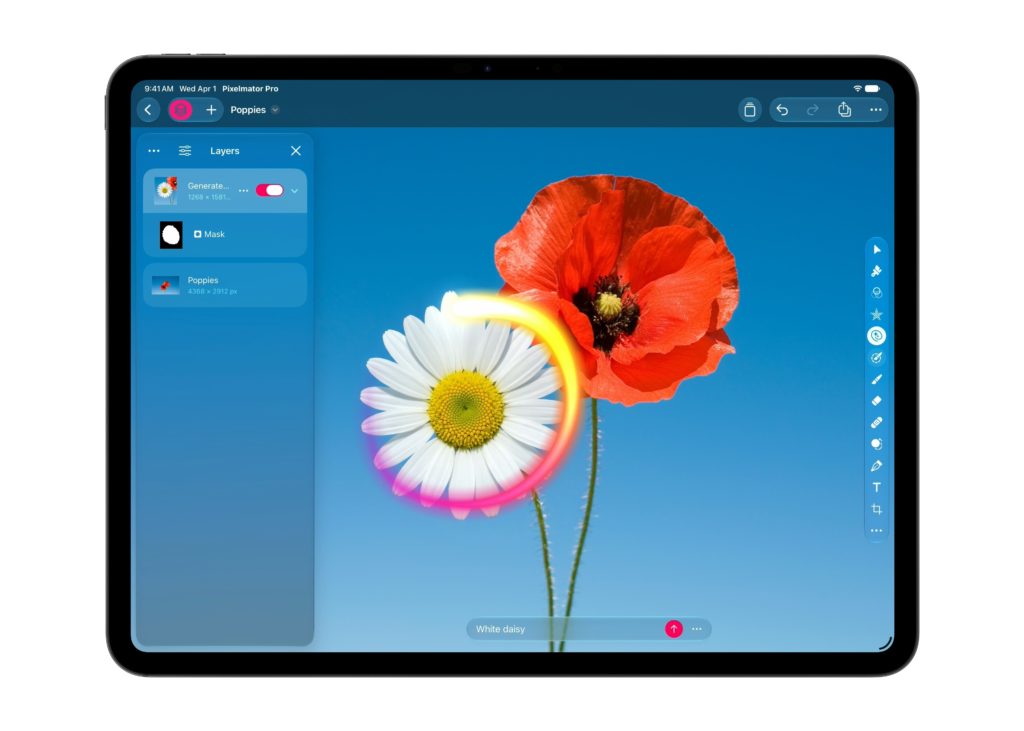
In the realm of static media, Pixelmator Pro is adopting Generative Fill capabilities. By allowing users to extend backgrounds or remove objects using generative AI, Apple is creating a bridge between the image-editing capabilities of Pixelmator and the motion-editing strengths of Final Cut Pro. The integration of these tools into the broader ecosystem suggests that Apple is developing a proprietary, unified "Creator AI" that will eventually facilitate seamless handoffs between photo, video, and audio tasks.
The Broader Impact on Software Ecosystems
The shift toward open-format interoperability is perhaps the most profound implication of this update. By enabling "MCP" (Model Context Protocol) support within its office and creative suites, Apple is preparing for a future where third-party AI agents can control software tasks. This effectively allows users to outsource repetitive file management or basic editing sequences to autonomous agents.
By prioritizing open formats, Apple is positioning itself to compete more directly with the collaborative ecosystems of Microsoft and Google. If Apple’s file formats become the industry standard for AI-assisted workflows, it could significantly increase the "switching cost" for creative professionals, making it more difficult for competitors to lure users away from the Apple ecosystem.
Hardware Synergy: The M6 Update
Parallel to the software announcements, Apple has unveiled its latest MacBook Pro line, powered by the M6 chip. While the hardware remains highly capable for creative workflows, market analysts have observed an unusual omission: the absence of M6 Pro and M6 Max variants. Reports indicate that Apple is choosing to bypass the mid-cycle chip upgrade, aiming to accelerate the release of the M7 Pro and M7 Max architecture by 2027.
For the professional creative, this means the current M5 Pro and M5 Max chips remain the standard for high-end production, while the base M6 serves as an entry point for content creators who prioritize portability and screen technology over raw compute power. This hardware strategy reinforces the focus on software-led innovation. By optimizing Creator Studio to run efficiently on base-level silicon, Apple is lowering the barrier to entry for creators who may not possess the capital for top-tier workstation hardware.
Conclusion and Outlook
The November update to Apple Creator Studio is a clear declaration of intent. By bundling top-tier third-party tools like MotionVFX and integrating AI-driven assistants, Apple is seeking to solve the two biggest hurdles in professional content creation: cost and complexity.
The transition from a perpetual licensing model to a highly affordable, feature-dense subscription service, supported by hardware that is increasingly specialized for AI tasks, creates a compelling value proposition. As these tools go live in November, the creative industry will be watching to see if the performance of these integrated features matches the ambitious technical specifications outlined in the October press release. If successful, Apple’s move could set a new benchmark for software integration, forcing competitors to rethink their own fragmented toolsets in favor of a more holistic, AI-enhanced professional experience.